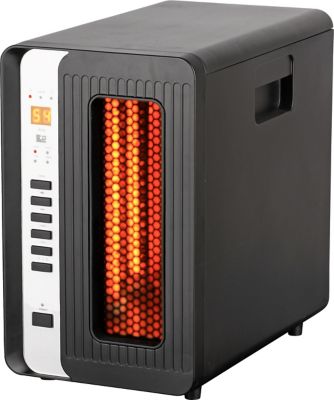
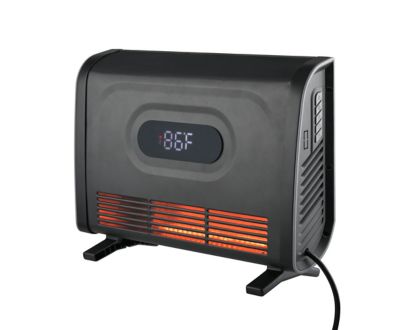
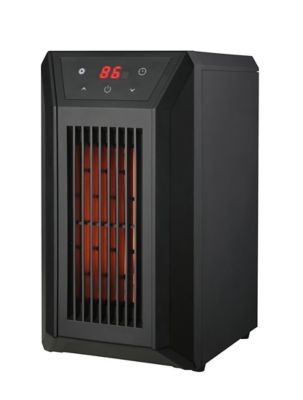
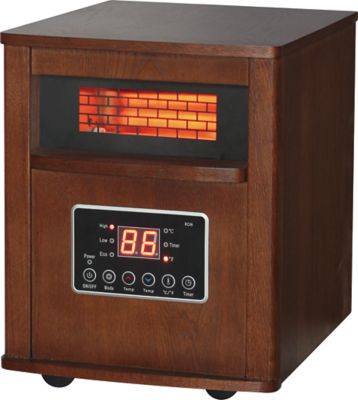
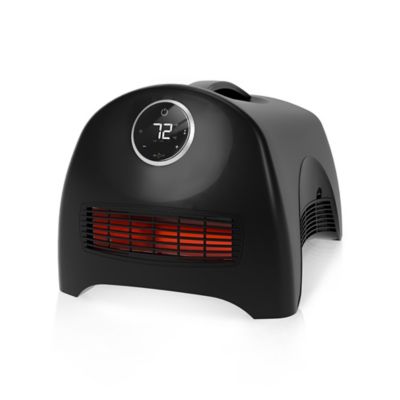
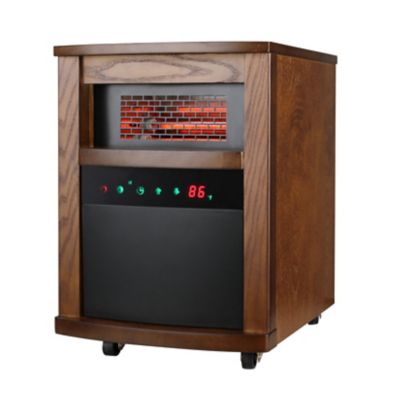
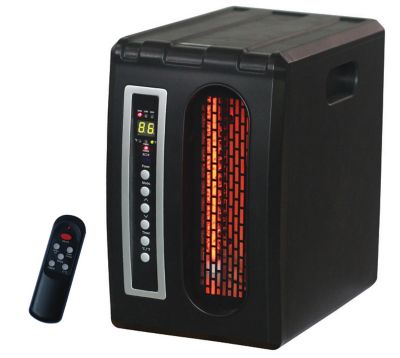
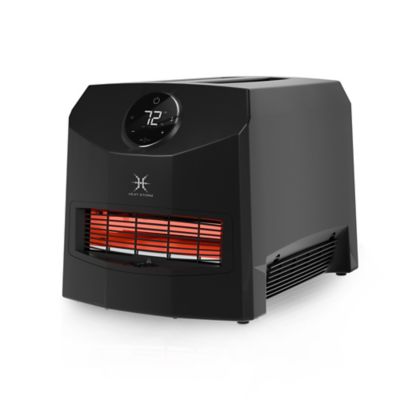
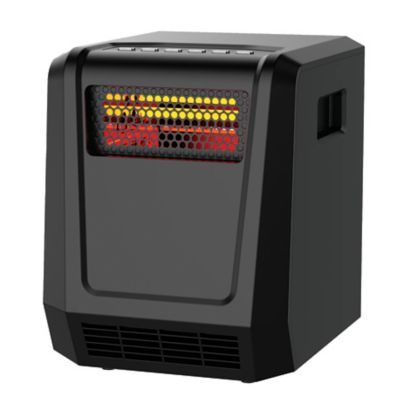
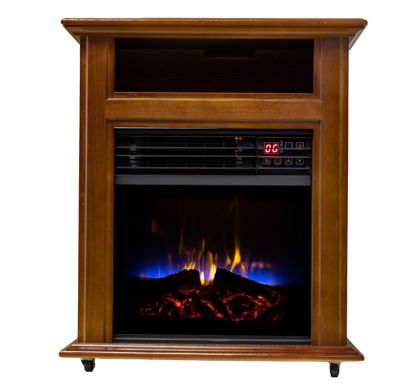
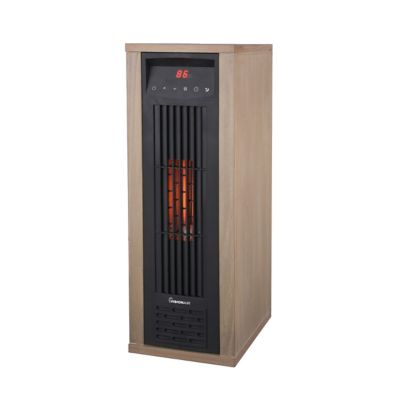
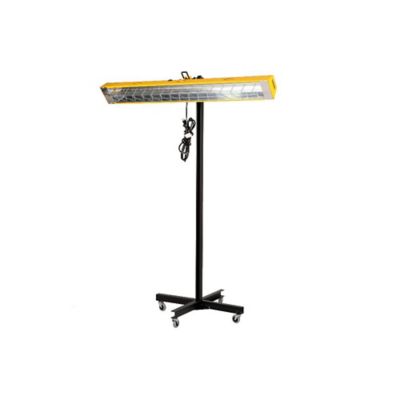
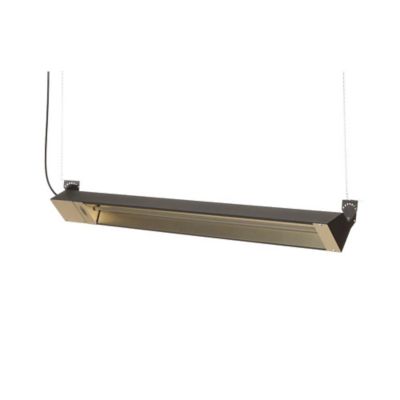
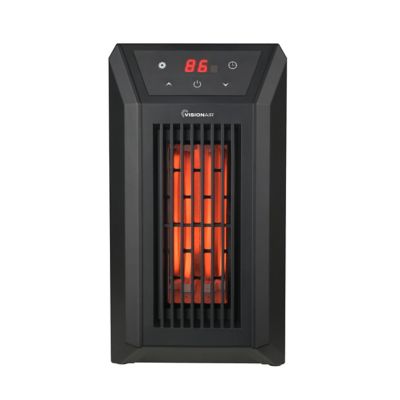
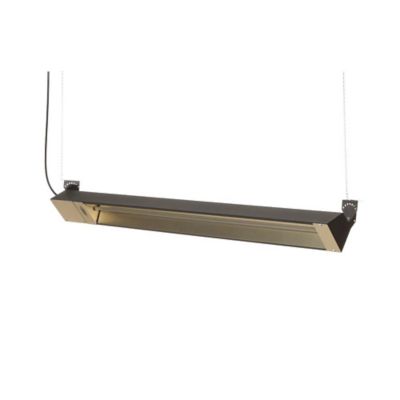
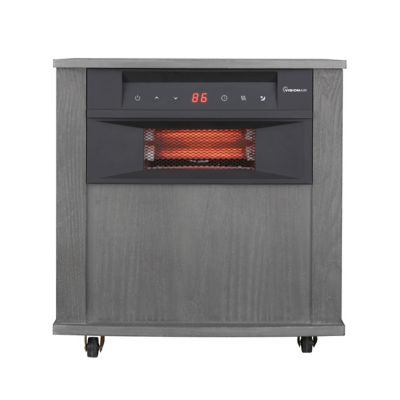
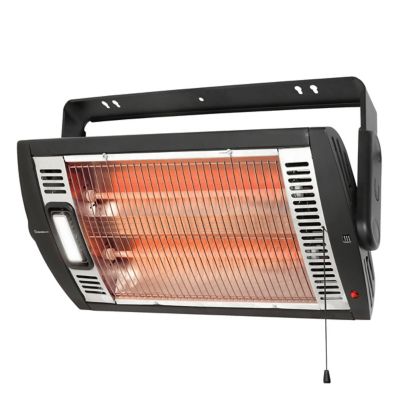
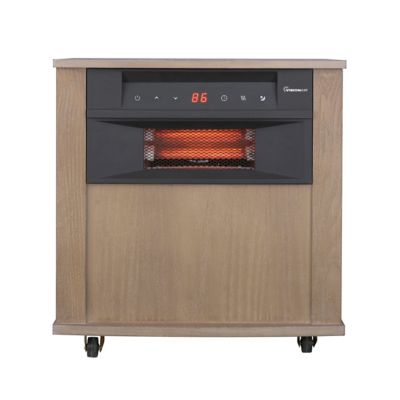
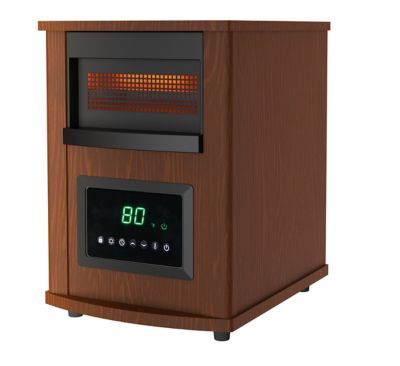
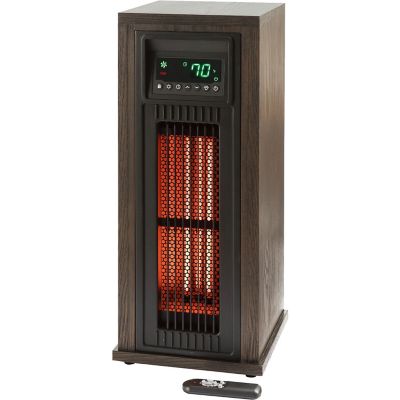
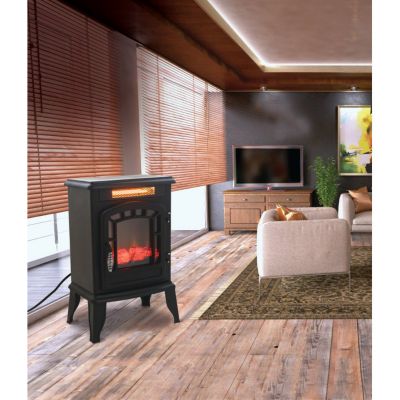
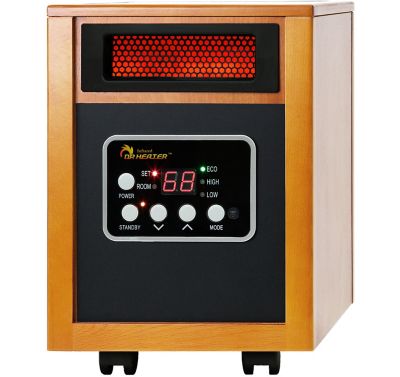
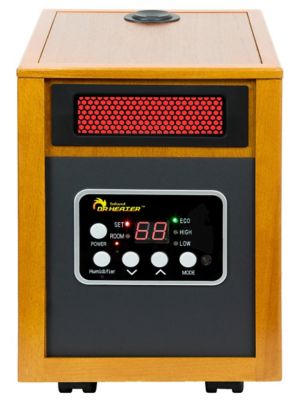
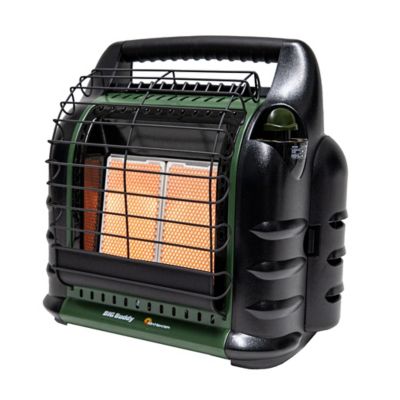
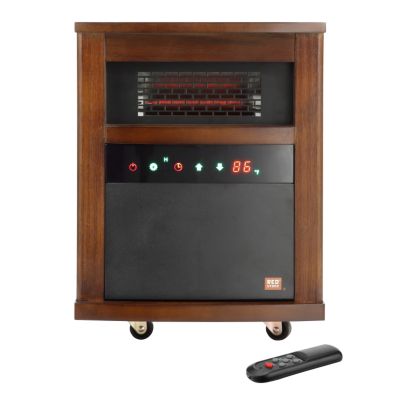
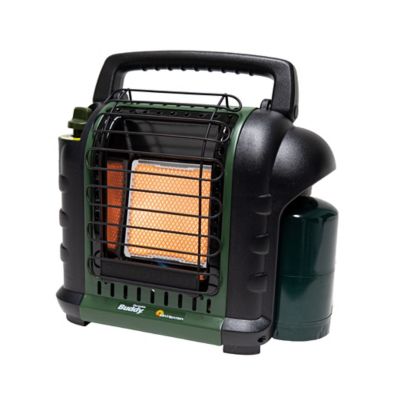
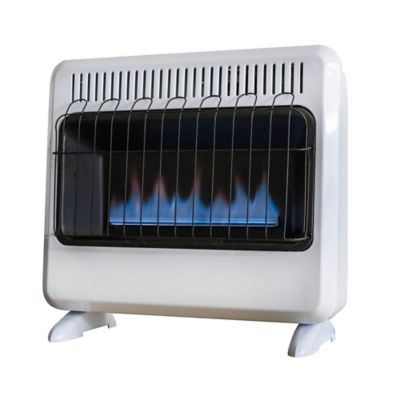
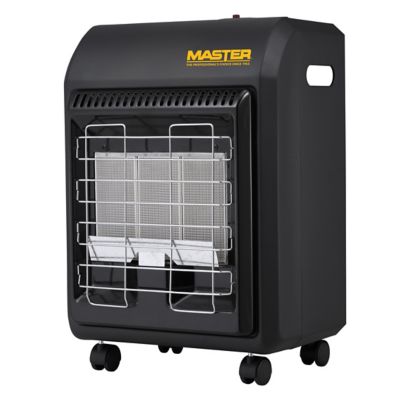
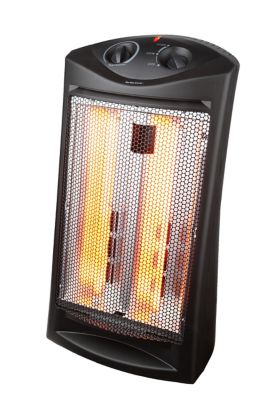
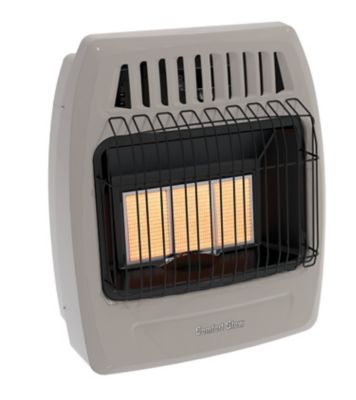
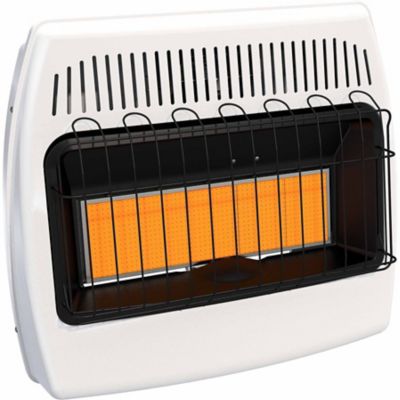
Infrared quartz heaters provide electric supplemental heat for the places where folks settle in, whether that is a farmhouse living room, a home office, or a den after chores. These heaters contain electric heating elements housed in quartz tubes, which allow infrared energy to pass through. In open-element designs, radiant heat warms people and objects within its path, so a nearby chair can feel comfortable before the entire room reaches the same temperature. Enclosed cabinet designs often include a fan that carries warmth from the heating chamber into the room. That difference matters: a heater built for direct, spot-focused warmth can feel different from one intended to circulate warm air throughout an enclosed space. Quartz elements generally heat up quickly, though the time needed to warm a room depends on its size, insulation, ceiling height, drafts, and starting temperature. Many household infrared quartz heaters operate on a standard 120-volt electrical supply and have a maximum output of about 1,500 watts, equivalent to roughly 5,100 BTUs per hour. Lower heat settings can provide gentler output when full power is not needed. At the same wattage, electric resistance heaters produce roughly the same total amount of heat; the practical differences come from how that heat reaches the occupied area and how the controls manage it. Infrared technology does not make a small heater capable of overcoming unlimited drafts or heating an entire house. Its strength is supplemental, room-by-room comfort alongside a home's primary heating system. A closed sitting room may hold warmth more readily than an open stairwell or a room with tall ceilings. Square-footage claims are most useful when considered alongside those conditions, rather than treated as a promise for every home. For someone reading beside a window or handling paperwork at a desk, heat placement and room layout can matter just as much as the number printed on the heater's label.
Cabinet, tower, and compact freestanding shapes give
Quartz Heaters different footprints and appearances, while their construction helps determine how they fit into everyday routines. Metal housings, molded exterior panels, and wood-look or finished cabinet surrounds each bring a different feel to a room, but an exterior finish does not reduce the need for clearance around the heater. A broad cabinet may sit comfortably along an open wall, while a narrow tower takes less floor space; neither belongs tucked behind a sofa, beneath hanging curtains, or inside a tight furniture opening. Overall height, base width, control location, and cord length all affect placement. Carry handles and casters can make moving a fully cooled heater between suitable rooms easier, especially in a house where a home office gets daytime attention and the sitting room gets evening use. Stable footing matters on every trip, and a rolling base should stay put during operation. Adjustable thermostats help manage a chosen temperature, while separate heat settings let the heater operate at different output levels. Digital displays, remote controls, and timers can make adjustments more convenient, though the temperature shown at the heater may differ from the temperature across the room. A thermostat near the floor or heating chamber responds to its immediate surroundings, not every corner of the space. Fan-assisted designs also bring some operating sound, making noise level worth considering for conversation, television, or concentrated desk work. An exposed glowing element provides a different visual experience from an enclosed cabinet, particularly in a dim room. Grilles, handles, and exterior panels deserve attention as well: some surfaces can become hot even when other parts of the housing stay cooler. For households with children or pets, a steady base, protected controls, and a placement well away from busy walkways matter more than appearance alone.
Infrared quartz heaters belong in spaces that match their stated electrical and environmental ratings. A heater intended for a dry indoor room is not automatically suitable for a bathroom, porch, barn, or damp garage. Workshops introduce additional concerns, including airborne sawdust, flammable finishes, gasoline vapors, and other materials that must stay away from heating equipment. Even in an ordinary living room, safe operation starts with a firm, level surface and the clearance specified by the manufacturer. Portable heaters generally need at least three feet of space from bedding, curtains, upholstered furniture, paper, and other combustible materials, with any greater listed clearance taking priority. They should plug directly into a suitable wall outlet, not an extension cord or power strip, and the circuit must support the heater's electrical draw. Other high-draw appliances on the same circuit can create an overload. Cords should remain visible, free from damage, and out from under rugs or furniture legs. Overheat protection and tip-over shutoff are useful safeguards where included, but neither replaces supervision or proper placement. A timer is a convenience, not permission to leave a portable heater running while nobody is home or while everyone is asleep. Care is usually straightforward, with the heater switched off, unplugged, and fully cooled before cleaning. Dust can collect around intake grilles, outlets, and accessible filters, restricting airflow and making routine upkeep important. A soft cloth or vacuum attachment may be appropriate where the owner's manual allows it; only filters specifically identified as washable should be rinsed, and they must dry completely before reinstallation. Quartz tubes and internal electrical parts need protection from water, impact, and improvised repairs. A loose plug, damaged cord, unusual odor, or outlet that becomes hot calls for stopping operation and addressing the problem before further use. When the heater is put away, a clean, dry storage spot and a loosely arranged cord help protect it between periods of use. Those practical details support steady, comfortable supplemental heat without turning a hardworking room into an obstacle course.