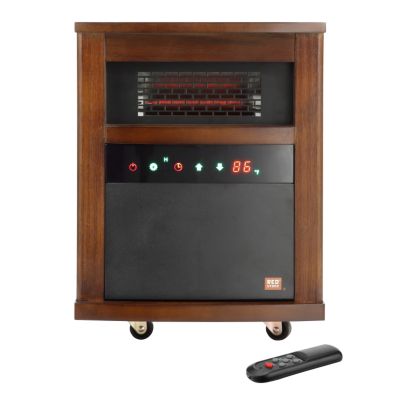
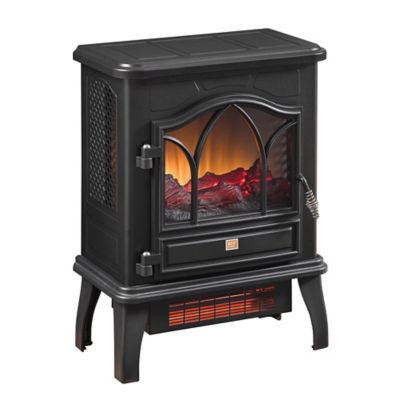
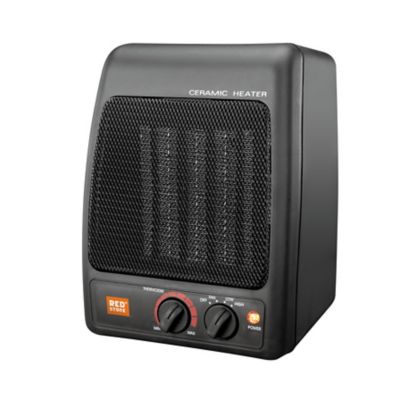
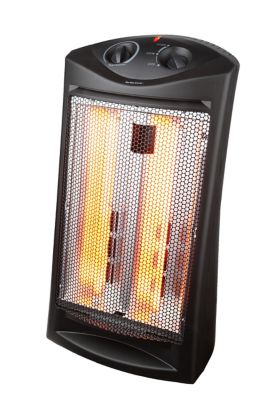
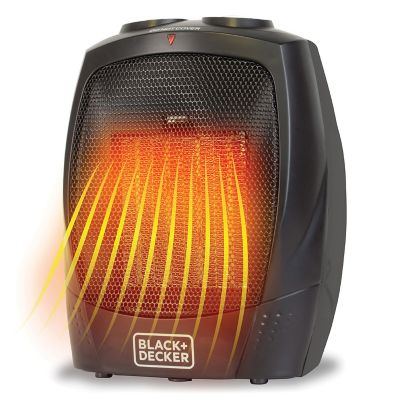
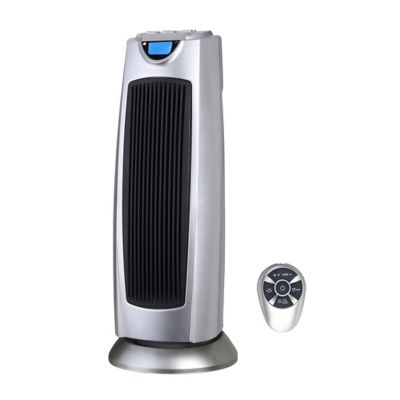
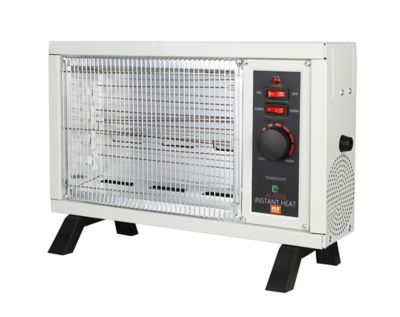
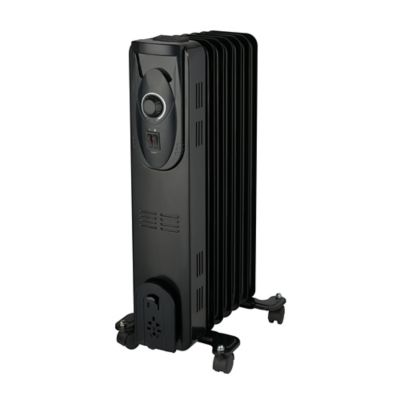
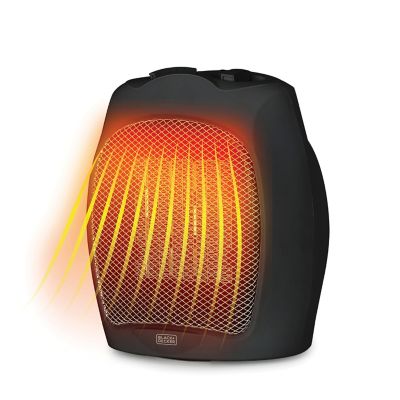
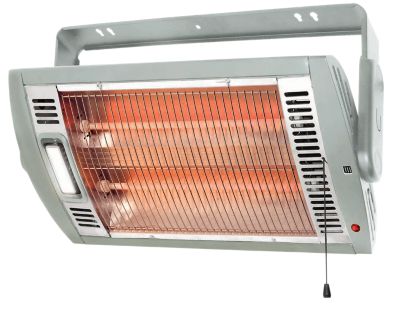
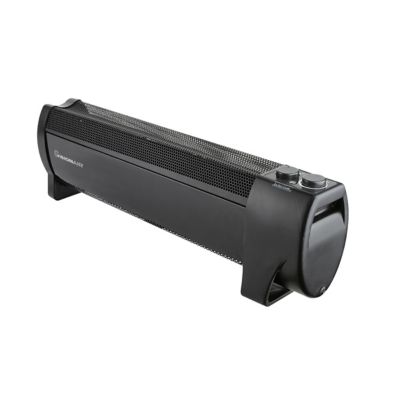
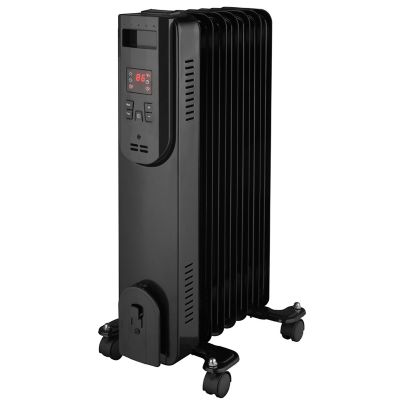
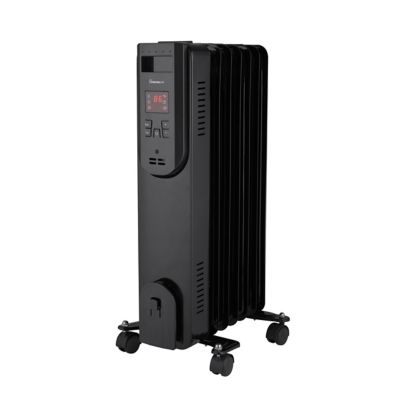
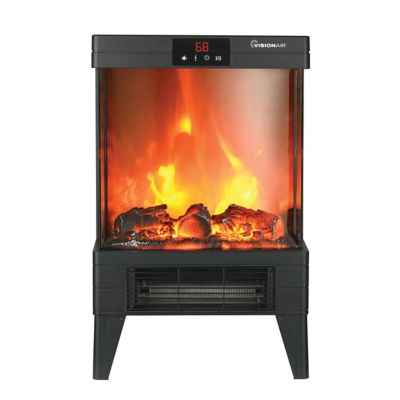
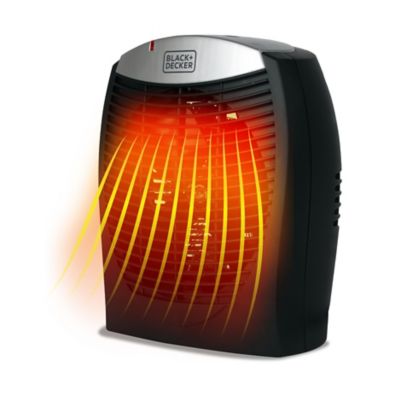
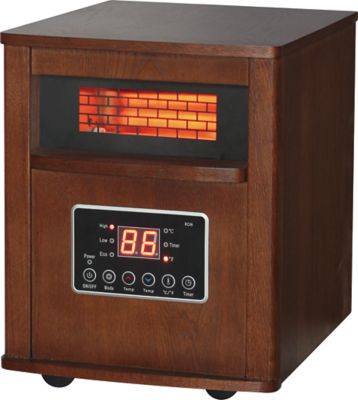
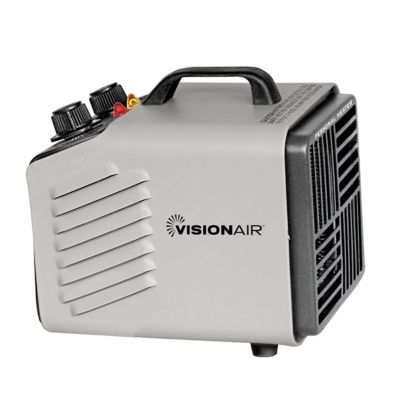
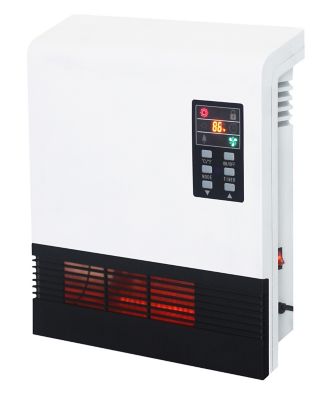
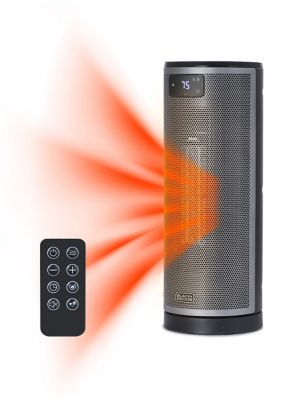
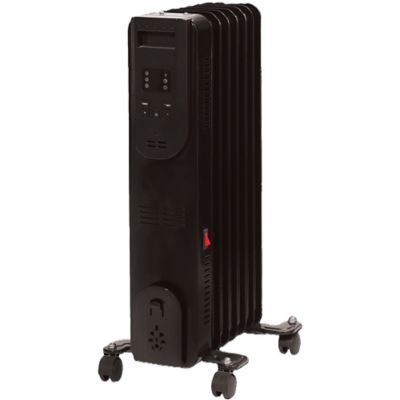
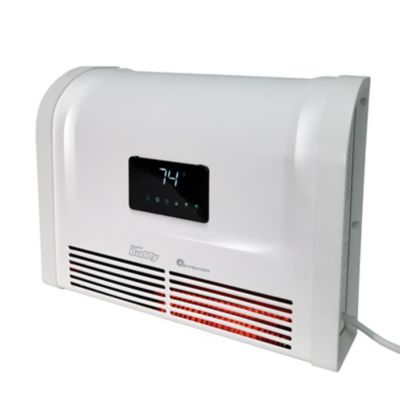
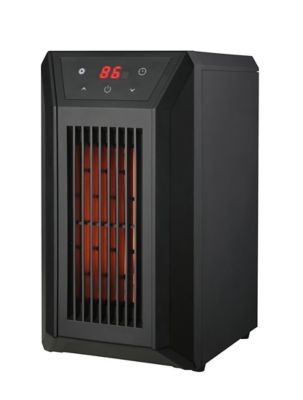
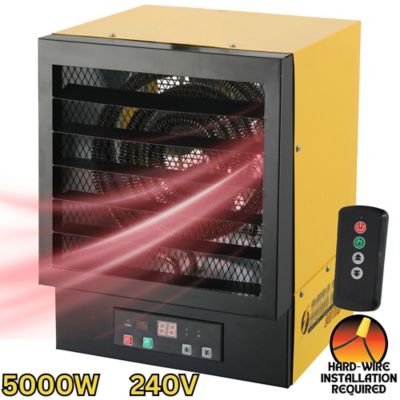
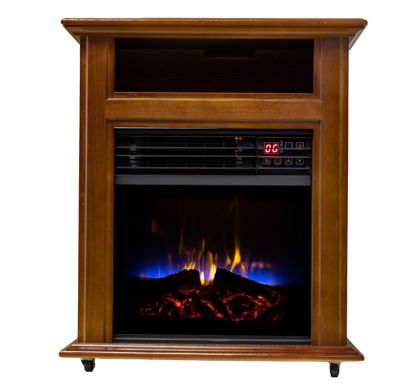
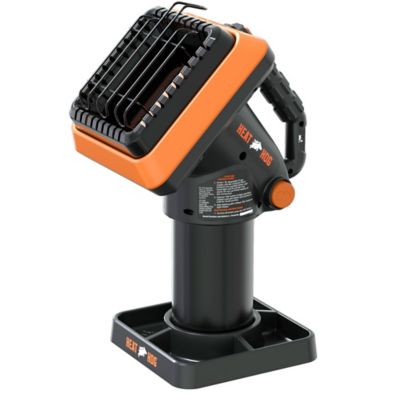
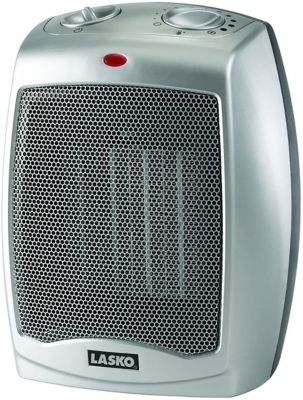
Indoor electric heaters add warmth where daily life happens, from the farmhouse living room to a home office tucked into a spare bedroom. They provide supplemental heat for occupied spaces without requiring a fuel tank, a chimney, or a vent through an outside wall. A common portable electric heater draws up to 1,500 watts from a 120-volt outlet and produces about 5,100 BTUs of heat per hour. Actual room coverage depends on insulation, ceiling height, drafts, windows, and the difference between indoor and outdoor temperatures. A rough sizing estimate of 10 watts per square foot puts 1,500 watts at about 150 square feet, but the manufacturer's room rating and the conditions in your home matter more than that shortcut. A closed den with standard ceilings holds warmth differently than a big living area with an open stairway. The heating style also affects how that warmth feels. Ceramic heaters generally pair a heating element with a fan to move warm air into the room, making them practical for a desk area or sitting space where a quick response matters. Radiant heaters deliver warmth more directly to people and nearby surfaces within their heating path, rather than relying only on warming the surrounding air. Oil-filled radiators heat sealed fluid inside metal sections, bringing a slower, steadier feel that suits longer stretches in one room. Many operate without a fan, which can be welcome beside a reading chair or in a quiet office. Their sealed oil normally stays inside the unit and does not need routine refilling. Tower heaters offer an upright shape with a smaller floor footprint, while low-profile designs may fit better along an open stretch of wall. Each style has a place, whether the goal is taking the chill out of a work-from-home corner or making a family room more comfortable after evening chores.
When comparing
Indoor Space Heaters, the best fit comes down to more than the size printed on the box. Housing dimensions, required clearance, cord placement, and the room's walking paths all affect where a heater can safely sit. A narrow tower still needs open space around it, and a compact heater does not belong beneath a desk surrounded by papers, clothing, or chair cushions. Oscillation sweeps warm air across a broader area, but it does not increase the heater's wattage or turn a small unit into whole-house heating. Adjustable heat settings give you more control over output, while a thermostat cycles the heater to help maintain a selected temperature. Electronic displays can make settings easier to read, and simple knobs may appeal to anyone who wants straightforward controls without extra menus. A remote can be handy from a chair, though it does not replace checking that the area around the heater is clear. Timers offer another way to manage operation while someone is present and awake; they are not a substitute for supervision. Fan sound matters, too, especially for phone calls, television, or quiet reading. Materials and construction shape everyday handling: metal housings and radiator fins can retain heat, while molded outer housings may include insulated grips or handles. No housing should be assumed safe to touch unless the manufacturer says so, and a carrying handle is for moving a heater only after it has been switched off, unplugged, and allowed to cool. Electric resistance heaters with the same wattage deliver roughly the same total heat output, even when their shapes and heating elements differ. Thermostats, lower settings, and room-by-room heating can help manage electricity consumption, but results depend on runtime and how the home's main heating system is set. For a roomy farmhouse kitchen opening into several other spaces, keeping expectations realistic matters more than choosing the tallest heater.
Safety features and everyday care deserve just as much attention as heating performance. Automatic tip-over shutoff can stop operation if a portable heater falls, and overheat protection can shut it down when internal temperatures climb too high. Look for certification from an independent testing laboratory, along with clear operating directions and clearance requirements. These safeguards add protection, but placement still matters. Portable heaters need a firm, level surface and at least three feet of space from curtains, bedding, upholstered furniture, papers, and other things that can burn, or more if the manufacturer requires it. Keep them out of doorways and away from children and pets, particularly where a wagging tail or a busy household could knock one over. Plug a portable electric heater directly into a suitable wall outlet, not an extension cord, power strip, or plug-in adapter. A 1,500-watt heater draws about 12.5 amps at 120 volts, so other appliances on the same circuit can create an overload. Loose outlets, damaged cords, unusual smells, or repeated breaker trips call for stopping operation and addressing the problem rather than trying another adapter. Standard indoor heaters also do not belong in wet areas, outdoors, or in dusty farm buildings unless specifically rated for that setting. Turn portable heaters off before leaving the room or going to sleep. For care, unplug the heater and let it cool before cleaning the exterior and accessible intake openings as directed. Dust and pet hair can gather around grilles, especially in homes where boots, coats, and animals bring plenty through the door. Keep openings clear, never drape laundry over the housing, and avoid sprays or water inside the unit. Before storage, check the cord and plug, then keep the heater in a dry spot without tightly winding the cord around it. Thoughtful placement, sensible settings, and regular checks help indoor electric heaters serve their purpose: comfortable warmth close to the places where the household spends its time.