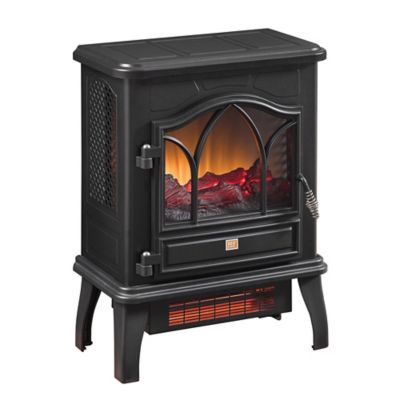
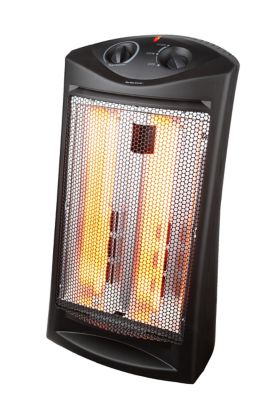
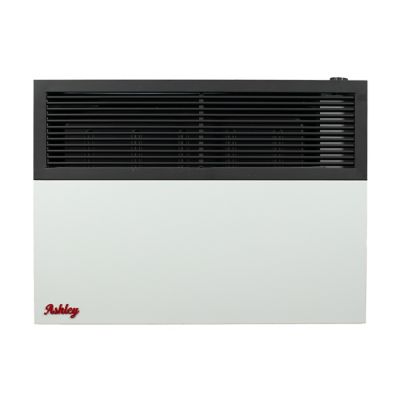
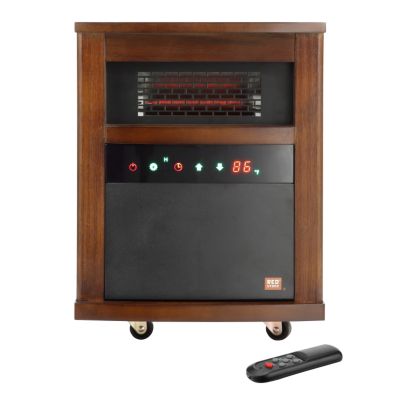
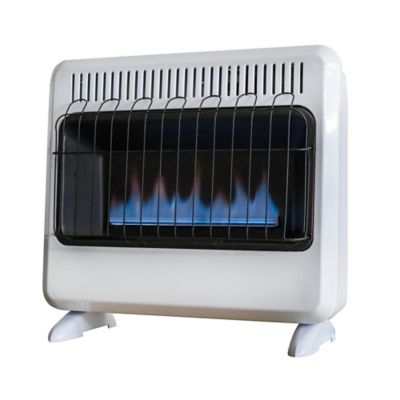
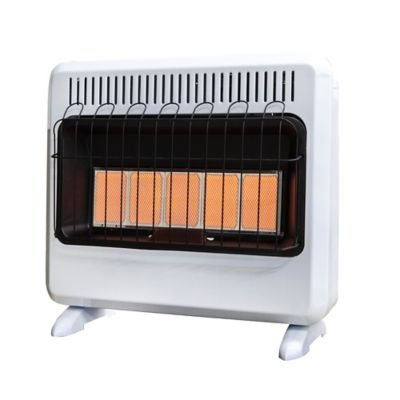
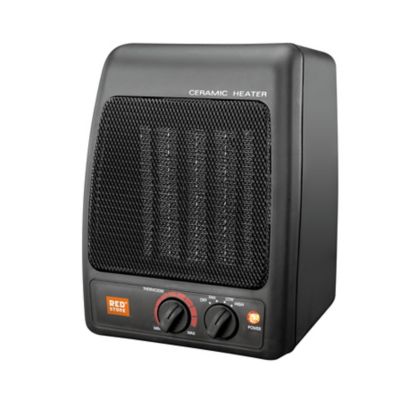
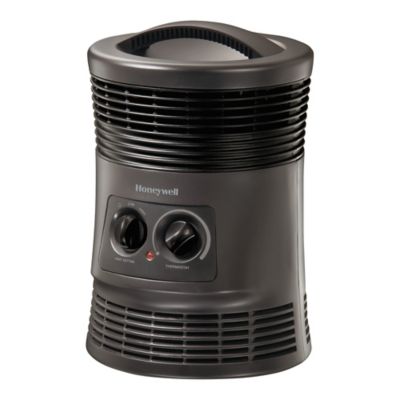
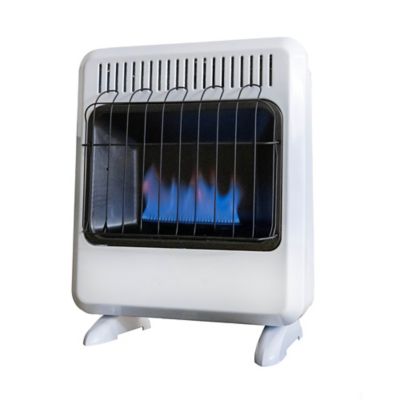
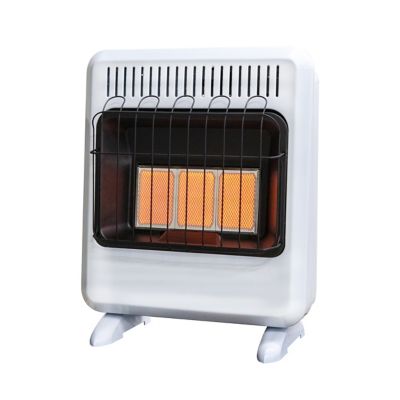
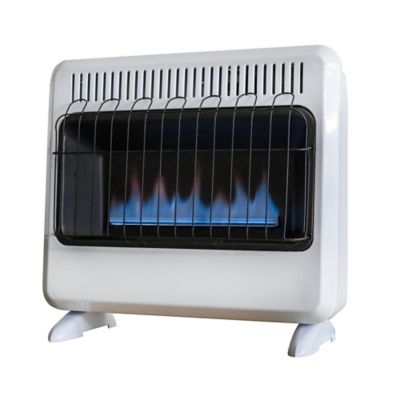
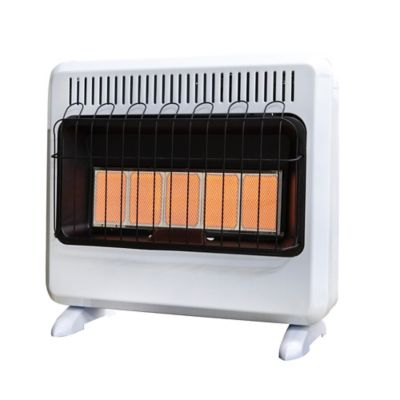
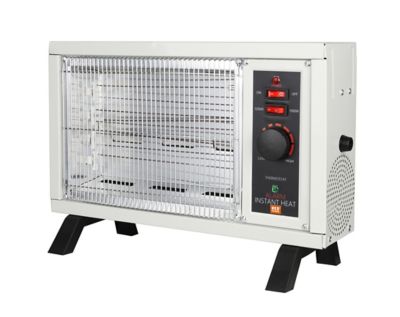
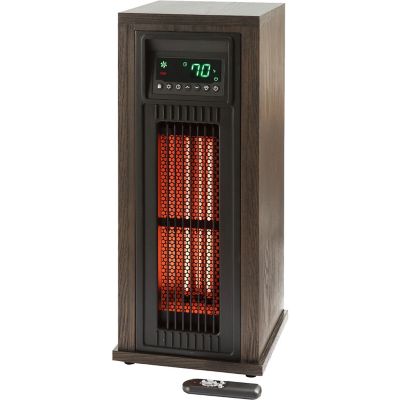
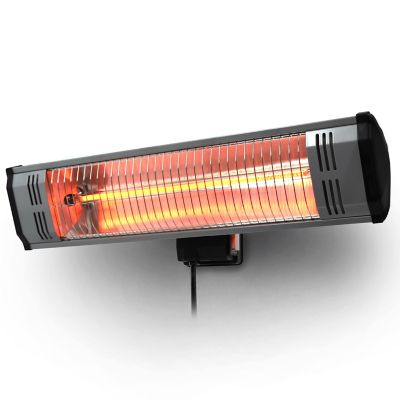
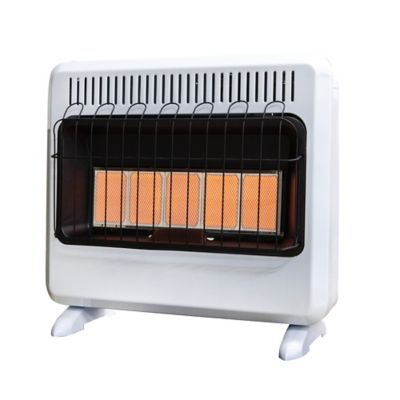
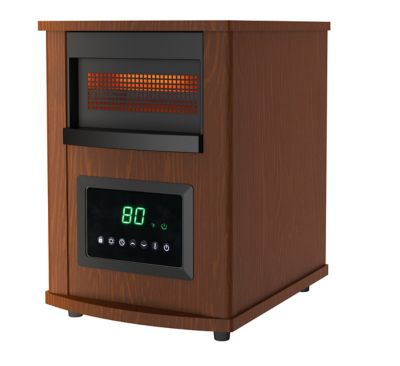
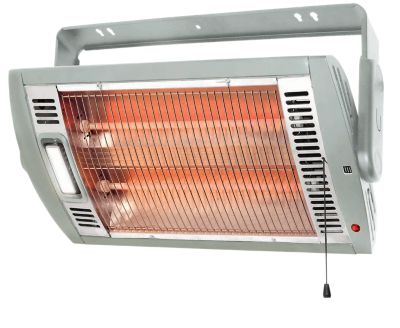
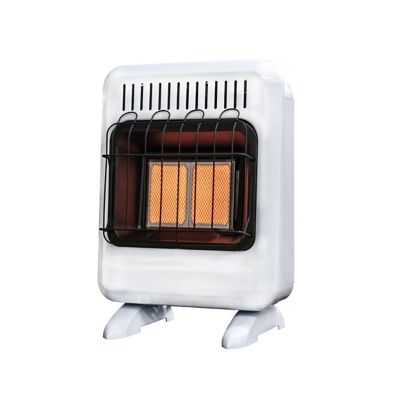
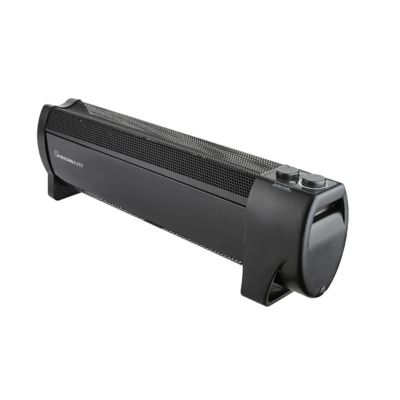
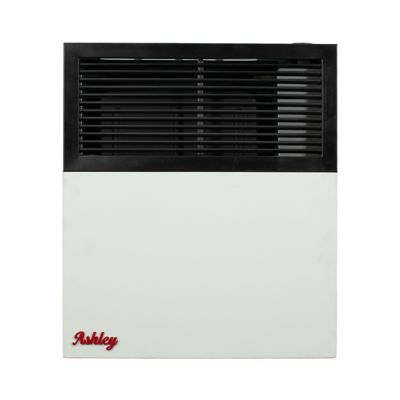
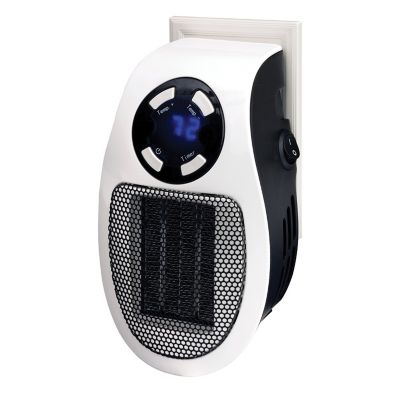
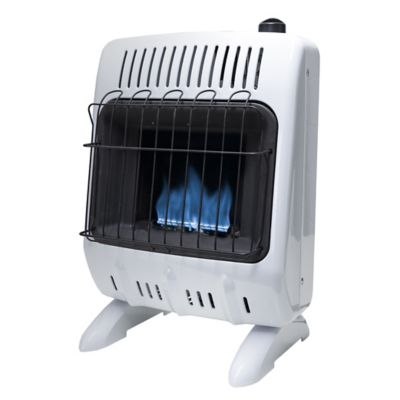
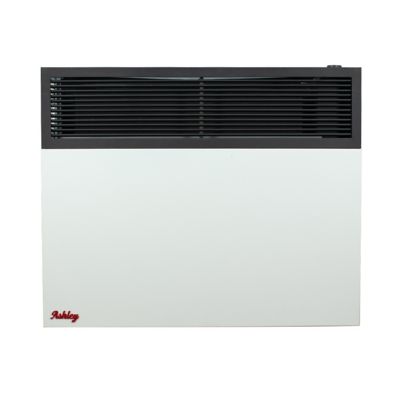
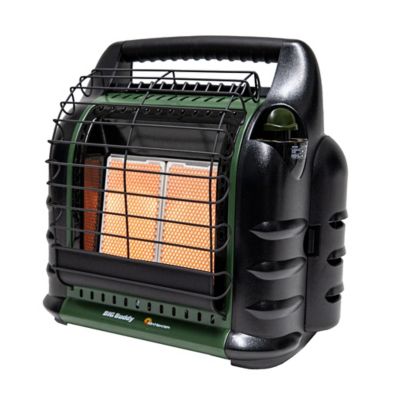
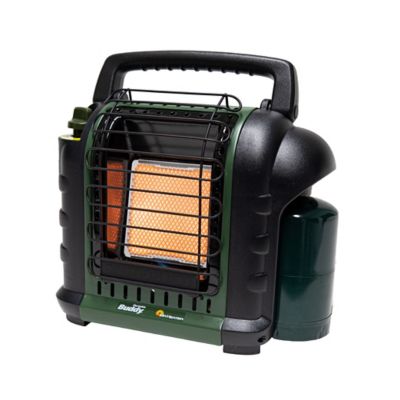
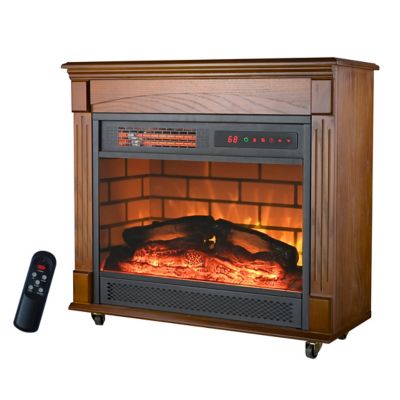
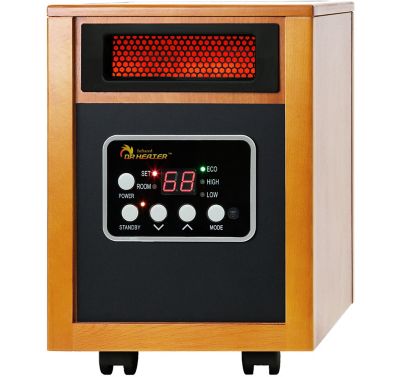
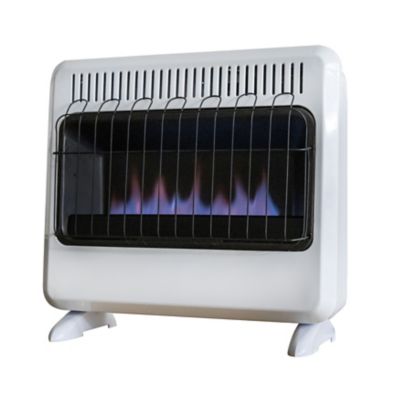
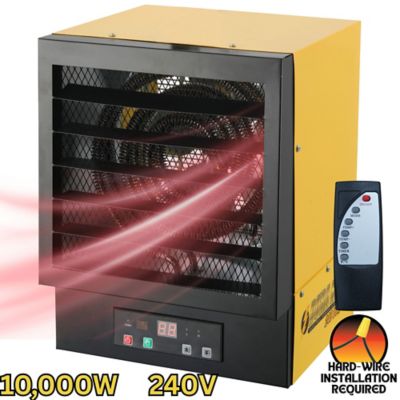
Indoor wall heaters are a practical way to add steady warmth without giving up valuable floor space. They work well in rooms where a portable heater would be in the way, such as a mudroom crowded with boots, a workshop with tools along the walls, a small bathroom, a bedroom, or a finished outbuilding used as an office. Wall-mounted and in-wall styles can provide targeted heat for one area instead of warming the whole house, which may be helpful when temperatures dip during the cooler months and you want a little extra comfort in the spaces you use most. Some models use fan-forced convection, pulling in cooler room air, warming it over an electric heating element and sending heated air back into the room. Others use infrared or radiant heat, warming nearby people and surfaces directly rather than relying on moving air. You’ll also find surface-mounted plug-in heaters that attach to the wall with a bracket, along with flush-mounted units designed to sit inside a wall cavity. Electric models commonly use a standard 120-volt outlet, while larger units may require a 240-volt dedicated circuit. If your home already uses gas heat, you may also want to compare options such as
Natural Gas Wall Heaters when planning supplemental or room-by-room warmth.
Before choosing an indoor wall heater, start with the room’s square footage, ceiling height, insulation and draftiness. A well-insulated bedroom may warm comfortably with less power than a chilly workshop with an uninsulated exterior wall and a wide door that opens often. As a general reference, a 1,500-watt electric heater is often suited to roughly 150 to 200 square feet, though actual coverage depends on the room and the manufacturer’s specifications. Larger spaces may need more than one heater or a higher-capacity installation, and the heater should not be expected to replace a whole-home heating system unless it is specifically designed and sized for that purpose. Think about how the room is used, too. A quiet radiant panel can be a comfortable choice for a bedroom or reading nook, while a fan-forced unit may distribute warmth more quickly in a hallway, laundry room or work area. Built-in mechanical thermostats keep operation simple, while digital controls, remote controls, timers and Wi-Fi features make it easier to adjust heat from across the room or set a schedule. Smart controls can be handy for a detached office or guest space, letting you warm the room before settling in for the evening. For a rental, craft room or seasonal cabin, a plug-in wall-mounted model may offer a simpler setup than a hardwired unit. Hardwired in-wall heaters can create a clean, permanent appearance, but installation may involve cutting into the wall and connecting to household wiring, so electrical work should be handled by a qualified professional.
Safe placement and dependable operation matter just as much as heating capacity. Follow the manufacturer’s instructions for clearance from curtains, bedding, furniture, towels, shelves and other items that can block airflow or catch heat. Keep the front grille clear, avoid covering the heater and do not place cords where they can be pinched, walked on or exposed to moisture. Features such as automatic overheat protection, timer shutoffs, thermal cutoffs and cool-touch outer grilles can provide an added layer of reassurance, especially in busy homes, farm offices and guest rooms. Even with these features, wall heaters need regular attention: dust the grille when the unit is cool, check that air can move freely and look over cords, plugs and wall mounts for wear. Bathroom use requires extra care because water and electricity do not mix; only choose a heater approved for that environment and have it installed according to local electrical requirements. Indoor wall heaters can also make thoughtful gifts for someone finishing a basement, setting up a hunting cabin, outfitting a tack room or adding comfort to a chilly home office. They are especially useful for folks who want warmth near a desk, workbench or favorite chair without a bulky appliance taking up the floor. Whether you are making a small room more comfortable, adding a warm spot to an older home or preparing a workspace for cooler weather, compare heating method, wattage, voltage, controls, installation needs and safety features so the heater fits both the room and the way you live in it.