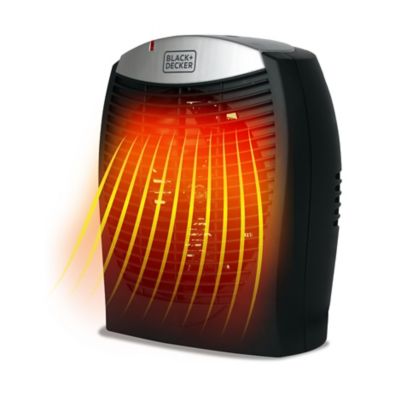
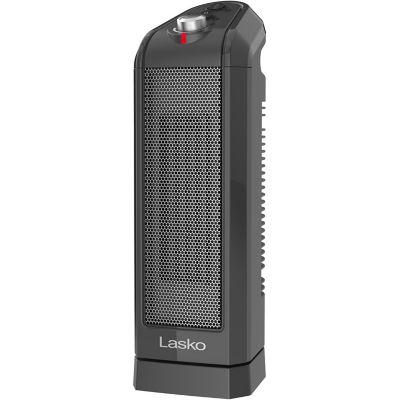
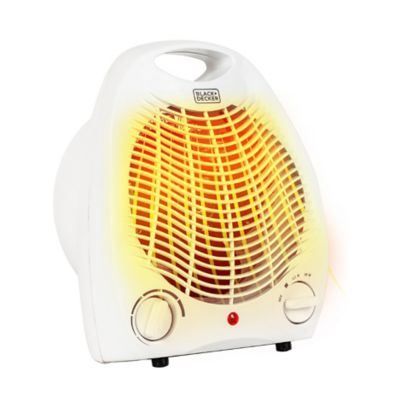
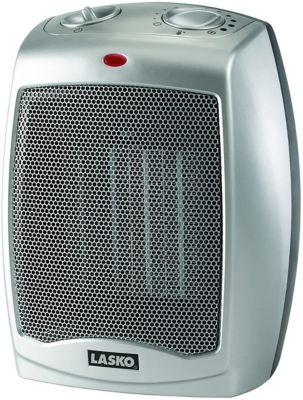
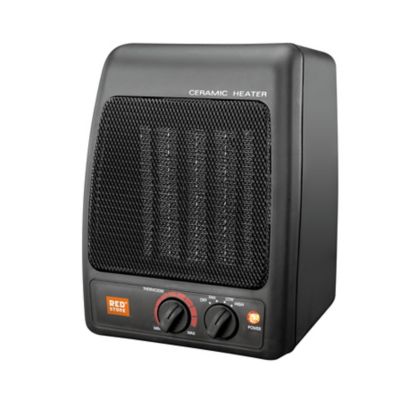
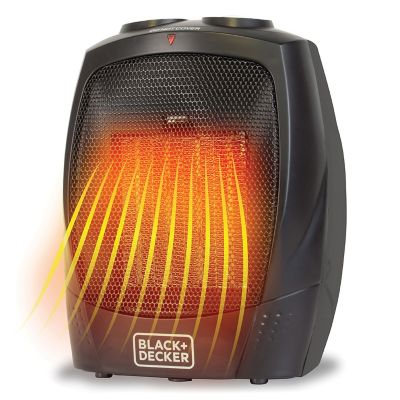
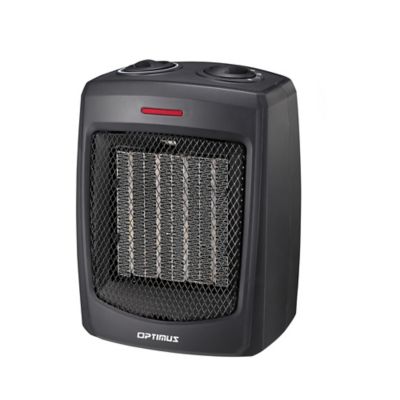
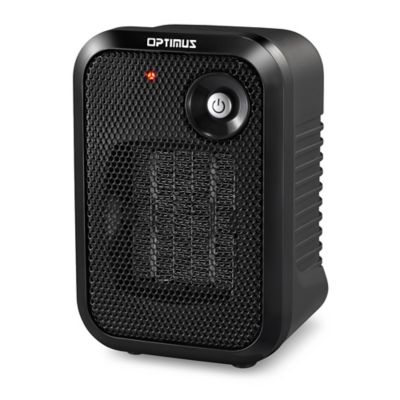
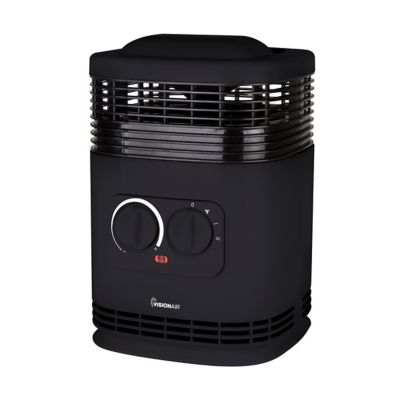
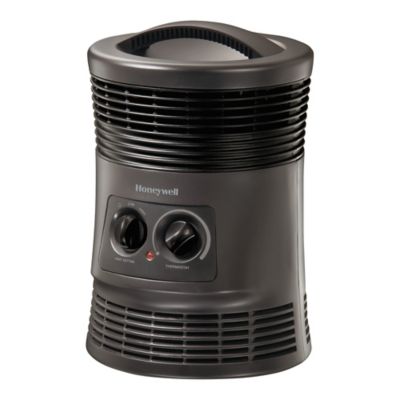
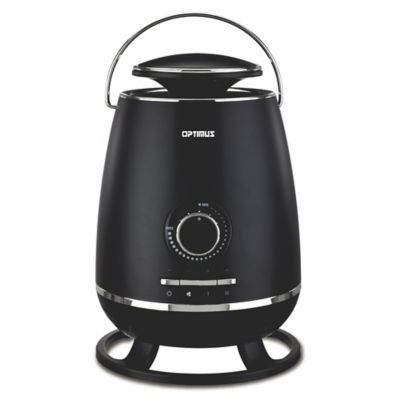
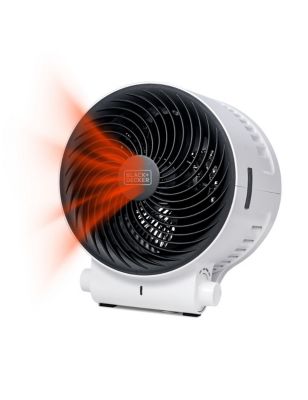
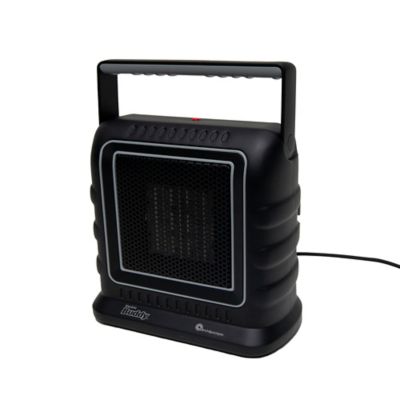
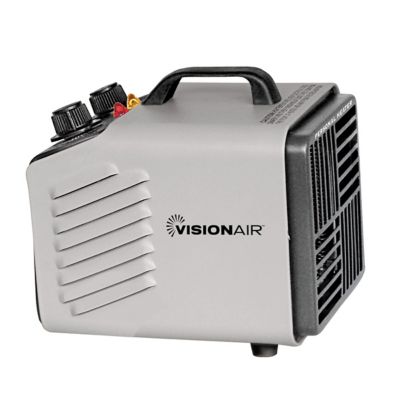
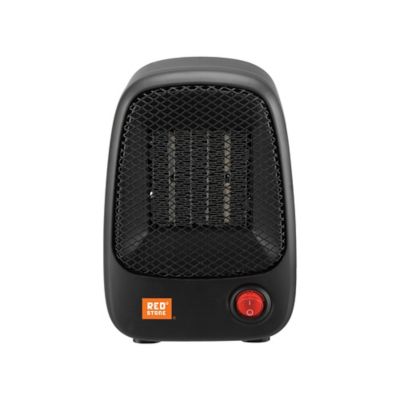
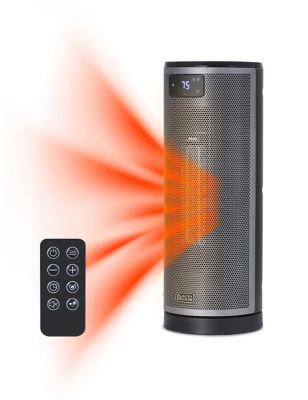
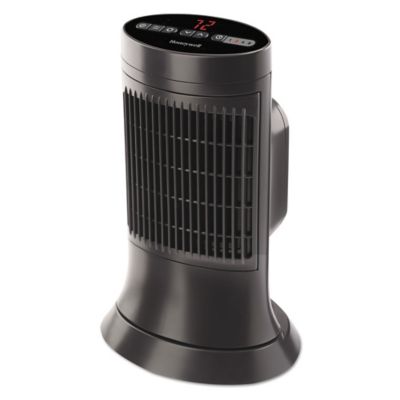
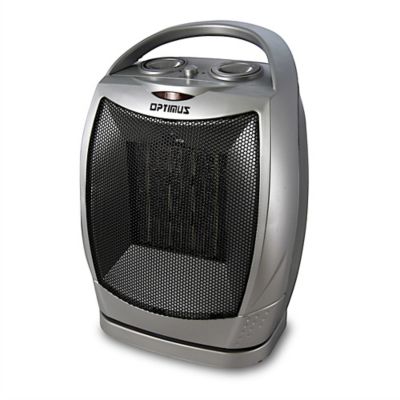
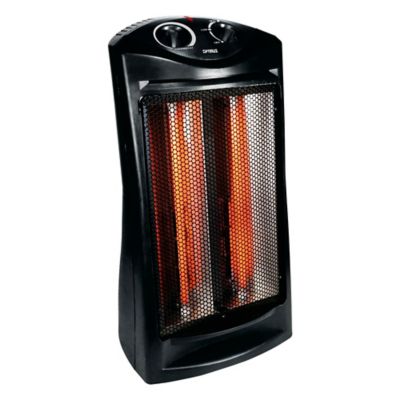
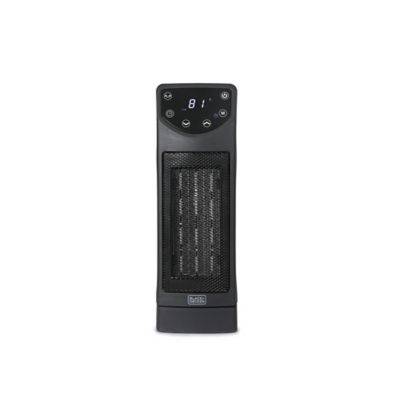
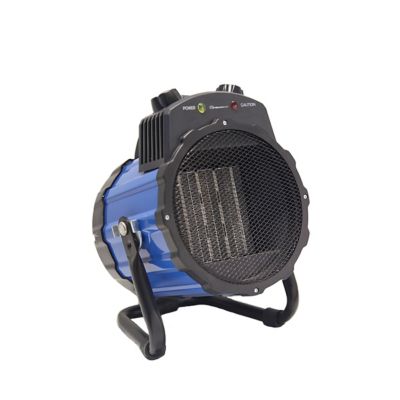
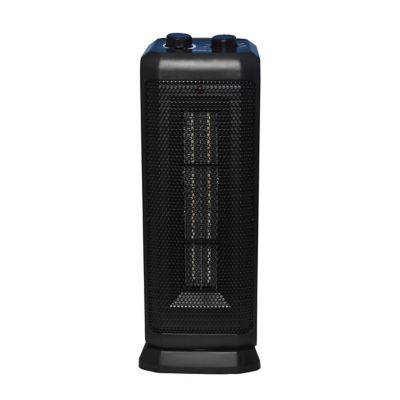
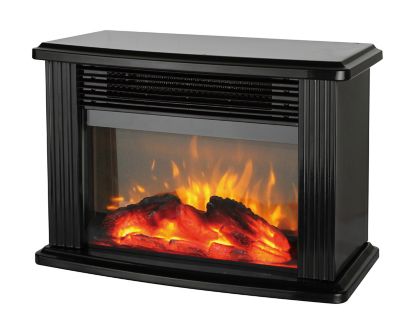
A small electric heater brings extra warmth to the spot where you spend time, whether that’s a home office off the kitchen, a reading chair near a chilly window, or a small room that never quite catches up with the rest of the house. During the cooler months, that little bit of supplemental heat can make settling in after morning chores a whole lot more comfortable. These compact appliances turn electricity into heat without burning fuel at the point of use, and their smaller footprints make them practical for rooms where floor space matters. Personal electric heaters often draw around 200 to 500 watts and provide warmth close by, while small room heaters commonly offer settings from about 750 to 1,500 watts. Those numbers describe electrical input, not a promise that every heater will warm the same amount of space. Room size, ceiling height, insulation, drafts, and outdoor temperatures all affect the result. Some small room heaters carry coverage ratings around 150 to 250 square feet, but the manufacturer’s stated coverage and operating conditions are the better reference for a particular model. A compact heater is generally meant to supplement a home’s main heating system, not take its place or keep an entire open farmhouse warm. Lower-wattage designs can suit close-range comfort, while higher-output designs may be a better match for taking the chill off an enclosed room. Physical size alone doesn’t tell the whole story: a short, compact heater can draw as much electricity as a taller one. The broader range of
Space Heaters includes different shapes and heating styles for different spaces, with compact electric designs fitting situations where portability and a modest footprint matter. For someone sorting seed orders at a desk or catching up on paperwork after feeding livestock, the right fit starts with the area that needs warmth and the conditions around it, rather than simply choosing the smallest housing.
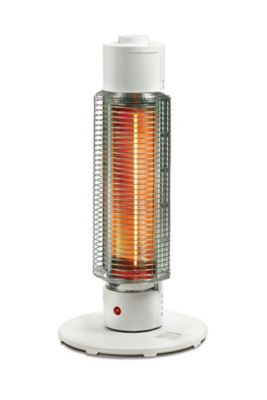
Heating style makes a noticeable difference in how a small electric heater feels throughout the day. Ceramic fan heaters move room air across a heated ceramic element, delivering a stream of warm air that can take the edge off a cool spot fairly quickly. Radiant heaters send heat toward nearby people and surfaces, so their warmth tends to feel more direct within their line of sight. Convection heaters circulate warmth through the room, and oil-filled electric radiators warm sealed fluid inside metal sections to release heat steadily. That fluid stays inside the appliance and does not serve as a fuel that needs refilling. Radiator-style designs may take longer to feel warm and can occupy more floor space than a personal fan heater, but models without fans avoid the steady sound of moving air. For a quiet office or a room where conversation and television compete with background noise, fan sound can matter as much as handle placement or overall height. An adjustable thermostat helps manage room temperature, while multiple heat settings let you select a lower or higher output within the heater’s operating range. Oscillation, where included, sweeps warm airflow across a wider area instead of pointing it in one direction. Controls should be easy to read and reach without leaning over a hot grille, and a carrying handle should provide a secure grip once the heater has cooled. Housings may combine heat-resistant plastic, metal panels, and protective grilles, with construction varying by heating style. A broad, stable base, firmly seated controls, and a well-protected cord entry are useful signs of a design suited to regular handling. Outer surfaces can still become hot, even when the housing looks smooth and simple. A heater’s fit also includes the space around it: a narrow body is only helpful if the room allows all required clearances. Tabletop placement is appropriate only when the manufacturer permits it, on a stable surface with nothing nearby that could fall against the heater or block its airflow.
Everyday placement and care matter just as much as wattage when a small electric heater becomes part of the household routine. Keep portable heaters at least three feet from bedding, curtains, furniture, clothing, paper, and other things that can burn, and follow any greater clearance listed by the manufacturer. That means leaving room between the heater and the quilt beside a favorite chair, rather than tucking it into the gap for extra warmth. Set it on a firm, level surface out of foot traffic, away from curious pets and children, and never treat it as a place to dry gloves, socks, or chore clothes. Tip-over shutoff and overheat protection add safeguards, but they do not replace safe placement or supervision. Plug a portable electric heater directly into a suitable wall outlet, not an extension cord or power strip, and keep the cord out from under rugs and away from doorways where it could be pinched. Higher-wattage heaters draw substantial current, so other appliances on the same circuit can cause an overload. Stop operating the heater if the plug, cord, or outlet becomes hot, shows damage, or develops discoloration, and have the problem checked before turning it on again. Turn the heater off before leaving the room or going to sleep; a thermostat or timer does not make unattended operation safe. Ordinary indoor heaters are not a match for damp wash areas, dusty feed rooms, livestock bedding, or spaces containing gasoline and other flammable vapors. Bathrooms, workshops, and similar locations require equipment specifically rated for their conditions. For routine care, disconnect the power and let the appliance cool before cleaning according to its manual. Keeping intake openings and grilles clear of lint and pet hair helps maintain airflow, while inspection before each heating season can reveal cord damage or loose parts. Store the cooled heater somewhere dry, with its cord protected from crushing. With those practical details in place, a small electric heater can provide welcome supplemental warmth without getting in the way of daily life.