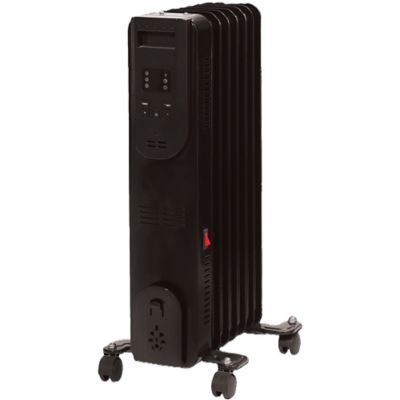
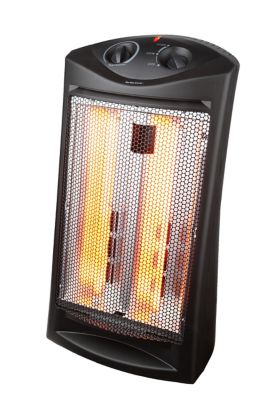
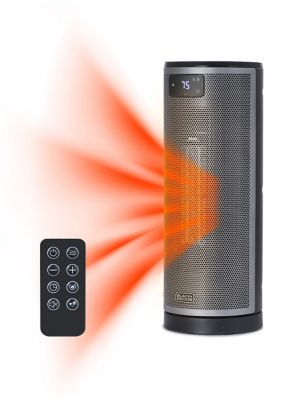
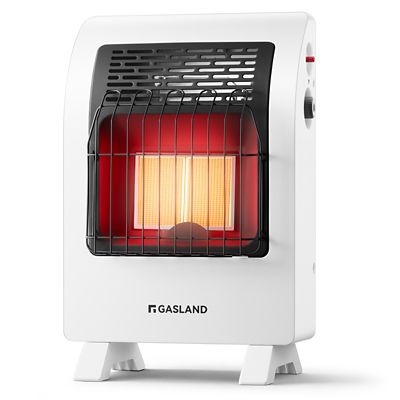
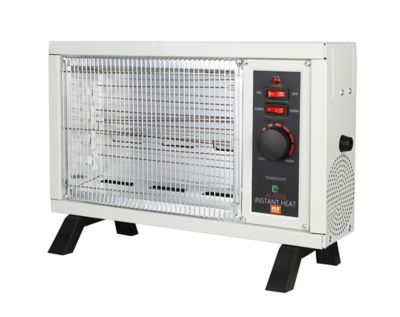
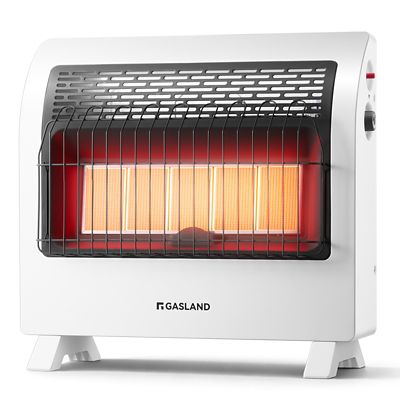
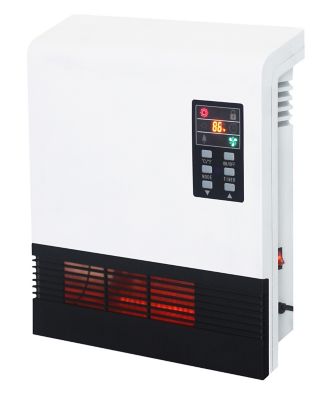
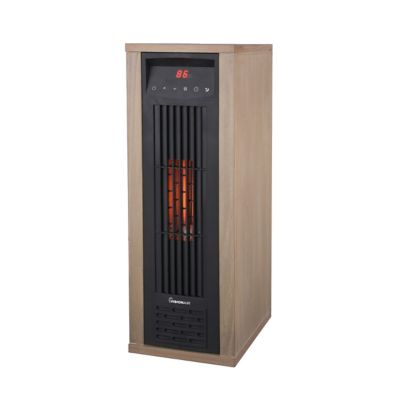
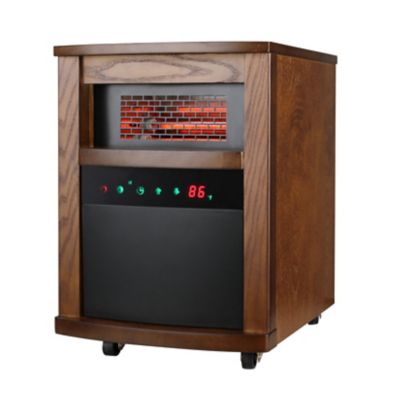
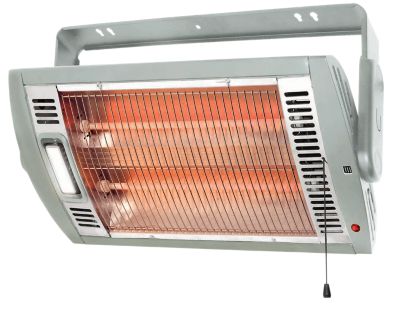
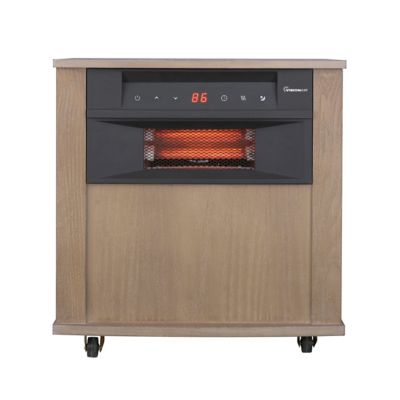
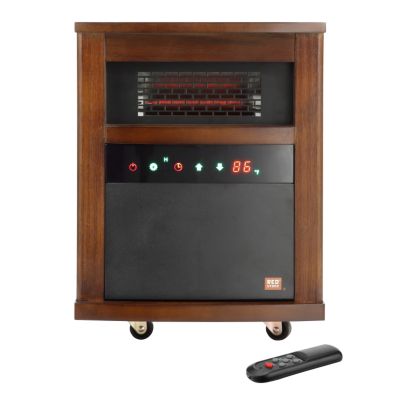
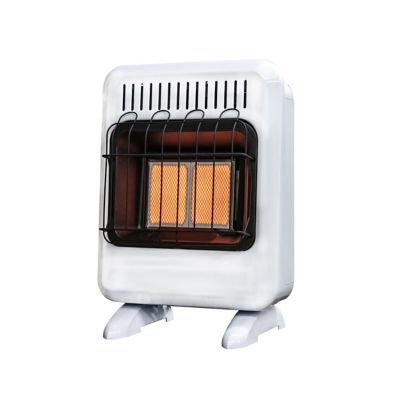
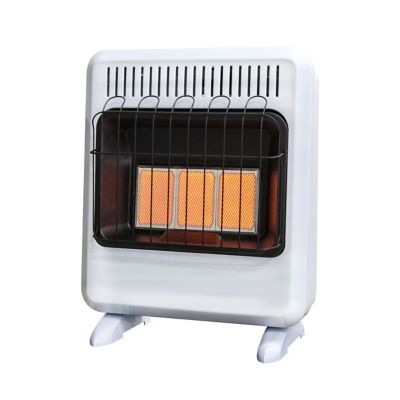
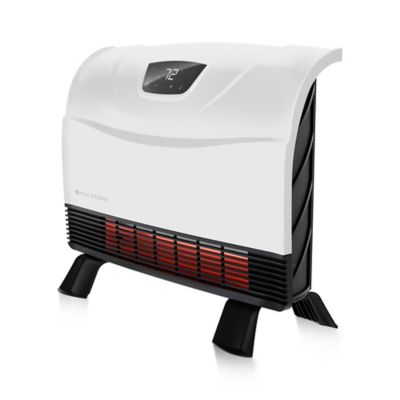
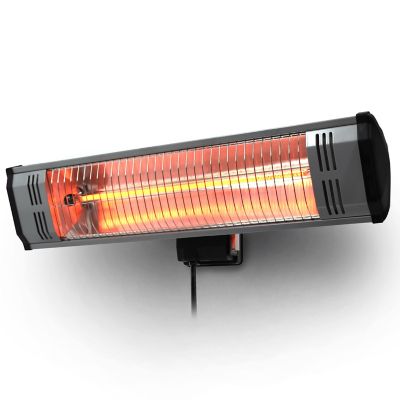
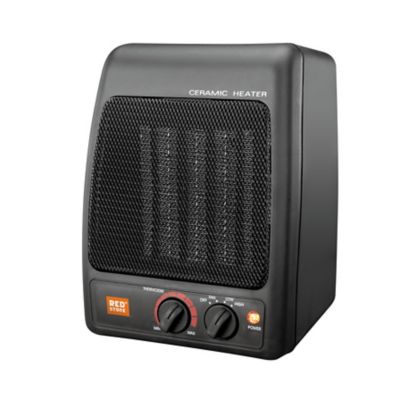
Indoor space heaters add warmth where daily life happens, from a chilly home office to the sitting room in a drafty farmhouse. These supplemental heaters warm a particular room or occupied area rather than replacing a whole-home heating system. Common types include ceramic heaters, convection heaters, infrared heaters and oil-filled radiators, each with a different way of delivering heat. Ceramic heaters typically pair a ceramic heating element with a fan to move warm air into the room. Convection heaters warm surrounding air, which rises and circulates naturally or with help from a fan, depending on the design. Infrared heaters deliver radiant warmth to people and objects in their path, making placement especially important. Oil-filled electric radiators heat oil sealed inside metal columns, providing gentle warmth without a fan and continuing to release stored heat after the heating element cycles off. The oil serves as a heat-transfer medium, not a fuel that burns or needs routine refilling. For someone settling into a reading chair or working at a desk, focused warmth may matter more than heating every corner. A shared living area may call for broader air circulation and a thermostat that maintains a steady setting. With
indoor electric heaters, room size is only part of the fit: ceiling height, insulation, drafts and open doorways also affect how comfortable a space feels. An enclosed den holds heat differently than a room opening onto a hallway and staircase. Wattage describes electrical input, while any stated room coverage depends on the conditions behind that rating. Many portable electric heaters have a maximum setting around 1,500 watts, so a taller cabinet does not automatically mean greater heating output. Heating style, placement and controls help determine whether the warmth suits the space. A heater beside a home-office work area, for instance, needs to fit safely without crowding chair movement, papers or the path to the door.
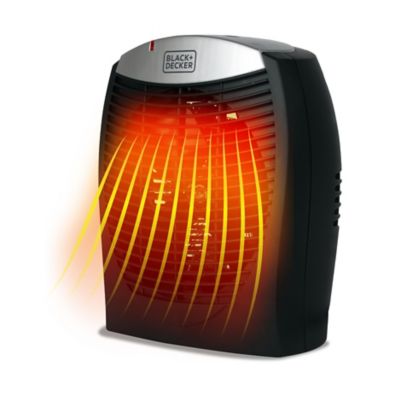
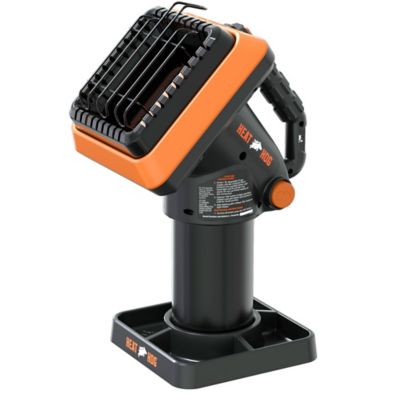
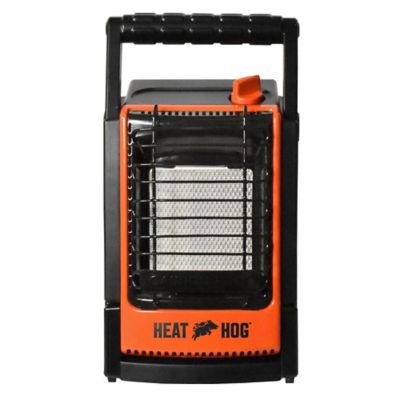
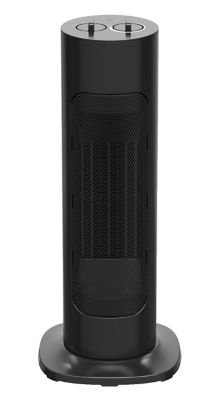
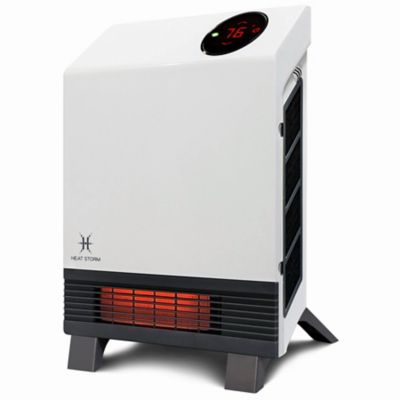
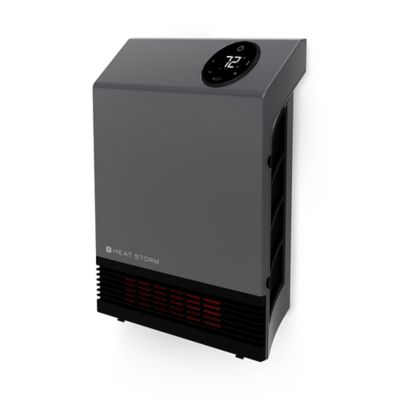
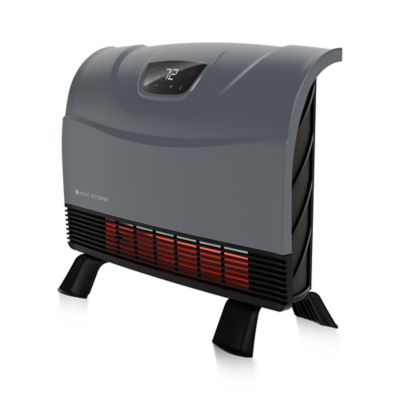
The shape and construction of an indoor space heater affect how it fits into a busy household. Compact housings take up less floor space, while tower designs offer a narrow footprint and may include oscillation to distribute warm airflow across a wider area. Low-profile convection designs need enough open wall and floor space to maintain the clearances specified by the manufacturer. Radiator-style heaters often have metal fins or columns, a broad base and wheels for moving between suitable locations once the unit has cooled. Some fan heaters combine metal grilles with molded outer housings, while radiant designs may have metal guards in front of their heating elements. Exterior materials alone do not establish how hot a heater feels to the touch; grilles, outlets and metal surfaces can become hot during operation. A sturdy base, secure handle and well-protected controls matter when a heater moves between a spare room and a den. Weight matters, too, especially when carrying it upstairs rather than rolling it across a level floor. For a quiet reading spot or a room where someone takes phone calls, a fanless design avoids fan noise, though thermostats and heating components may still make occasional sounds. Fan-forced models trade that quieter operation for moving warm air more directly. Adjustable thermostats, multiple heat settings and oscillation offer different ways to manage comfort without repeatedly moving the heater. A remote control can make adjustments easier from a chair, and a clear display helps make settings readable across a room. Simple knobs may suit someone who prefers straightforward operation. Timers can limit a heating session, but they do not make unattended operation safe. For households with children or pets, tip-over shutoff and overheat protection are important features to look for, alongside placement that keeps curious hands, wagging tails and foot traffic away from hot surfaces. Those safeguards add protection; they do not replace supervision or proper clearance.
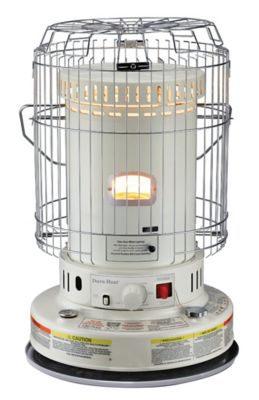
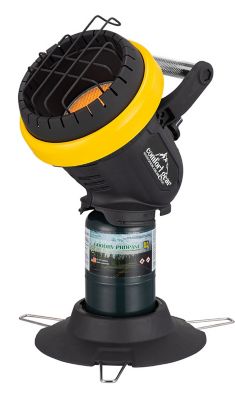
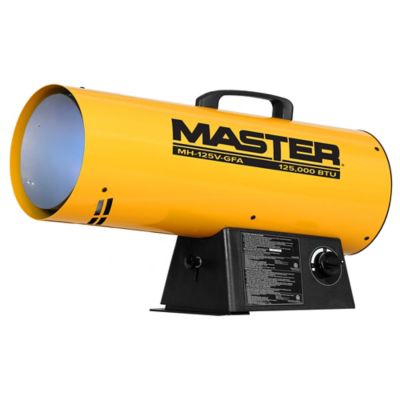
Safe placement and routine care belong with every indoor space heater, whether it warms a home office through a cold snap or takes the edge off a chilly sitting room. Portable heaters need a hard, level, nonflammable surface and at least 3 feet of separation from curtains, bedding, furniture, clothing, paper and other combustible materials, with any greater manufacturer-required clearance taking priority. Thick rugs, soft furnishings and crowded corners are not suitable resting places. A heater should never serve as a drying rack for wet gloves, work socks or a coat brought in from chores, and its air intake and outlet must stay uncovered. Portable electric heaters should plug directly into a compatible wall outlet, not an extension cord, power strip or plug-in adapter. Their electrical rating must match the outlet and circuit, and sharing that circuit with another high-draw appliance can cause an overload. A loose-fitting plug, damaged cord, scorch marks or an unusually hot outlet calls for stopping operation and having the problem checked before the heater runs again. Cords belong out of walkways, uncovered and clear of doors or furniture that could pinch them. Turn the heater off and unplug it before leaving the room or going to sleep; a thermostat, timer or automatic shutoff does not change that rule. Bathrooms, laundry areas and other damp locations require particular caution, and only heaters specifically approved for the location belong there under the manufacturer's placement requirements. Electric models produce heat without burning fuel, but fuel-burning heaters have different ventilation and carbon monoxide precautions and must be expressly approved for indoor operation. For routine cleaning, disconnect the heater and let it cool completely before removing surface dust according to its care instructions. Keeping intake grilles and vents clear helps preserve airflow, especially in homes with pet hair. Water, cleaning sprays and improvised repairs do not belong inside the housing. Before storage, check the cord, plug, base and guards, then keep the cooled heater dry and protected from dust without tightly bending the cord. These habits help keep supplemental warmth a practical part of everyday comfort.