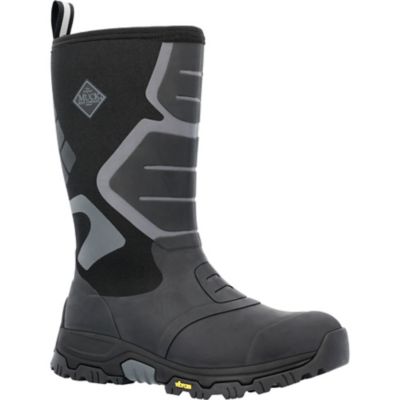
Hiking Boots For Rocky Terrain
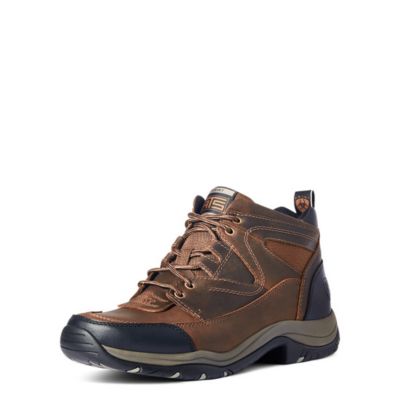
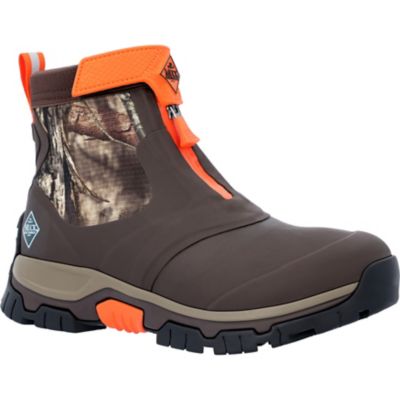
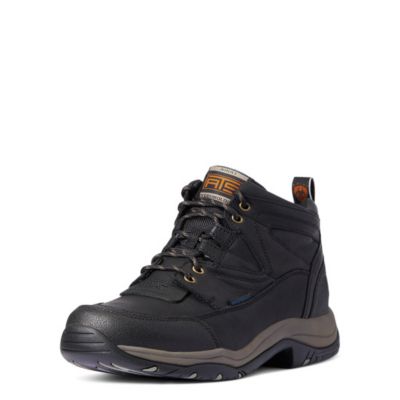
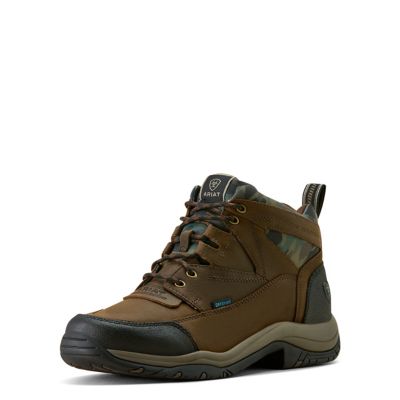
Hiking boots for rocky terrain are built to keep you moving strong, even when the trail gets tough. Whether you're trekking up steep hillsides or picking your way across uneven ground, the right boots make all the difference. Find sturdy options that help you tackle rugged paths with confidence—perfect for folks who love to get out and explore the wild side of the outdoors.
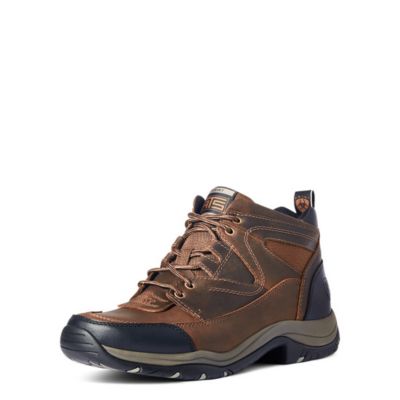
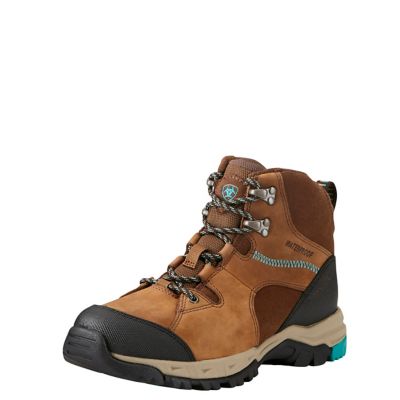
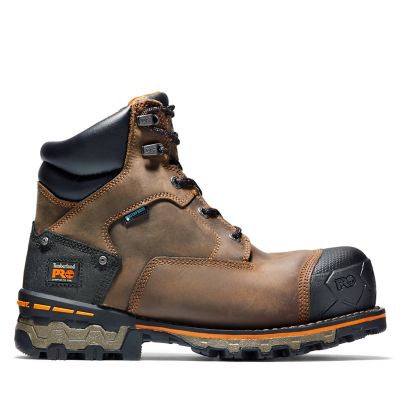

$123
.99
Sale Was $154.99 Save $31.00 (20%)
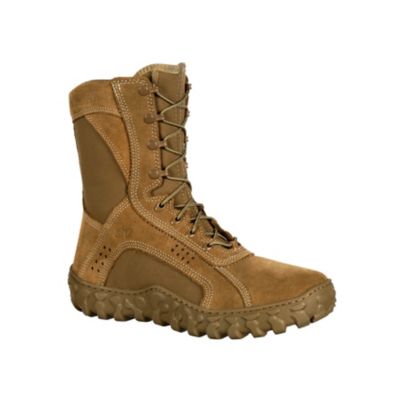
$239
.99
Sale Was $299.99 Save $60.00 (20%)
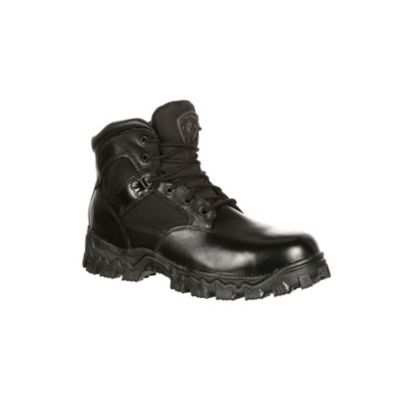
$119
.99
Sale Was $149.99 Save $30.00 (20%)
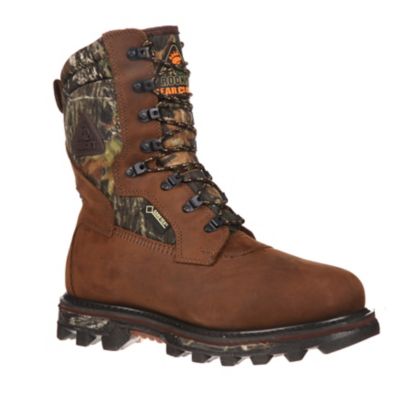
$199
.99
Sale Was $249.99 Save $50.00 (20%)
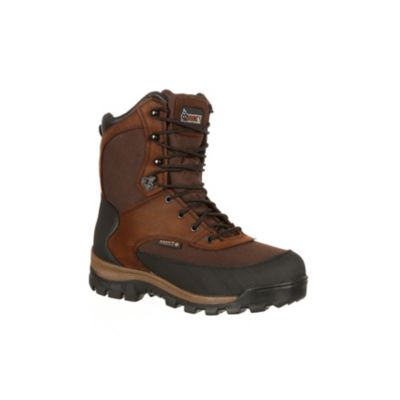
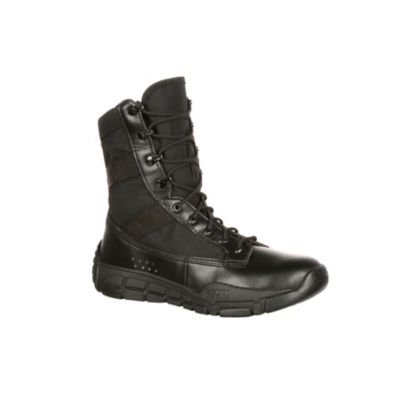
$106
.39
Sale Was $132.99 Save $26.60 (20%)
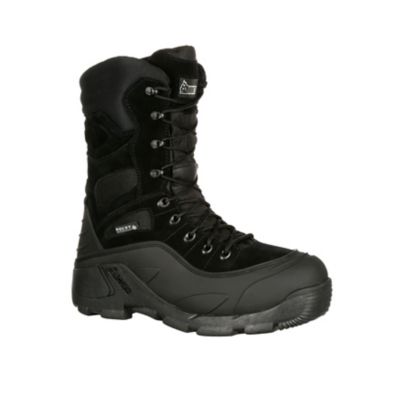
$115
.99
Sale Was $144.99 Save $29.00 (20%)
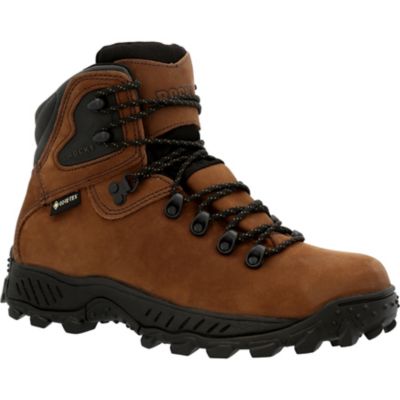
$127
.99
Sale Was $159.99 Save $32.00 (20%)
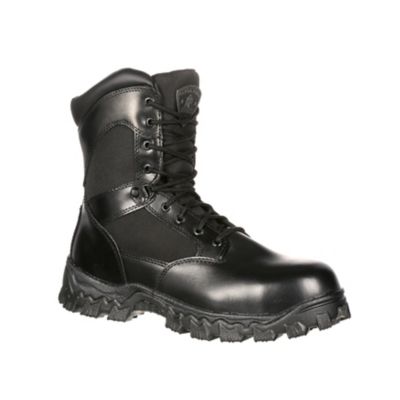
$123
.99
Sale Was $154.99 Save $31.00 (20%)
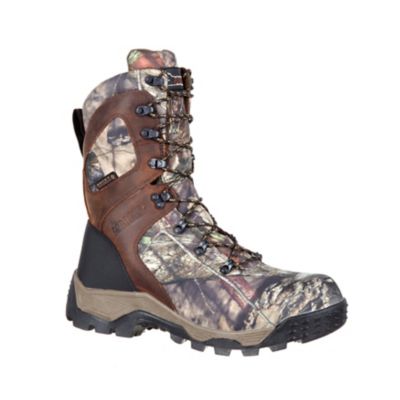
$139
.99
Sale Was $174.99 Save $35.00 (20%)
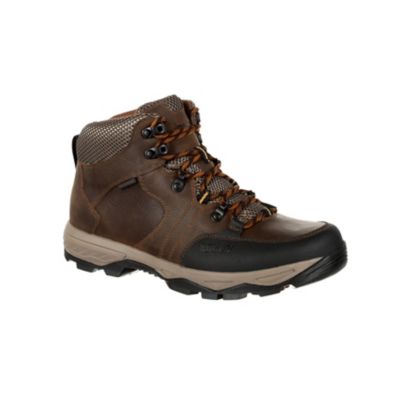
$111
.99
Sale Was $139.99 Save $28.00 (20%)
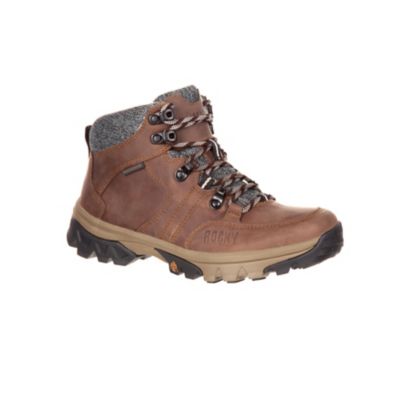
$111
.99
Sale Was $139.99 Save $28.00 (20%)
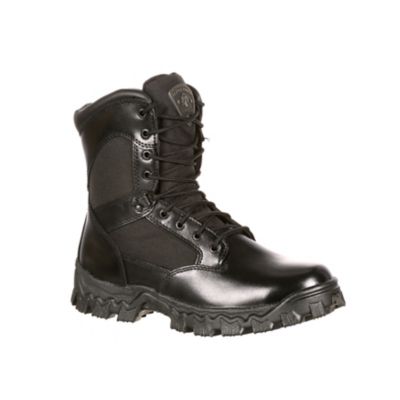
$123
.99
Sale Was $154.99 Save $31.00 (20%)
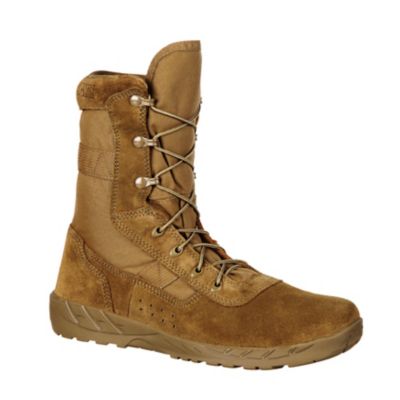
$135
.99
Sale Was $169.99 Save $34.00 (20%)
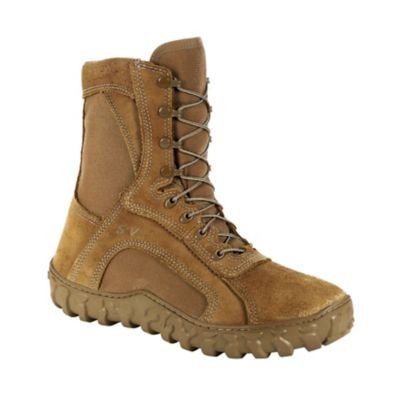
$299
.99
Sale Was $374.99 Save $75.00 (20%)
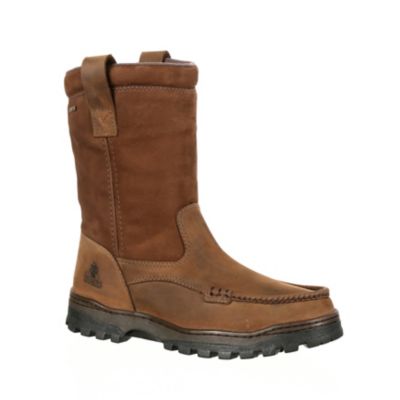
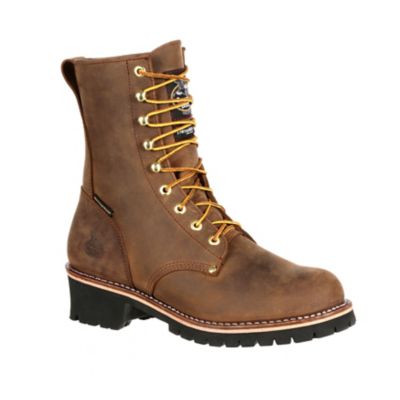
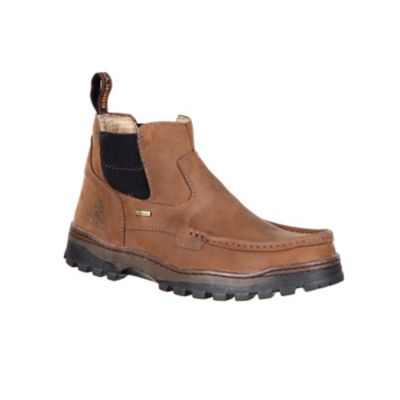
$115
.99
Sale Was $144.99 Save $29.00 (20%)
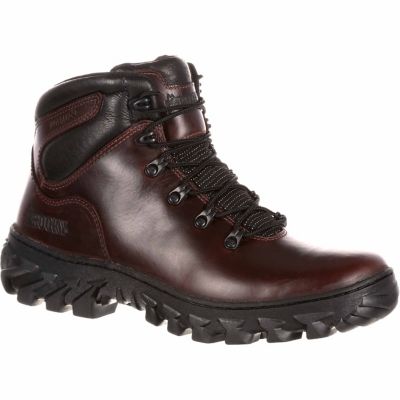
$107
.99
Sale Was $134.99 Save $27.00 (20%)
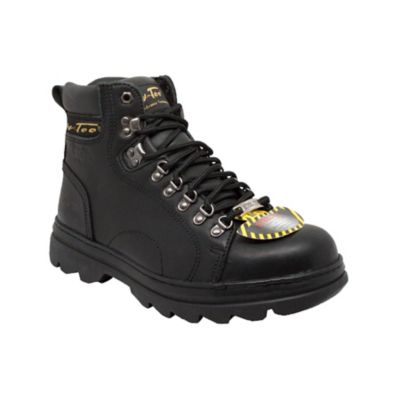
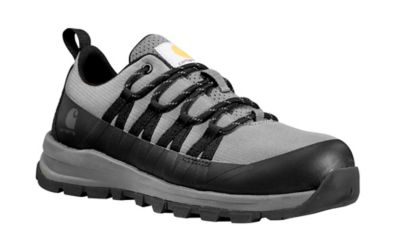
$68
.99
Sale Was $89.99 Save $21.00 (23%)
Hiking Boots For Rocky Terrain
Best Sellers
-
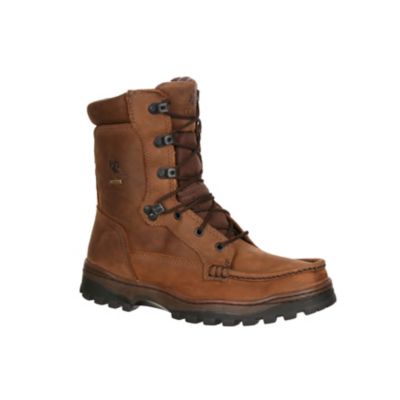
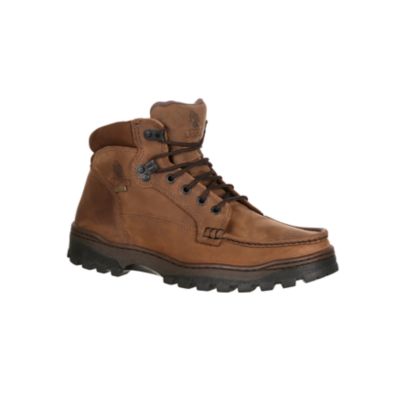
"Love the Rocky Outback boots. Comfortable and warm and waterproof"
-
"Love love love!!!!!! Fit is perfect!! Inside is soft"
-
"The leather is very soft, so the durability for a long distance work boot may not be the best"
-
"They love them, find them very comfortable and supportive"
-
"Best pair of muck style boots I have owned. I have worn them a lot and love them"