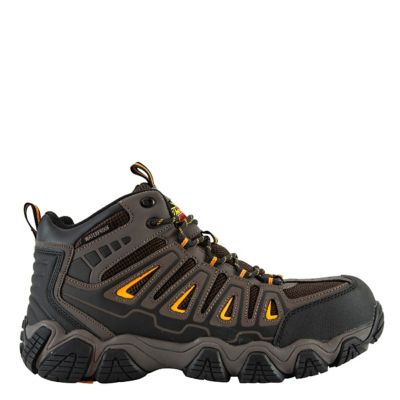
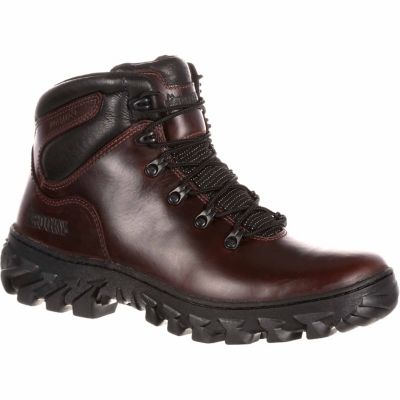
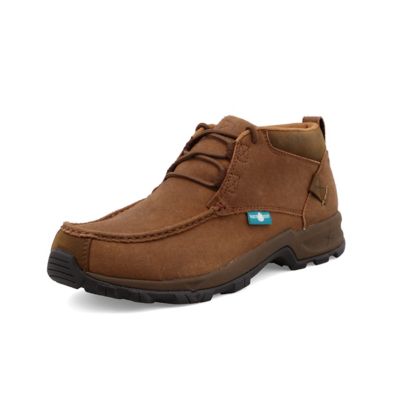
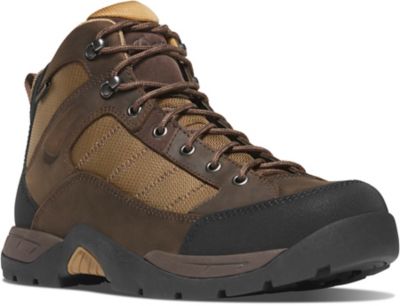
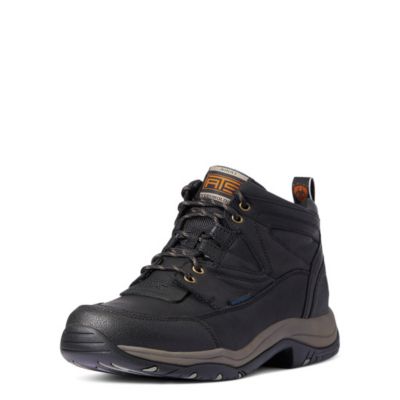
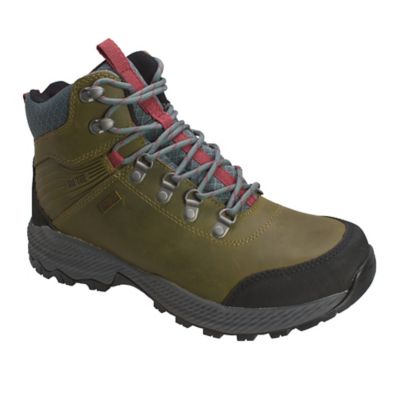
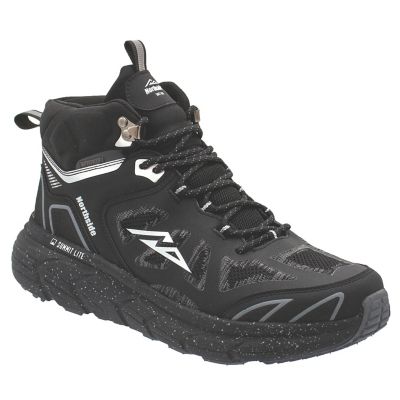
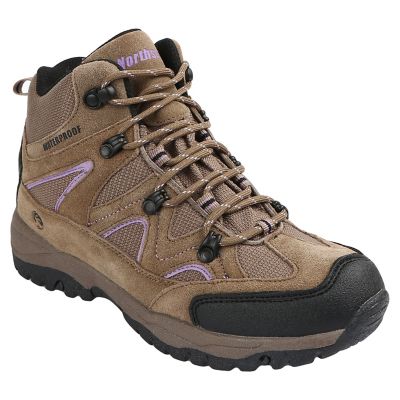
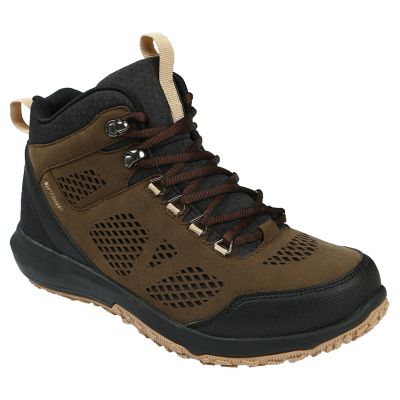
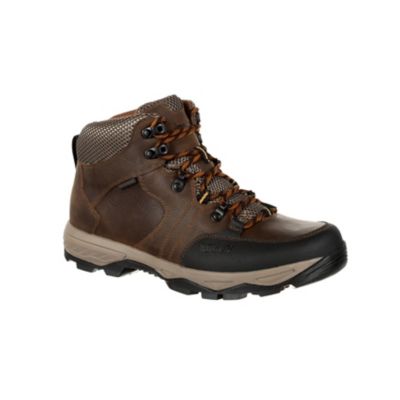
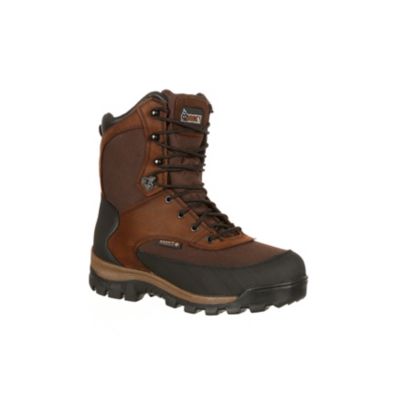
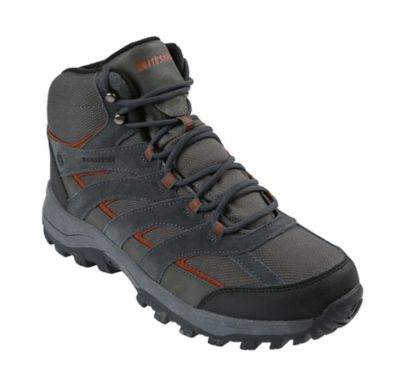
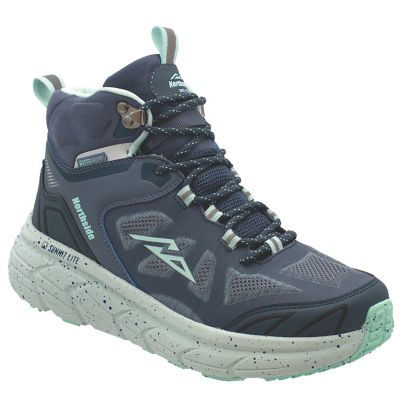
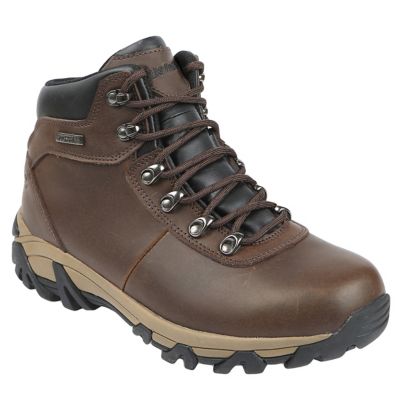
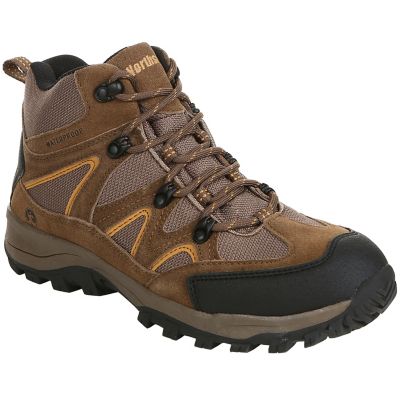
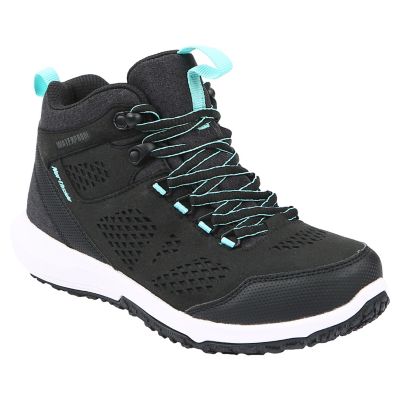
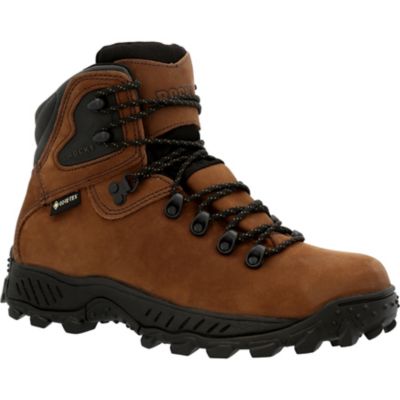
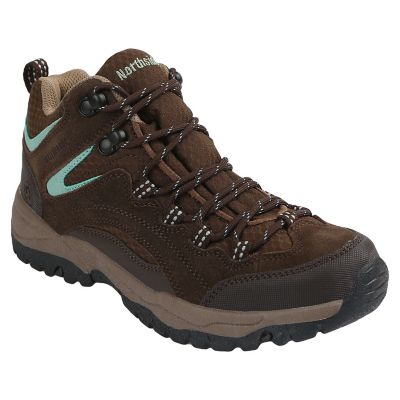
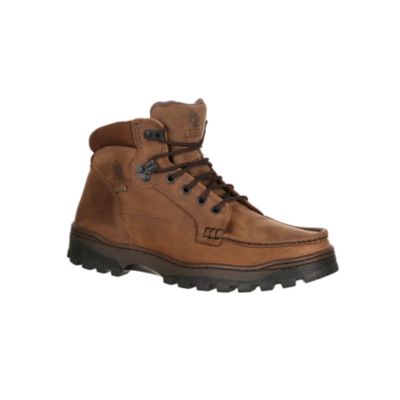
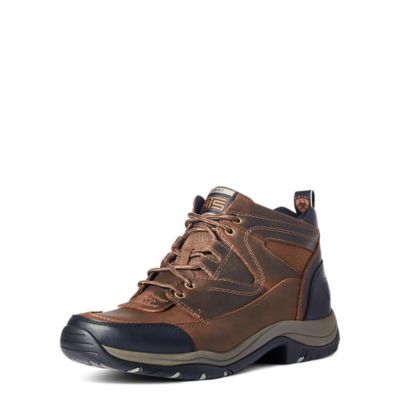
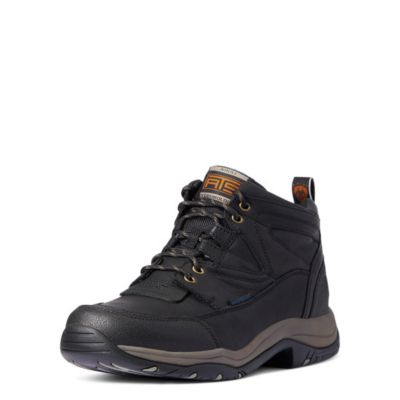
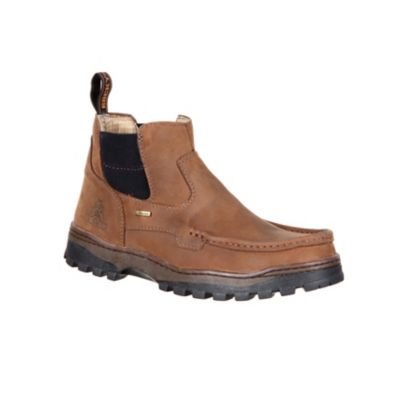
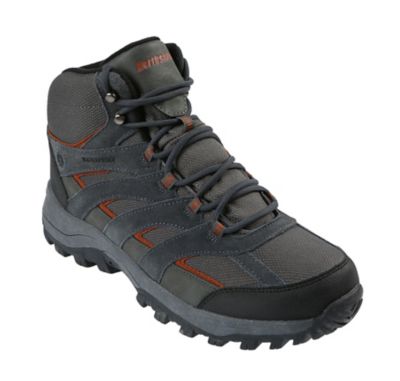
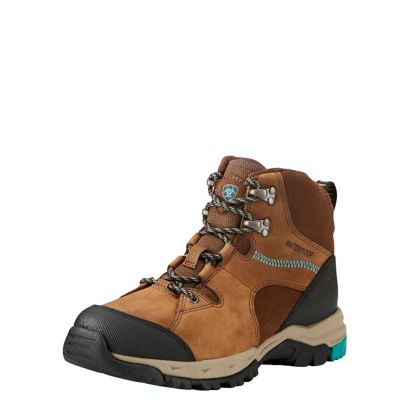
Hiking boots for rugged terrain put traction, underfoot support, and protection between your feet and the rough ground ahead. A trail scattered with loose shale asks something different of a boot than a smooth path around a pond. Deep rubber lugs help bite into loose dirt, while space between the lugs gives packed soil a way to clear out. On exposed rock, the rubber compound and the amount of tread touching the surface matter along with lug depth; a tall tread pattern alone does not guarantee grip. A defined heel edge can help with braking on descents, and tread that reaches toward the sides can add purchase when a trail cuts across a slope. Underneath the foot, a supportive midsole helps spread pressure from stones and roots instead of letting every sharp edge press through. Firmer cushioning, an internal shank, or a protective plate can make a difference on rocky miles, especially with a loaded pack. More stiffness is not always better, though. A short day hike usually calls for less structure than a long route with camping gear, and a boot still needs enough flex for a comfortable stride. Reinforced toe areas and rubber around the lower upper help take the scrapes that come with stepping through broken rock or brushing against roots. That reinforcement protects the footwear and adds a buffer against bumps; it is not the same as a safety toe. Mid-height and taller collars offer more coverage around the ankle, but collar height alone cannot prevent an ankle roll. A secure heel, an appropriate sole platform, and careful footing all matter on uneven ground. For hikers heading up a rocky ridge, walking a remote stretch of trail, or covering rough acreage beyond the back fence, these details help separate trail-ready footwear from a boot chosen mainly for its looks.
Upper materials influence how hiking boots feel on the first mile and how they hold up after plenty of trail time. Full-grain leather offers substantial resistance to scraping and can mold to the foot with wear, though it often takes more time to soften than a lighter fabric upper. Nubuck has a brushed surface and still needs care suited to its finish. Woven synthetic panels can reduce weight and allow more airflow, while leather overlays add reinforcement where rocks and brush tend to rub. Seams, stitching, and the connection between the upper and sole deserve attention, since rough ground puts repeated strain on those areas. Waterproof construction adds a barrier against water entering through the upper, but it does not make a boot suitable for standing in water above its collar. A gusseted tongue helps close the gaps beside the laces, limiting entry points for grit and small debris. Breathability matters, too, because moisture from your feet still needs a way out. Inside the boot, a smooth lining and a well-seated footbed help keep the fit comfortable over repeated steps. The right fit leaves room for toes to spread without letting the heel slide around. On a descent, toes should not jam into the front, and on an uphill stretch, the heel should stay reasonably settled rather than rubbing with every step. Trying boots with the socks intended for hiking gives a better sense of the space needed through the forefoot and instep. Feet can swell over a long outing, so a close fit should not mean cramped toes or pinched sides. Lacing that holds the midfoot without excessive pressure can help keep the foot from shifting when the ground tilts. For anyone who wears an orthotic, enough interior room and a removable footbed may also matter. Break-in can soften materials, but it cannot fix a boot that is too short or shaped poorly for the foot.
Long service starts with matching the boot to the miles it will see, then giving it some attention between outings. Abrasive grit can work into creases and stitching, so brushing away dried soil helps protect those areas from needless wear. Tread grooves also benefit from having lodged stones and packed dirt cleared away. Cleaning methods depend on the upper: smooth leather, nubuck, and fabric do not all respond well to the same treatment. A cleaner or conditioner intended for the material helps preserve its finish without interfering with its construction. After cleaning, boots need time to dry with the footbeds removed and the tongues opened, away from direct heat that can affect leather and adhesives. Leather care should follow the footwear maker’s directions, since too much conditioner can change the feel of the upper. Worn laces, loose stitching, separating sole edges, and flattened tread are worth catching before a long walk far from the truck. Even a boot with plenty of life left in the upper can lose traction as its outsole wears smooth. For day hikers, the balance may lean toward manageable weight and easy flex; backpackers carrying food, shelter, and other gear may appreciate a firmer platform and a more substantial upper. Folks exploring creek banks, wooded property, or rocky access trails may value coverage against brush as much as underfoot cushioning. For a trip that combines a rocky trail with long stretches on foot around town, it also makes sense to consider
Hiking Boots for Travel alongside more trail-focused footwear. Boots can also make a practical gift for someone who spends free days outdoors, provided their fit preferences and hiking habits are part of the choice. The pair that earns a place by the door is the one that matches the ground, carries comfortably, and still feels right when the walk back is longer than expected.