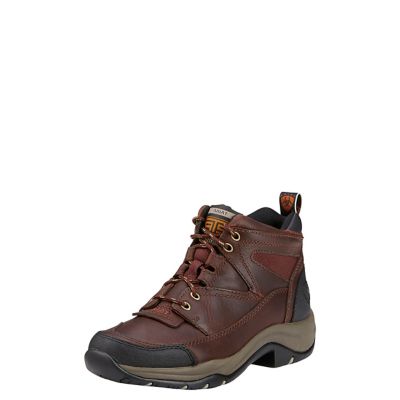
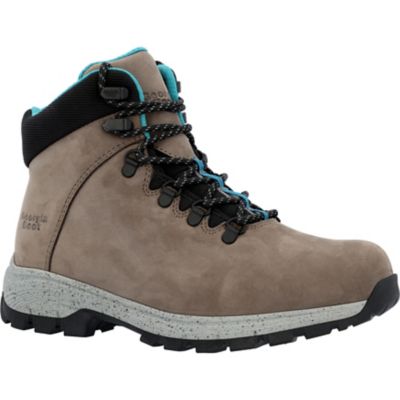
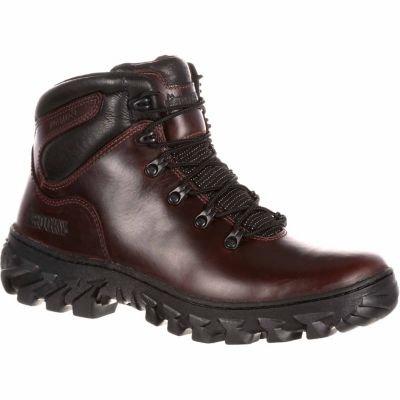
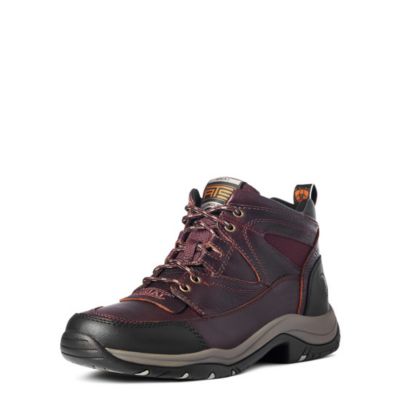
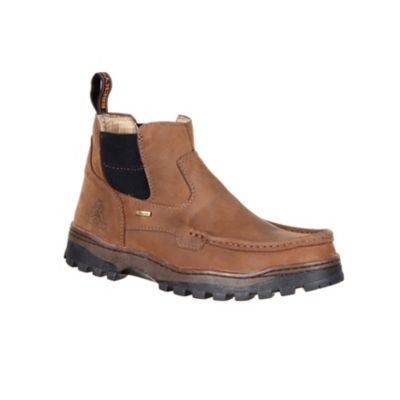
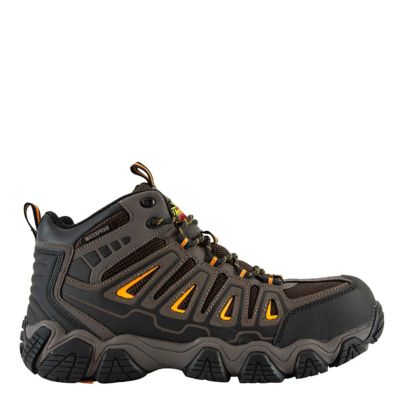
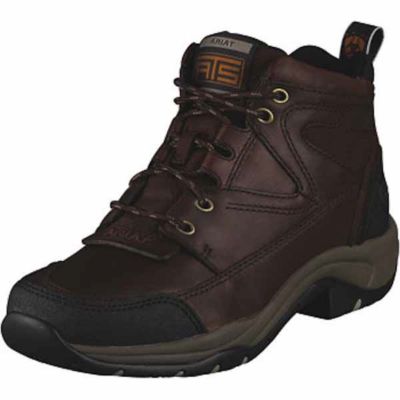
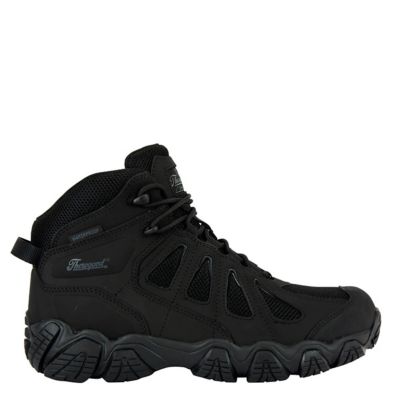
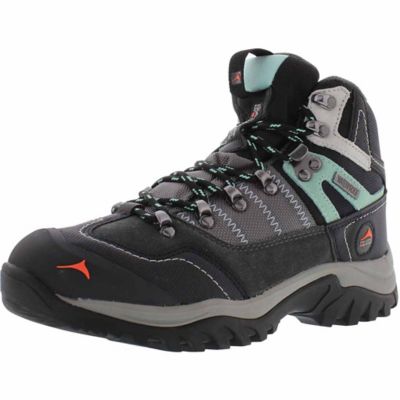
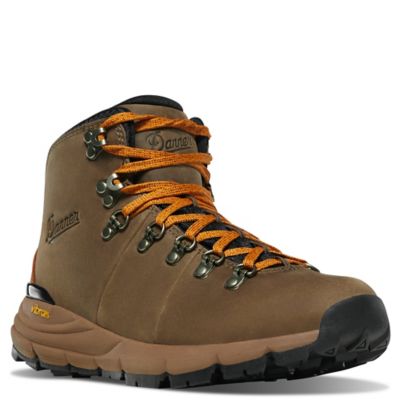
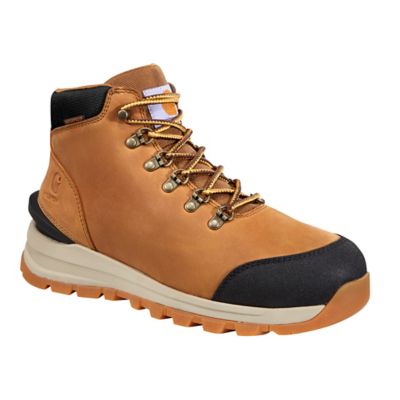
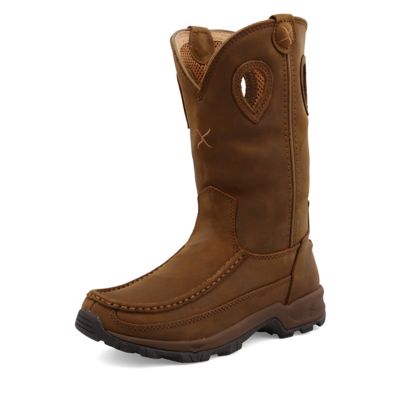
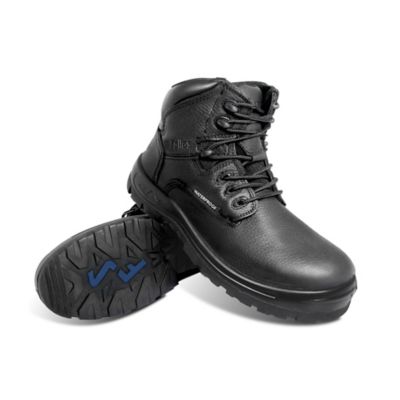
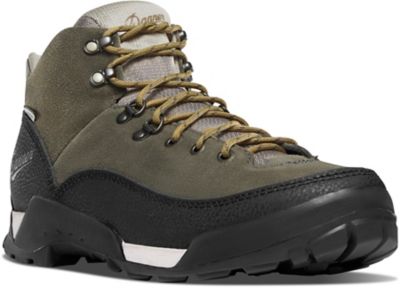
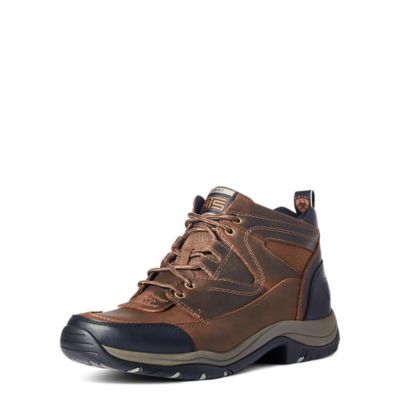
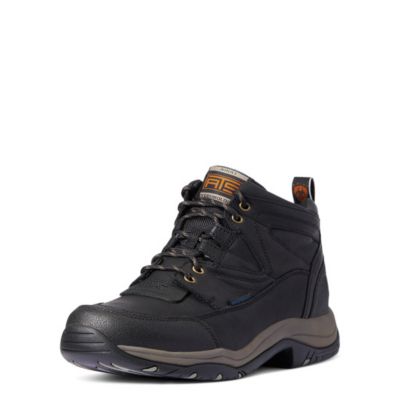
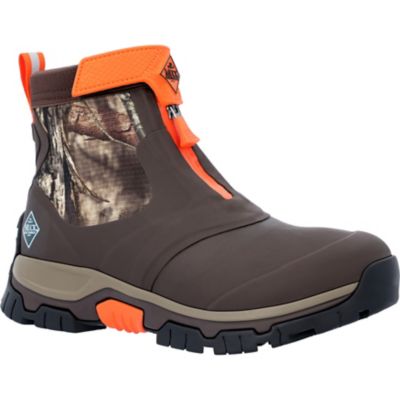
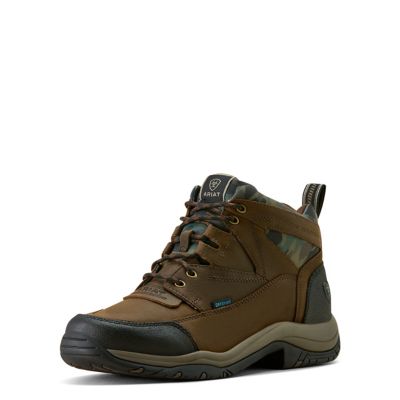
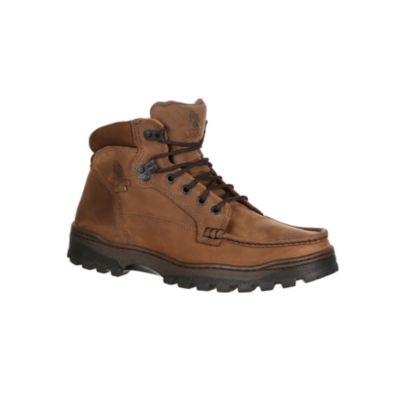
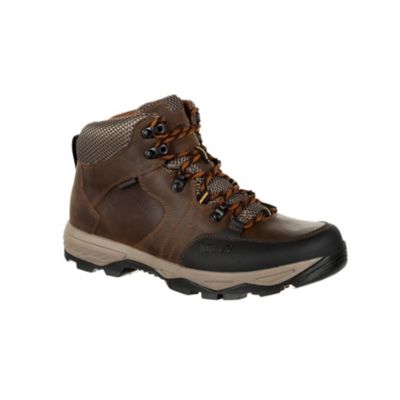
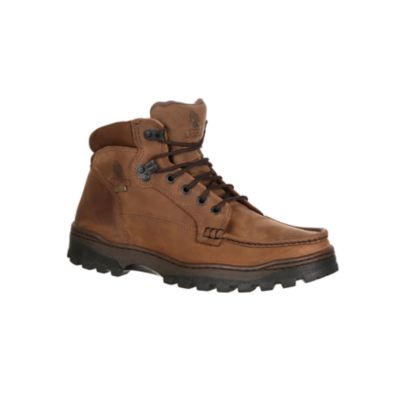
Hiking boots for ankle support bring together a secure heel fit, a supportive midsole, and an upper that holds the foot comfortably as the trail gets uneven. A taller collar can add structure around the ankle, but height alone does not determine how steady a boot feels. Resistance to twisting through the sole, often called torsional stiffness, matters when one foot lands on a slanted rock and the other steps across a root. A firm heel counter, the shaped section around the back of the heel, also helps limit excess movement inside the boot. These features work together rather than standing in for one another: a tall, soft upper paired with a very flexible sole may feel less supportive under a loaded pack than a well-fitted mid-cut boot with a firmer platform. Mid-cut hiking boots allow some ankle movement while adding coverage above a low shoe, while higher-cut boots provide more coverage and may offer additional structure, depending on their construction. Neither style can guarantee protection from a rolled ankle, and the right choice still depends on fit, terrain, and the weight being carried. For a walk along a packed creekside path, moderate flexibility can make each step feel natural. For rocky switchbacks, sloping ground, or a long approach to a fishing spot with gear on your back, more underfoot structure may help keep the foot from bending and twisting excessively. Cushioning serves a different purpose, softening contact with the ground rather than controlling every side-to-side movement. A boot can feel plush without being especially stable, so both characteristics deserve attention. Rubber outsoles with well-spaced lugs help grip loose soil and shed debris, while a defined heel edge can help with footing on descents. Traction still varies by surface, and even a sturdy hiking boot calls for careful steps on loose stones, slick roots, or angled slabs. The goal is a steady, comfortable platform that suits the ground ahead without feeling unnecessarily stiff for the miles planned.
Fit makes those support features useful, especially once the trail starts climbing or dropping. Hiking boots should hold the heel snugly without squeezing the forefoot, and the toes need enough room to spread and move without striking the front on downhill steps. Too much extra space lets the foot slide inside the boot; too little can turn a gentle descent into a long walk back to the truck. Trying boots with the same thickness of hiking socks intended for the trail gives a better sense of their working fit. Feet often expand over the course of a day, so a later-day fitting can help reveal tight spots that a quick morning try-on might miss. Both feet deserve attention, since differences in length or width are common. A short walk on an incline, where practical, can reveal heel lift, toe pressure, or rubbing around the ankle bones. Laces should draw the upper close without creating numbness or a hard band across the top of the foot. Hooks and eyelets that allow separate tension through the forefoot and ankle can make small adjustments easier, particularly for someone with a narrow heel and a broader forefoot. Thick padding is not a substitute for the right shape, and a break-in period should not be expected to fix pinching, substantial heel movement, or toes that hit the front. Materials also affect how a boot fits and feels over time. Full-grain leather generally offers substantial resistance to abrasion and gradually conforms with wear, though it can weigh more and require conditioning appropriate to the leather. Split leather combined with textile panels can offer a balance of structure, flexibility, and lower weight. Synthetic uppers often need less break-in time, while mesh sections encourage airflow and help release perspiration. Inside the boot, smooth linings and neatly finished seams matter during repeated steps. Removable footbeds make it easier to air out the interior or accommodate an appropriate replacement, although any change to the footbed can alter heel position and available toe room.
The best match also depends on how far the boots will travel and what comes along for the walk. Someone carrying water, lunch, and a small first-aid kit on a maintained trail may favor less weight and an easier bend at the forefoot. A backpacker hauling overnight gear may appreciate a firmer midsole, a more substantial upper, and added protection beneath the foot. EVA midsoles commonly provide lighter cushioning, while polyurethane midsoles often offer a denser feel and resistance to compression; the actual result depends on the boot’s design. Shanks and other stabilizing components can add support through the middle of the sole, and protective plates can reduce the sharp sensation of stones underfoot. Toe caps and reinforced heel areas help shield high-contact spots from repeated scrapes against roots and rock. For routes where broken stone and steep grades are part of the outing,
Hiking Boots For Rugged Terrain offer a related focus on the demands of rough ground. Long service life depends on construction and care as well as the miles covered. Brushing dirt from seams, removing grit from the tread, and wiping away trail residue help keep small abrasives from working into the materials. Cleaning products and leather treatments should match the manufacturer’s recommendations, since the wrong treatment can affect breathability, adhesives, or the finish. Loosening the laces and taking out removable footbeds helps the inside dry after a day of perspiration. Direct heat from a stove, heater, or clothes dryer can damage materials and bonding, so room-temperature drying is the safer approach. Frayed laces, separating soles, worn tread, and heel counters that no longer hold their shape are worth catching before a longer outing. Hiking boots can make a thoughtful gift for a trail walker, camping partner, or family member who likes exploring beyond the gravel road, but getting the fit right matters more than matching a familiar shoe size. A comfortable, well-matched pair leaves more attention for the path ahead and less for every step underfoot.