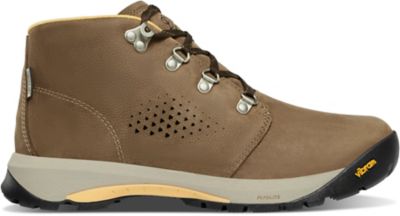
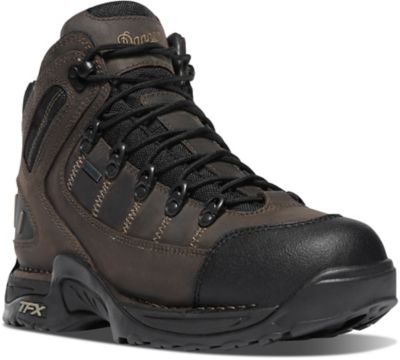
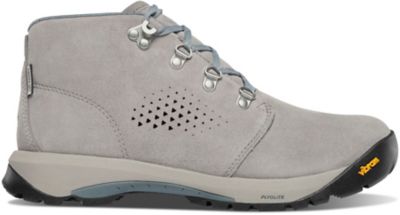
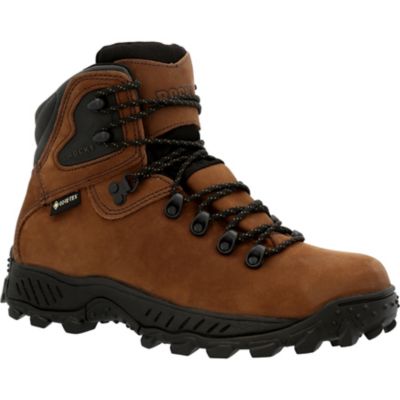
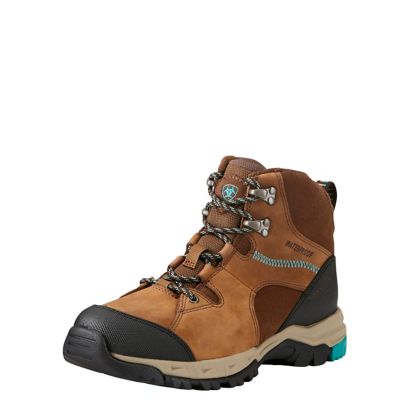
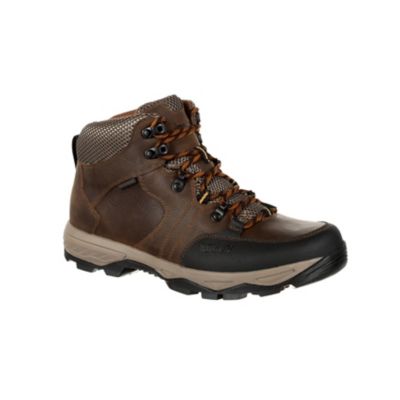
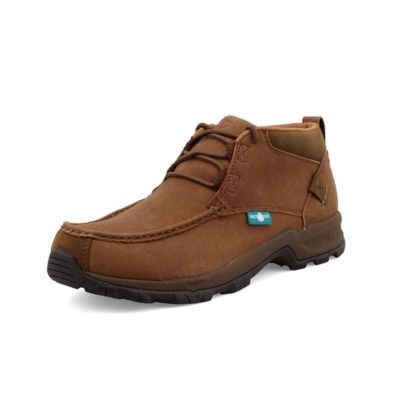
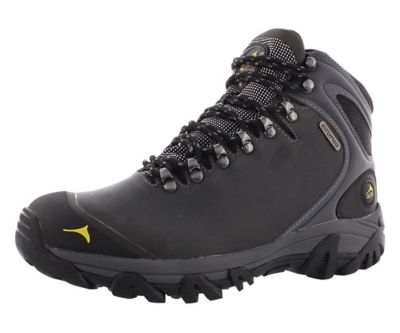
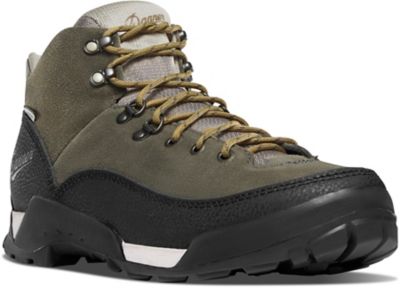
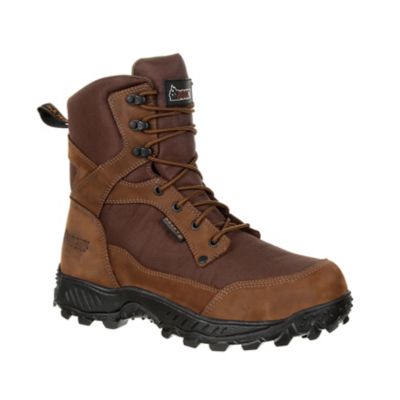
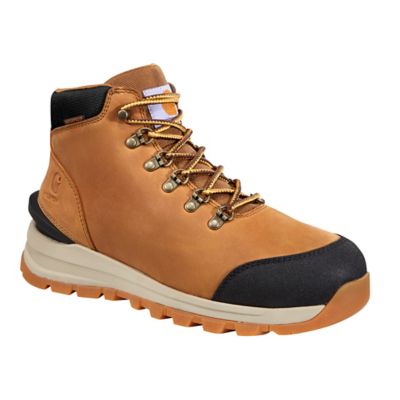
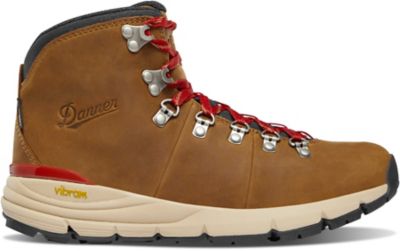
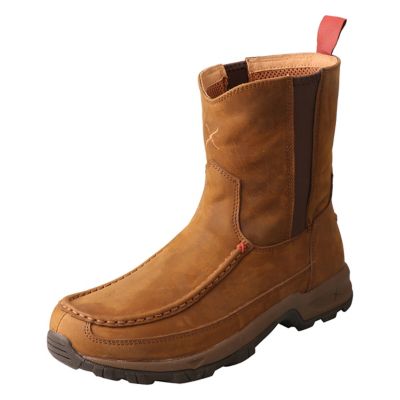
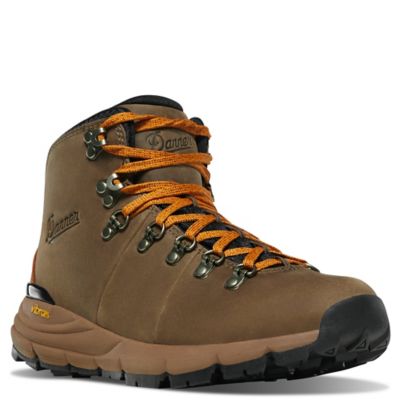
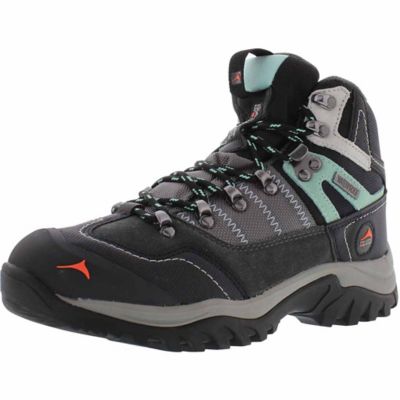
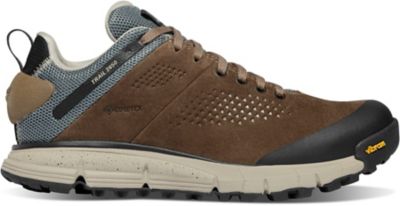
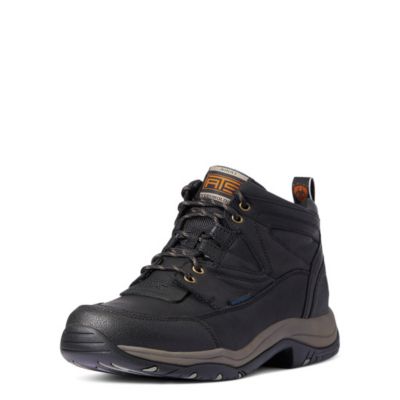
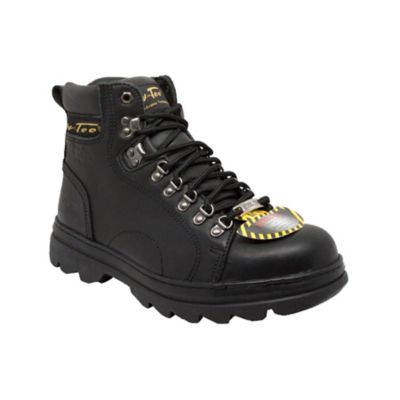
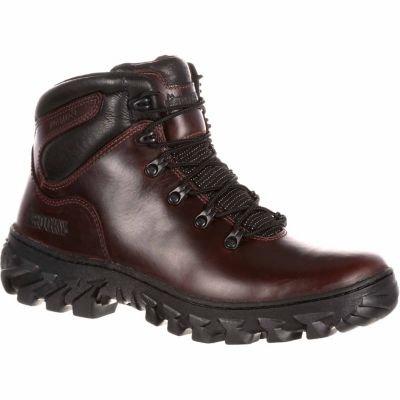
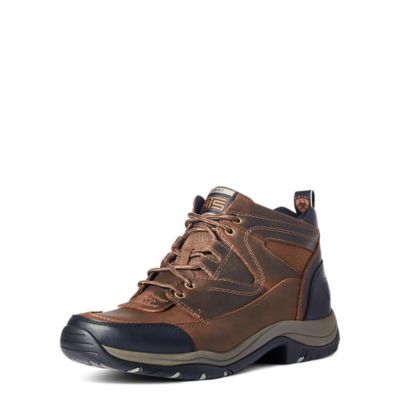
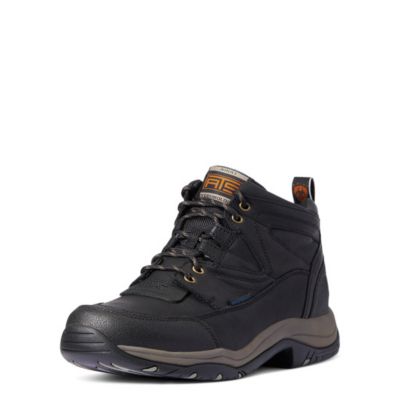
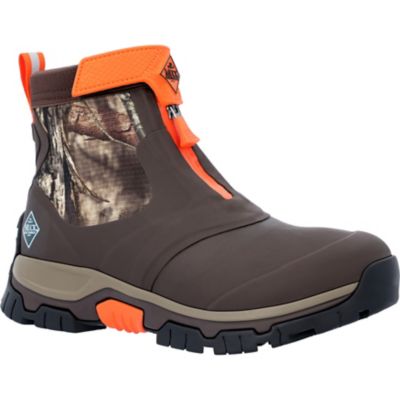
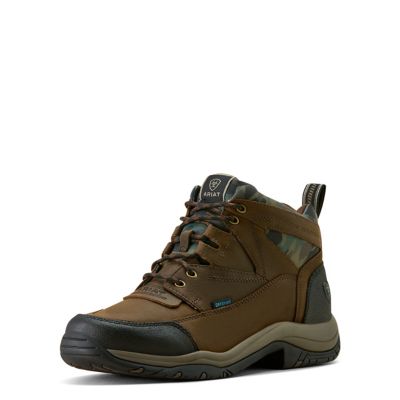
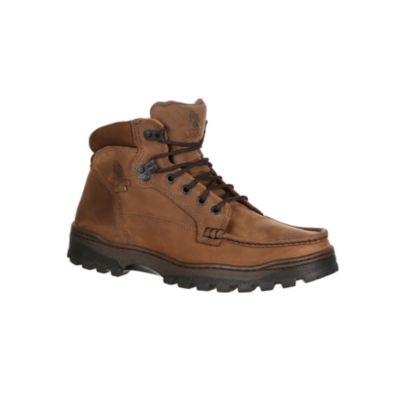
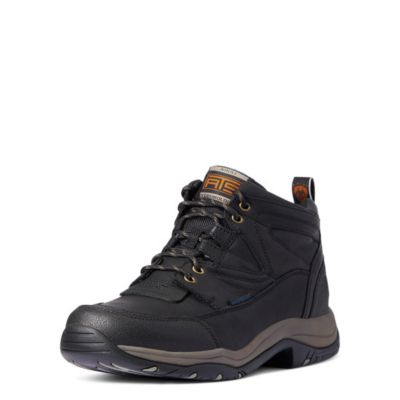
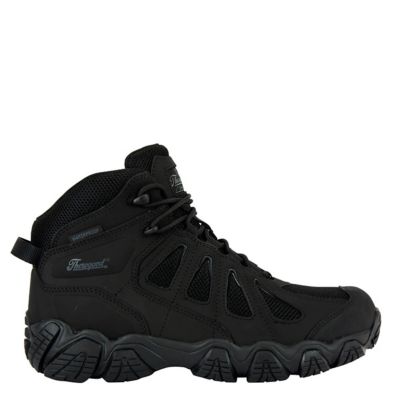
Hiking boots for travel bring together walking comfort, trail traction, and a fit that feels right from the first roadside stop to the last stretch back to camp. A versatile pair can handle gravel pullouts, packed dirt, uneven footpaths, and a walk through town without making every step feel like hard work. For trips that mix sightseeing with shorter hikes, lighter construction and a flexible forefoot often make more sense than a stiff boot built for carrying a heavy pack across rocky ground. More demanding routes call for firmer support underfoot, deeper tread, and protection around the toes and heels. The right balance depends on the ground ahead, the distance on foot, and how much weight goes into the daypack. Rubber outsoles with defined lugs help grip loose dirt, while the spacing between those lugs affects how readily the tread releases mud and small stones. Deep tread alone does not guarantee grip on every surface; rubber compounds and the amount of sole touching the ground matter, too. Cushioned midsoles soften repeated steps on pavement and hard-packed paths, though extra cushioning is not a substitute for a secure fit. A broad, steady platform can feel reassuring when stepping over roots or crossing a sloped shoulder beside a trail. Mid-height boots add coverage around the ankle and help keep trail grit out, but a taller collar does not guarantee protection from an ankle injury. Travelers planning long sightseeing days and easy paths may also want to compare
Shoes For Hiking for lower-cut alternatives. For boots that need to pull double duty, brown, gray, and other earth tones pair easily with jeans or trail pants. A less bulky shape also fits more comfortably beneath a seat or inside a travel bag. Whether the trip centers on a state park, a campground, or a few days exploring back roads, practical travel footwear should suit the walking rather than just the destination.
Materials and construction shape how hiking boots feel on the foot, how much room they take in luggage, and how they stand up to miles away from home. Full-grain leather uppers generally offer substantial abrasion resistance and can soften with wear, although they tend to weigh more and need regular attention. Suede and split-leather panels bring a different feel and often appear alongside textile sections that reduce weight and allow more airflow. Synthetic uppers can be a practical match for travelers who prefer less weight and a shorter break-in period, though performance varies with the fabric, reinforcement, and stitching. Toe caps and heel overlays help shield high-contact areas from scuffs when a path runs through rocks or brush. Fewer exposed seams in those areas can also mean fewer places for rubbing and abrasion to take hold. Waterproof membranes or bootie-style linings can help block water from shallow puddles and trail splashes, but water can still enter above the collar. That protection comes with a tradeoff: a waterproof boot may release heat and moisture less readily than an unlined, more breathable design. A gusseted tongue helps close the gaps along the laces, limiting the entry of grit and debris within the height of the gusset. Inside the boot, foam midsoles provide cushioning, while firmer components can add structure for rougher ground or a loaded pack. Some designs include a shank or plate that helps reduce how sharply stones press against the foot. These features matter most when they match the trip; extra structure can feel welcome on broken terrain and unnecessarily stiff during a full day on sidewalks. Overall boot weight deserves attention as well, especially when luggage space is tight or the schedule includes repeated stretches on foot. A lighter pair may be easier to pack and walk in, but trimming weight should not come at the expense of the protection a route calls for. Campground travelers, road-trippers, and folks visiting family near good walking trails may favor different combinations of flexibility, coverage, and support, even when each wants one pair for most of the trip.
Fit is what turns those construction details into comfort over a full day. Travel hiking boots should hold the heel securely without pinching, leave enough room for toes to spread, and keep toes from striking the front on a downhill step. Feet often swell after hours of walking, so trying boots later in the day with the socks intended for the trip gives a more useful sense of space than a quick check in thin everyday socks. Both feet need attention, since one may be longer or wider than the other. Width through the forefoot, room above the instep, and the shape of the heel can matter as much as the size printed on the label. Laces should snug the boot around the foot without creating pressure across the top, and adjustable eyelets or hooks can help fine-tune that hold. Removable footbeds make room for compatible inserts when needed, provided the added thickness does not crowd the toes or lift the heel too high. A short walk on an incline can reveal heel lift and forward sliding that may not show up while standing still. Leather may soften, but a boot that squeezes the toes or causes sharp pressure should not be counted on to stretch into the right fit. Several shorter walks before departure help reveal rubbing and give the feet time to adjust. After trail time, brushing away dirt and removing stones from the tread helps limit abrasion and keeps the sole clear. Cleaning should follow the maker’s directions, with leather treatments reserved for materials they are meant to protect. Damp boots need time to air-dry away from direct heat; removing footbeds and loosening laces helps air reach the inside. Checking stitching, lace wear, and sole edges before packing can catch trouble before a long walk far from the car. Hiking boots can also make a thoughtful gift for someone who enjoys traveling on foot, especially when their size, width, and walking plans are known. A pair matched to those details earns its place in the bag through comfort and practical service, mile after mile.