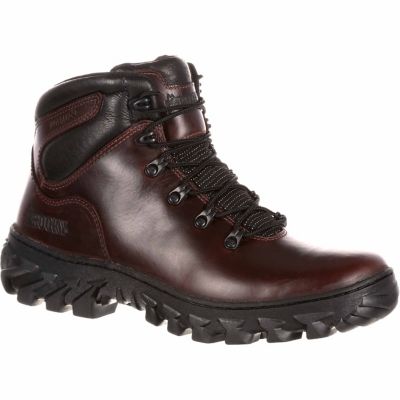
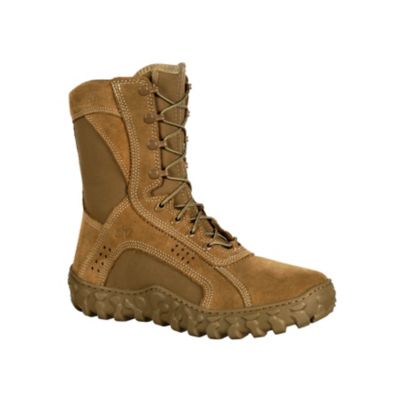
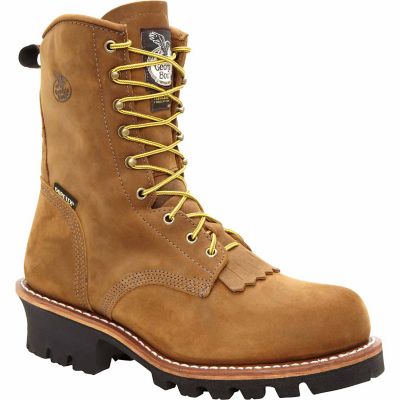
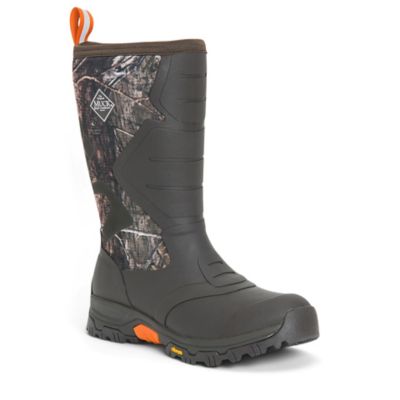
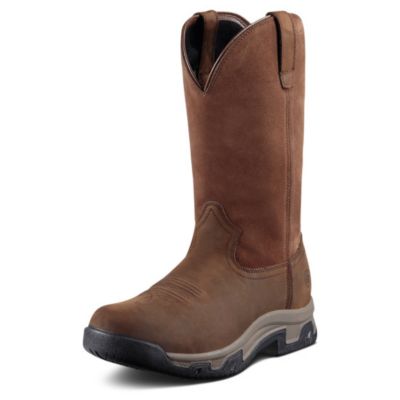
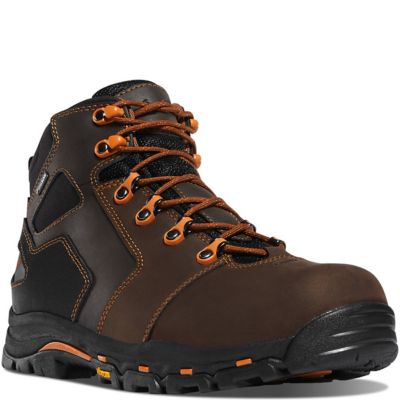
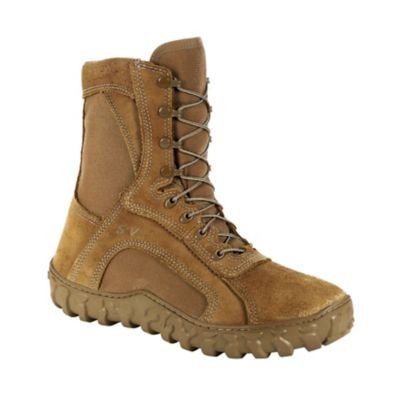
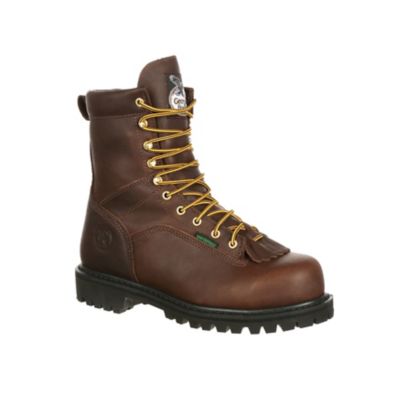
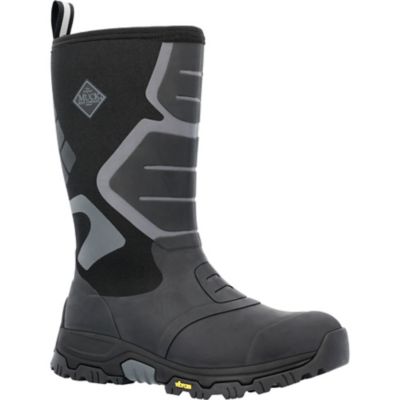
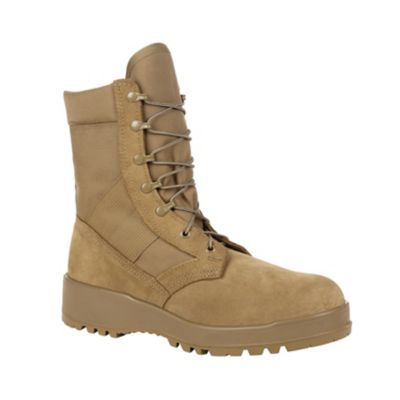
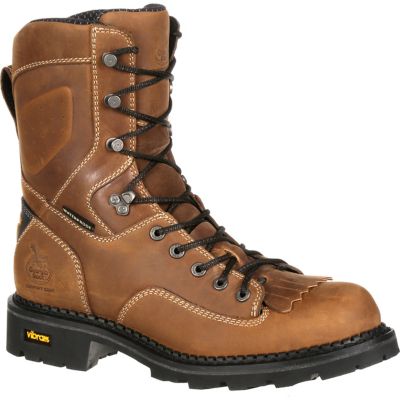
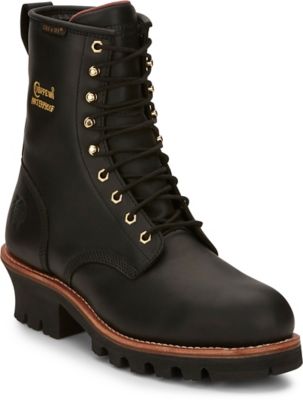
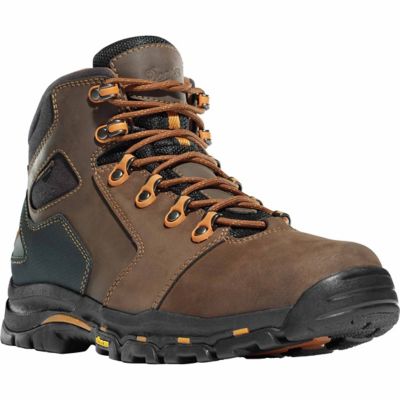
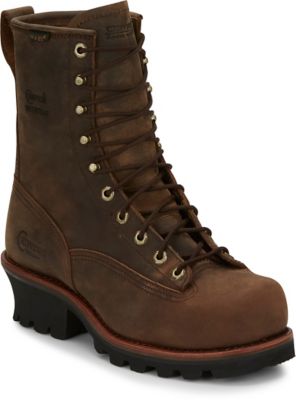
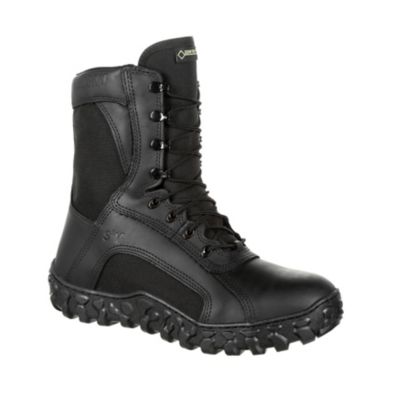
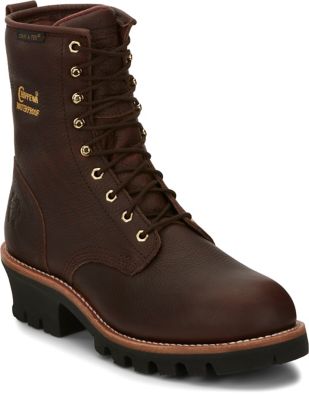
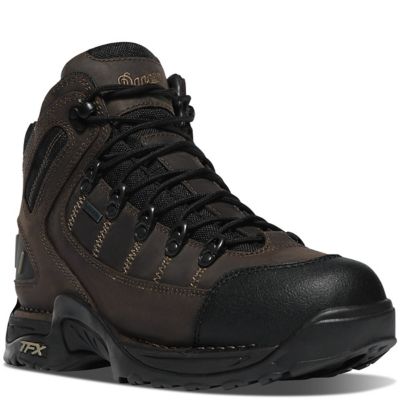
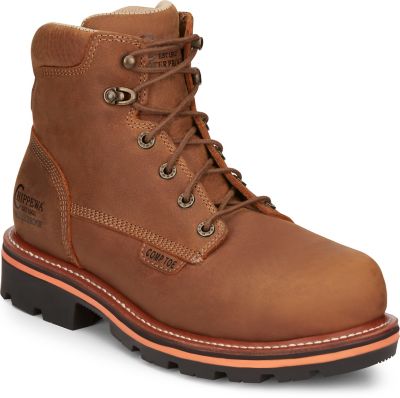
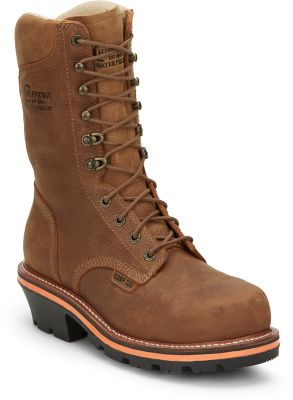
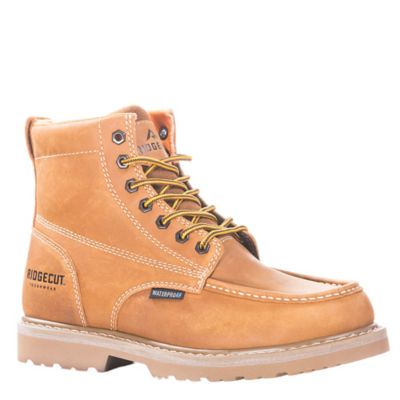
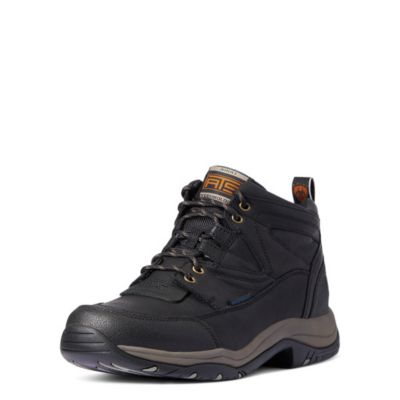
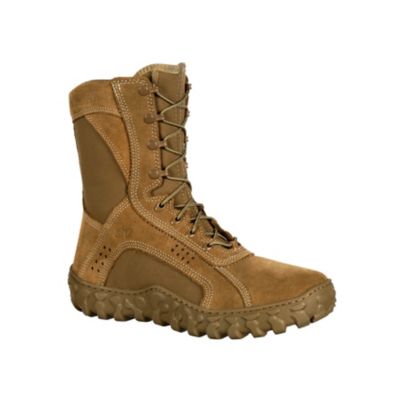
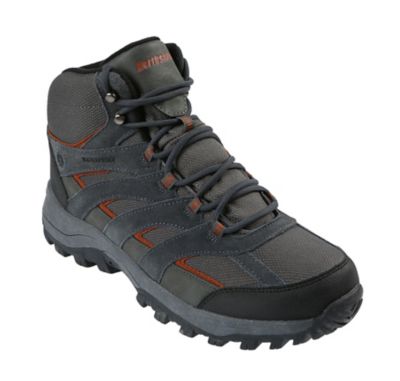
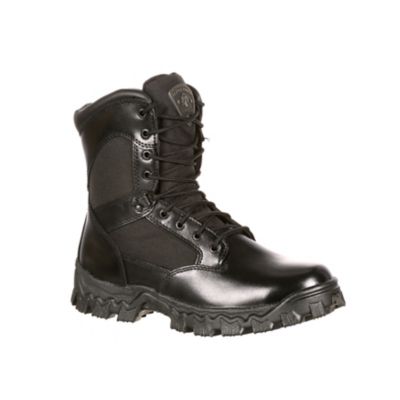
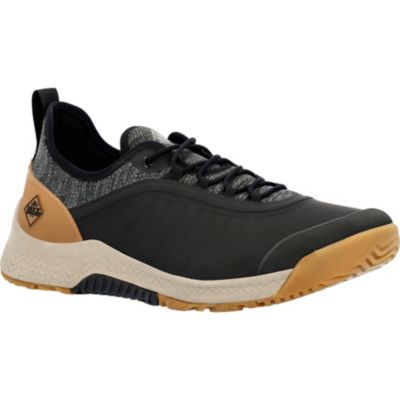
Hiking shoes with Vibram soles are made for people who want dependable footing without giving up the lighter feel of a trail shoe. A Vibram outsole is built from durable rubber and shaped with a lug pattern that helps the shoe grip dirt, gravel, roots, and uneven ground. That extra traction can make a real difference when a dry path turns slick after rain, when loose stones shift underfoot, or when a shaded trail stays damp during the cooler months. Some outsole compounds are designed for strong all-around wear, while others are made to increase friction on wet rock and smooth, technical surfaces. Deep, well-spaced lugs can also help shed mud instead of letting it pack beneath the shoe. These features make hiking shoes with Vibram soles a practical choice for day hikers, hunters, campers, trail workers, travelers, and anyone who spends long hours walking across changing ground. They can feel right at home on a maintained park trail, a wooded route covered in fallen leaves, a gravel road leading to a fishing spot, or a rugged backcountry path with steep climbs and descents. For a broader selection of durable footwear built around this type of traction, explore
Vibram Outsole Boots.
When choosing hiking shoes with Vibram soles, start with the kind of terrain and weather you expect to encounter most often. Smooth dirt trails and packed gravel may call for a flexible, low-top shoe with a moderate lug pattern, while rocky routes, muddy ground, and steep hills can benefit from a more aggressive outsole with deeper lugs and a supportive upper. Wet conditions deserve special attention. A waterproof or water-resistant design can help keep feet drier while crossing damp grass, shallow puddles, and muddy sections, though any waterproof shoe may feel warmer than a highly breathable option. Look at the shoe’s overall construction, too. Reinforced toe caps help guard against roots and rocks, while sturdy heel counters can improve stability on uneven ground. A gusseted tongue may help keep trail debris from working its way inside, and a cushioned midsole can soften the repeated impact of long walks. Fit matters just as much as the sole. Hiking shoes should hold the heel securely without rubbing, leave enough room for the toes to spread naturally, and allow a little extra space if you plan to wear thicker trail socks. Try them on near the end of the day, when feet have typically expanded, and walk on a firm surface to check for pressure points. A comfortable shoe you can wear for hours is more useful than one that simply feels stiff and rugged out of the box. Some premium hiking footwear may also be resoleable, which can extend its service life when the upper remains in good shape and the original outsole has worn down.
These shoes are useful well beyond a single hiking trip. They can serve as everyday outdoor footwear for walking a property, checking fence lines, gathering firewood, visiting a campsite, or handling chores where regular sneakers do not offer enough grip. During early fall, they pair well with changing trail conditions, from dry leaves and dusty paths to damp ground after an overnight shower. As temperatures drop toward winter, a supportive hiking shoe can still be handy for milder walks and outdoor work, although insulated boots are usually the better choice for deep cold, snow, or standing water. Low-top styles are often convenient for quick day hikes and travel because they are lighter and easier to pack, while mid-height options provide additional ankle coverage and can feel more secure when carrying a pack or crossing rough terrain. Hiking shoes with Vibram soles also make a thoughtful gift for someone who enjoys camping, birdwatching, geocaching, scenic road trips, or exploring local trails. They are especially practical for a new hiker building a basic outdoor kit, a family member who spends weekends in the woods, or a friend who has worn out an old pair of trail shoes. Before giving them as a gift, it helps to know the recipient’s usual shoe size, preferred fit, and favorite kind of terrain. With the right combination of traction, support, comfort, and weather protection, a good pair can become the footwear someone reaches for whenever the trail leaves the pavement and heads into the woods.