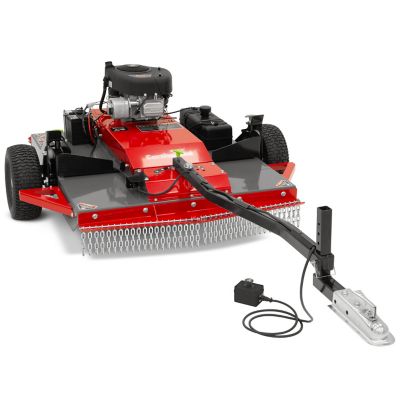
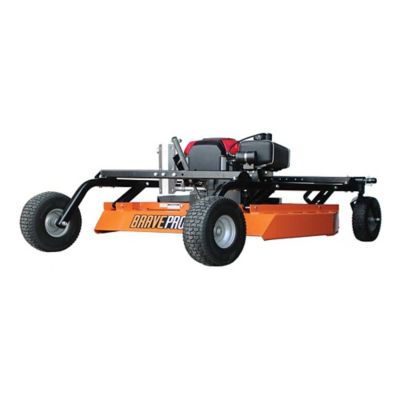
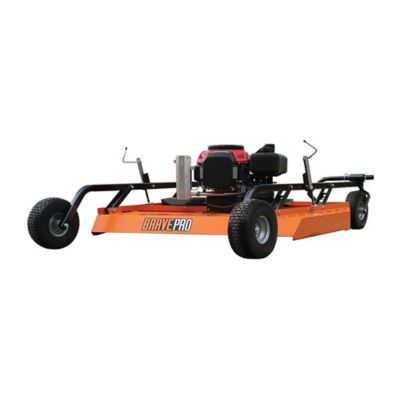
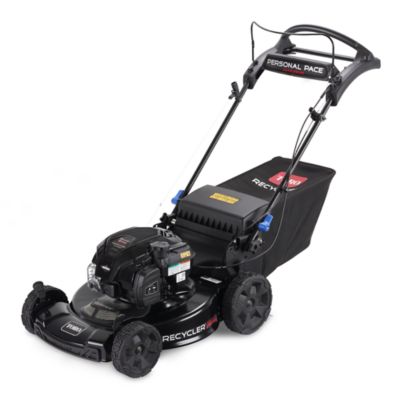
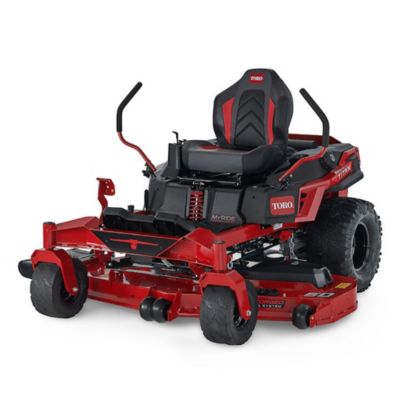
A rough cut lawn mower, also called a brush mower or trail cutter, takes down tall grass, thick weeds, and brush on ground that doesn’t need a neatly trimmed finish. It’s the kind of mower that makes sense when briars are creeping into a woodlot trail or a corner of the pasture has grown up in waist-high weeds. A finish mower works best where the grass is already kept short and an even cut matters. A rough cut mower is built to handle coarser growth, and it leaves a coarser cut: expect chopped stalks and stems on the ground rather than the fine clippings and even surface a finish mower leaves. The heavier rotary cutters can take down small saplings, with some rated for stems up to 3 inches in diameter. That’s not a standard rating across rough cut mowers, though. A cutter meant for tall grass and scattered shoots has a different job from one meant to work through a stand of young trees. Brush capacity is measured across the stem, not by how tall the plant stands. A long stretch of chest-high weeds may be an easier cut than a short stretch packed with woody stems. The ground matters as much as the growth. A pasture that looks level from the gate can hide old ruts, and a strip of weeds along a fence can conceal a loose piece of wire. Neither belongs in the same category as tall grass, and a brush rating doesn’t cover rocks, stumps, or debris. For a landowner taking back the edges of a field, the goal is often to leave a clear strip where the fence and ground are easy to see again. On a trail, the cut may only need to be wide enough to get a utility vehicle through without branches scraping both sides.
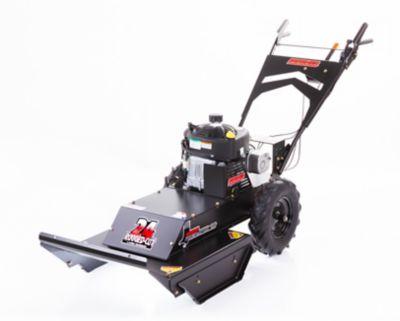
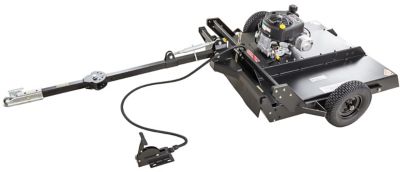
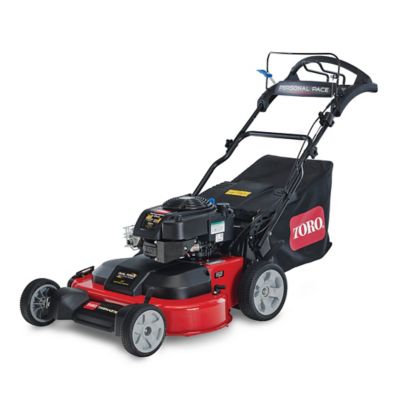
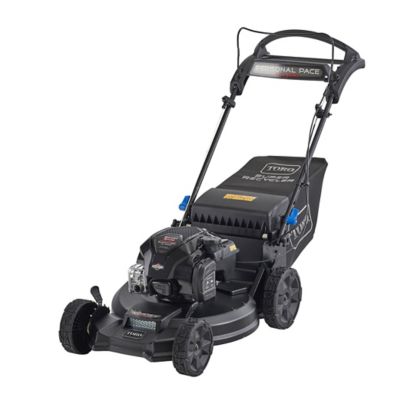
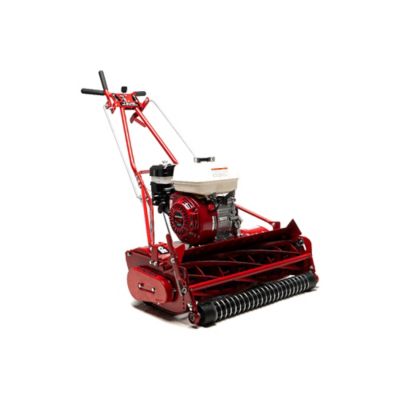
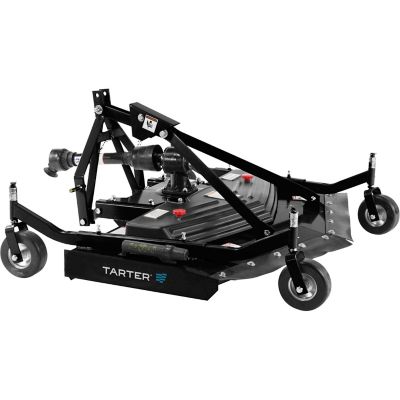
Rough cut mowers come in walk-behind, tow-behind, and tractor-mounted designs, and the right fit depends on how the ground is laid out as well as what’s growing on it. A walk-behind brush mower can make sense for short paths, tight turns, and patches a tractor can’t easily reach. Many tow-behind rough cut mowers have their own engines, so the towing vehicle pulls the deck without having to power the blades. That setup can work well on meadow grass, lighter brush, and established trails, provided the hitch, towing capacity, and terrain suit the mower. Some tow-behind decks can run offset to one side, which helps cut grass along a lane without putting the tow vehicle in the same track as the mower. For thicker woody growth across several acres, a tractor-mounted rotary cutter rated for the job may be a better fit. With a tractor setup, hitch category, power take-off horsepower, and lift capacity all matter. Engine horsepower alone doesn’t say how much power reaches the cutter. Deck width matters, too, but there’s more to it than how many passes it takes to cover a field. The cutting width tells how wide a swath the blades clear, while the overall width tells whether the deck will fit through the gate. A wide deck covers open ground in fewer passes, but a narrower one leaves more room to turn between trees and is easier to place along a winding trail. The way the deck follows the ground also affects the cut where a trail crowns in the middle or drops sharply at the edge. Where the grass is already under control and the main job is mowing a broad lawn in fewer passes,
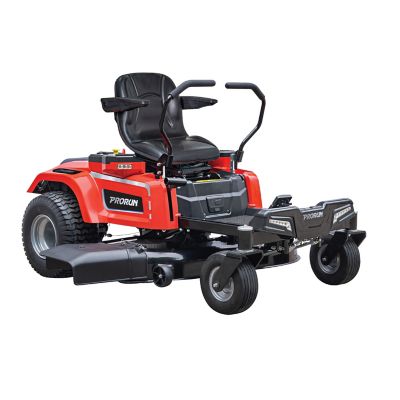
Wide Lawn Mowers are a better point of comparison. A wider cutting path on its own doesn’t tell how well a mower will handle brush.
Steel decks and frames are common on rough cut mowers, but deck thickness is only part of what helps a mower hold up. Bracing around the deck, sturdy hitch points, and how the blades are mounted matter when a mower spends its time on uneven ground or cutting heavier growth. On many rotary cutters, the blades pivot on a carrier and can swing back if they strike something. That movement helps take some of the shock out of an unexpected hit, but it doesn’t make a stump or a rock safe to mow over. Intact guards and shields help limit thrown debris, which matters when the cut runs beside a driveway or a spot where people or animals pass. A first pass on foot can turn up old fence wire, scrap metal, or a rock that disappeared under the grass. Once the cut is underway, a change in sound or a new vibration is a reason to shut down and check the mower rather than finish the row. Day-to-day care is mostly about keeping buildup from hiding wear and catching small problems before they grow. Grass packed around the deck or discharge area can get in the way of a clean cut. Worn blades can leave stems ragged or standing, and a loose guard or bent blade needs attention before the next pass. The mower’s manual spells out how to shut it down and support it safely before clearing debris or inspecting the underside, along with what to check on the belts, gearbox, or driveline, depending on the setup. Height adjustment is worth a look for anyone who splits time between level fields and rough lanes. A little more clearance over rutted ground can help the deck pass without digging in, while a lower setting may suit open, smoother areas within the mower’s limits. For acreage owners, livestock keepers, and folks who look after trails, the measure of a good cut is often simple: there’s room to get the feed truck down the lane or walk the fence without stepping through a tangle of stems.