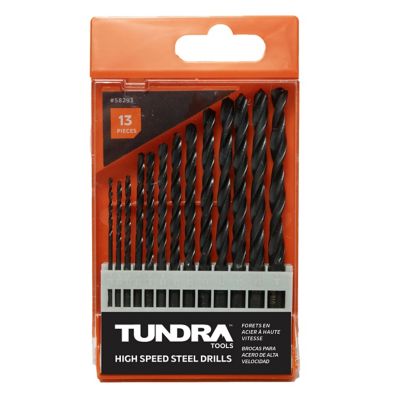
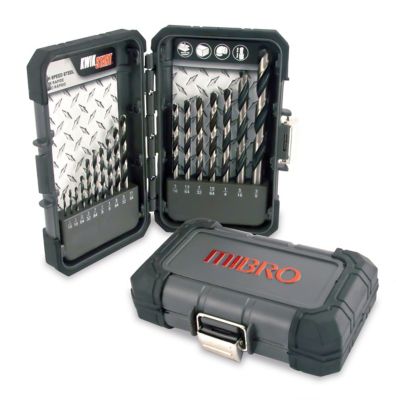
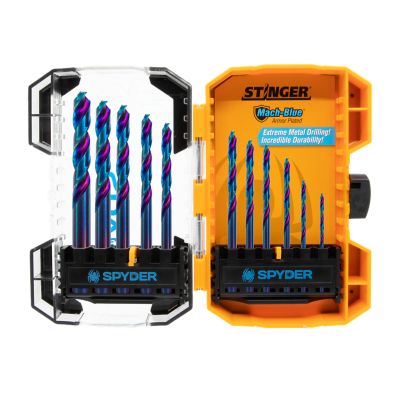
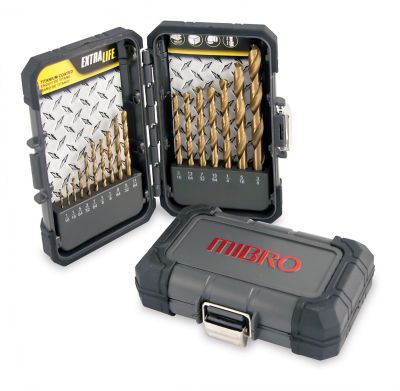
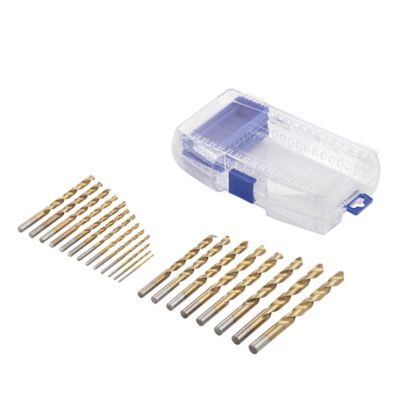
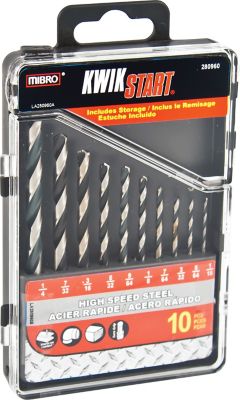
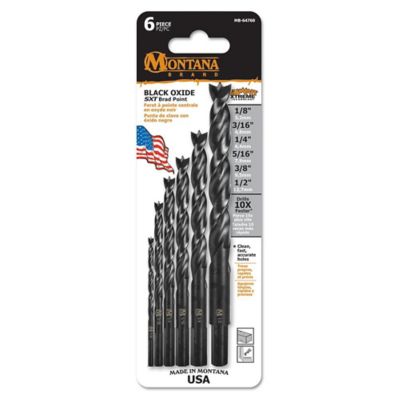
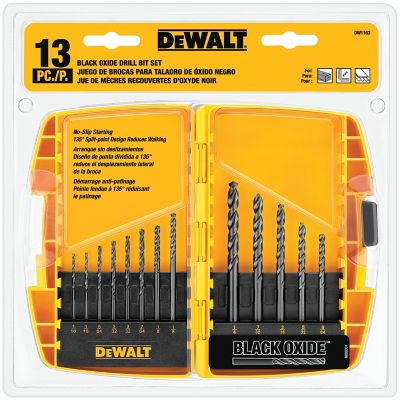
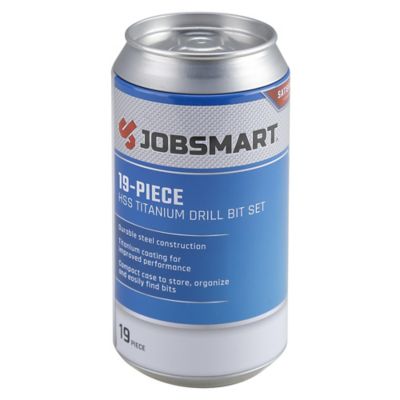
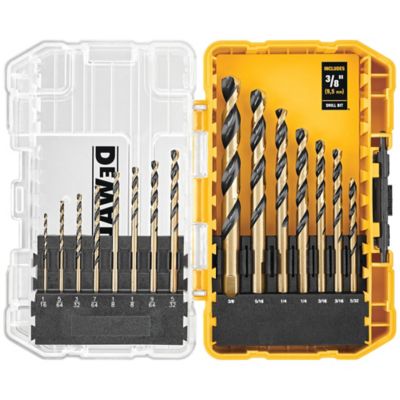
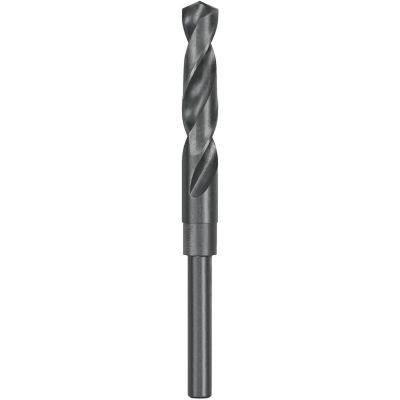
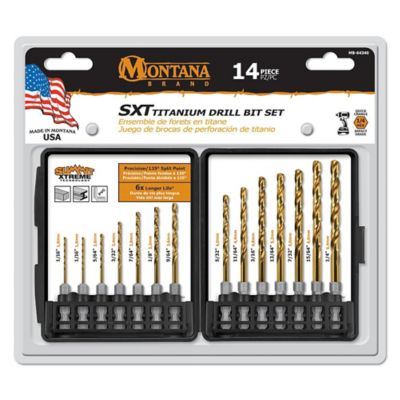
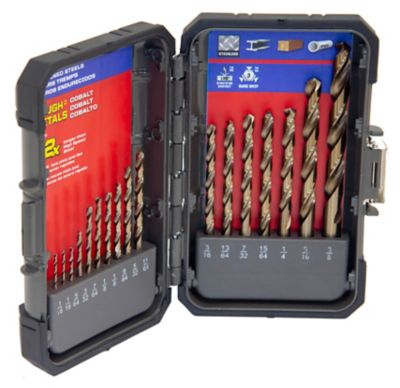
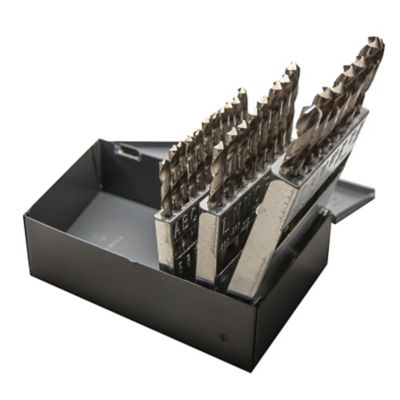
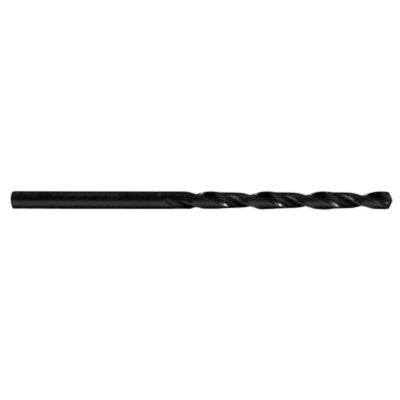
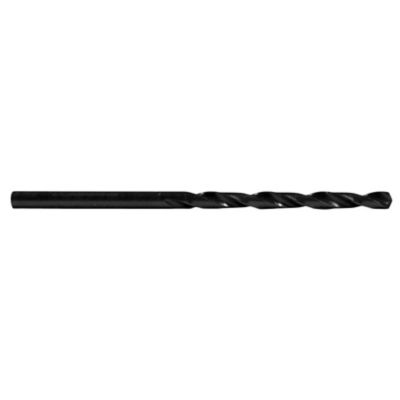
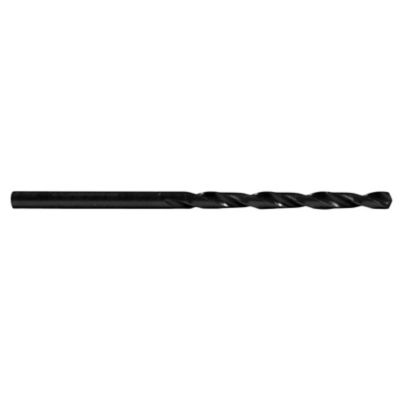
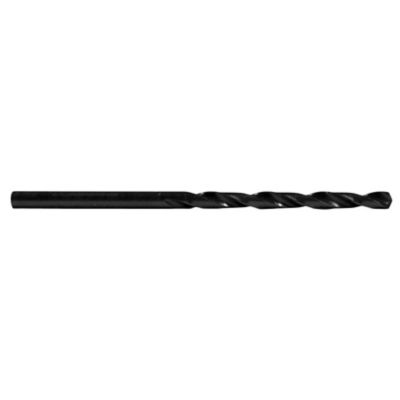
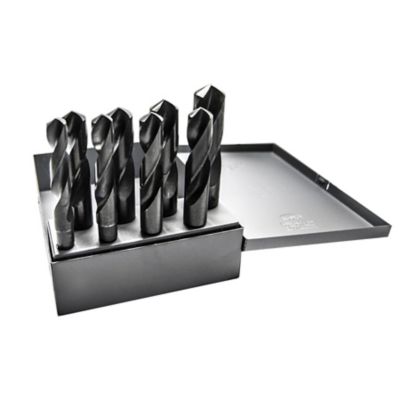
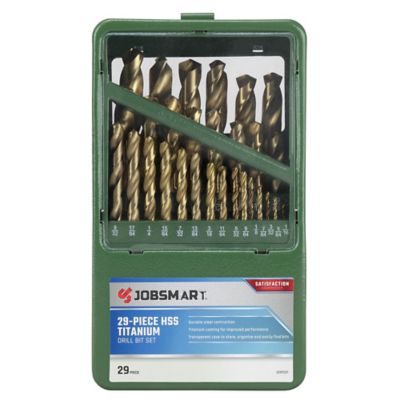
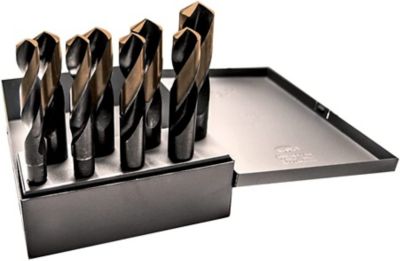
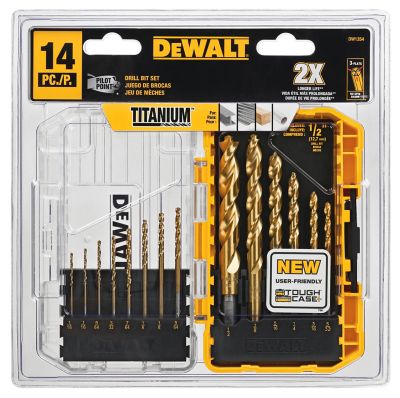
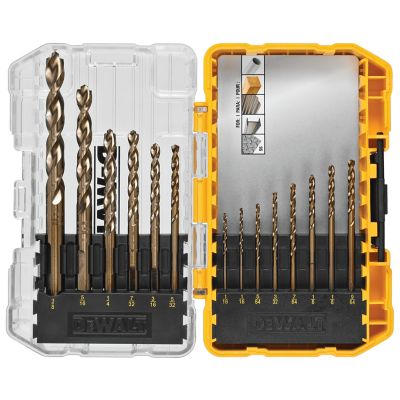
High-speed steel drill bit sets bring a range of hole sizes together for work at the bench, around the farm, and out in the shop. High-speed steel, often shortened to HSS, is a cutting-tool material that holds its hardness under the heat generated by drilling. Depending on their design and material rating, HSS twist bits can handle wood, many plastics, aluminum, mild steel, and other metals. A matched assortment makes sense when one afternoon’s work might include pilot holes in a gate brace, clearance holes in a metal bracket, and mounting holes in a wooden shelf. Set size matters, but the actual size range matters more than the number printed on the case. A 29-size fractional assortment commonly covers 1/16 inch through 1/2 inch in 1/64-inch steps, giving a shop plenty of options between small pilot holes and larger fastener openings. Smaller assortments generally concentrate on frequently needed sizes, while broader selections may include fractional, numbered, and lettered bits. A 60-size numbered assortment typically runs from #1 through #60, with higher numbers representing smaller diameters. Letter sizes run from A through Z and help fill gaps for machining and tapping work. A full 115-size assortment commonly combines 29 fractional sizes, 60 numbered sizes, and 26 letter sizes. Metric assortments serve jobs measured in millimeters, especially repairs involving metric hardware. These sizing systems are not interchangeable just because two bits look close when held side by side. A bolt clearance hole, a pilot hole, and a hole intended for tapping each have different requirements. Clearly marked indexes make those distinctions easier to manage, whether the job involves equipment repair, a welding project, cabinet hardware, or a new workbench. For folks who handle several kinds of repairs, a well-organized set keeps the next size within reach without turning a simple task into a hunt through a drawer.
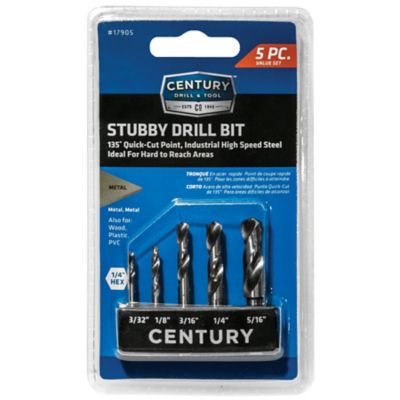
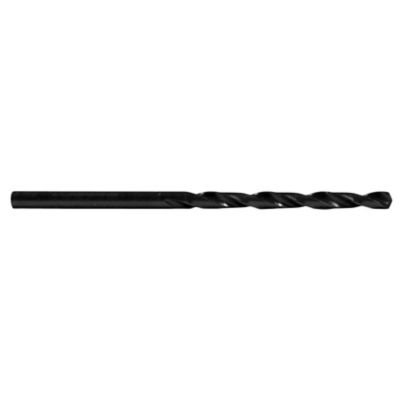
The steel grade, point geometry, and surface treatment help determine where a drill bit set fits into the workday. Standard HSS suits many general drilling jobs, while cobalt-alloy HSS offers greater resistance to heat for more demanding metalwork. Grades such as M35 and M42 contain cobalt throughout the alloy rather than only at the surface, which matters when the cutting edges eventually need sharpening. Cobalt-alloy bits can be a good match for stainless steel and tougher alloys when their stated applications cover the material, although their greater hardness can also make them less forgiving of bending or rough handling. Point style deserves a close look, too. A conventional 118-degree point is common for general-purpose drilling, particularly in wood and softer metals. A 135-degree split point generally needs less starting pressure and helps limit wandering on metal, though it does not replace proper positioning or a secure workpiece. The split-point feature and the point angle are separate characteristics, so both belong in the comparison. Surface finishes add another distinction. Black oxide treatments can help retain lubricant and provide some resistance to corrosion, while titanium nitride coatings create a hard surface that can reduce friction and wear in suitable applications. A coating does not turn every bit into the right choice for every material, and sharpening removes the coating at the cutting edge. Flute shape and usable cutting length also influence how a bit clears chips and reaches through the work. Standard jobber-length bits cover many everyday tasks; shorter bits can offer greater rigidity where access and drilling depth allow. Longer bits reach farther but need more care to avoid flexing. For a clean hole through a steel repair plate, rigidity and a suitable cutting edge often matter more than extra reach. In wood, HSS twist bits handle plenty of pilot and through-hole work, while brad-point, auger, or other wood-focused designs may be a better fit for particular finishes or deeper holes. For a closer look at that side of the job, explore
High Speed Steel Drill Bits for Wood.
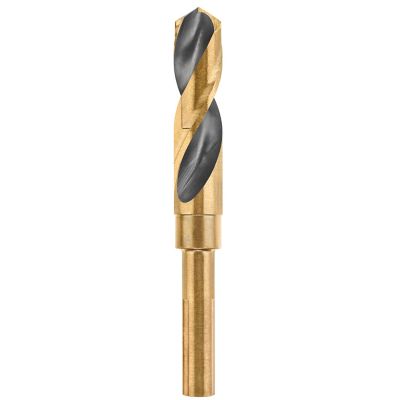
Fit starts where the bit meets the drill. Round shanks suit many standard drill chucks, while three-flat shanks provide flat gripping surfaces that help resist slipping. Hex shanks work with compatible holders, but a hex shape alone does not mean a bit is rated for an impact driver. Chuck capacity is another practical detail: a drill with a 3/8-inch chuck cannot grip every straight-shank bit that a 1/2-inch chuck can. Reduced-shank designs can accommodate larger cutting diameters in a smaller chuck, provided the drill and bit specifications support the job. A handheld drill serves many repair tasks, while a drill press adds support and control for repeated holes, larger diameters, and work that needs consistent alignment. In either setup, a firmly clamped workpiece helps keep a spinning bit from grabbing and turning a loose bracket or board. Appropriate speed and feed support cutting-edge life; larger diameters and harder metals generally call for lower rotational speeds, with the bit maker’s recommendations providing the starting point. Suitable cutting fluid can help manage friction and chip removal in metal, although the right lubricant depends on the material. Plastic requires its own care because excess heat can soften the hole edges, and a backing board can help limit splintering as a bit exits wood. Between jobs, clean, dry bits and a closed storage case help keep moisture and loose grit away from the cutting surfaces. Labeled slots make missing sizes easier to spot and keep cutting edges from knocking together in a tool bag. A dull, chipped, or bent bit deserves attention before it spoils a part or puts extra strain on the drill. These practical details make high-speed steel drill bit sets a useful addition for farmers, ranchers, mechanics, maintenance crews, woodworkers, and homeowners who tackle their own repairs. They can also make a thoughtful gift for someone setting up a first shop, especially when the size range and shank styles match the tools already on the bench.