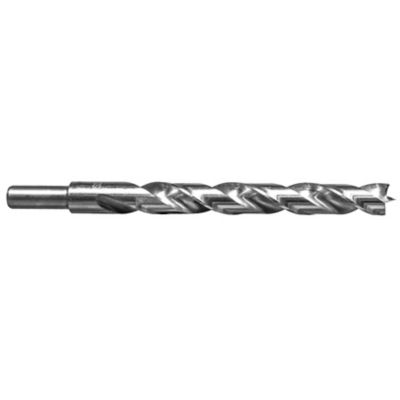
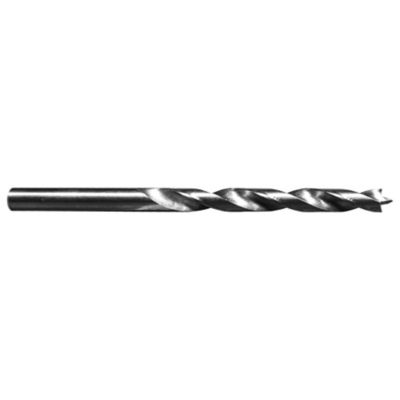
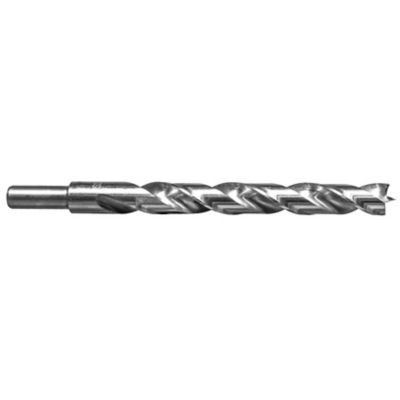
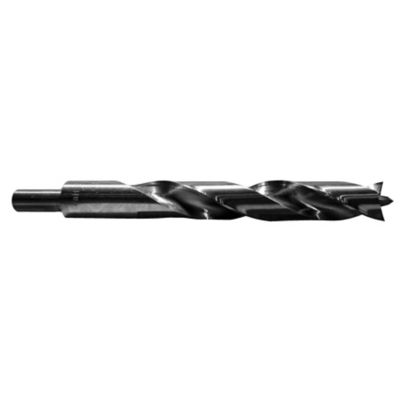
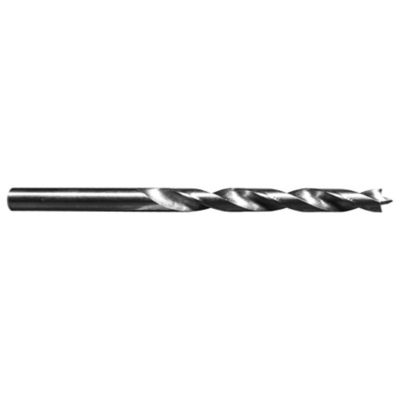
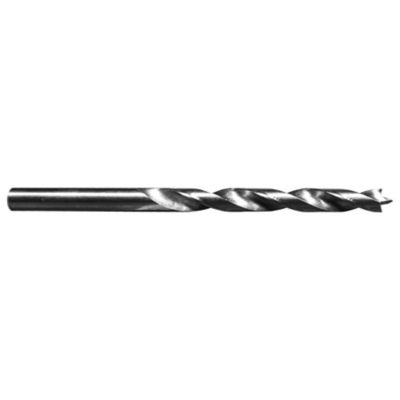
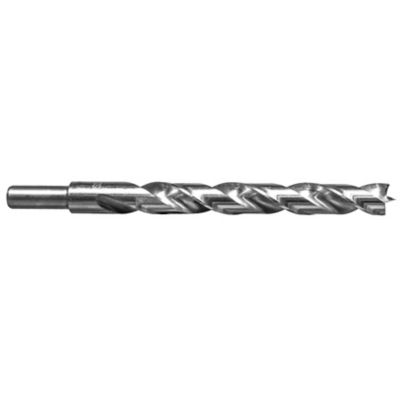
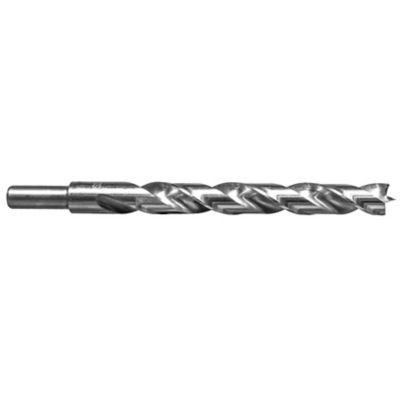
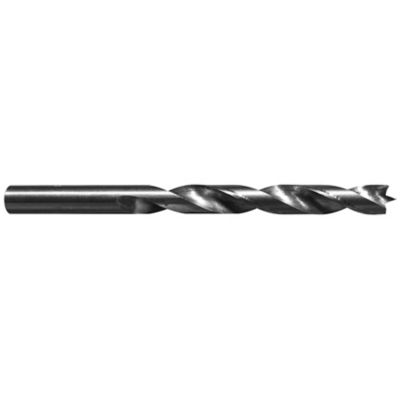
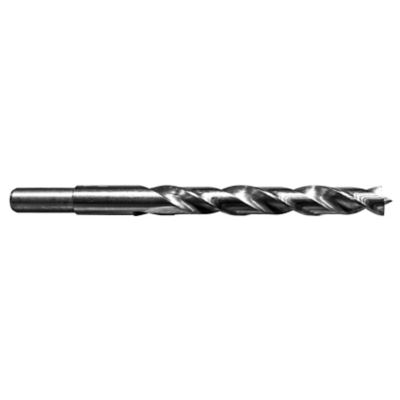
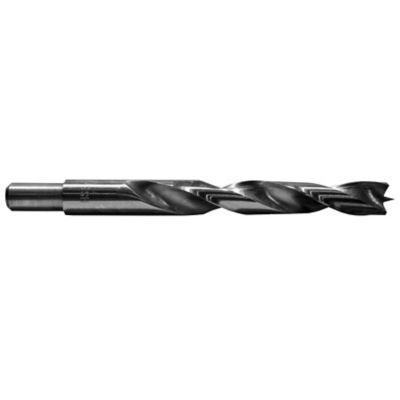
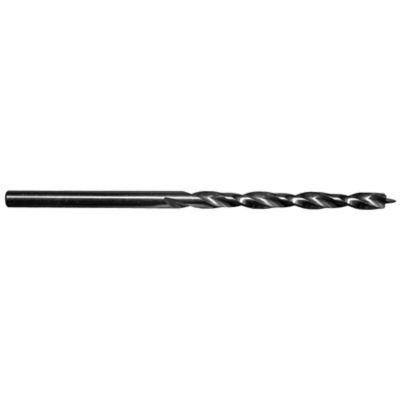
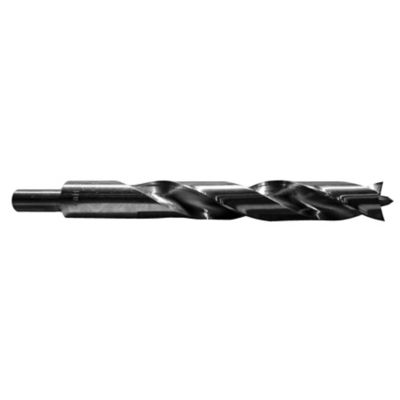
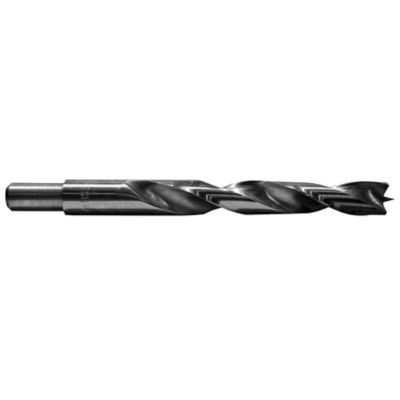
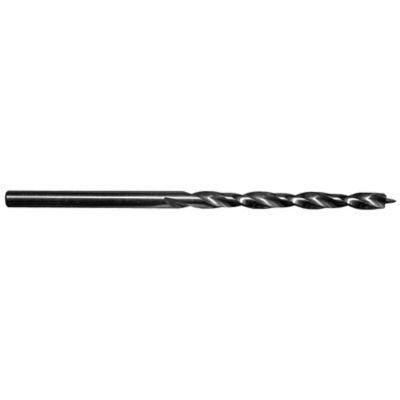
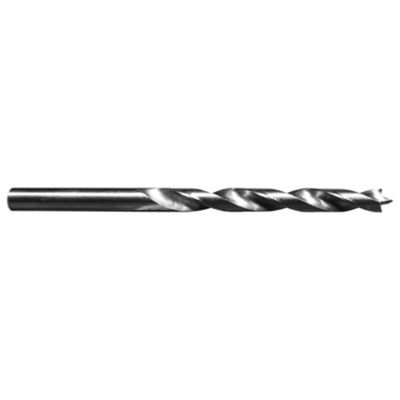
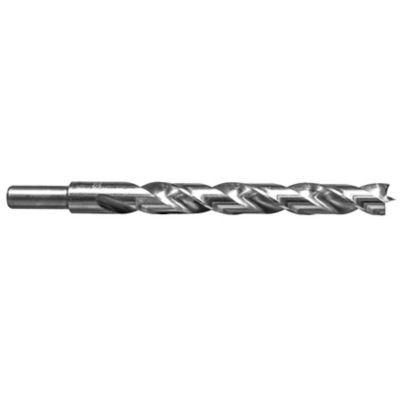
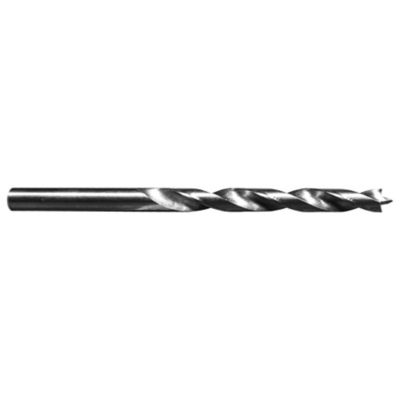
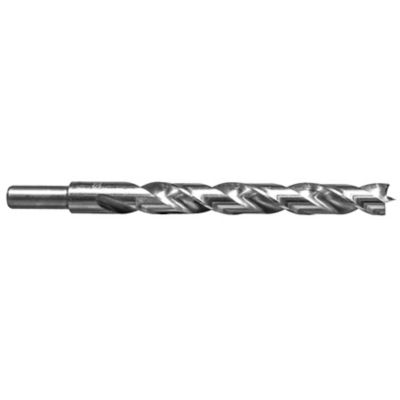
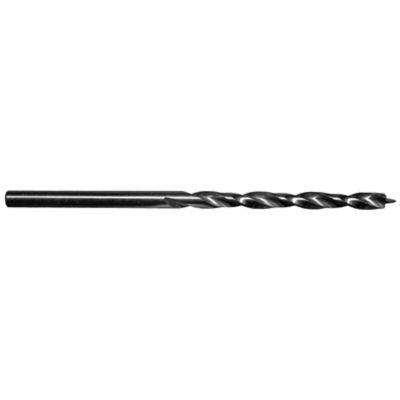
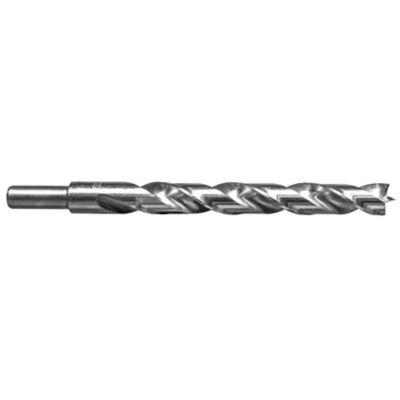
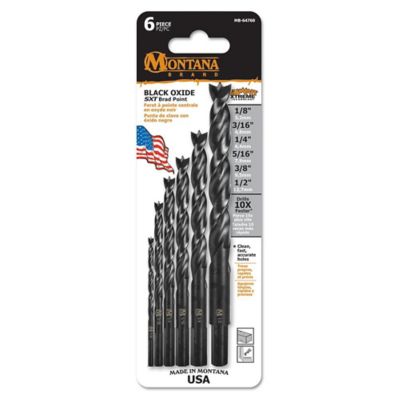
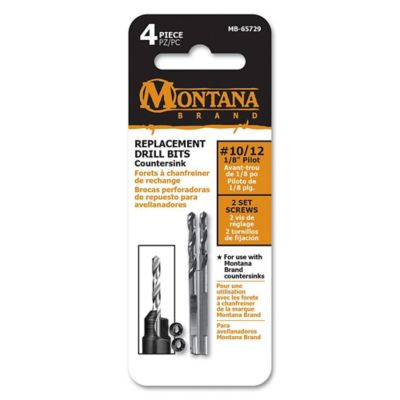
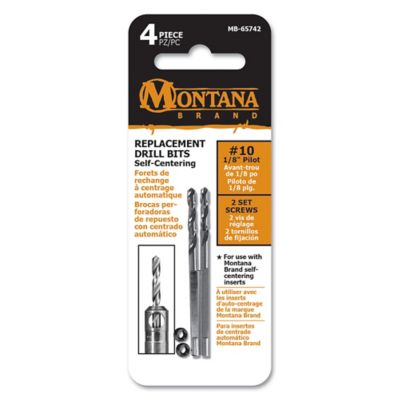
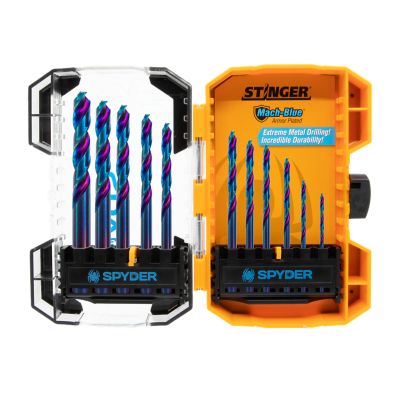
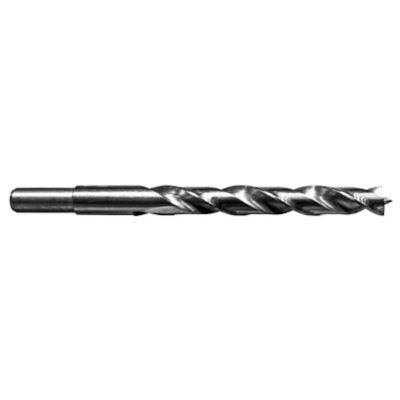
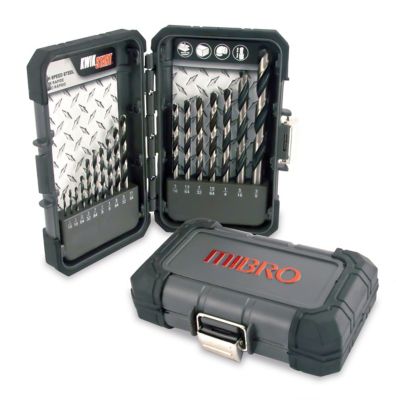
Brad point wood drill bits are wood-boring bits with a sharp center point and outer cutting spurs that help produce clean, precisely placed holes. The center point settles into a layout mark to help keep the bit from wandering, while the outer spurs score the edge of the hole before the main cutting edges remove the wood inside it. That combination makes these bits a good match for work where hole placement and a neat opening matter, from fitting dowels in a cabinet frame to drilling shelf-pin holes or fastening a wooden tool rack to a shop wall. Compared with a general-purpose twist bit, a brad point design offers more control at the start of a hole and helps limit ragged edges across the wood grain. Results still depend on the wood, the condition of the cutting edges, and the drilling setup. Pine and cedar can show torn fibers when an edge gets dull, while dense oak and maple put more demand on the cutting surfaces and require a steady feed. Plywood brings another consideration: its thin face veneer can chip around a hole, particularly where the bit breaks through the opposite side. A snug piece of scrap wood beneath the workpiece helps support those fibers and leaves a cleaner exit. These bits fit naturally into farm shops, garage workbenches, cabinet shops, and home woodworking spaces where repairs and building projects often call for something more controlled than a rough opening. They are especially handy for visible holes, fitted joints, and repeated layouts where a small shift can leave parts out of line. For a replacement cabinet door, a storage bench, or a row of wooden pegs above the workbench, the advantage is straightforward: a defined starting point and cutting edges shaped for wood. They are not a substitute for metal-cutting or masonry bits, and fasteners or other hidden metal in lumber can damage their points and spurs.
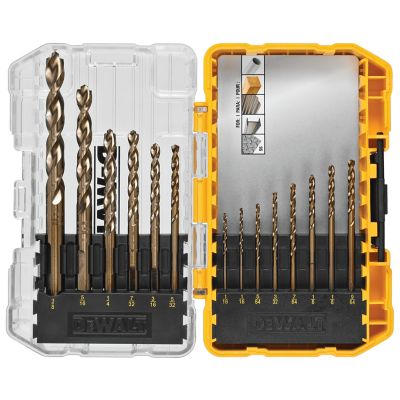
Material, diameter, working length, and shank style all play a part in how brad point drill bits fit the job and the drill. Carbon steel and high-speed steel are common bit materials, with differences in edge retention and resistance to heat during cutting. A sharp carbon steel bit can serve well for many wood-drilling tasks, while high-speed steel is worth considering for repeated drilling and work in denser lumber. For a closer look at that material category,
High Speed Steel Drill Bits for Wood covers wood-drilling options made from high-speed steel. Material alone does not determine the result; the shape and condition of the cutting edges matter, too. Bit diameter deserves particular attention when parts need to fit together. A dowel hole calls for a size matched to the dowel and the intended joint, while a screw pilot hole depends on the screw’s root diameter, the wood species, and the fastener maker’s recommendations. Clearance holes serve a different purpose, allowing a screw shank to pass through one piece so the threads can pull it against another. Fractional-inch and metric measurements are not always interchangeable, so matching the actual measurement helps prevent loose joints or split boards. The length listed for a bit also needs a closer look: overall length is different from flute length, and neither should be mistaken for unrestricted drilling depth. Enough flute space must remain to carry chips out of the hole. Shorter bits generally offer a more compact setup, while longer bits provide reach where the workpiece demands it. Shank diameter must fit within the drill chuck’s capacity, and a round shank needs secure clamping in a compatible chuck. A hex shank may suit certain quick-change holders, but that shape alone does not establish suitability for impact operation. For repeated holes in furniture parts or shop fixtures, a drill press can help maintain alignment; a handheld drill offers flexibility for larger assemblies and work away from the bench.
Good care helps brad point wood drill bits keep their cutting edges and makes the next job go more smoothly. Their projecting center points and small outer spurs deserve protection during storage, since knocking against loose tools can nick the edges that define the hole. A fitted case, divided drawer, or bit holder keeps sizes separated and makes a missing diameter easier to spot before a project gets underway. After drilling, clearing packed wood chips from the flutes and wiping away moisture helps limit rust and buildup. Any protective treatment should follow the bit maker’s care recommendations, especially when a coating is present. Pitch from resinous lumber can collect on the cutting surfaces, adding drag even when the edges are still sharp. During drilling, steady pressure and room for chips to escape matter more than forcing the bit through a stubborn spot. Deep holes benefit from periodic withdrawal to clear the flutes, and suitable drill speed varies with bit diameter, wood density, and the manufacturer’s directions. Smoke, darkened wood, or extra effort can point to excessive heat, packed chips, or an edge that needs attention. Sharpening requires care because changing the relationship between the center point, spurs, and cutting lips can affect how the bit enters and cuts. For stopped holes, such as shelf supports or dowel sockets, the center point extends deeper than the full-diameter portion of the hole; that extra reach matters in thin stock. A depth stop can help keep the point from breaking through a finished face. Secure workholding is just as important for a small cabinet part as for a long board on the shop bench. Clamps keep the wood from spinning or shifting, while eye protection helps shield against flying chips. Whether the task is lining up dowel joints, replacing a wooden drawer front, or building storage for the tack room, properly matched brad point bits bring clean hole edges and controlled placement to everyday woodwork.