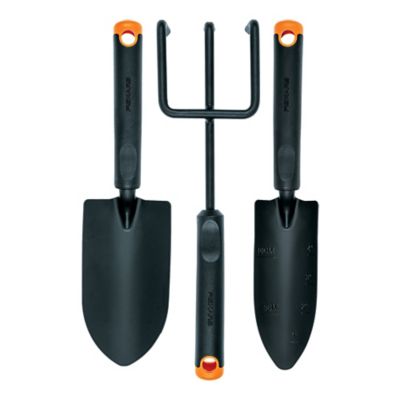
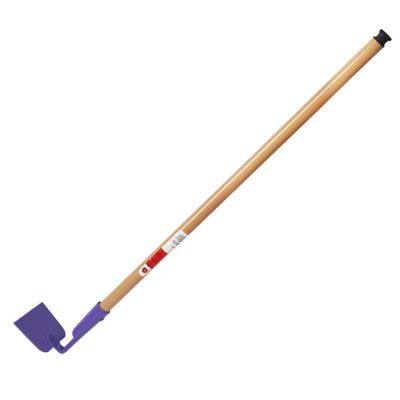
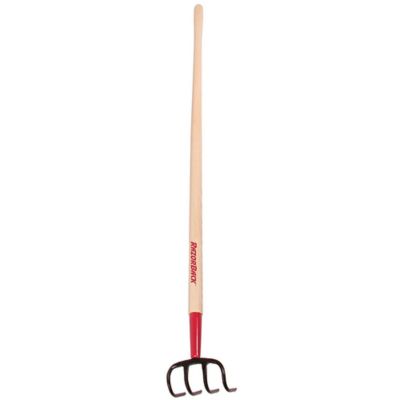
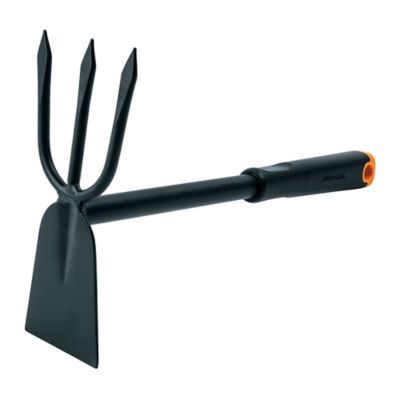
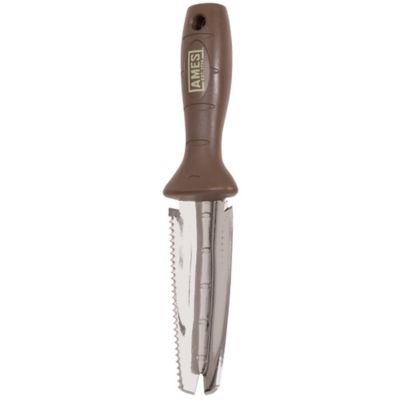
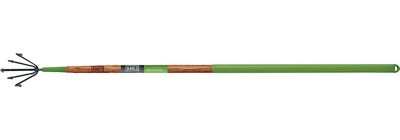
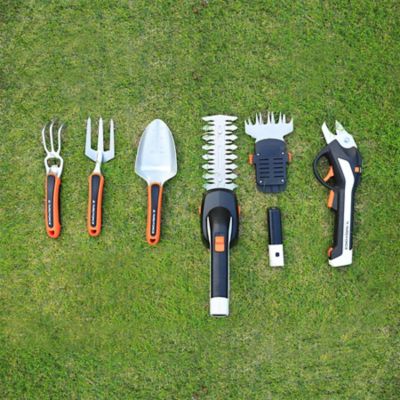
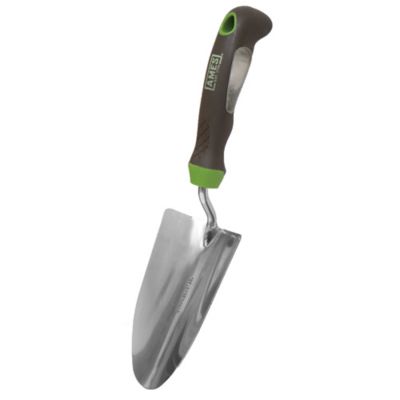
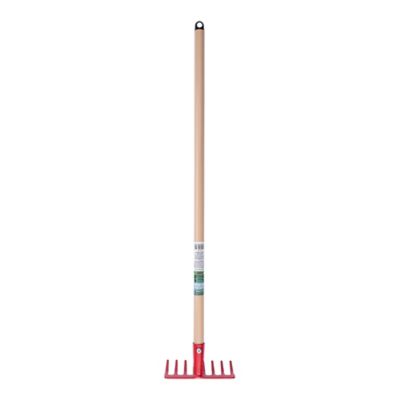
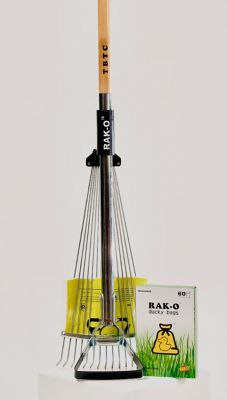
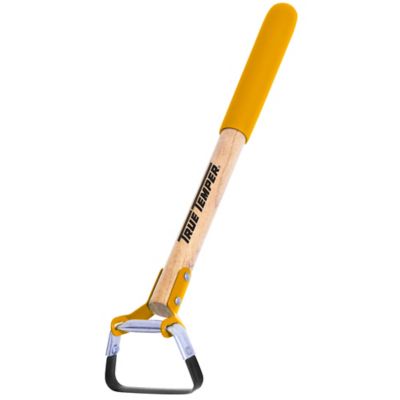
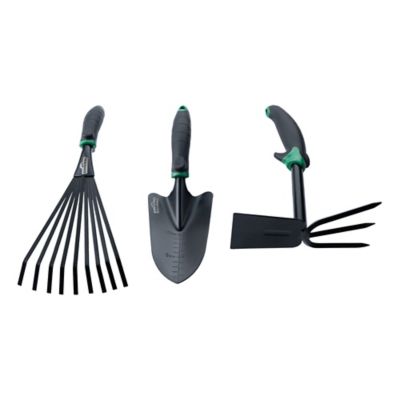
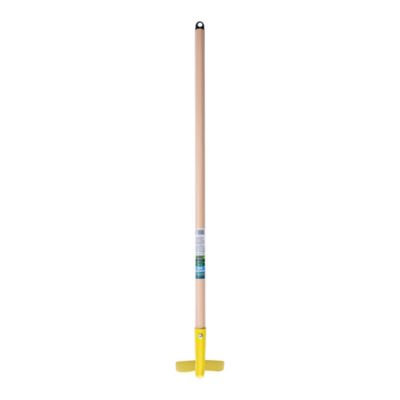
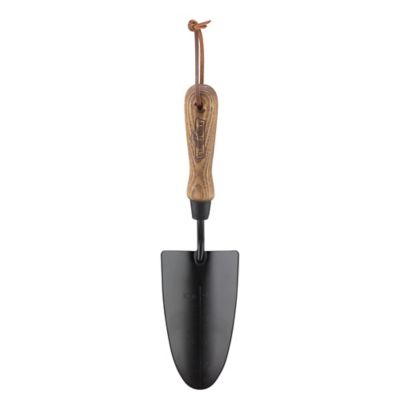
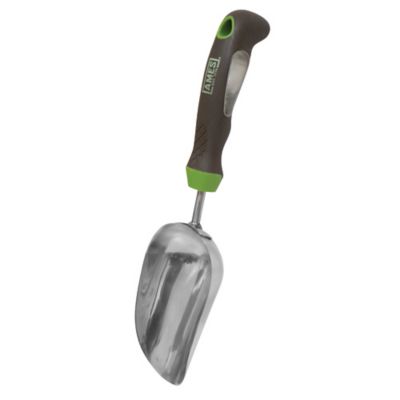
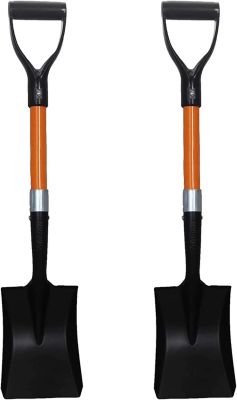
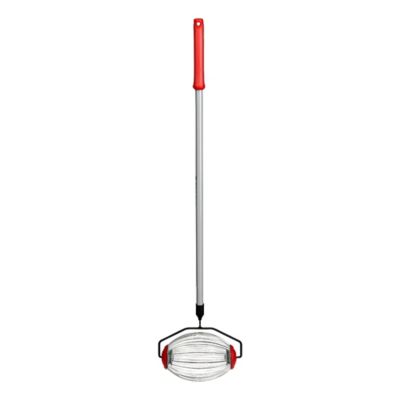
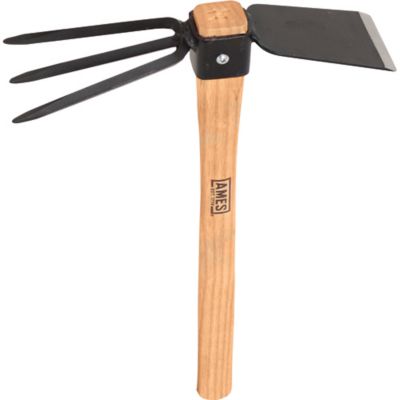
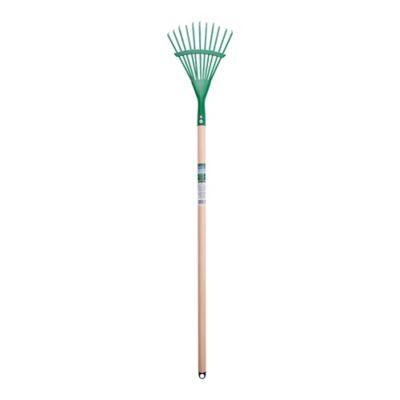
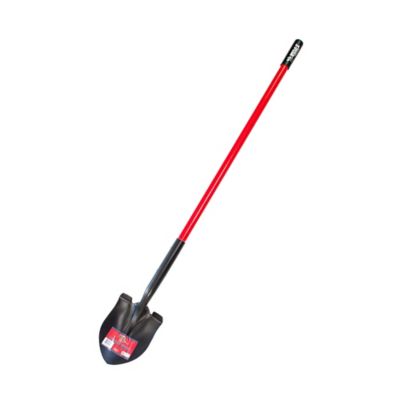
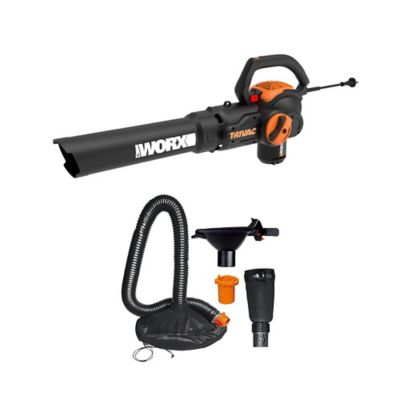
Spring gardening tools include hand trowels, garden forks, hoes, rakes, hand weeders, bypass pruners, and garden knives, with each tool suited to a different part of getting beds ready for planting. A trowel handles small planting holes and work around transplants, while a hand fork loosens soil between plants without needing much room to swing. Narrow weeders reach into tight spaces beside edging or along a fence, where a full-size hoe would be awkward. For larger patches, long-handled shovels, spades, and digging forks put more reach and leverage behind the work. A shovel’s curved blade suits moving loose soil or compost, while a spade’s flatter profile helps define bed edges and slice through turf. Garden rakes break apart small clods and level a planting surface; leaf rakes gather loose leaves and light debris without doing the same heavy soil work. Tasks suited to
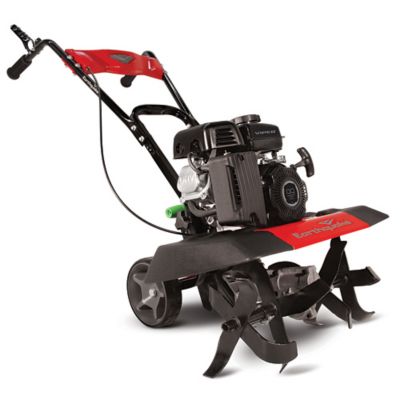
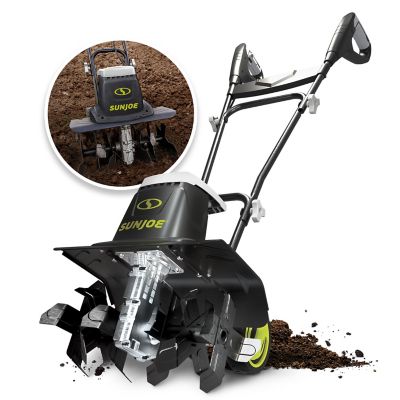
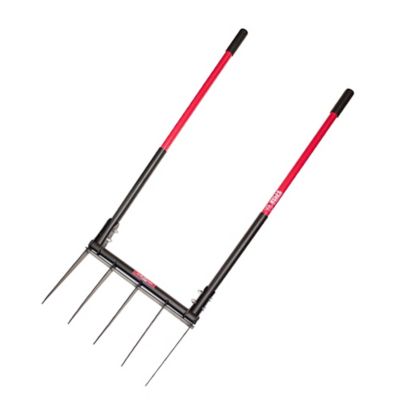
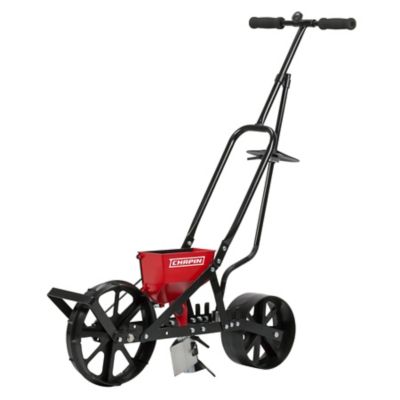
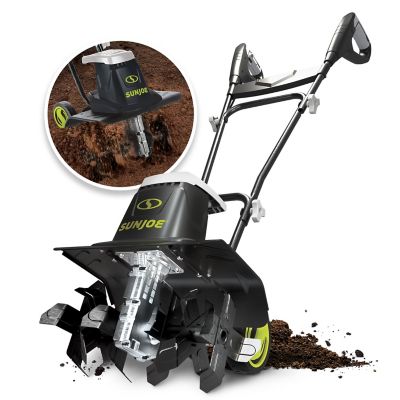
Garden Cultivation Tools range from breaking up the surface of a vegetable patch to working compost into an established flower bed. The right mix depends on the space and the job, not simply the number of tools hanging in the shed. A few containers near the porch call for compact tools that fit between stems and pot rims. A kitchen garden with several rows gives longer handles and wider working heads more room to earn their keep. Raised beds often favor shorter tools that reach across the planting area without forcing an awkward stance. Around a larger property, carts and wheelbarrows help move soil amendments, pulled weeds, and planting supplies between the shed and the garden. Spring planting can mean everything from setting out lettuce starts to refreshing a perennial border, so tools with clearly matched purposes make more sense than several pieces that all do nearly the same job. For a new gardener, those differences help narrow the choices; for someone tending the same patch for years, they help fill a gap in an established tool lineup.
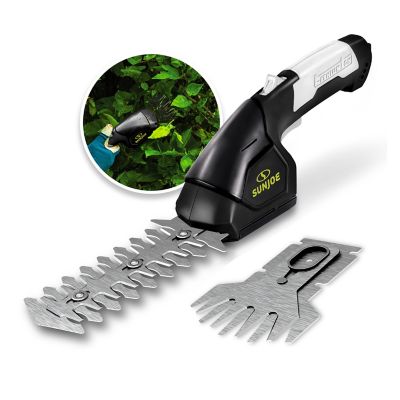
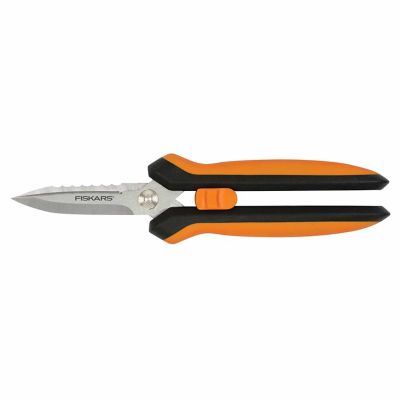
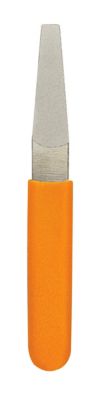
Materials and fit make a noticeable difference when spring garden work stretches beyond a few minutes. Stainless steel working heads resist rust and tend to shed damp soil readily, while carbon steel offers strength and takes a keen edge with proper care. Neither material is maintenance-free, and the thickness, shape, and connection points matter along with the metal itself. A firmly seated head and a sound handle joint help a digging tool feel steady under pressure. Lightweight aluminum can make small hand tools easier to carry, while heavier steel may feel better suited to firm ground. Wood handles offer a familiar feel and can be comfortable in the hand; fiberglass handles resist moisture-related swelling and bring a different balance to a full-size tool. Grip shape matters, too. A padded handle may soften pressure across the palm, but an oversized grip can be tiring for smaller hands. Handle length should match both the gardener and the working position, whether that means standing beside an in-ground row or sitting near a raised planter. Wrist position, reach, and overall weight are worth considering together rather than judging a tool by its size alone. Cutting tools bring their own considerations. Bypass pruners make a shearing cut suited to live stems, and the opening span needs to feel manageable without stretching the hand. A latch that operates easily with garden gloves on is a practical detail, especially when moving between pruning and planting. Garden knives with marked blades can help with planting depth, while their narrow shape suits dividing small clumps or working beside roots. Gloves, kneeling pads, and tool bags support the work without taking the place of a properly fitted tool. Snug glove fingertips leave less loose fabric around small stems, a stable kneeling pad cushions contact with the ground, and separate bag pockets keep sharp edges from rubbing against other equipment. These details matter to backyard growers, flower gardeners, and anyone spending a good part of the day close to the soil.
Care and storage also shape how spring gardening tools perform over time. Soil left packed around a blade or handle socket holds moisture against the material, and sap on pruning blades can leave cutting action sticky. Tools that are easy to wipe down, dry, and inspect fit more comfortably into a regular garden routine. Smooth surfaces, accessible joints, and replaceable components can make ongoing upkeep less of a chore. Steel edges benefit from appropriate sharpening, moving joints may need a light application of oil according to the manufacturer’s directions, and wood handles deserve attention when the surface starts feeling rough or dry. A sheltered storage spot keeps equipment out of rain and away from constant ground moisture; blade covers and closed latches help protect cutting edges between jobs. Spring soil conditions affect tool choice as well. Heavy, sticky clay puts different demands on a digging head than loose, sandy ground, and saturated soil can cling to a blade while compacting underfoot. A narrow working head offers control around established plants, while a broader head moves more loose material with each pass. Even a stout digging tool has limits when a buried rock or thick root turns the job into prying, so intended use matters as much as construction. For households sharing garden chores, a mix of handle lengths and tool weights can make the same bed more comfortable for different people to tend. Clear storage spots also make it easier to spot a missing trowel before it disappears beneath a pile of pulled weeds. As gifts, spring gardening tools make sense when they match the recipient’s habits: compact hand tools for a container gardener, comfortable cutting tools for someone tending flowering shrubs, or carrying gear for a gardener whose beds sit a good walk from the shed. A useful garden setup grows around the work that happens most often, with pieces that feel comfortable in hand, suit the ground, and remain straightforward to care for after a muddy afternoon.