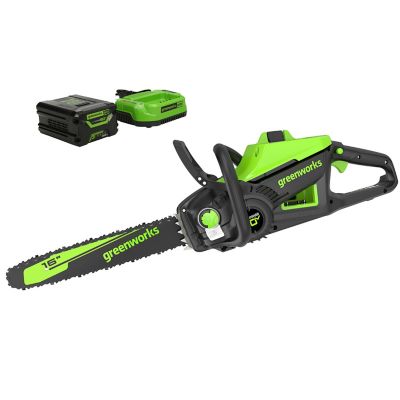
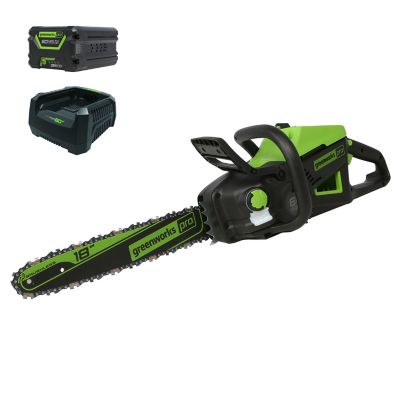
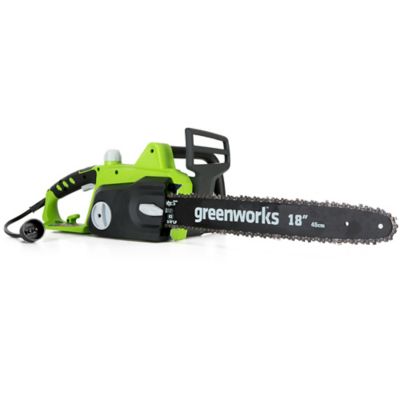
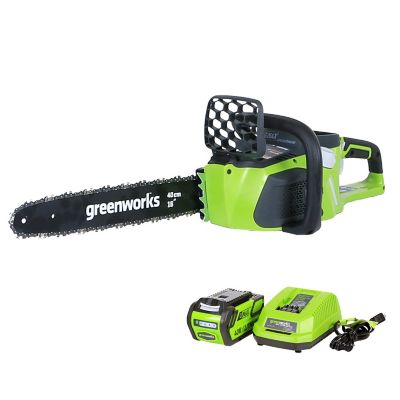
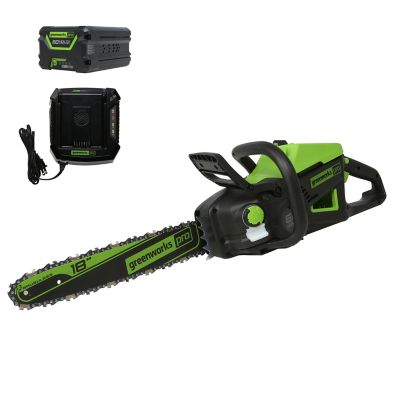
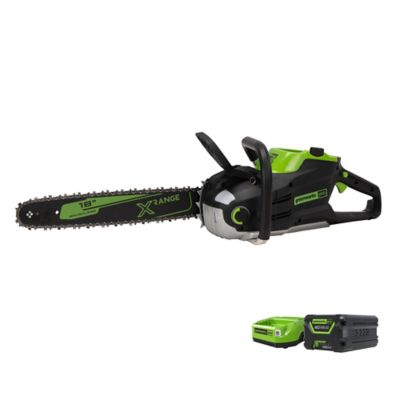
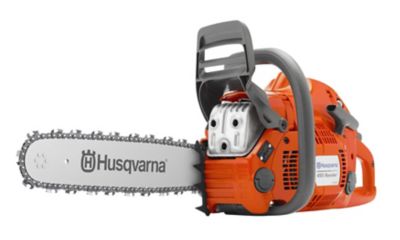
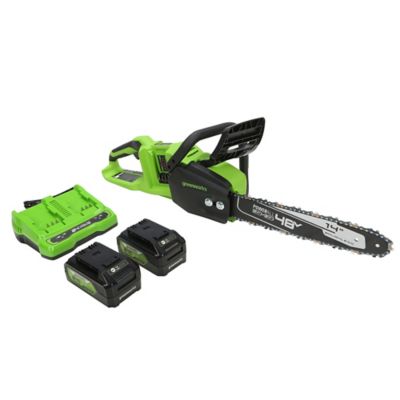
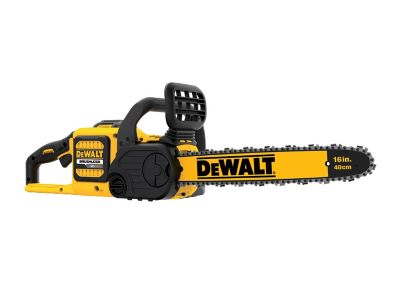
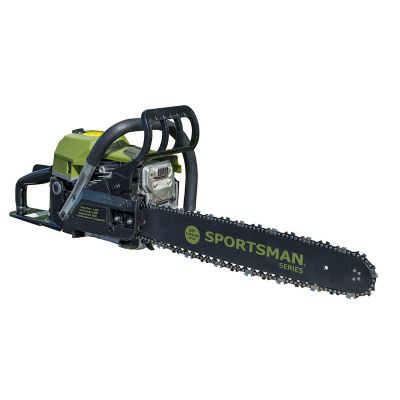
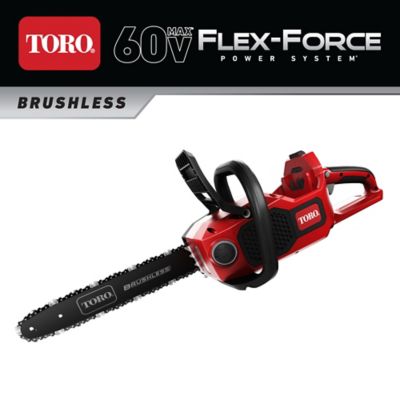
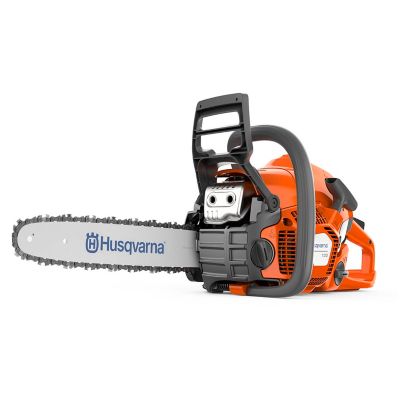
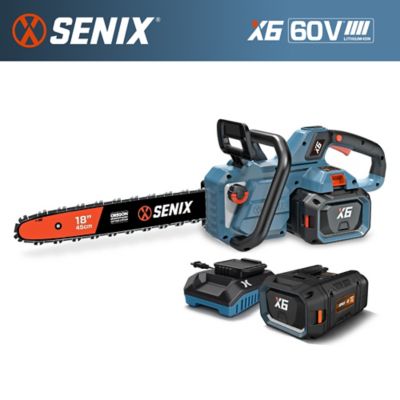
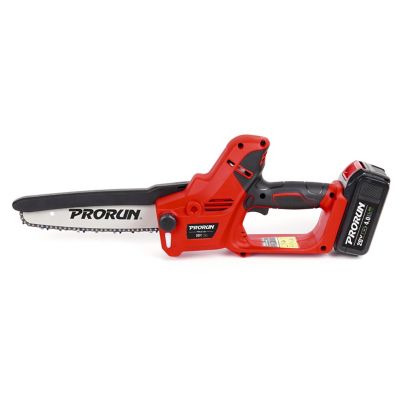
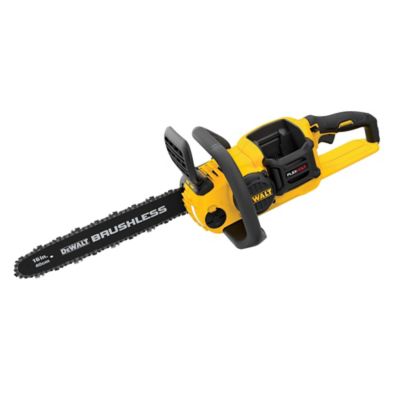
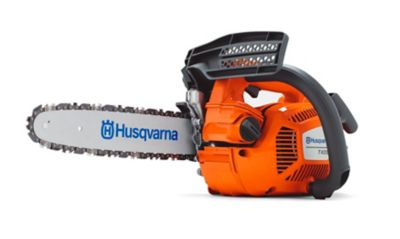
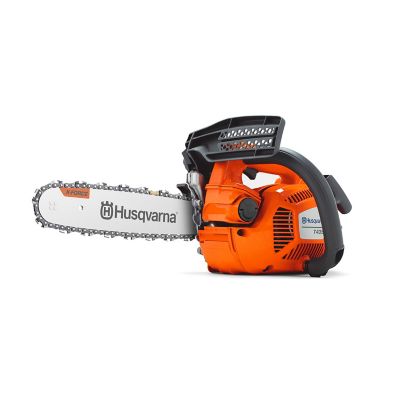
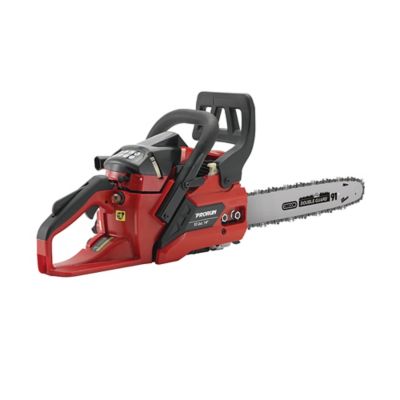
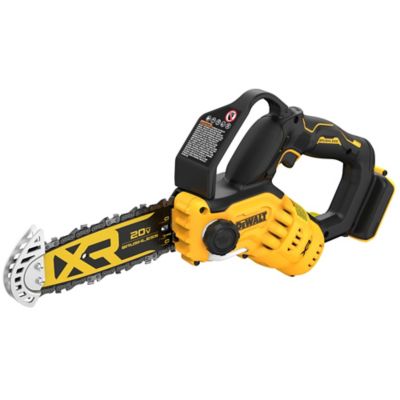
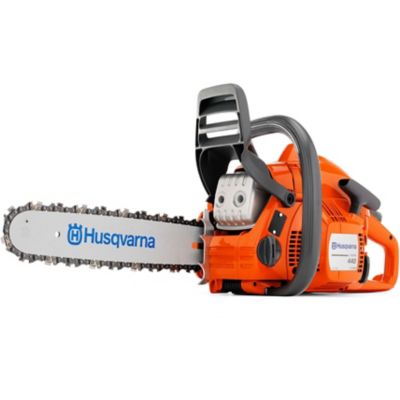
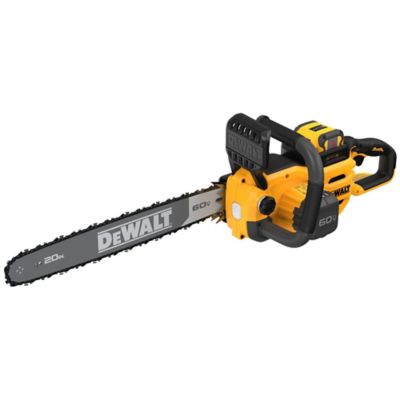
Battery-powered chainsaws bring portable cutting power to the everyday jobs that come with a yard, acreage, or a place out in the country. A cordless chainsaw runs its cutting chain around a guide bar with an electric motor, letting you work beyond the reach of an outlet without managing an extension cord. There’s no gasoline to mix and no gasoline-engine exhaust at the tool, though the chain still needs lubrication and regular attention. These saws fit jobs such as trimming manageable limbs from downed branches, cutting small logs into firewood lengths, and breaking down woody material that’s too thick for pruning shears. The right fit depends on the wood, the size of the cuts, and how much cutting a typical workday involves. A shorter guide bar can be easier to maneuver around smaller material, while a longer bar provides more cutting reach but also changes the saw’s weight and handling. Bar length alone doesn’t tell the whole story: motor output, chain design, battery capacity, and the condition of the cutting teeth all affect how a saw works through wood. Brushless motors, where included, eliminate motor brushes that otherwise wear over time and can help make efficient use of battery power. For a homeowner clearing a few fallen limbs or a landowner sizing up a modest woodpile, controlled handling often matters more than choosing the longest bar. A full-size tree, a hung-up limb, or wood under heavy tension calls for a different level of equipment and experience than ordinary ground-level cleanup. Cordless operation doesn’t make a chainsaw a light-risk tool, and overhead work or cutting from a ladder is no place for a handheld chainsaw. Keeping the intended job in mind helps narrow the choice to a saw that feels manageable, has suitable cutting capacity, and matches the operator’s experience rather than simply looking capable on paper.
Battery fit deserves as much attention as the saw itself, especially when other cordless equipment already has a spot in the shed. Chainsaw batteries and chargers must match the manufacturer’s specified platform; matching voltage numbers alone does not establish compatibility. A battery that fits one tool family may not fit another, even when the labels look similar. Voltage is also not a stand-alone measure of cutting performance. Battery capacity, often listed in amp-hours, helps describe how much charge a pack holds, but actual cutting time varies with wood hardness, log diameter, chain sharpness, and how hard the saw is working. Larger battery packs can provide more working time while adding weight, so a saw’s balance with the battery installed is worth considering. For a few cuts beside the fence, easy handling may take priority; for repeated cuts at a sawbuck, an additional compatible charged battery can help limit interruptions. Charging time matters, too, since a single pack may not keep pace with a long stretch of cutting. Package contents deserve a close look because a tool-only purchase requires a suitable battery and charger, while a kit may include them. A
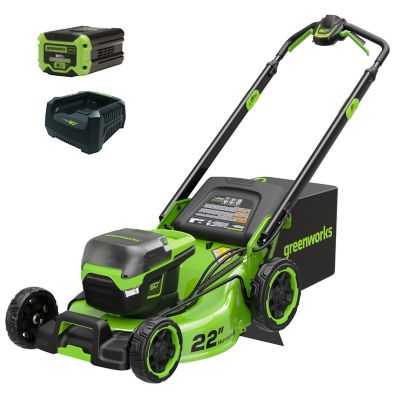
Greenworks Cordless Lawn Mower can round out a cordless yard-tool setup, but any shared-battery arrangement still needs confirmation for the exact tools and battery platform. Beyond the battery, handle shape, grip spacing, and access to controls affect how comfortably the chainsaw sits in gloved hands. A firm two-handed grip and stable footing matter throughout the cut. Eye protection, hearing protection, sturdy footwear, and chainsaw leg protection belong alongside the saw, with protective equipment selected for the equipment and work involved. Chain brakes, front hand guards, and trigger lockouts are important features where fitted, but none replaces safe cutting practices or prevents every kickback situation. A saw that suits the operator’s reach, strength, and experience is a better match than extra capacity that makes steady control harder.
The parts that meet the wood need care long after the first charge. Chainsaw cutting systems generally pair a steel guide bar with a steel chain, while housings may combine molded polymer and metal components to balance protection and weight. Cutting teeth are wear parts, and even a capable motor struggles when the chain gets dull or damaged. Dirt, stones, and metal hidden in wood can quickly take the edge off a chain, making clean cutting material and a clear work area especially important. Replacement chains must match the specified pitch, gauge, and drive-link count, not just the bar’s stated length. The correct sharpening tools and filing specifications matter for the same reason: the cutting system works as a matched set. Bar and chain oil is separate from fuel, and a battery-powered saw still needs the lubricant specified in its manual. An automatic oiler, where included, feeds oil to the cutting system, but it doesn’t remove the need to check the reservoir and keep oil passages clear. Proper chain tension supports smooth travel around the bar; the correct adjustment method and checking interval come from the saw’s manual, not a one-size-fits-all gap measurement. Battery removal before chain adjustment, cleaning, or other maintenance helps guard against an unintended start. Clean bar grooves, clear cooling openings, and routine inspection for loose or damaged parts help keep ordinary wear from becoming a bigger problem. For storage, a fitted bar cover protects the cutting attachment, while a dry, secure spot keeps the saw and batteries away from children and accidental damage. Battery charging and storage should follow the manufacturer’s directions, including guidance for longer periods between jobs. For someone receiving a chainsaw as a gift, an existing battery platform and comfort with power equipment are useful starting points. For the person putting it to work, the best match is a manageable saw with the cutting capacity, compatible power supply, and straightforward upkeep that fit the chores waiting beyond the back gate.