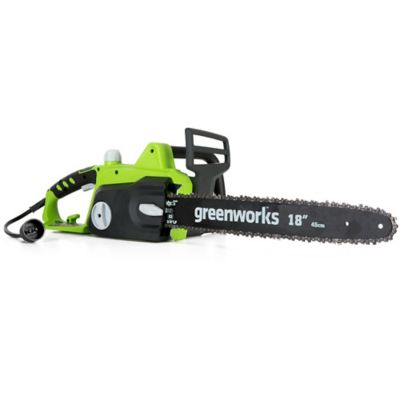
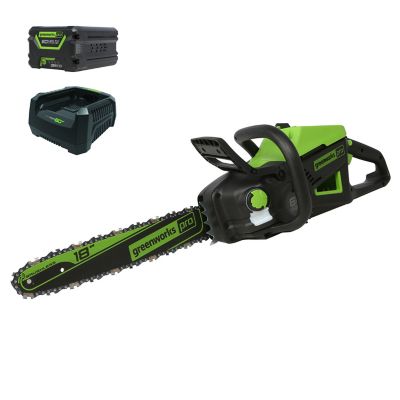
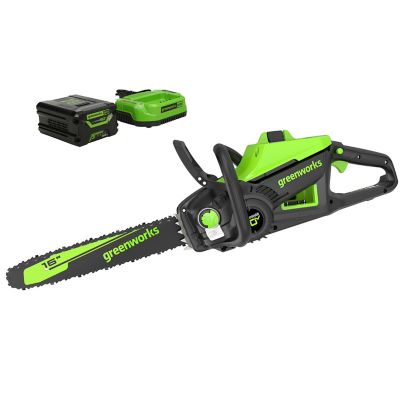
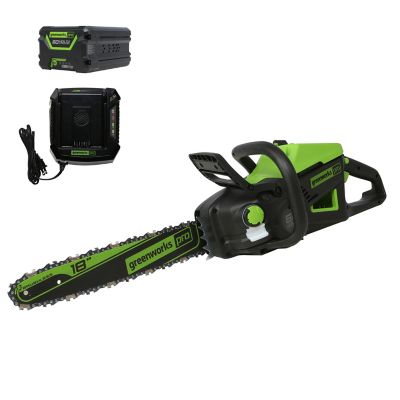
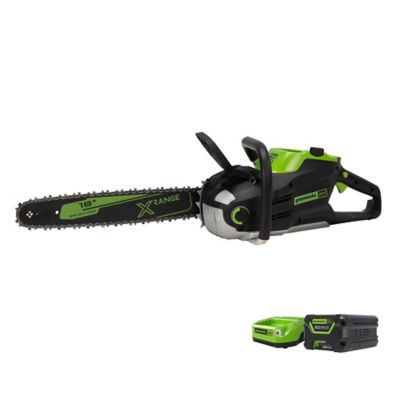
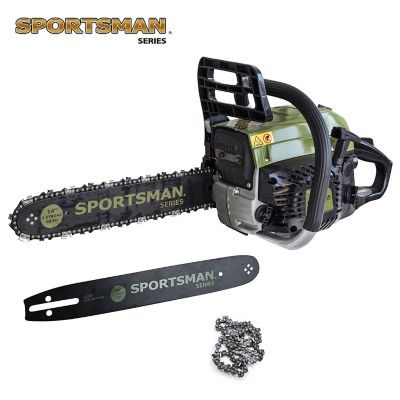
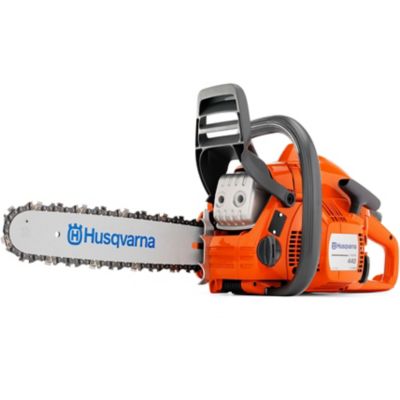
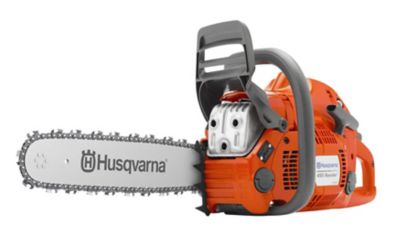
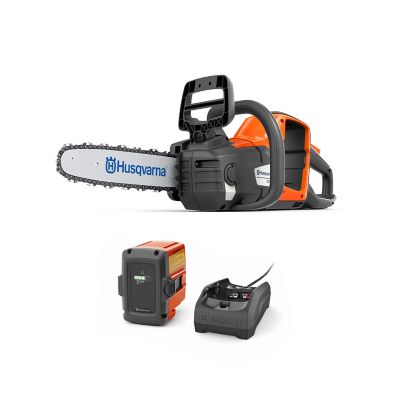
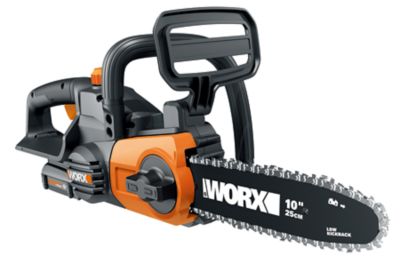
Green chainsaws can be a handy fit for homeowners, landowners and weekend do-it-yourselfers who want dependable cutting power without reaching for a gas can every time a limb comes down. In many searches, “green chainsaw” may mean a cordless chainsaw in a bright green finish, an electric saw chosen as a cleaner-running alternative to gas equipment, or both. Battery-powered models start with the push of a button, run without exhaust fumes and generally make less noise than gas-powered saws, which is useful around houses, barns, campsites and nearby neighbors. They also skip fuel mixing, pull-cord starting and the small-engine maintenance that can turn a quick chore into an afternoon project. A compact saw with a shorter bar can handle pruning, storm cleanup and cutting small branches for kindling, while larger cordless saws offer more reach and cutting capacity for firewood, fallen limbs and routine property upkeep. If you are shopping for a gift for a new homeowner, a relative with a few acres or the handy person who keeps the family place in shape, a green cordless chainsaw can be a practical choice, especially when paired with the right battery and charger. Before buying, take a look at the saw’s bar length, voltage, battery capacity, weight and intended workload. A 10- to 12-inch bar is often comfortable for light trimming and small-diameter wood, while a 14- to 16-inch bar gives more room for medium logs and larger fallen branches. Models with longer bars may be better suited to heavier cutting, though a longer bar can also add weight and require more control. For quick jobs close to the house, a lightweight saw is easier to carry and maneuver. For repeated firewood cutting or cleanup across a larger property, look for a higher-voltage platform, a larger amp-hour battery and a brushless motor designed to provide efficient power over longer work sessions.
Battery compatibility is another important part of the decision. If you already use cordless tools from the same battery platform, choosing a matching chainsaw may let you share batteries and chargers instead of building a separate collection in the shop. Keep in mind that run time depends on the wood’s size and hardness, the chain’s sharpness, the operator’s technique and how often the saw is stopped and started. Battery capacity is commonly shown in amp-hours; a higher number can provide more usable cutting time, but it may also add weight. Check whether a battery and charger are included, and consider keeping a charged spare on hand when clearing a long fence row or processing a pile of storm-damaged limbs. Automatic chain oiling helps keep the chain moving smoothly, while tool-free tension adjustment makes routine checks simpler. A chain brake, hand guard, wraparound handle, trigger lockout and sturdy bucking spikes are useful features to look for because they support control during ordinary cutting tasks. Some cordless saws also include translucent oil reservoirs, soft-grip handles or vibration-reducing designs that make a noticeable difference when the work stretches past a few cuts. For very small pruning jobs,
Mini Chainsaws can be easier to handle and store than a full-size saw. No matter the size, inspect the chain before each use, fill the bar-and-chain oil reservoir as directed and make sure the battery is seated securely. A dull chain produces fine dust, cuts slowly and encourages extra pressure; a sharp chain produces larger chips and lets the saw do the work. Follow the owner’s manual for chain adjustment, charging, storage and replacement parts, and use only the battery, charger, bar and chain combinations approved for that saw.
Chainsaw work calls for a steady pace and a clear work area, whether the saw is bright green, another color or built for heavy-duty use. Wear eye protection, hearing protection, gloves, long pants and sturdy, slip-resistant boots; chainsaw chaps or other protective legwear are a smart choice whenever you are cutting larger wood. Before starting, look for overhead branches, hidden wire, nails, rocks, fence posts and uneven ground. Keep both hands on the handles, stand with your feet balanced and avoid cutting above shoulder height. Let the chain reach the wood rather than forcing the bar, and never use the tip casually, since contact at the upper nose can cause kickback. Cut only within your comfort level, and leave storm-damaged trees, hung-up limbs, spring poles and trees near utility lines to trained professionals. During the cooler months, cordless saws are especially convenient for clearing a driveway after wind, trimming branches away from a roof or cutting manageable pieces for a woodstove, but cold temperatures can affect battery performance. Store batteries indoors in a dry place, allow them to warm to the manufacturer’s recommended temperature before charging and keep the saw protected from rain and snow. When the job is finished, brush away chips, wipe down the housing, check the chain tension and store the tool where children and animals cannot reach it. With the right bar size, battery setup and safety features, green chainsaws can make everyday property maintenance feel less like a chore and more like another well-prepared task on the farm or around the home.