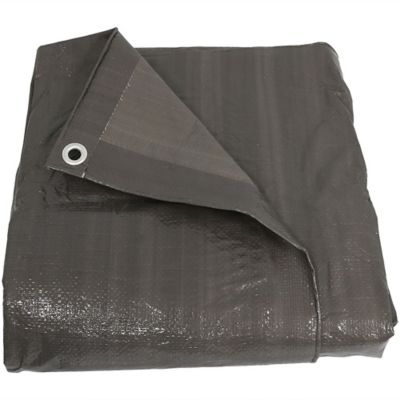
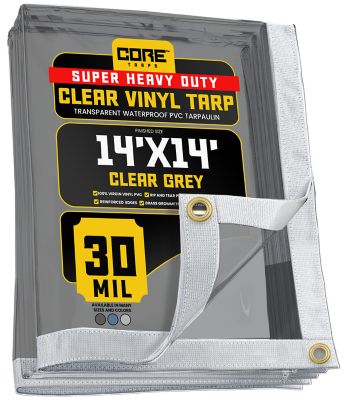
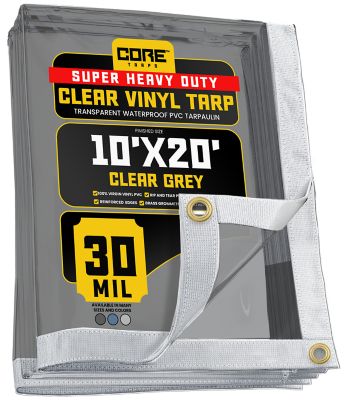
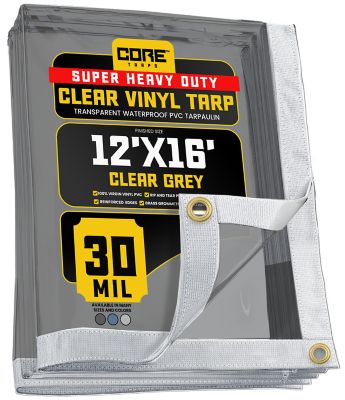
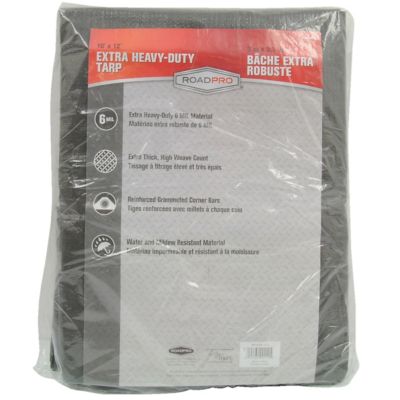
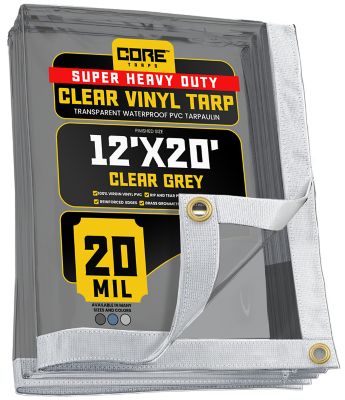
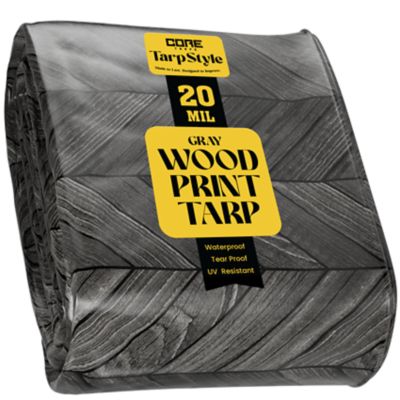
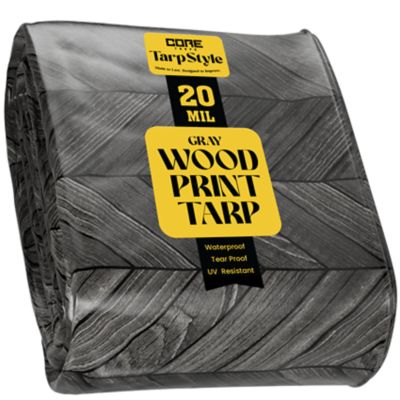
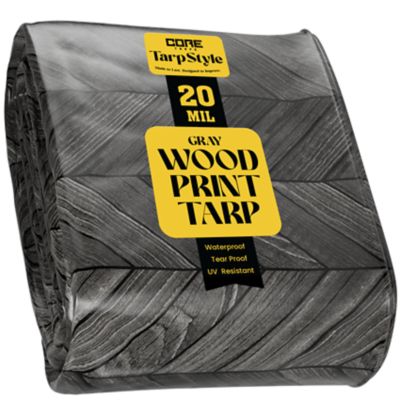
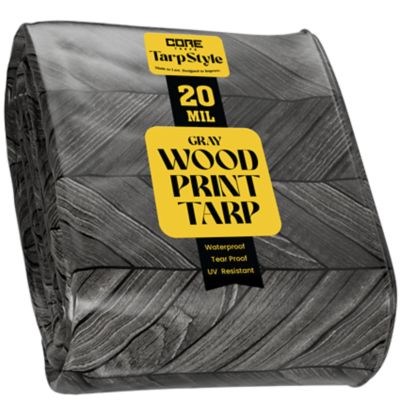
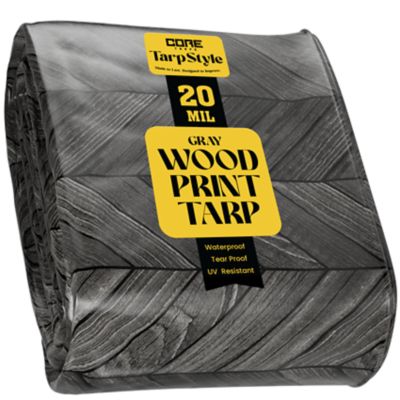
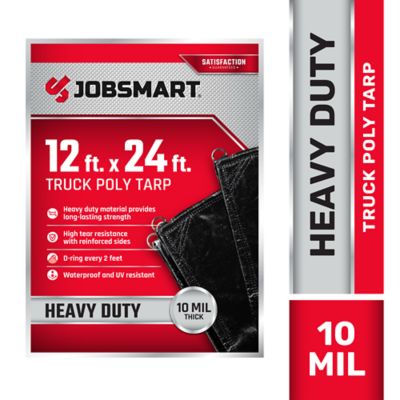
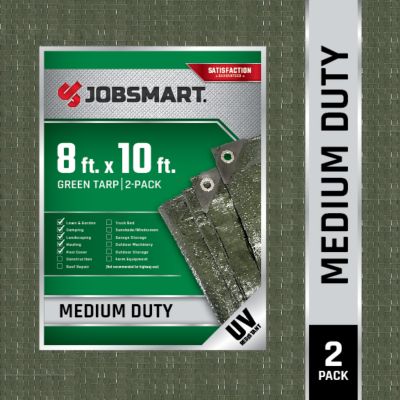
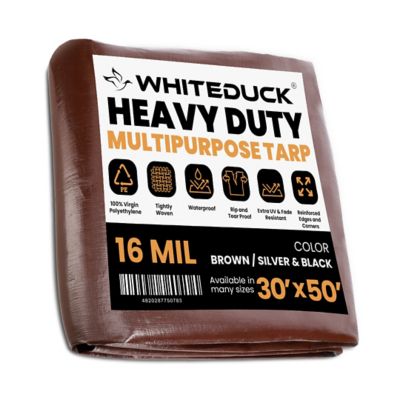
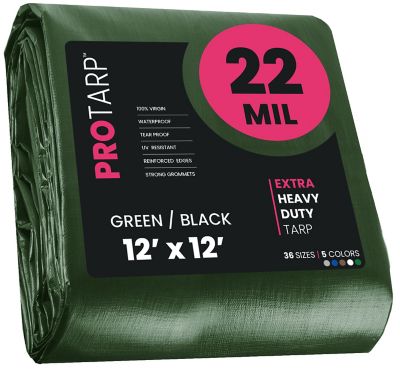
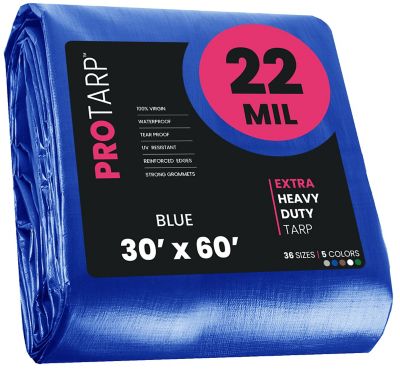
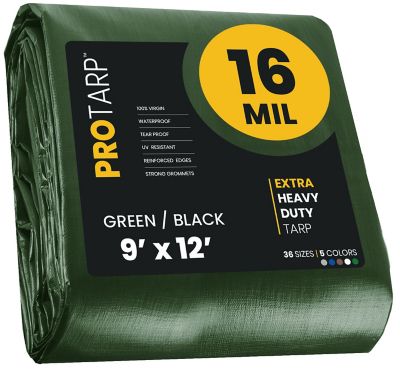
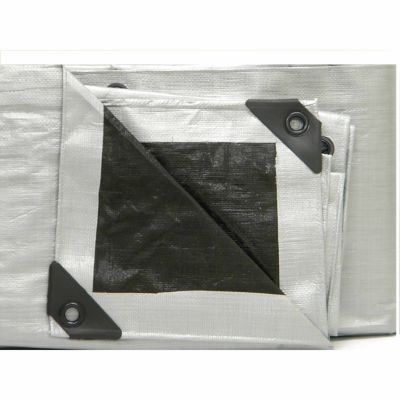
Gray tarps are a practical pick for covering, sheltering, and protecting items around the farm, ranch, jobsite, campsite, or home. Their neutral gray color blends into gravel drives, barns, sheds, fences, and equipment areas without standing out like brighter cover colors, which helps keep a work area looking orderly. Depending on the material and construction, a gray tarp may serve to shield firewood from rain, cover a stack of lumber, protect outdoor furniture, hold down loose materials, cover a trailer, or provide a quick windbreak near a livestock area. Polyethylene tarps are a common choice for general outdoor work because they are light enough to handle without much fuss and come in a range of thicknesses, often around 10 to 20 mil. A lighter tarp can work well for short-term coverage, light loads, and seasonal chores, while a heavier option offers more resistance to scuffs, punctures, and rough handling. PVC-coated vinyl tarps are made for more demanding jobs and may be available in weights such as 18 oz or 22 oz, giving them a substantial feel for equipment coverage, construction work, transport, and extended outdoor use. Waterproof construction helps direct rain away from the items beneath the cover, while UV-resistant fabric helps slow sun damage during periods of outdoor exposure. No tarp can replace proper tie-downs or thoughtful placement, but selecting a material suited to the job goes a long way toward keeping water, dust, leaves, and shifting weather off valuable gear.
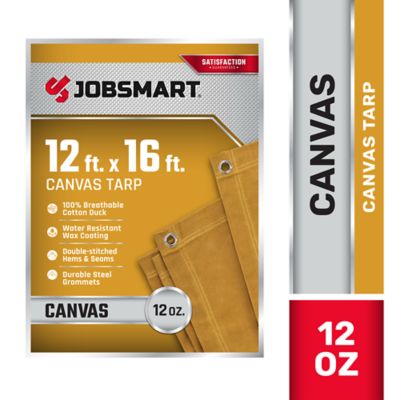
Start by measuring the item or area you plan to cover, then allow extra room for the tarp to hang over the sides and reach the tie-down points. A cover that is barely large enough may pull tight across corners, leaving gaps where rain can collect or blow underneath. On the other hand, a tarp with a lot of loose material can flap hard in the wind and place added strain on the grommets. Look for reinforced hems, strengthened corners, and evenly spaced grommets, often set about 18 to 24 inches apart. Brass or stainless-steel grommets can help resist rust, especially near wet ground, livestock waterers, or coastal air. Heat-welded seams and reinforced edges add support where the fabric takes the most stress. Use rope, bungee cords, straps, or suitable tie-downs that match the size of the tarp, and secure several points rather than relying on one corner. For a roof, hay stack, trailer, or other broad surface, create a slight slope so rain can run off instead of forming a heavy pocket. Keep the tarp from rubbing against sharp metal, rough boards, or branches, and place padding beneath contact points when needed. Mesh tarps serve a different purpose by allowing air to pass through while still providing shade, with some styles offering about 86% shade coverage. They can be useful around patios, garden areas, equipment spaces, and open-sided shelters where airflow matters more than full rain protection. Waterproof canvas offers another option for agricultural storage and machinery coverage when a breathable, water-resistant fabric is preferred. Before buying, consider how often the tarp will be moved, whether it will face strong sun or freezing weather, and whether the job calls for full water protection, airflow, shade, or a balance of those features.
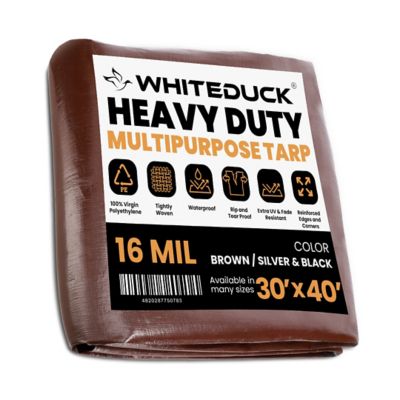
Gray tarps fit a wide range of routines because they can be folded into a truck box, stored on a shelf in the barn, or kept with camping and emergency supplies. Farmers and ranchers may use them for feed and equipment coverage, temporary repairs, firewood piles, fencing work, and seasonal storage. Homeowners can reach for one during roof work, landscaping, painting, hauling, storm cleanup, or a move across town. Hunters, campers, and outdoor workers may use a tarp beneath gear, over a load, or as part of a simple shelter, provided the fabric, size, and tie-down system match the conditions. A well-chosen tarp can also make a useful present for someone setting up a new homestead, outfitting a trailer, maintaining a hunting camp, or taking on regular property projects. For another neutral color option, browse
Brown Tarps. When comparing gray tarps, pay close attention to dimensions, fabric weight, thickness, seam construction, grommet spacing, and the intended setting. A small cover for a wheelbarrow or woodpile has different needs than a broad cover for machinery or a trailer. During the cooler months, inspect the tarp after wind, sleet, or heavy rain, clear standing water and snow when safe, and retighten tie-downs if the fabric begins to sag. Once the job is finished, brush away dirt, let the tarp dry fully, fold it without forcing wet fabric into a tight bundle, and store it away from rodents, sharp tools, and prolonged sunlight. These simple habits help keep a gray tarp ready for the next muddy chore, stormy afternoon, or busy day out on the place.