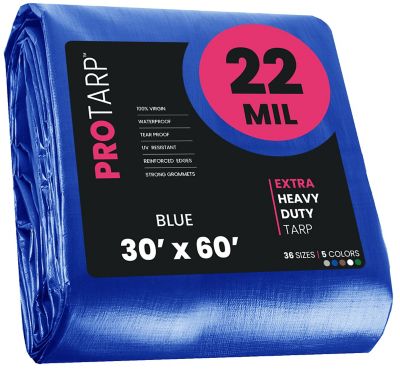
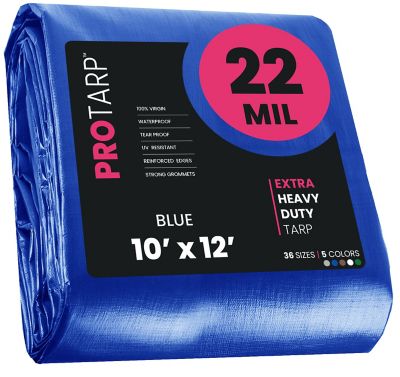
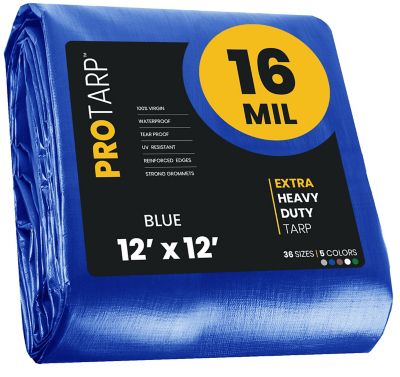
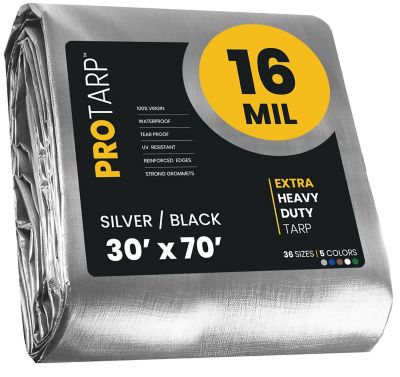
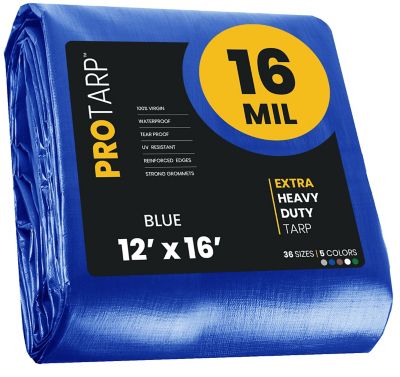
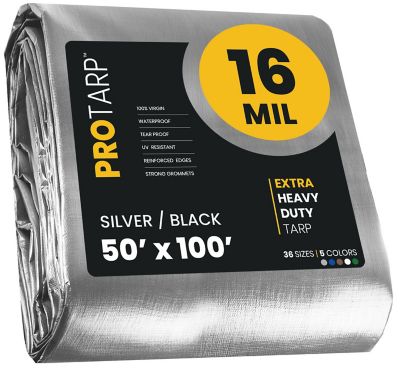
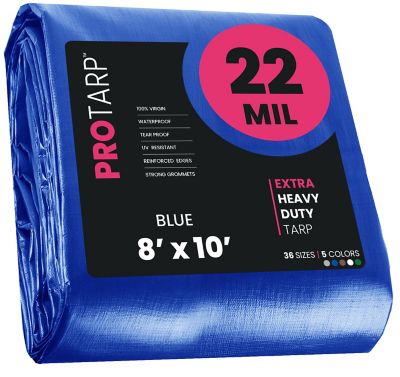
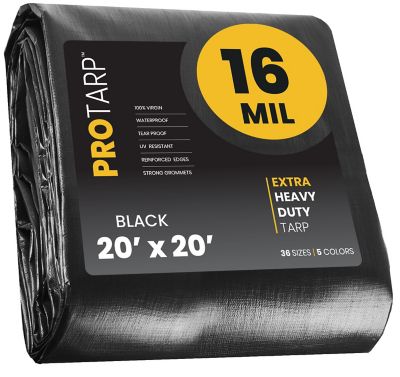
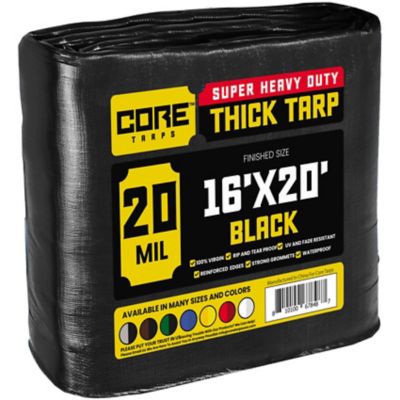
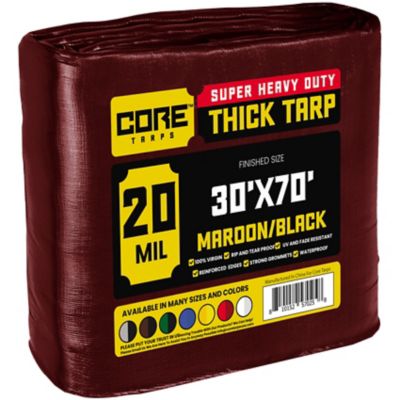
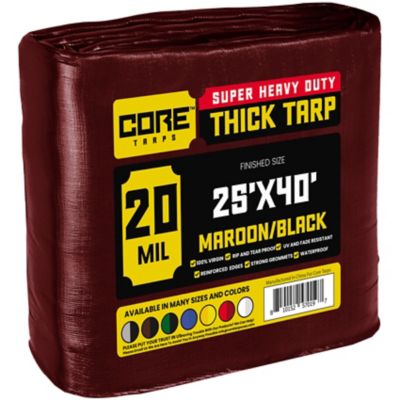
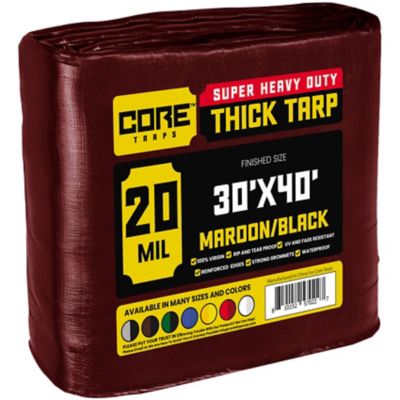
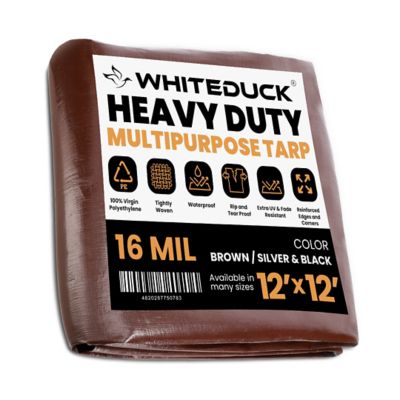
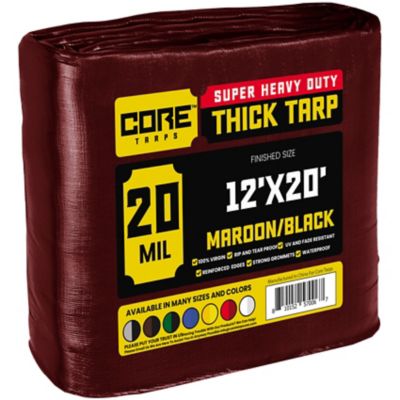
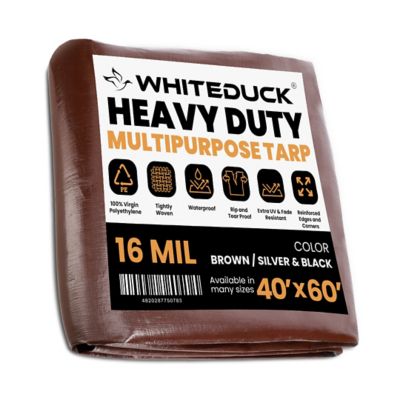
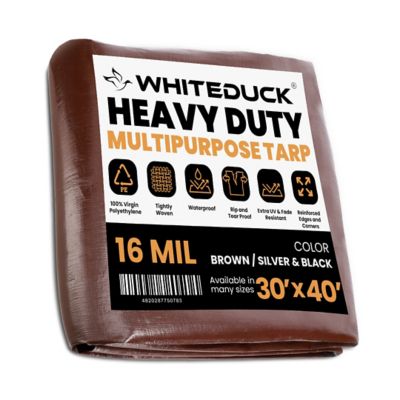
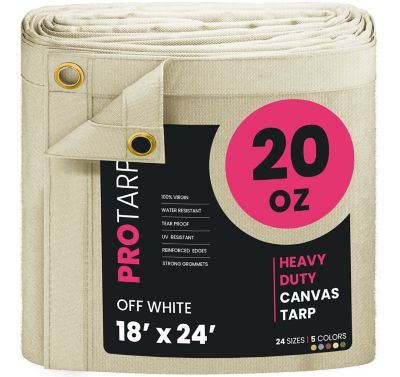
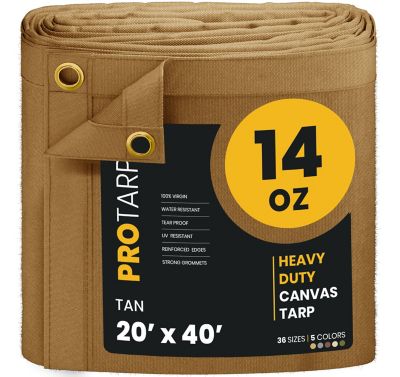
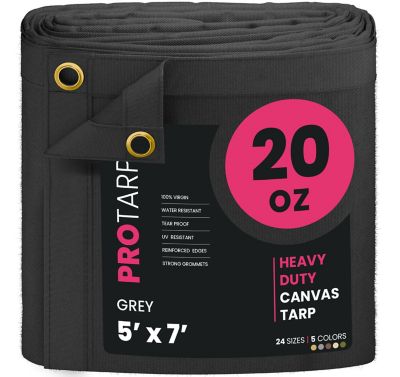
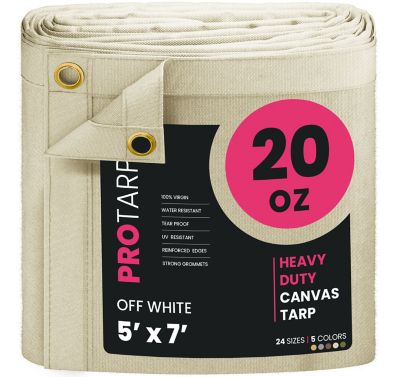
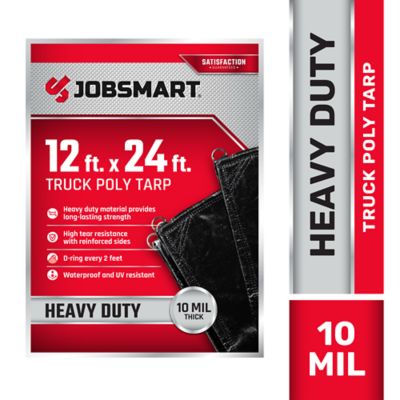
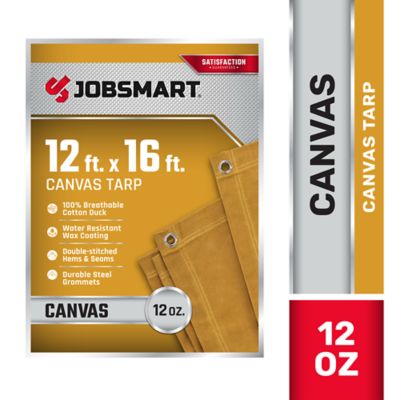
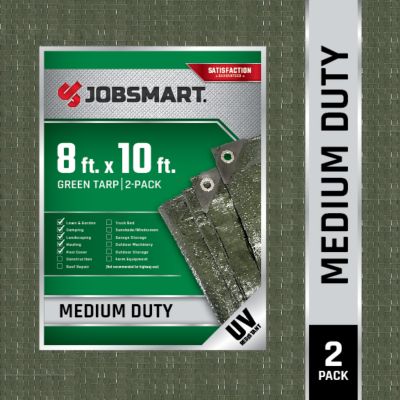
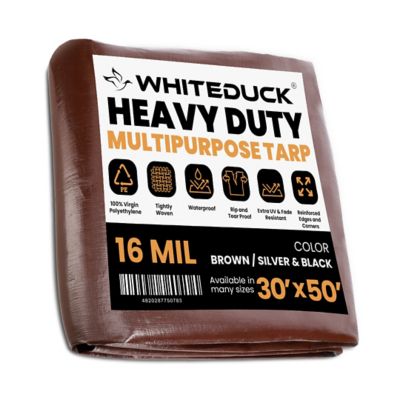
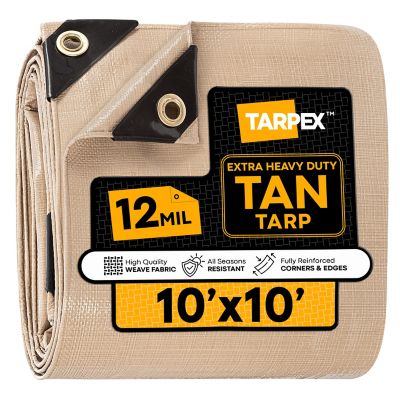
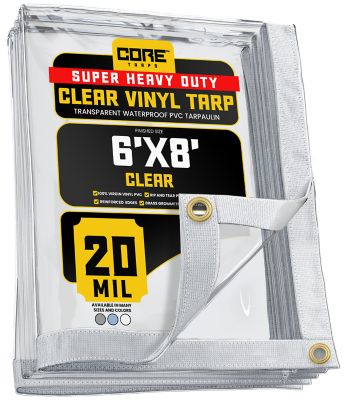
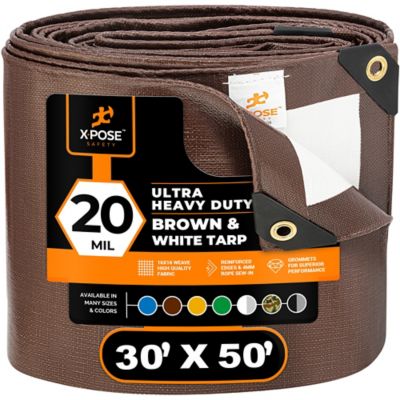
UV proof tarps are made for outdoor jobs where ordinary covers can fade, crack, stiffen, or start coming apart after repeated exposure to sunlight. While no fabric lasts forever in every condition, a tarp labeled UV treated, UV resistant, or UV stabilized is designed to hold up better when it spends long stretches outdoors. The material may include ultraviolet stabilizers, protective coatings, or a tightly woven construction that helps slow down sun damage. Heavy-duty polyethylene tarps are a practical choice for many farm, home, and worksite needs. This woven plastic material is often laminated on both sides, helping it resist moisture while providing a durable barrier over equipment, firewood, mulch, fencing supplies, building materials, and other belongings. For longer-term exposure, pay attention to thickness ratings. Poly tarps in the 10-mil to 20-mil range generally offer more substance for demanding outdoor use than lightweight covers, especially when wind, rain, and frequent handling are part of the job. Vinyl tarps are another dependable option for extended outdoor coverage. They are heavier, highly water resistant, and well suited to situations where a cover needs to stay in place through changing weather. Reflective silver or white surfaces can help bounce some sunlight away and reduce heat buildup beneath the tarp, while darker colors may be useful when appearance or light blocking matters more. A shade mesh tarp serves a different purpose by allowing air to move through while filtering a portion of the sun’s rays, making it useful over patios, garden areas, kennels, livestock spaces, and other places where ventilation matters. For a simple way to add color to a storage area, event setup, campsite, or work area, browse
Yellow Tarps alongside other outdoor cover options.
Choosing the right UV proof tarp starts with thinking about what it will cover, how long it will stay outside, and what kind of weather it will face. Measure the item from several directions and allow enough extra material to drape over the sides without stretching the tarp tight across sharp corners. A cover that is too small leaves gaps where rain and sunlight can get in, while one that is oversized may flap hard in the wind and put extra strain on the attachment points. Look for reinforced hems, preferably with rope or webbing sewn into the edge, because the perimeter takes much of the pulling force during tie-down. Grommets spaced about 18 to 24 inches apart give you more places to secure the cover and help distribute tension. Rust-resistant aluminum, brass, or sturdy reinforced plastic grommets are useful for outdoor jobs where moisture is common. Tie the tarp down with rope, bungee cords, straps, or other suitable fasteners, and spread the pressure across several grommets rather than relying on just the four corners. Avoid pulling directly against a sharp edge, and use padding beneath the tarp when covering lumber, machinery corners, metal parts, or anything else that could rub through the fabric. For wind-prone areas, a little slack can be helpful, but loose material that snaps repeatedly in the breeze can wear out faster than a properly supported cover. Whenever possible, create a slight slope so rain can run off instead of collecting in a heavy pocket. A UV-resistant tarp can protect a tractor attachment, hay equipment, outdoor furniture, a boat, stacked lumber, or a load in the bed of a truck, but it should not be treated as a substitute for safe ventilation around heat-producing equipment or a permanent roof over a structure.
These tarps fit right in with the everyday work of a rural property, where one cover may be asked to do several jobs as the seasons shift from warm, bright days into cooler, wetter weather. A tarp over a pile of split wood can help keep the top layer dry while leaving the sides open for airflow. A cover stretched over a garden frame can provide shade during intense sun, and a properly secured tarp can shield tools or supplies during a barn cleanup, fencing project, driveway repair, or move between buildings. Campers, hunters, landscapers, contractors, small-animal owners, and homeowners with a busy list of outdoor chores can all find a use for this kind of durable protection. It can also make a thoughtful, practical gift for someone settling into a new place, building a homestead, caring for livestock, or spending weekends in a workshop or at a hunting camp. Before storing a tarp, brush away dirt and plant matter, rinse off mud or manure, and let the material dry completely. Folding a damp cover can trap moisture and lead to mildew or unpleasant odors, while storing it in a dry, shaded spot helps protect the fabric between jobs. Check the cover occasionally for loose stitching, stretched grommets, worn hems, and small tears, particularly after a spell of high wind. Using a repair patch early can keep a minor problem from becoming a large opening. With the right size, material, thickness, edge reinforcement, and tie-down method, a UV proof tarp offers a dependable layer of protection for equipment, supplies, living spaces, and outdoor projects during the bright days of late summer and the cooler months that follow.