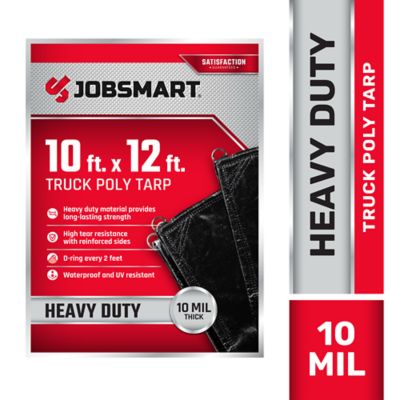
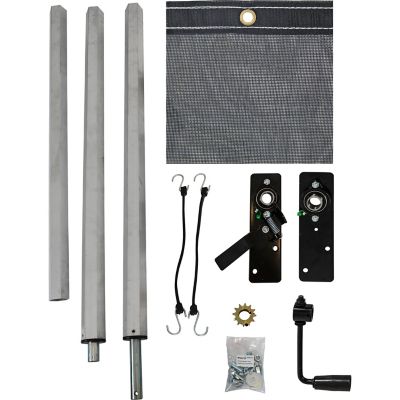
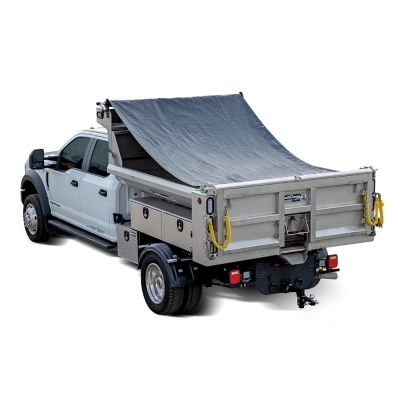
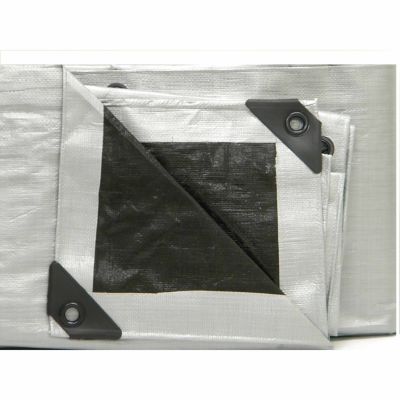
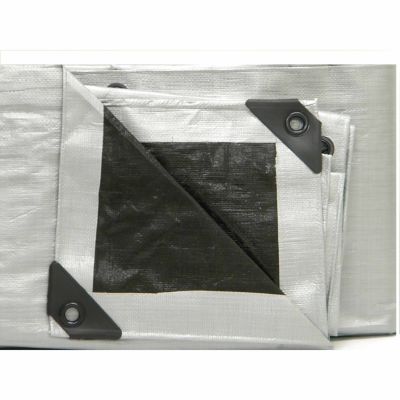
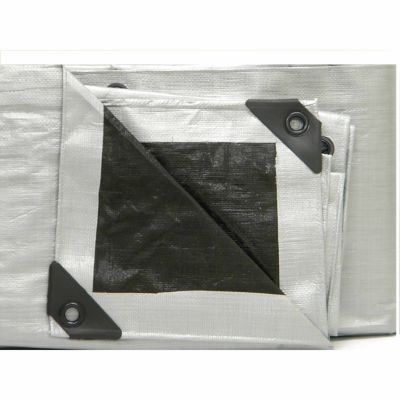
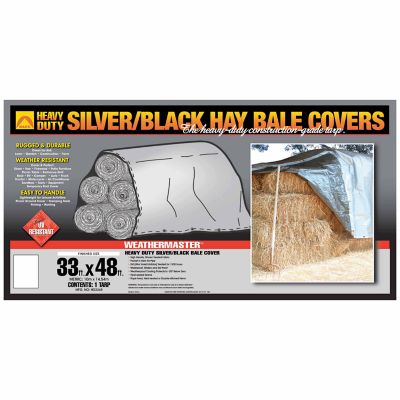
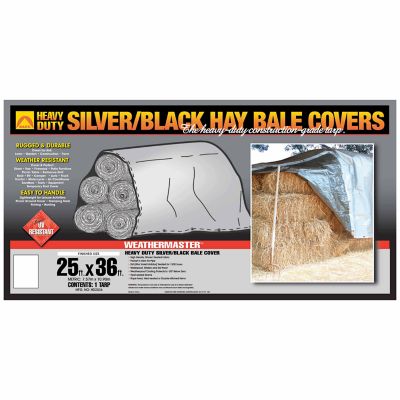
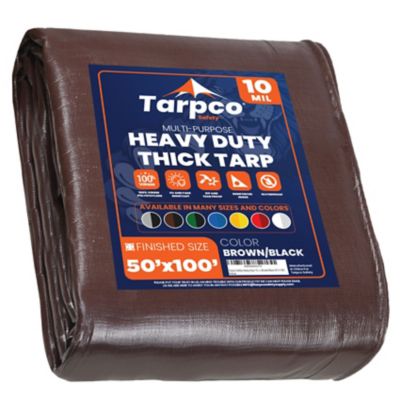
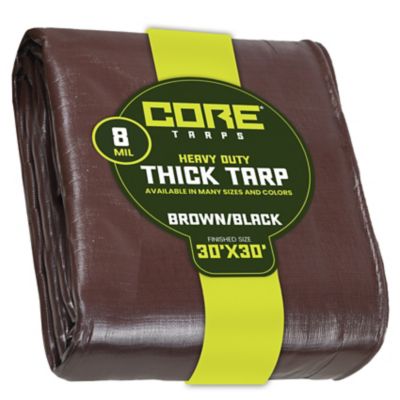
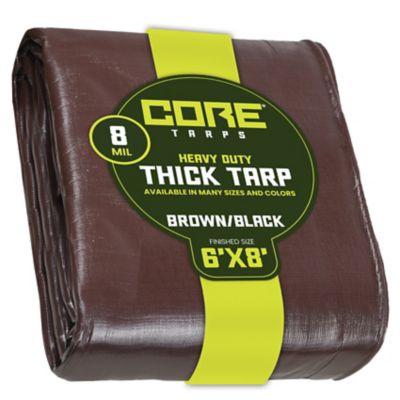
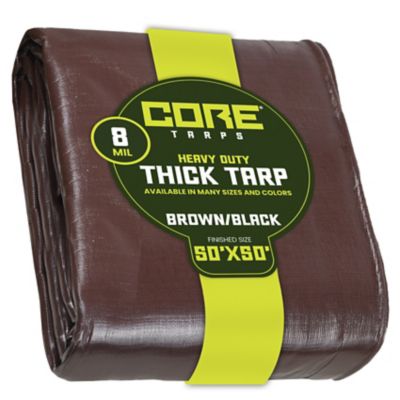
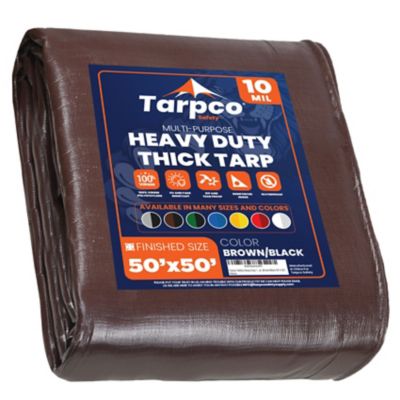
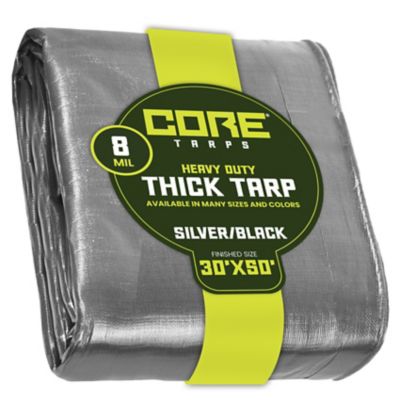
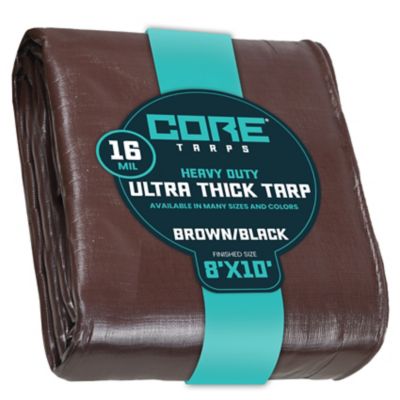
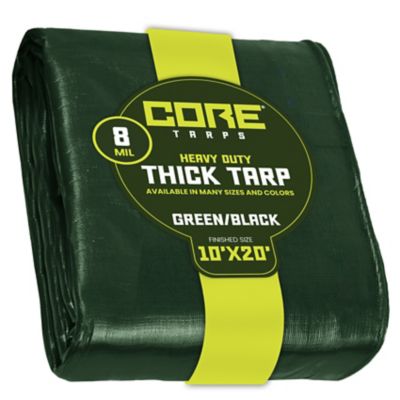
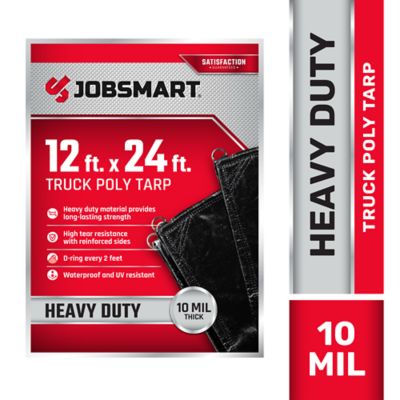
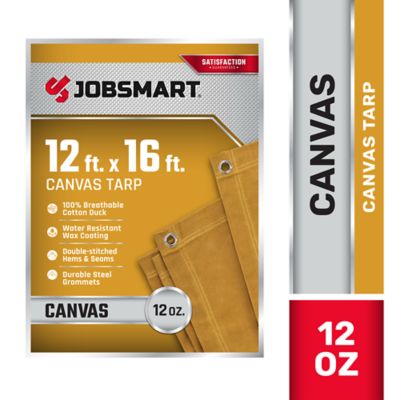
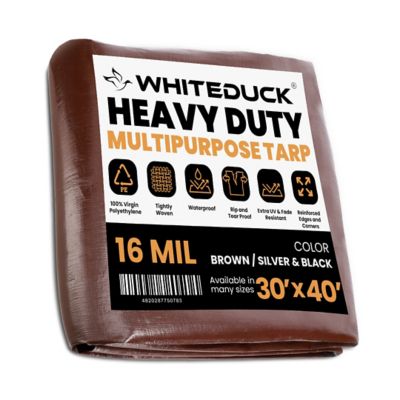
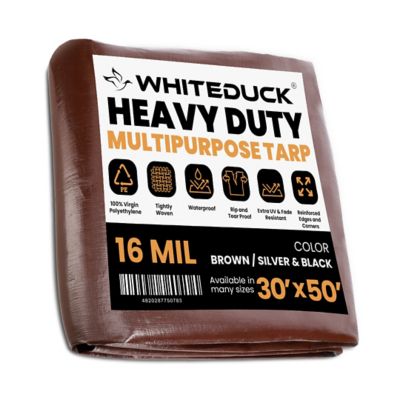
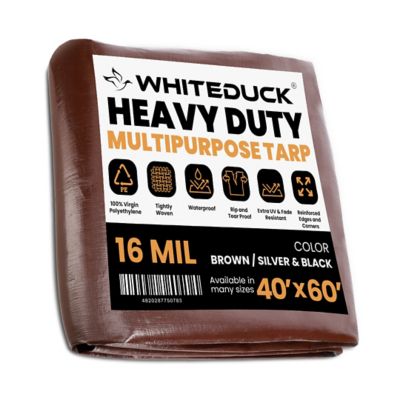
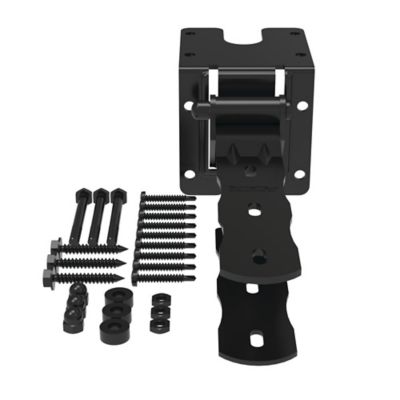
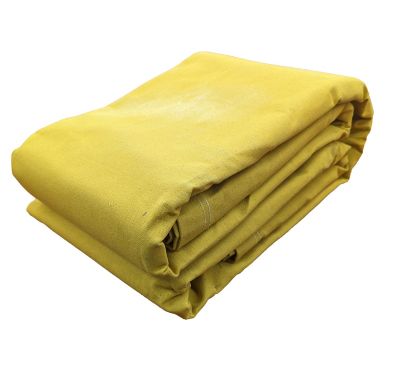
Black tarps are a handy part of any farm, garage, workshop or campsite setup, giving you a simple way to cover, protect and organize the things that keep your property moving. Their dark color helps block light and can blend into many work areas, which makes them useful for covering firewood, soil, mulch, tools, equipment and other materials that need a little shelter from rain, dust and falling leaves. Around the homestead, a black tarp may go over a stack of lumber, serve as a temporary ground cover under a repair job or help keep loose material contained while a project is underway. During the warmer part of the year, they can provide a quick layer of protection for outdoor gear, trailers and machinery between uses. As the weather turns cooler, they are useful for covering stored materials, shielding a work area from wind and keeping mud off supplies that would otherwise sit directly on the ground. For a more visible look around a garden, pasture or campsite, take a look at
Green Tarps. Black remains a popular choice when a lower-profile appearance matters, when you want a darker cover for blocking sunlight or when you simply need a dependable all-around tarp for chores that come up without much warning. A good tarp often earns its keep in small ways: keeping a pile of split wood dry before a cold evening, protecting a mower from overnight moisture or giving a neighbor an extra layer to cover supplies during a move.
When choosing a black tarp, start with the job it needs to handle and the amount of exposure it will get. Size matters, but the listed dimensions may reflect the tarp before hemming, so leave a little extra room when you need to wrap over an object or create a generous overlap. A lightweight tarp can be convenient for quick covers, garden tasks and occasional use, while a heavier-duty option is better suited to repeated handling, rough surfaces and longer outdoor exposure. Look for reinforced hems and sturdy grommets placed around the edges, since those details help distribute tension when the tarp is tied down. The number and spacing of grommets can make a real difference when you are covering a trailer, stacking supplies or setting up a temporary windbreak. Consider how you plan to secure it, too. Rope, straps, bungees and tarp clips can all be useful, but avoid pulling so hard on one corner that the fabric or grommet takes all the strain. Smooth, rounded tie-down points are kinder to the tarp than sharp edges, and a little slack gives the material room to move when a breeze picks up. Waterproof or water-resistant construction can help keep rain off covered items, though a tarp should be angled so water can run away instead of collecting in a heavy pocket. If moisture needs to escape, leave room for airflow rather than sealing damp materials tightly underneath. Black fabric can absorb more heat in direct sun, so use care around heat-sensitive items, livestock areas and enclosed spaces, and never use a tarp near an open flame, hot exhaust or other heat source unless the material is specifically designed for that application.
These covers fit a wide range of people and places, from rural property owners and gardeners to contractors, campers, hunters, event crews and anyone who spends time working outdoors. A landowner may keep several sizes on hand for everything from a sudden storm cover to a seasonal storage job. Someone hauling brush, hay, firewood or building materials can use a tarp to help keep a load contained, but the tarp is only part of the setup and should not replace proper tie-downs or a load-rated cover when traveling on public roads. Around a barn or shed, black tarps can help separate a messy repair area, cover unused equipment or make cleanup easier beneath a painting, welding or woodworking project. They can also be useful for protecting a picnic table during messy chores, covering a temporary workbench or creating privacy around a portion of an outdoor space. A black tarp makes a practical gift for a new homeowner, a family member with a small acreage, a camper building out a trailer or a friend who is always fixing something in the driveway. It is the kind of useful item that may spend weeks folded on a shelf, then become the thing everyone needs when rain rolls in or a project grows bigger than expected. Before storing one, shake off dirt, let it dry completely and fold it loosely in a dry place away from rodents, sharp tools and prolonged sunlight. Check it for worn edges or stretched grommets before the next job, and replace it when the fabric can no longer protect what is underneath. With the right size, weight and fastening setup, a black tarp can be a reliable, easygoing helper for everyday work through changing weather and busy seasons.