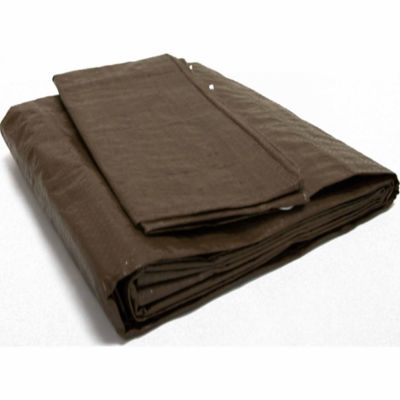
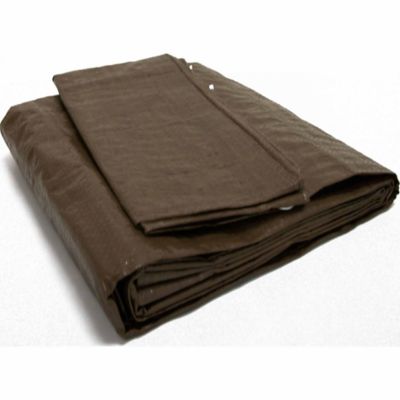
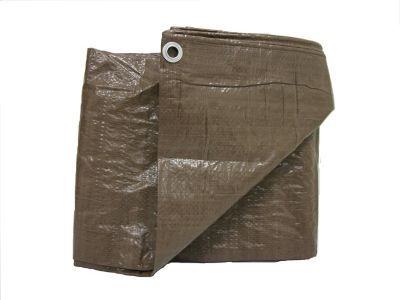
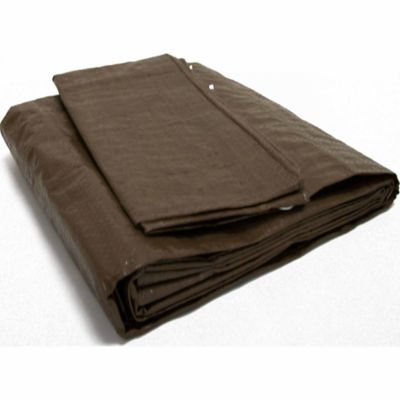
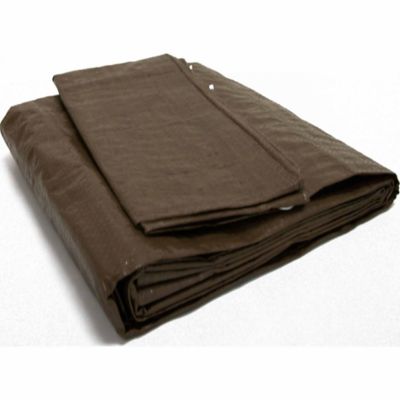
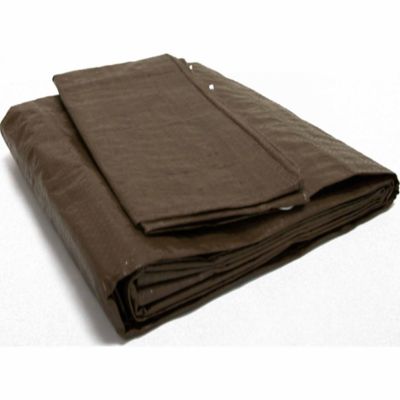
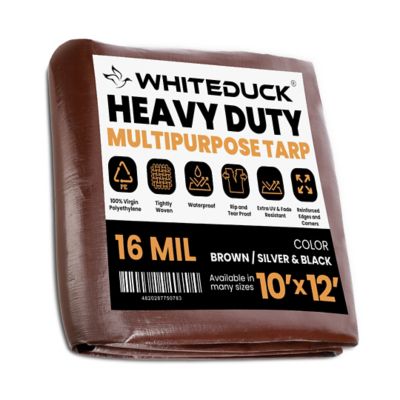
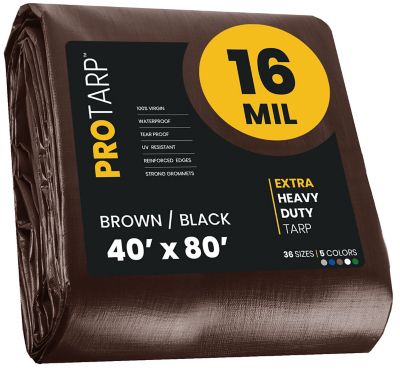
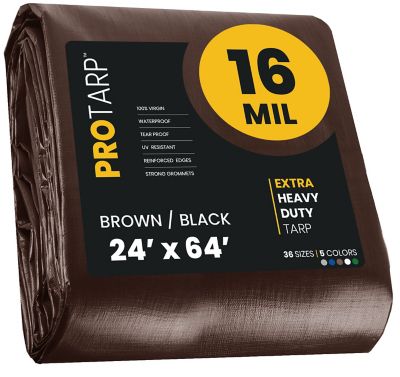
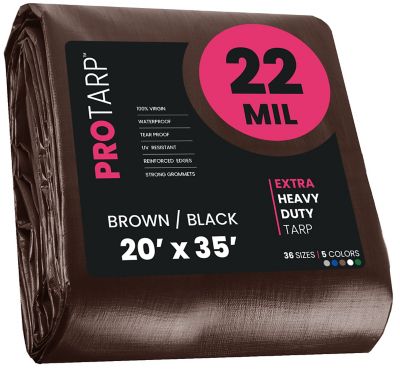
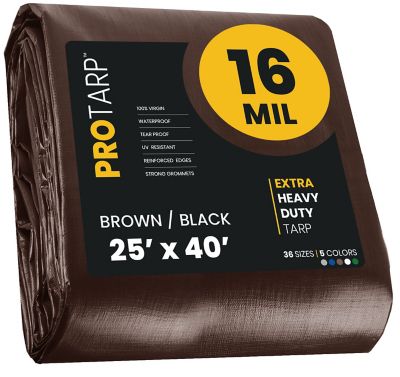
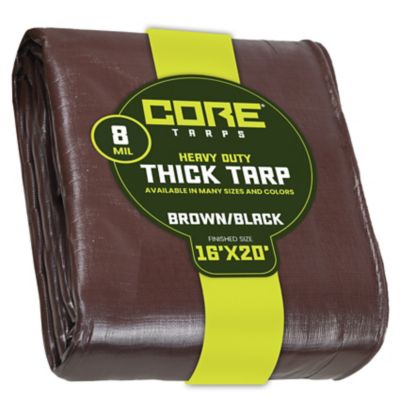
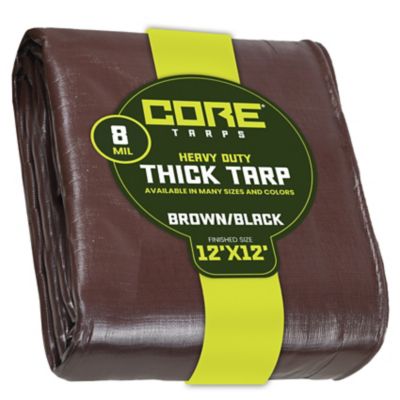
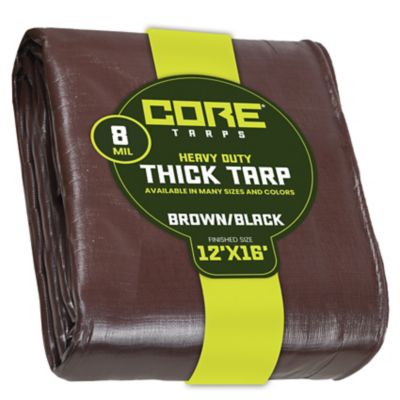
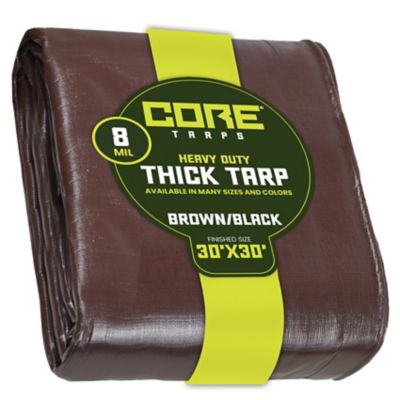
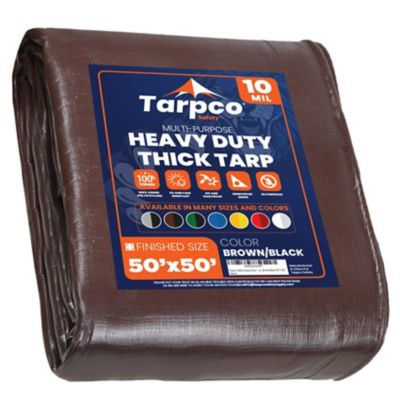
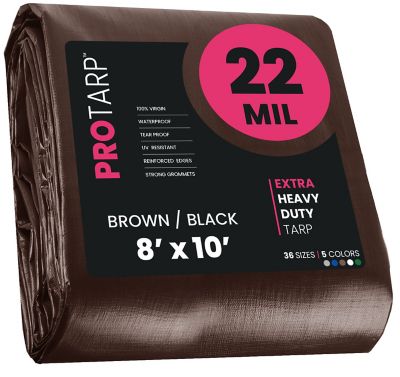
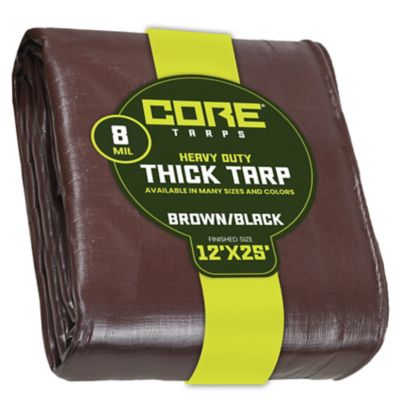
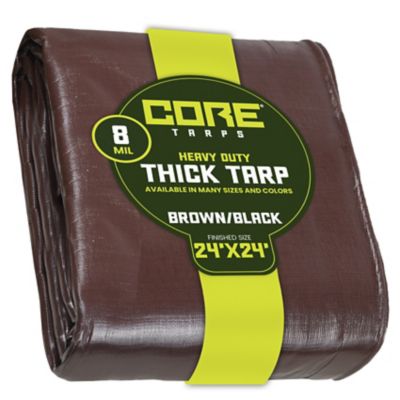
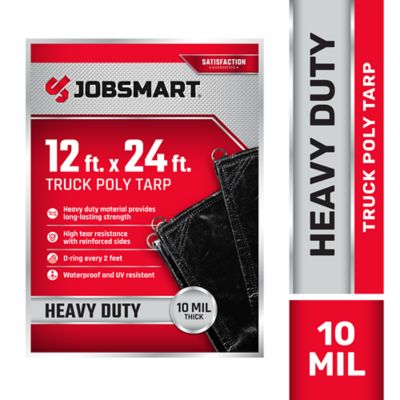
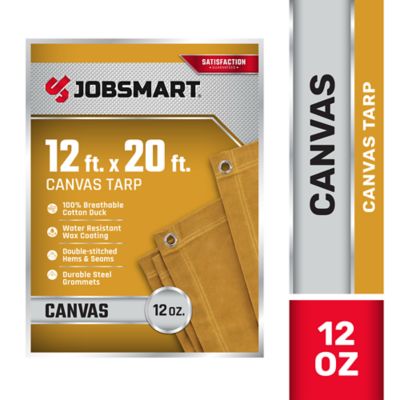
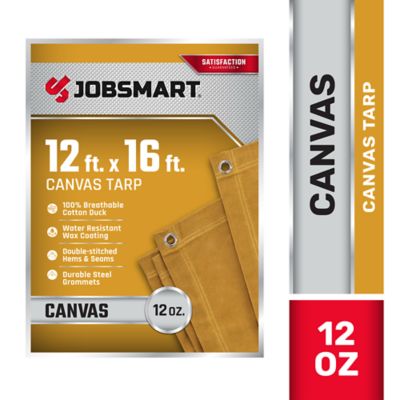
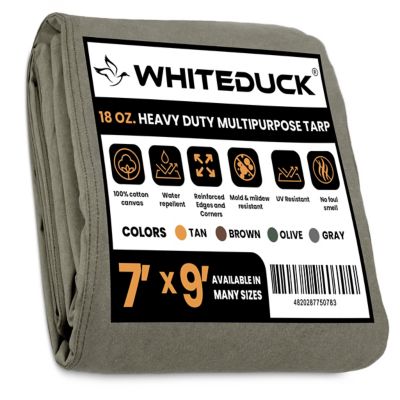
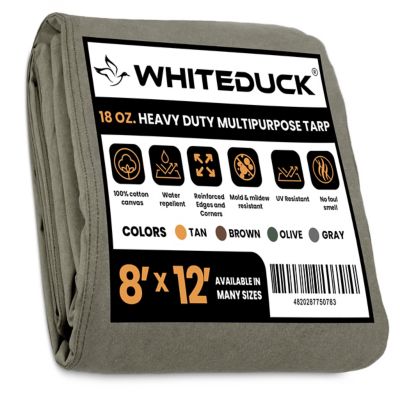
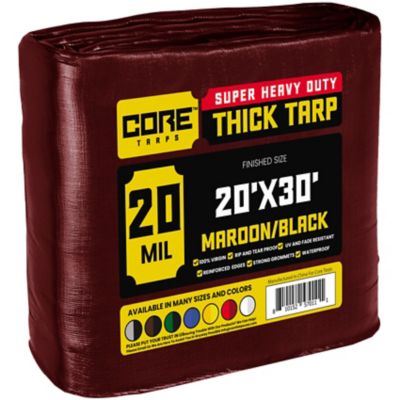
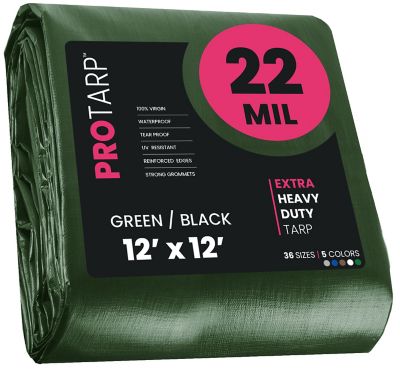
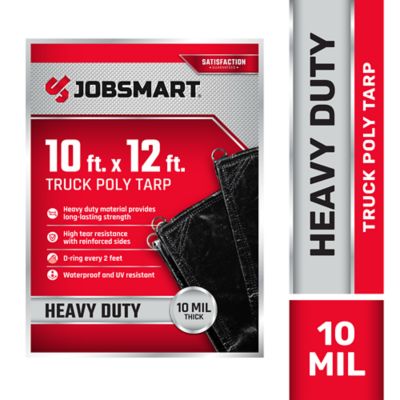
Brown tarps are flexible covers that help shield equipment, stacked materials, and outdoor work areas from rain, dirt, and debris. Their earthy color blends in around barns, woodpiles, gravel pads, and wooded campsites, making them a practical choice when a bright cover would stand out. Around a small farm or acreage, a brown tarp can cover a parked implement, keep loose material contained during a cleanup, or provide a barrier beneath supplies on a shed floor. The color can make everyday soil marks less noticeable, but it does not determine how much protection the cover provides. That comes down to the material, coating, seams, and construction. Woven polyethylene tarps typically have a coated surface that sheds water and folds down for storage between jobs. Vinyl tarps tend to have more weight and suit applications where abrasion resistance matters, though their handling and flexibility depend on the construction. Canvas offers a fabric feel and, depending on its treatment, a balance of water resistance and breathability. A water-resistant canvas cover is not necessarily waterproof, especially where water pools or the fabric rests against what is underneath. Material descriptions and manufacturer ratings matter more than color alone when comparing covers for a particular task. Thickness may be listed in mils, with one mil equal to one-thousandth of an inch. That measurement helps describe the material, but it does not tell the whole story about tear resistance or service life. Fabric weight, weave, coatings, reinforced edges, and seam construction all play a part. For repeated handling around rough lumber, metal corners, or equipment attachments, those details deserve close attention. For an occasional ground covering or a short-term cover over clean supplies, ease of folding and carrying may matter more than extra weight. Farm owners, landscapers, campers, and homeowners can all find a place for brown tarps, but the right match depends on what needs covering and how the cover will be supported.
Size and fit make a noticeable difference in how a brown tarp performs. A cover needs enough material to span the top of an object and reach down the sides without pulling tight across every corner. The height of a mower, a stack of fence boards, or a piece of equipment adds to the coverage needed beyond its footprint on the ground. Listed dimensions may refer to the cut size before hemming or the finished size, so the measurement description is worth checking when clearance is close. Too little coverage leaves edges exposed; too much loose material can flap, drag through mud, or collect water in folds. A cover that rests on a supported slope sheds water better than one hanging in a low pocket between tie points. Grommets provide places to attach ropes, straps, or other suitable fasteners, while reinforced hems help spread some of the strain along the edge. Closer grommet spacing can offer more attachment options, but even a reinforced opening can tear if one corner carries most of the pull. An even fit, sensible tension, and protection over sharp contact points help reduce wear. A smooth corner pad between a tarp and a metal edge can make more difference than simply pulling the cover tighter. Ground sheets have different demands: contact with gravel, sticks, and rough concrete puts the underside under steady abrasion. Around a campsite, a tarp beneath a tent should fit within the tent floor’s outline rather than extend out where it can collect rainwater and channel it underneath. Over a utility trailer, the cover’s job is to contain or shield the contents, not replace the restraints that hold the load in place. Road travel also calls for a tarp and attachment method suited to that application. A general-purpose cover should not be assumed suitable for highway hauling simply because it has grommets or a heavier feel.
Everyday details help brown tarps earn their keep around the property. Over a firewood stack, coverage across the top with open sides allows air to move through the wood instead of wrapping moisture inside. Around machinery, a cover works best after the engine and exhaust have cooled, with enough clearance to avoid hot parts and sharp attachments. Waterproof material can still trap condensation underneath, so ventilation matters when equipment or supplies remain covered for a while. Brown fabric may blend into the setting, but it should not be treated as camouflage for a hazard; covered equipment and tie-down lines still need to be visible to anyone walking or working nearby. Sun exposure is another consideration for outdoor applications. A stated UV treatment or resistance rating is more meaningful than assuming a darker color will stand up to sunlight longer. Color options such as
White Tarps offer a different appearance, while material and construction remain the main considerations for protection. Keeping a tarp in working shape starts with removing grit before it grinds into folds or seams. Many synthetic covers can be rinsed and cleaned with mild soap, while canvas and treated fabrics may need a different approach to preserve their finish. The manufacturer’s care directions should take priority, especially for coatings that can be affected by harsh cleaners. A tarp should be dry before folding and storing, with mud, leaves, and trapped moisture cleared away. Occasional checks around grommets, creases, and contact points can catch small problems before they turn into long tears. Compatible repair tape or patches may help with minor damage when the material and application allow it. Folded neatly in a dry shed or truck storage compartment, a brown tarp stays easier to handle and ready for the next load of brush, equipment cover, or cleanup job.