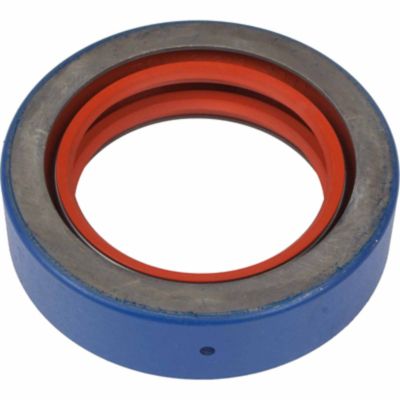
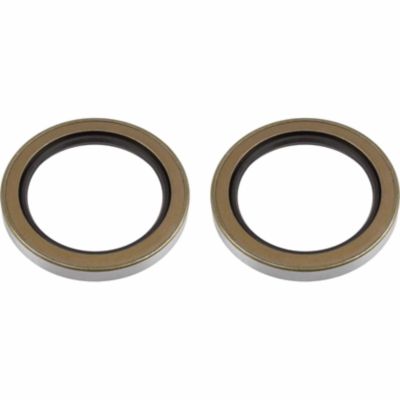
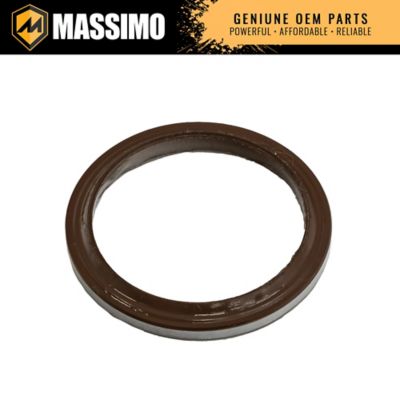
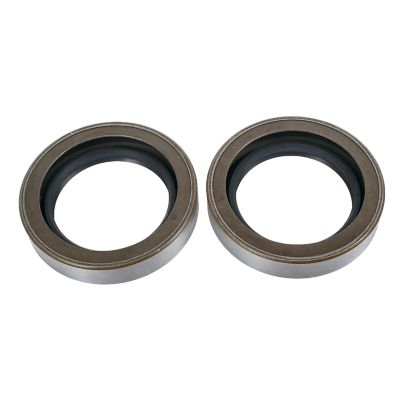
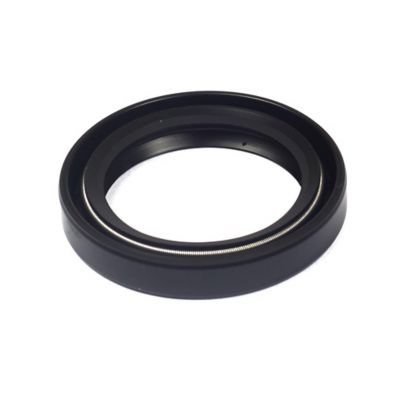
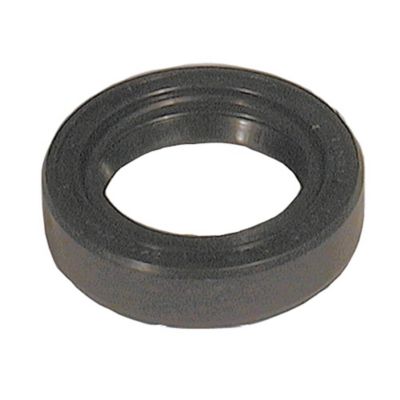
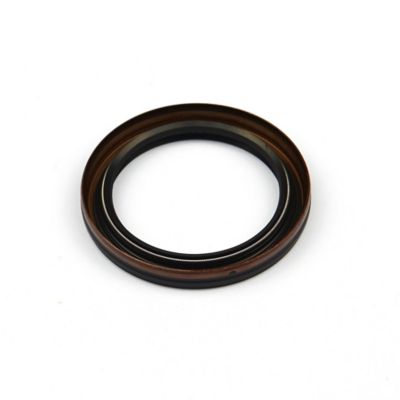
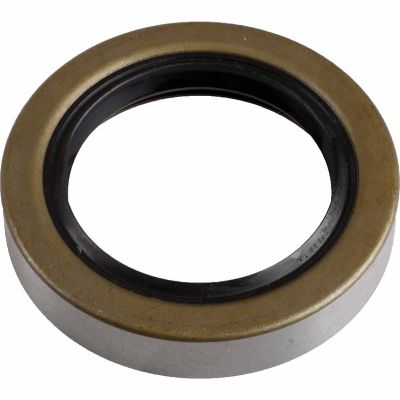
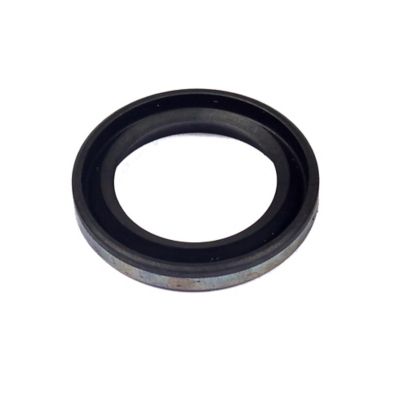
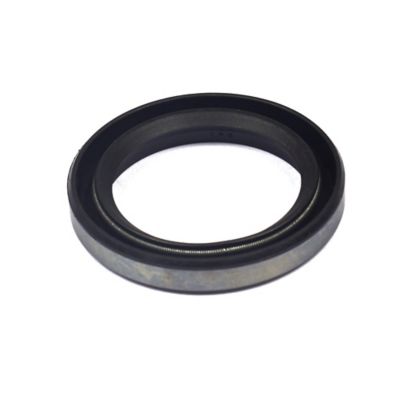
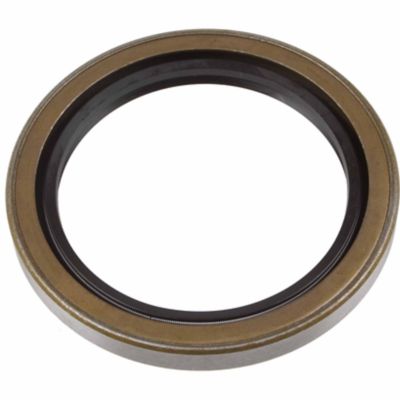
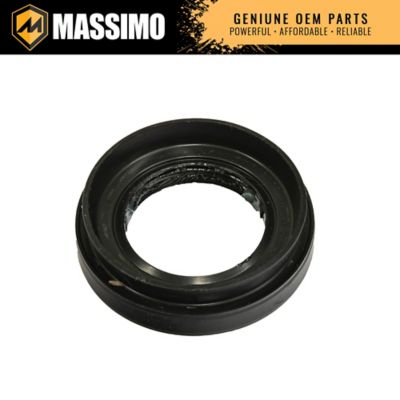
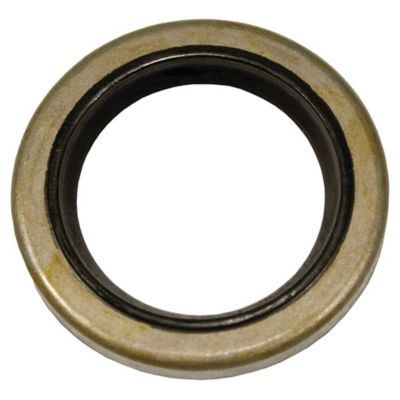
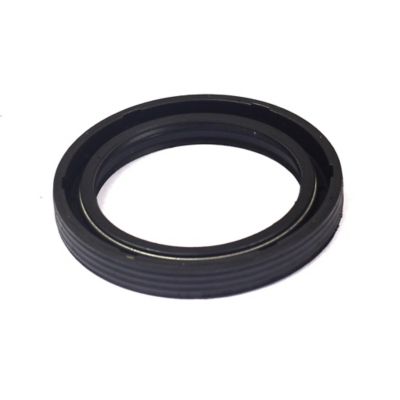
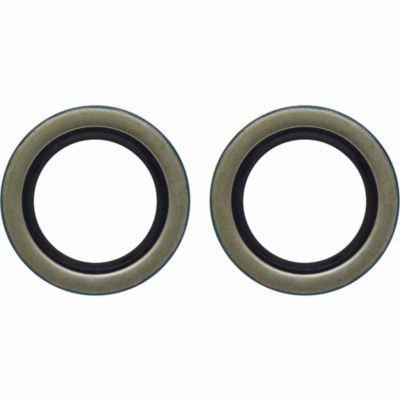
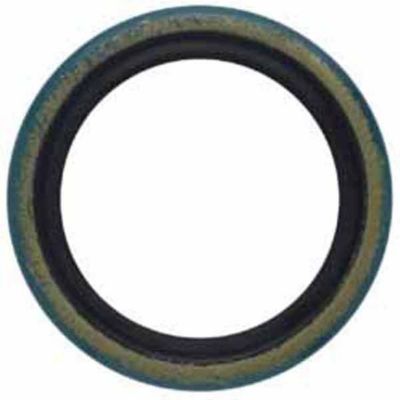
Oil seals are mechanical rings that close the gap between a stationary housing and a rotating or moving shaft. Their main job is to keep oil, grease, hydraulic fluid, or other lubricants inside the housing while helping block dirt, dust, water, and mud from getting in. You’ll find them in plenty of equipment around a farm, shop, garage, or worksite, including engines, gearboxes, crankshafts, wheel axles, pumps, electric motors, fans, and power transmission assemblies. In a tractor or mower, a small seal can protect the moving parts inside an axle or transmission from the grit kicked up by a gravel lane. On a pump or motor, it helps keep lubricant where it belongs as the shaft turns through long work sessions. Most oil seals have a flexible sealing lip that presses against the shaft, along with a garter spring that keeps steady inward pressure as the shaft spins. Many also have a rigid metal case to hold the seal in its housing and an outer dust lip for another layer of protection. This straightforward construction makes oil seals a common part of routine equipment maintenance, especially when a machine shows a slow drip, a greasy buildup around a shaft, or signs that dirt and moisture are reaching an internal bearing.
Finding the right oil seal starts with the fit. The inner diameter needs to match the shaft, the outer diameter needs to fit the housing, and the thickness must leave the seal seated at the proper depth. These measurements may appear in inches or millimeters, so check the machine manual, the service information, or the markings on the old seal before placing an order. It also helps to note the application, shaft speed, direction of rotation, operating temperature, and the type of fluid inside the assembly. A standard nitrile rubber seal, often identified as NBR, handles many general oil and grease applications and commonly operates from about -40°F to 250°F. Other seal materials may be better suited to higher heat, certain chemicals, water exposure, or specialized equipment, so matching the material to the job matters just as much as matching the size. Look closely at the shaft surface as well. A groove, rust spot, burr, or rough patch can wear a new sealing lip quickly, while a clean, smooth contact area gives the seal a better chance to do its job. During installation, keep the part square with the housing, protect the lip from sharp edges, and apply a light coat of the proper lubricant to the lip when the manufacturer calls for it. Avoid driving directly against the flexible edge, and take care not to stretch, pinch, or twist the seal as it goes into place. A seal driver or a properly sized flat tool can help spread pressure around the outer edge instead of concentrating force in one spot.
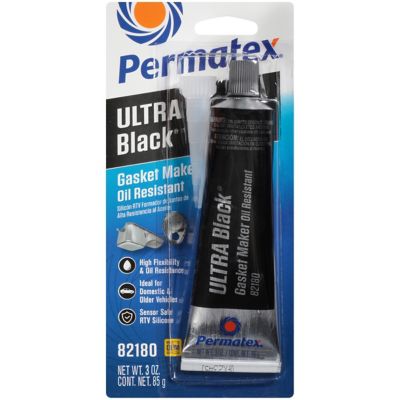
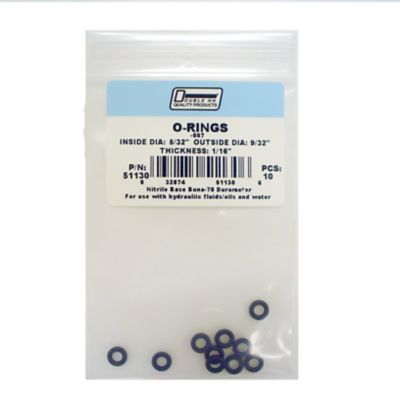
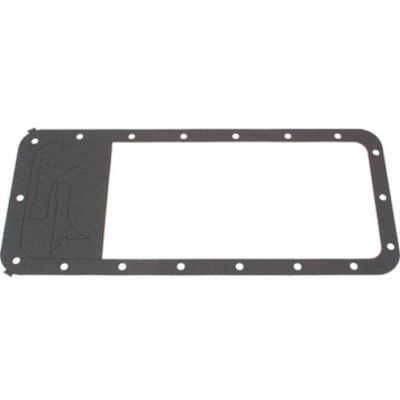
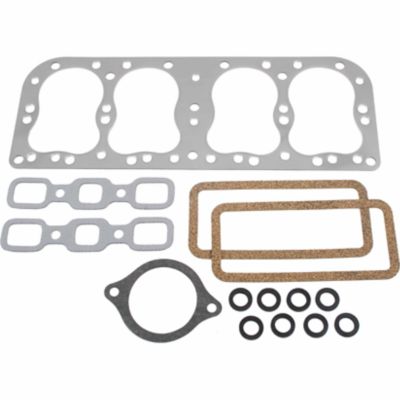
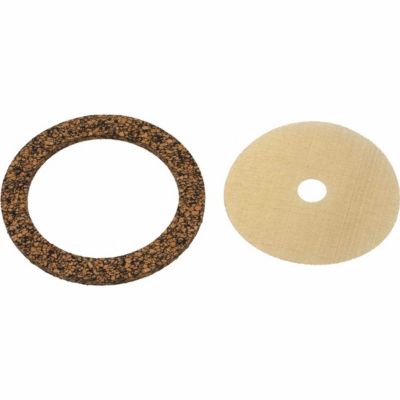
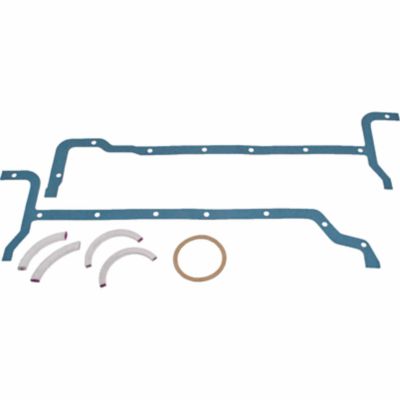
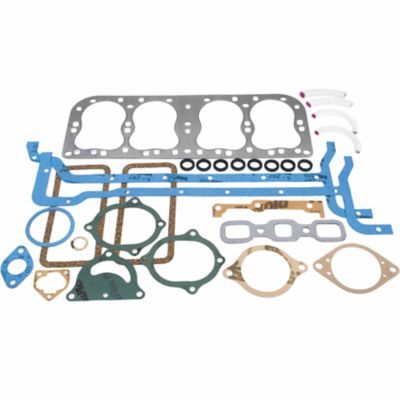
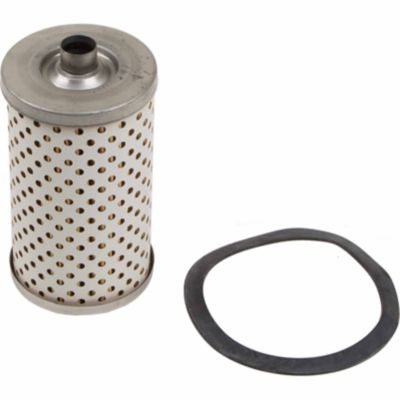
Oil seals can be handy for anyone maintaining farm machinery, trailers, ATVs, lawn equipment, workshop motors, or older vehicles, whether the work happens in a home garage or a busy equipment shed. During the cooler months, a dry shop floor and good lighting can make it easier to spot a small leak before a machine heads back into service, while changing weather can bring mud, standing water, and fine dust that place extra demands on exposed shafts and housings. Keep the old part nearby until the replacement has been measured and matched, and record the dimensions in a maintenance notebook for the next service interval. It’s also worth checking nearby seals when one has failed, since a leak may point to a worn bearing, excess shaft movement, a blocked vent, or an installation issue rather than the seal alone. Oil seals are separate from other gasket types, though equipment maintenance may call for several sealing parts at once; shoppers comparing related maintenance supplies can also browse
Oil Filter Gaskets. Whether you’re getting a machine ready for fieldwork, keeping a utility vehicle on the road, or refreshing a shop’s spare-parts drawer, choosing the proper dimensions and material helps protect moving components and limit unwanted lubricant loss.