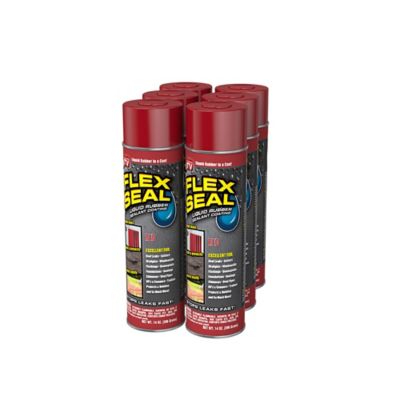
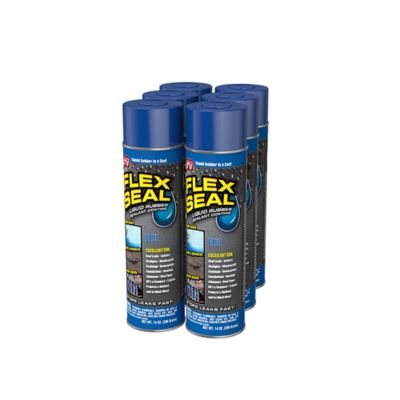
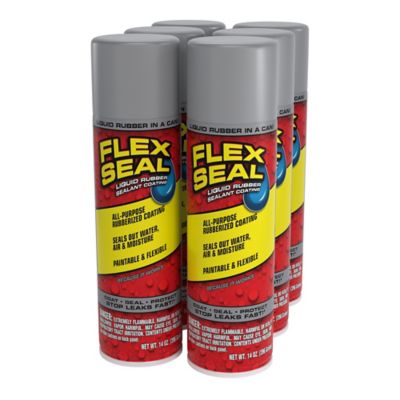
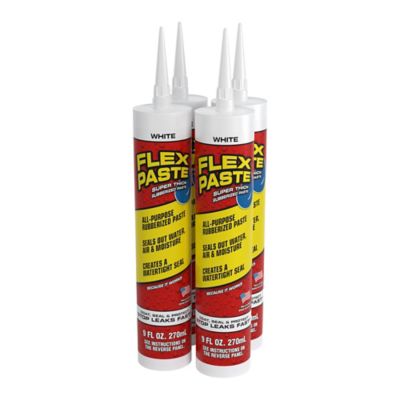
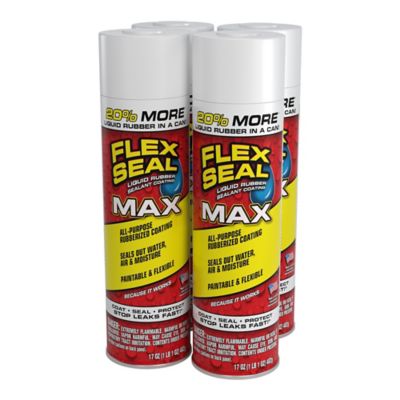
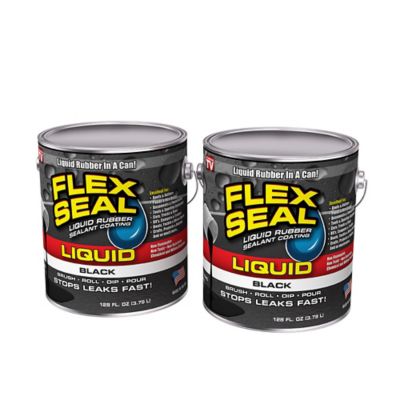
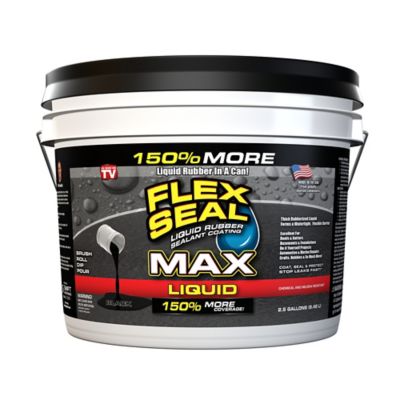
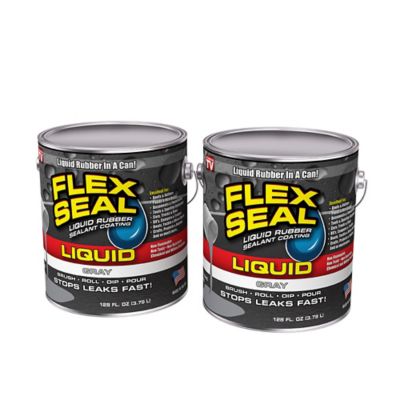
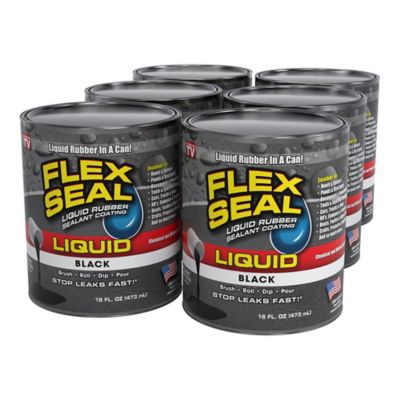
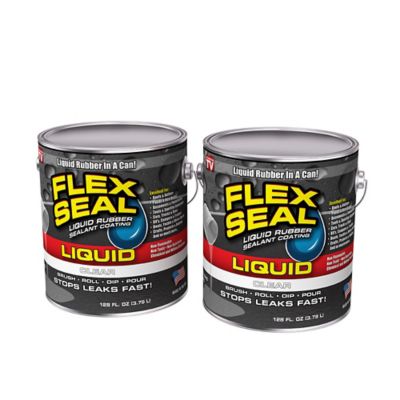
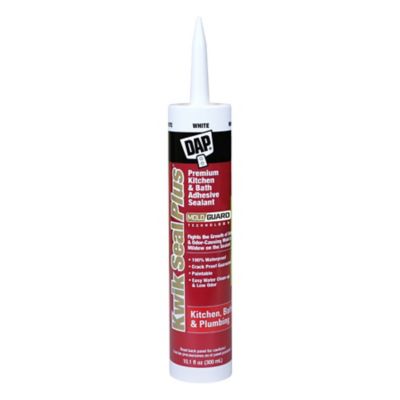
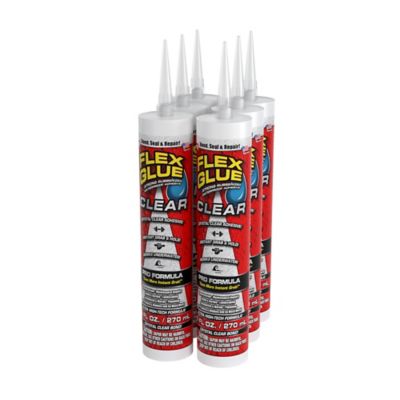
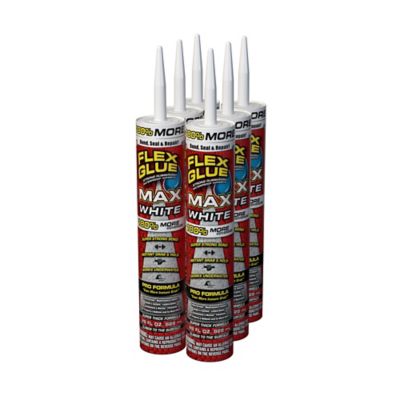
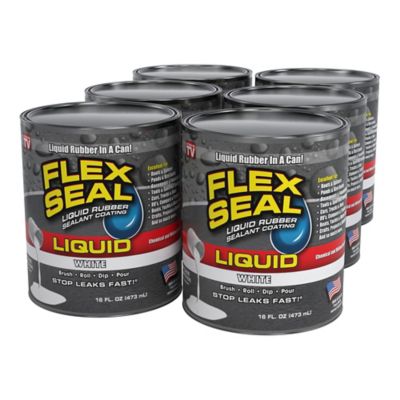
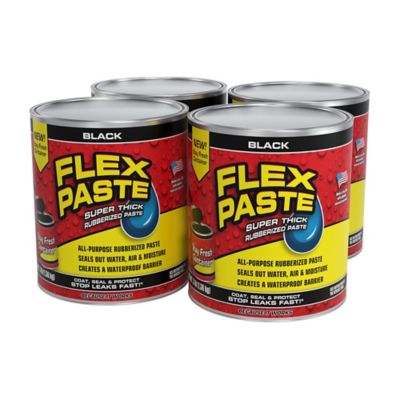
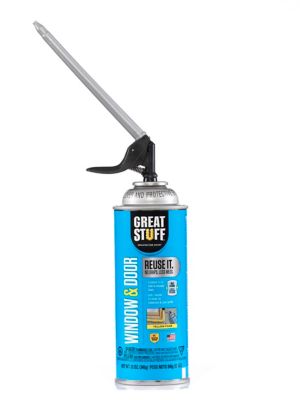
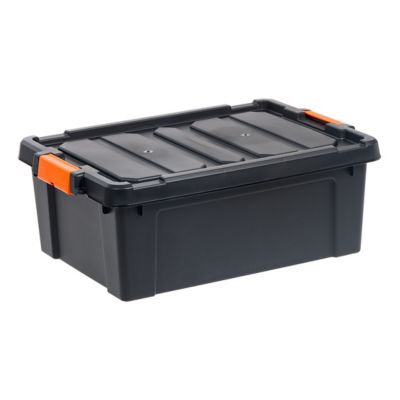
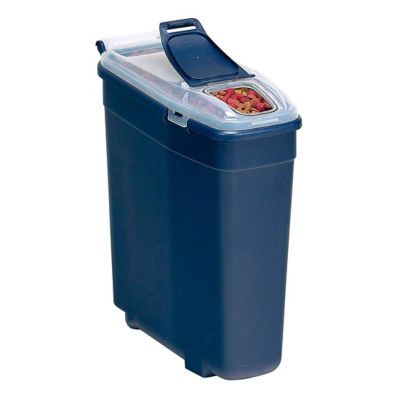
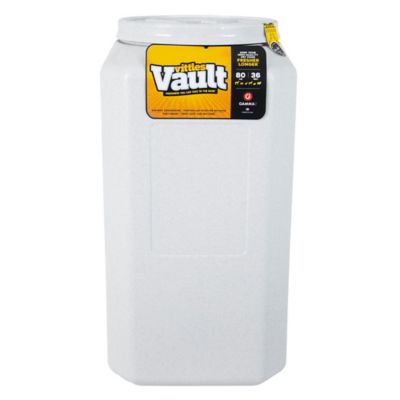
Airtight seals help keep air, moisture, dust, insects and unwanted odors from moving through gaps, joints and container openings. Around a farmhouse, workshop or busy home, that small barrier can make a noticeable difference. A fresh gasket on a storage container helps food stay fresher and keeps pantry pests out. Weatherstripping around a door can quiet down a rattling frame and reduce drafts when cooler weather settles in. Foam sealant and caulk can fill cracks around windows, baseboards, utility penetrations and other hard-to-reach spots where air slips through. Sealing materials are also useful on outbuildings, tack rooms, hunting cabins, barns, sheds, trailers and equipment storage areas where dust and damp conditions can work their way inside. When choosing an airtight seal, start with the job at hand. A flexible rubber or silicone gasket is a good fit for a lid or access panel that opens and closes often, while closed-cell foam tape can cushion a joint and fill a narrow, even gap. Adhesive-backed weather seals are handy for quick installation, and sealants or expanding foam are better suited to fixed cracks and openings. Look for a material that can handle the temperature, sunlight, moisture and movement expected in the area. Silicone generally stays flexible across changing conditions, rubber offers a firm, resilient fit, and closed-cell foam resists absorbing water better than open-cell materials. The right thickness matters, too: a seal should compress enough to form a continuous barrier without preventing a lid, door or latch from closing properly.
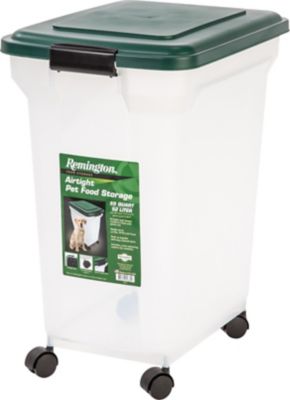
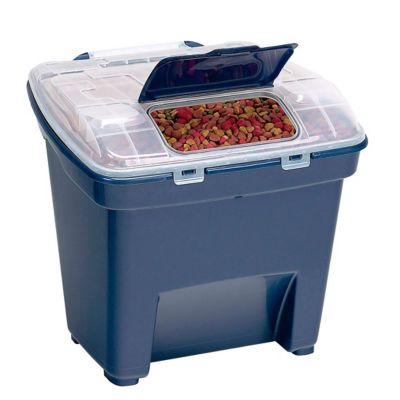
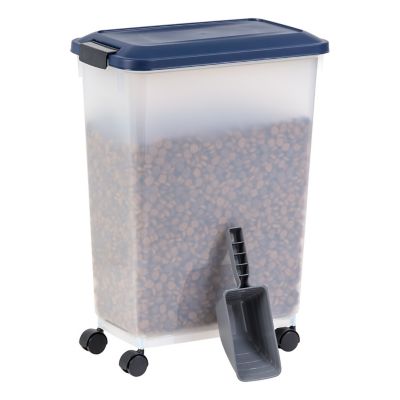
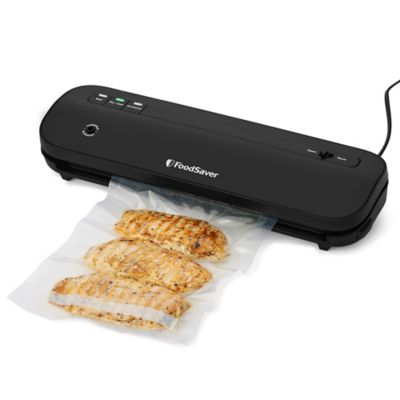
A good seal starts with clean, dry contact surfaces. Dust, sawdust, grease, old adhesive and bits of peeling paint can leave tiny channels where air and water find their way through, even when the new material looks neatly installed. Before applying a gasket, tape or sealant, wipe the surface clean and let it dry fully. Check the groove or channel for damage, and measure the opening so the replacement material fits without stretching, bunching or leaving corners uncovered. When joining ends, make clean cuts and keep the seam snug. A lid or door should press evenly against the seal all the way around; uneven clamping force can create a weak spot along one edge. For adhesive products, press firmly along the entire run and allow the bond to set according to the package directions before putting the area back into service. Expanding foam should be used carefully because it grows as it cures, and excess material may need to be trimmed after it hardens. Keep ventilation and protective equipment in mind when working with sealants, and avoid blocking vents or drainage paths that are meant to remain open. In food-storage applications, use only materials intended for contact with food or for the outside of a container, depending on where the seal will be installed. Airtight containers are useful for flour, feed supplements, treats, seeds and dry goods, helping protect contents from humidity and pantry bugs. In the shop, seals can help keep fasteners, batteries, electronics and small parts cleaner while they sit in storage. For gear that must stay protected from rain, splashing water or muddy floors, browse
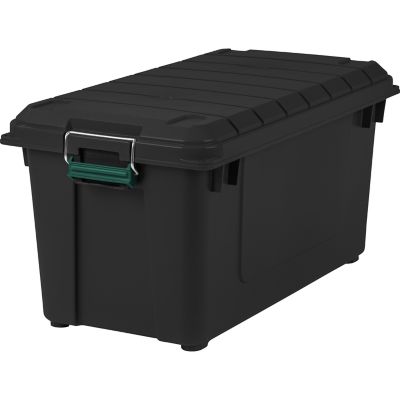
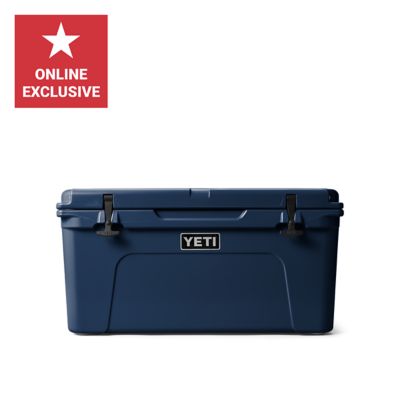
Watertight Boxes for an added layer of organized, weather-resistant storage.
Airtight sealing supplies serve a wide range of people, from homeowners handling a drafty back door to farmers maintaining feed storage, livestock facilities and equipment sheds. Gardeners can use them to protect saved seeds and keep moisture from reaching delicate supplies. Hunters, campers and anglers may use sealed storage for matches, maps, clothing layers, first-aid supplies and other gear that is easier to rely on when it stays dry and clean. A well-fitted seal can also help protect tools and seasonal decorations while they spend time in a garage or shed. These items make practical gifts for someone moving into an older home, setting up a workshop, renovating a camper or preparing a hunting cabin for the cooler months. They are also useful additions to a housewarming basket or a farm-and-ranch care package because they solve everyday problems without taking up much room. As the weather warms, sealing gaps around doors, windows and utility lines can help keep dust and insects outside; during the cooler months, the same work can help limit drafts and make indoor spaces more comfortable. Inspect seals periodically for cracking, flattening, brittleness or separation, especially on doors and containers that see frequent use. Replace worn material before it fails completely, and keep spare gaskets, tape or sealant where maintenance supplies are stored. A dependable airtight seal is rarely flashy, but it is one of those simple improvements that keeps a pantry cleaner, a workshop better organized and stored belongings in better shape through changing weather and busy seasons.