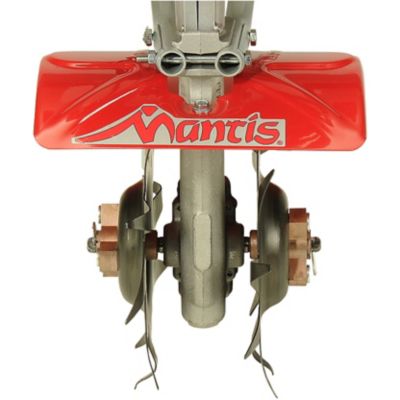
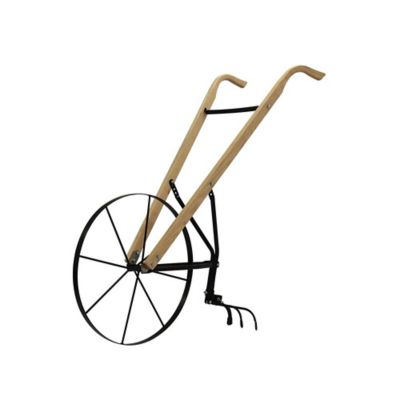
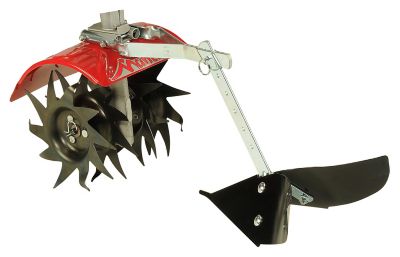
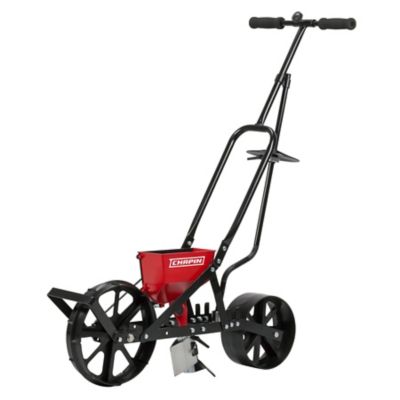
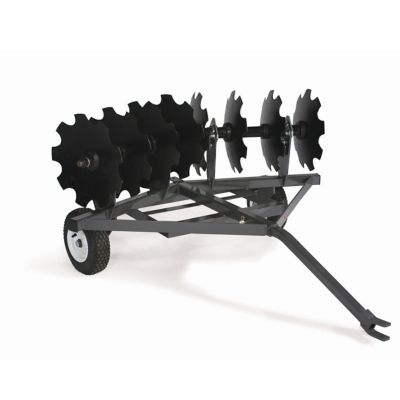
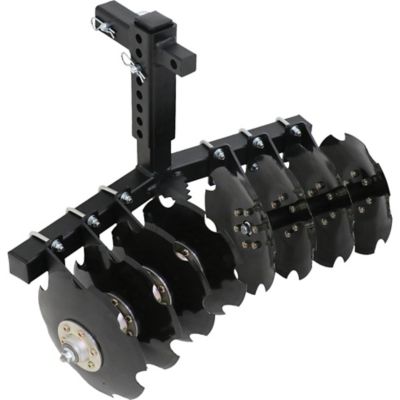
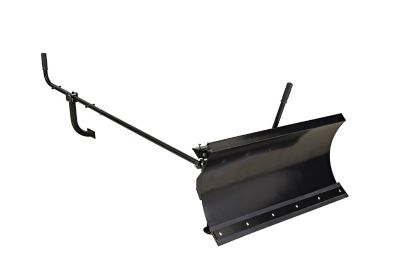
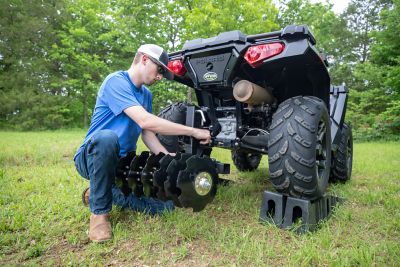
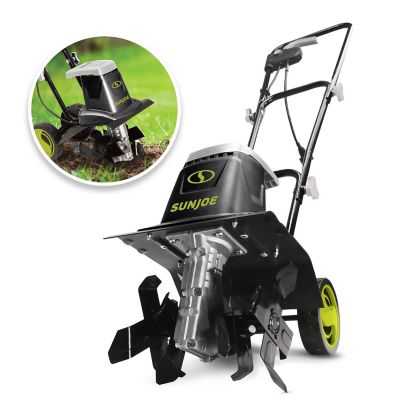
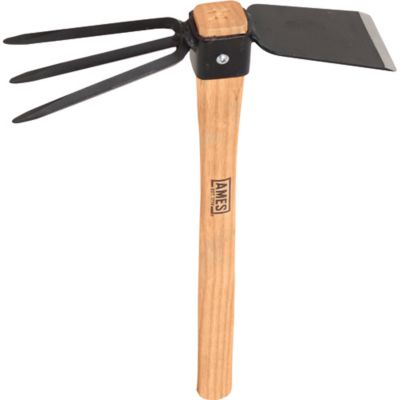
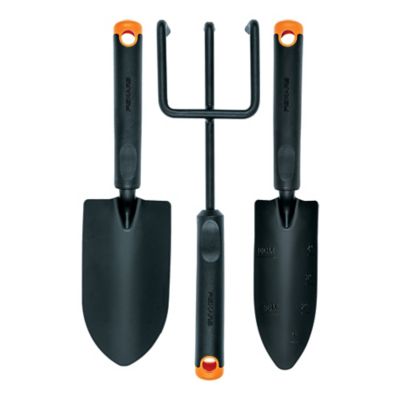
Garden plows help turn a patch of ground into workable growing space, whether you are tending a backyard garden, a homestead plot or several acres of open soil. The right choice depends first on the size of the area and the kind of ground in front of you. A human-powered push plow or high-wheel cultivator fits smaller plots, garden rows and places where a tractor cannot easily travel. The large wheel helps the tool roll along while the plow point, blade or other attachment opens a furrow, loosens soil and shapes raised rows. These tools can be handy for planting, hilling crops and working between established rows, especially when you want a simple option that does not require fuel or a tractor. A wheel hoe attachment with a plow blade can serve a similar purpose, giving gardeners a way to make narrow furrows or pull soil toward crops such as potatoes and corn. A garden hoe, such as the options found on the
Garden Hoe page, can complement a plow by helping with lighter work around plants, tight spaces and row edges.
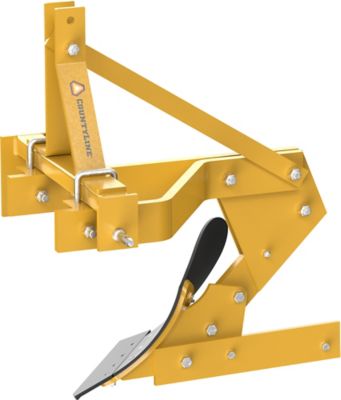
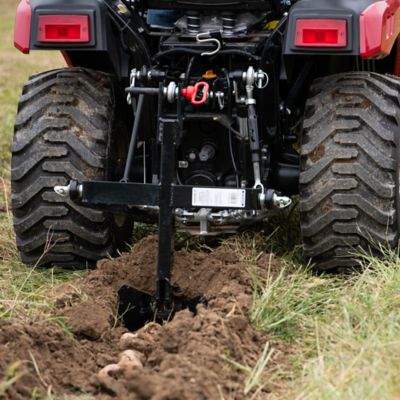
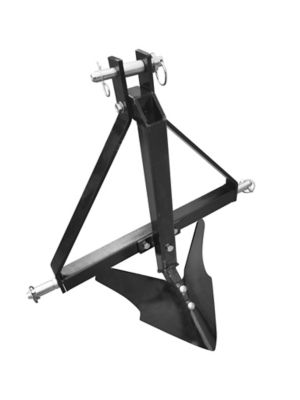
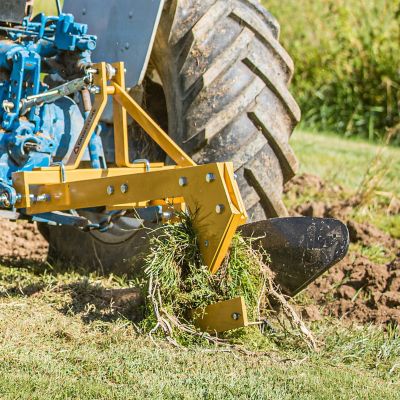
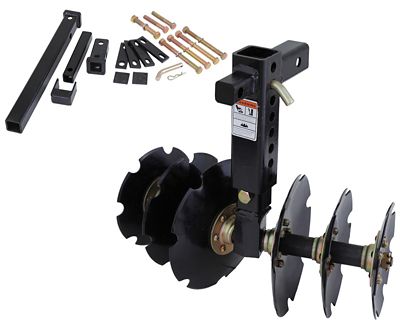
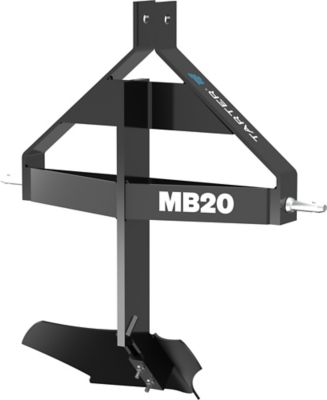
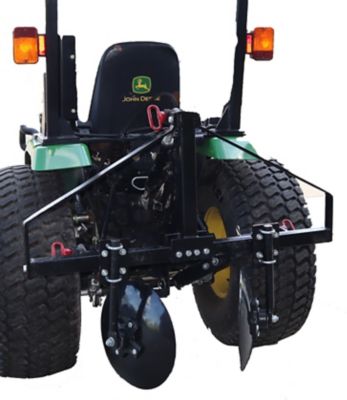
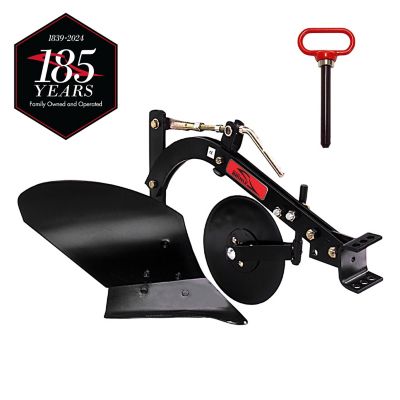
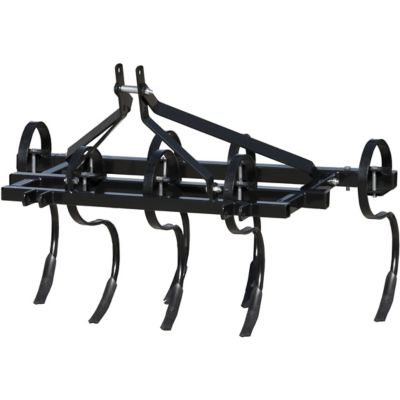
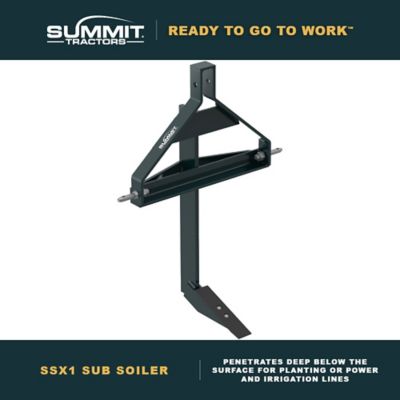
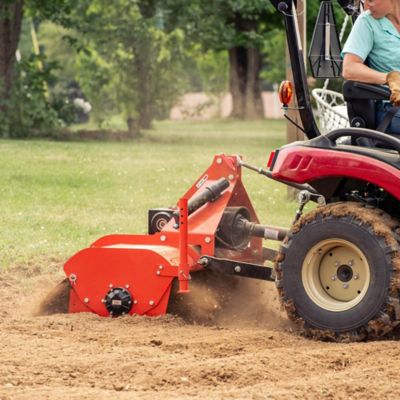
For larger gardens or ground that has been left in sod, a tractor-mounted plow may be the better fit. A single-bottom plow turns one furrow at a time and is often suited to smaller tractors and modest fields. Two-bottom plows cover more ground with each pass, which can save time when preparing a wide garden or opening a new plot. Tractor size matters, and the implement should match the machine’s horsepower, three-point hitch capacity and lift range. Many single-bottom garden plows are intended for tractors in the roughly 18-to-35 horsepower range, while a two-bottom model may call for a tractor rated up to about 40 horsepower, though the soil itself can change what the tractor needs. Heavy clay, packed ground, roots and damp soil all place more strain on the tractor and the plow. Check the manufacturer’s specifications for working width, recommended horsepower, hitch category, cutting depth and shipping dimensions before placing an order. Also think about storage, transport and turning room at the end of each row. A plow that fits the field but cannot be lifted safely, backed into the shed or maneuvered around gates will create headaches once the work starts.
Good soil preparation begins with choosing the right conditions. Ground that is too wet can smear beneath the plow and leave hard clods when it dries, while ground that is too dry may demand extra tractor power and make a rough ride. During the cooler months, many gardeners are planning the next growing season, checking fences and deciding which sections need fresh attention when the weather warms. A plow can break through sod, bury surface growth and open compacted ground, but it is best to make only as many passes as needed. Repeated deep tillage can disturb soil structure and bring unwanted weed seeds to the surface, so many growers plow only when a new bed must be established or a stubborn layer needs to be opened. Set the working depth gradually, keep the tractor moving at a steady pace and watch how the soil rolls off the moldboard. Leveling the implement helps maintain an even furrow, while making turns with the plow raised helps protect the frame and the field edge. Before operation, inspect pins, blades, fasteners and hitch points, clear the work area of stones and wire, and follow the safety instructions for the tractor and attachment. For a smaller garden, a push plow can make row preparation feel more like steady farm work than a major equipment project; for acreage, a tractor plow can cover broad ground and leave clean, turned furrows ready for later finishing. These tools can also make a thoughtful present for someone starting a larger garden, moving onto rural property or expanding from a few raised beds into traditional rows. Consider the recipient’s garden size, tractor access, soil type and storage space so the plow matches the work waiting in the field.