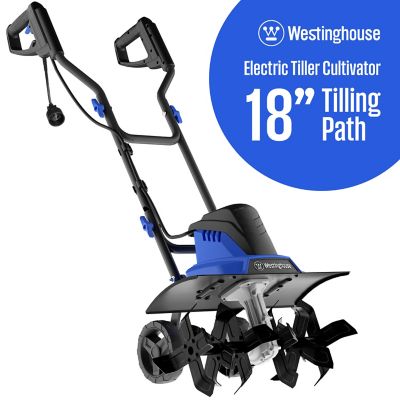
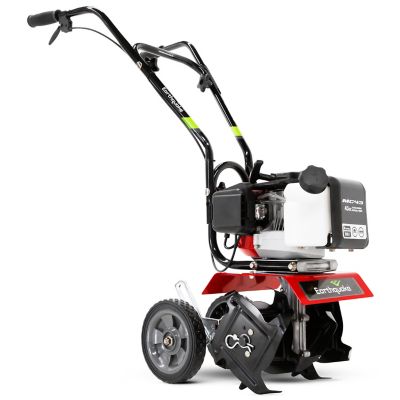
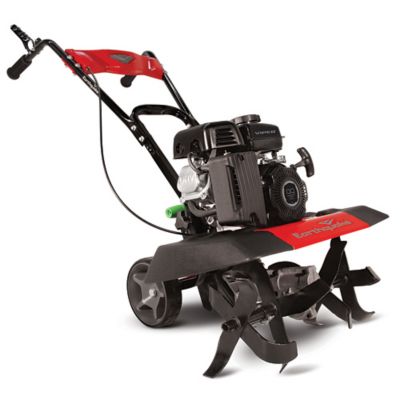
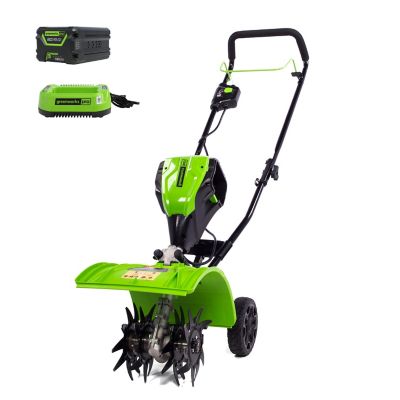
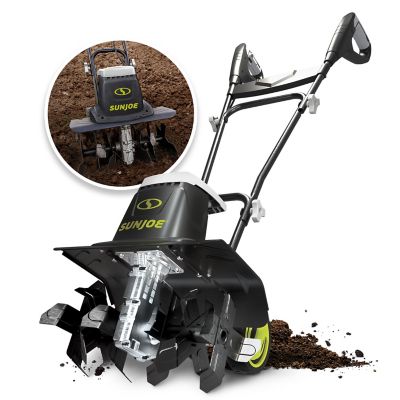
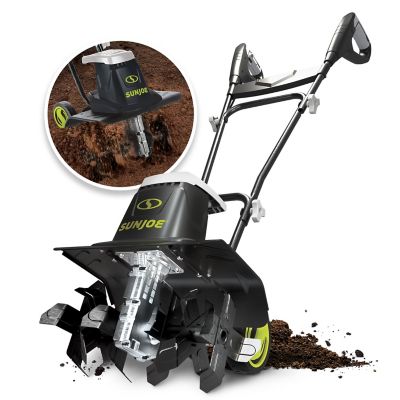
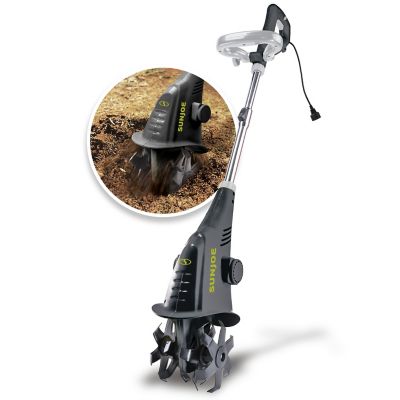
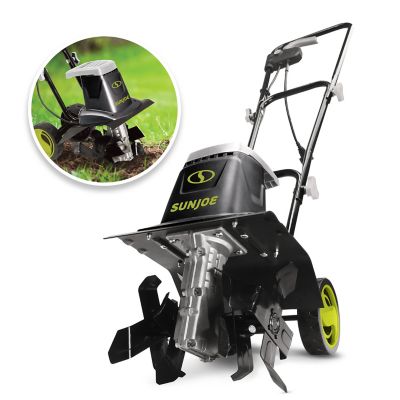
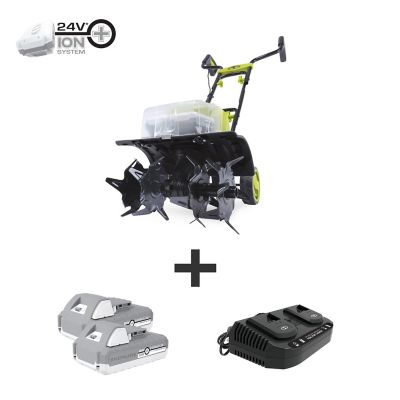
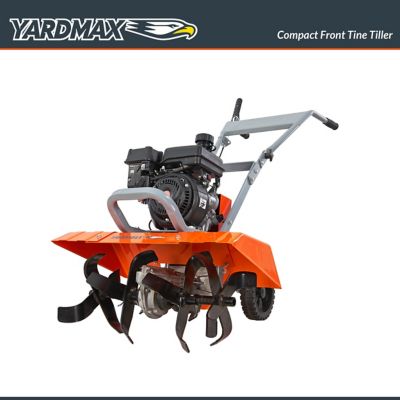
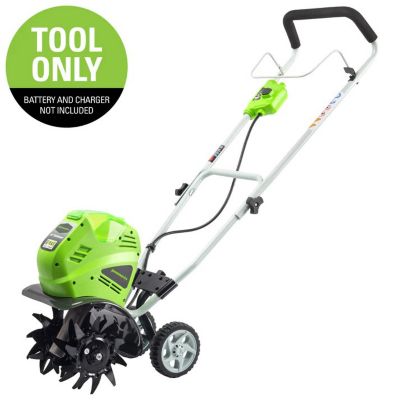
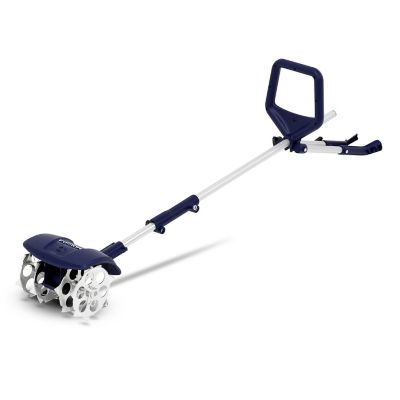
Yard cultivators are gardening tools that loosen the upper layer of soil, break apart small clumps, help remove young weeds, and mix compost or other soil amendments into garden beds. Their tines work through the surface rather than cutting grass, making them a fit for vegetable rows, flower beds, and planting areas around the yard. A cultivator can open up the crust that forms on bare soil and leave a finer surface for planting, without turning the whole bed over. Manual designs give gardeners close control around individual plants, while powered designs take on larger stretches with less repeated pulling and pushing. Both have a place on a home property, whether the job is tending a few raised beds beside the porch or keeping space between vegetable rows manageable. These tools generally suit ground that has already been worked. Breaking new ground, cutting through thick sod, or tackling deeply compacted earth usually calls for heavier equipment, such as a garden tiller. That distinction matters when matching a tool to the job: a lightweight cultivator should not have to fight its way through a patch of established turf. Within a prepared bed, though, shallow cultivation can make routine upkeep easier to manage. Small weeds are easier to disturb before their roots become well established, and narrow working widths help reach between plants without clearing a broad strip. Cultivation still needs some breathing room around stems and roots. Close to shallow-rooted vegetables, shrubs, or trees, a light touch matters more than digging depth. Soil condition also affects the result. Soil that crumbles under gentle pressure generally breaks apart more readily than ground that smears into sticky ribbons or forms hard chunks. Cultivating too aggressively can damage soil structure, so deeper and faster are not always better. For many yard and garden jobs, the goal is simply a loose surface, fewer competing weeds, and a planting area that is easier to tend.
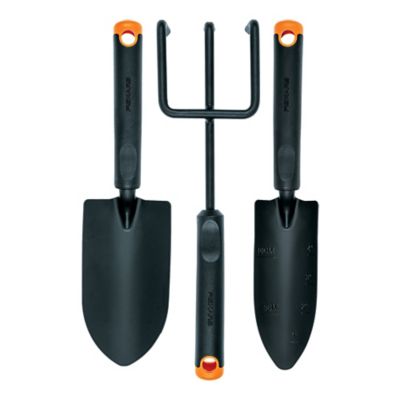
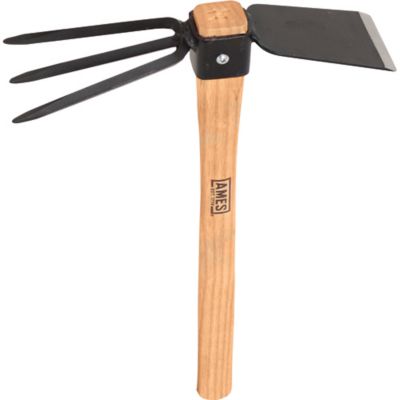
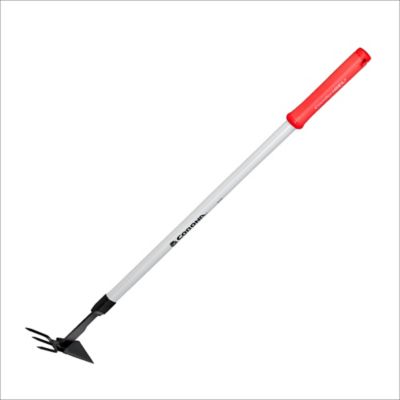
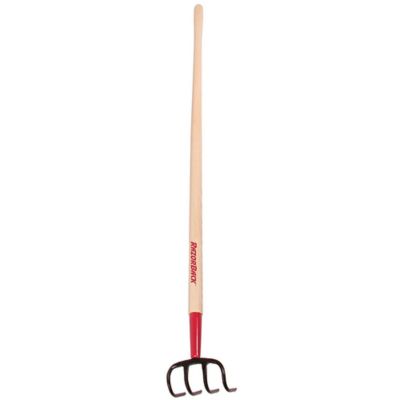
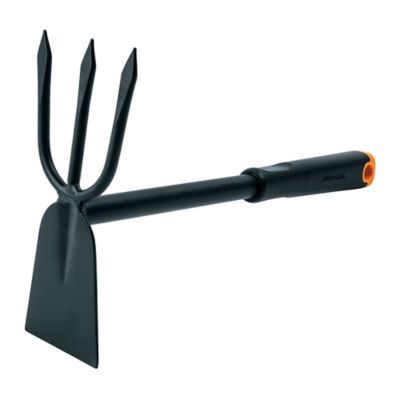
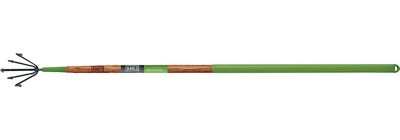
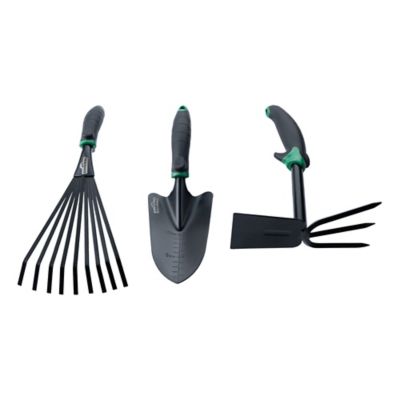
The way a yard cultivator feels in the hand matters almost as much as what its tines can do. Short-handled tools offer control in raised beds, containers, and tight corners where a full-size handle would get in the way. Long-handled designs provide reach across beds and can reduce repeated bending, provided the handle length suits the person doing the work. A comfortable grip, manageable weight, and balanced head help during a steady stretch of pulling through soil. Steel tines bring strength to the working end, while handle construction may include wood, metal, or fiberglass, each with a different feel and care needs. Smooth wood should be free of splinters, metal connections should stay secure, and grips should allow a firm hold without forcing an awkward wrist angle. Tine spacing and shape influence how the tool moves through a bed. Closely spaced tines can break smaller clods and comb through loose soil, while more open spacing gives larger bits of soil and plant matter room to pass. For gardeners comparing hand-tool shapes,
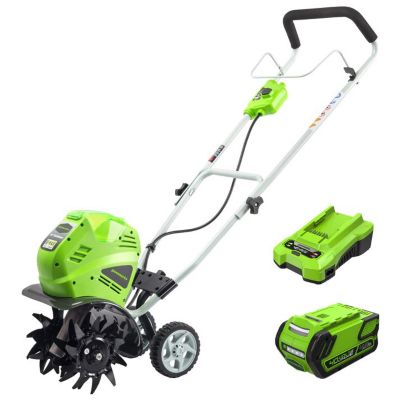
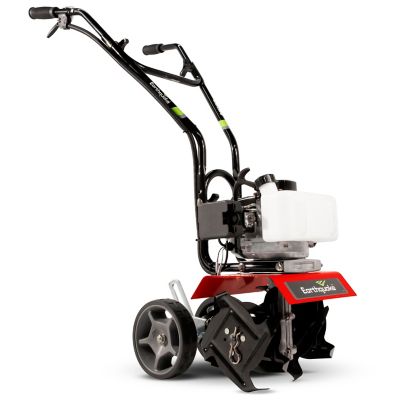
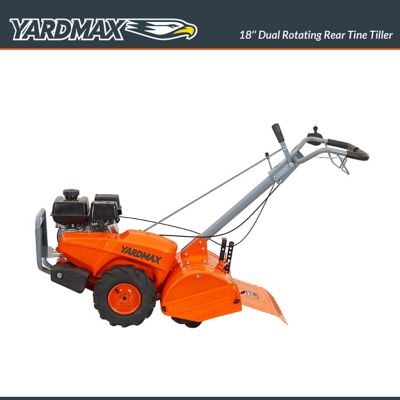
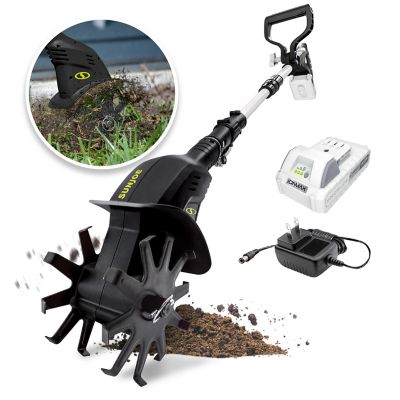
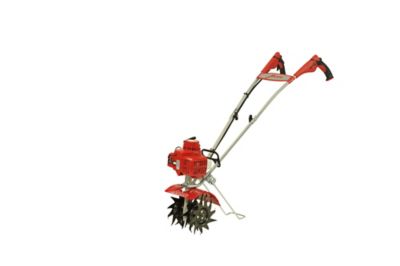
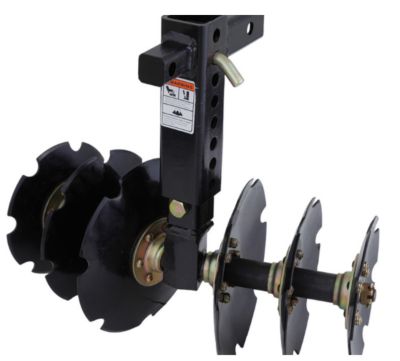
Cultivator Rakes offer a related option for loosening soil and working through the surface of planting beds. Powered cultivators bring other considerations, including working width, weight, controls, and how easily the machine turns at the end of a row. A wider path can reduce passes in open ground, but a narrow machine may fit better between rows or inside a fenced garden. Corded electric designs require a suitable power source and an extension cord that meets the equipment’s specifications. Battery-powered designs offer movement without a trailing cord, with runtime depending on the battery, soil, and workload. Gas-powered designs involve engine upkeep and fuel handling. Across these types, an adjustable handle or working depth can help match the tool to the operator and task, but the equipment’s stated capabilities remain the better measure than size alone.
Everyday garden layouts often make the choice clearer than a long list of features. A gardener working between a fence and a row of beans needs room to maneuver without snagging vines or scraping posts. Someone tending waist-high beds may care more about hand-tool balance than motor power. A larger plot with broad, straight rows puts more value on steady coverage and comfortable controls. Stones, buried roots, irrigation lines, and edging also affect where a cultivator can work safely. Rotating tines need clearance from these obstacles, and loose clothing, dangling cords, and pets belong away from the working area. Eye protection, closed-toe footwear, and the safety equipment specified by the manufacturer belong with the job. Care is usually straightforward, but it makes a difference over the life of the tool. Soil left packed around tines can hide wear and hold moisture against metal. Cleaning off buildup, drying the working surfaces, and storing equipment out of standing moisture help limit corrosion and keep moving parts clear. Before cleaning or checking powered tines, the power source needs to be disconnected according to the manufacturer’s directions. Bent tines, loose fasteners, cracked grips, and damaged guards deserve attention before the next job. Wood handles may need occasional care to keep their surfaces smooth, while powered equipment has its own schedule for lubrication, battery care, or engine service. Replaceable wear parts can also matter for long-term ownership, especially for equipment that sees regular work in abrasive soil. A cultivator can make a practical gift for a gardener, particularly when its size and power source match the beds they already tend. The best fit is not necessarily the biggest tool in the shed. It is one that reaches the intended space, feels manageable through repeated passes, and handles the kind of soil work the property actually needs.