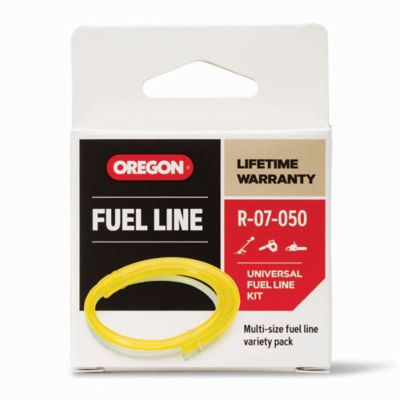
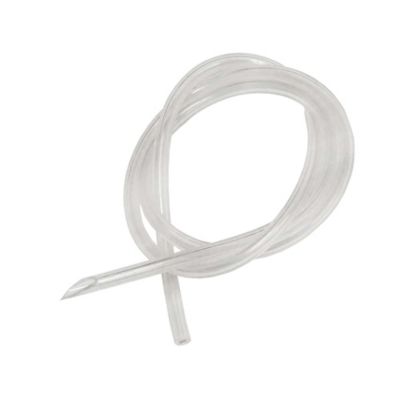
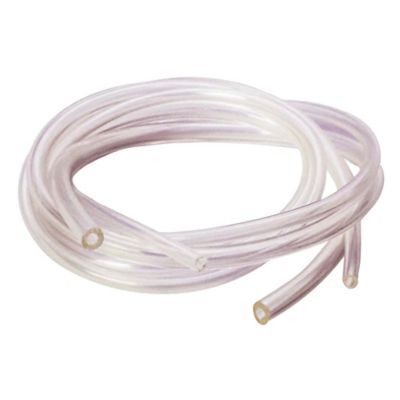
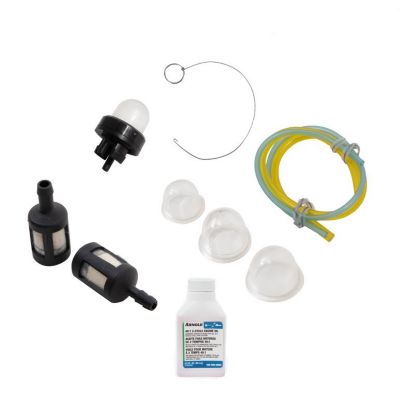
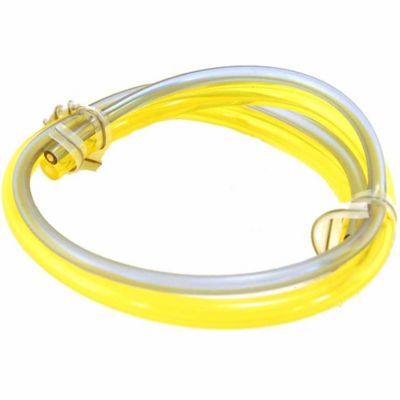
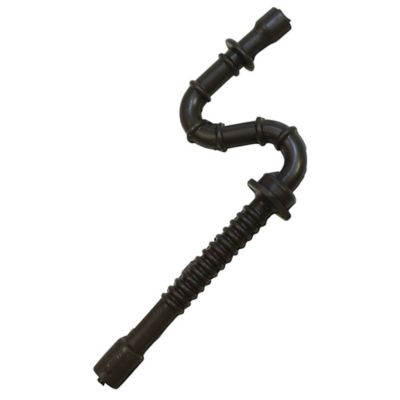
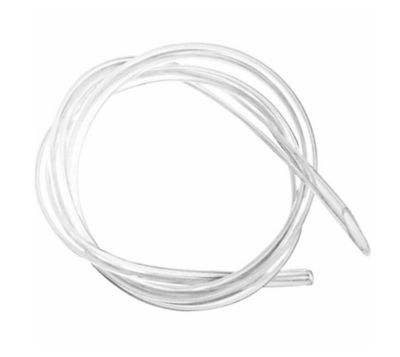
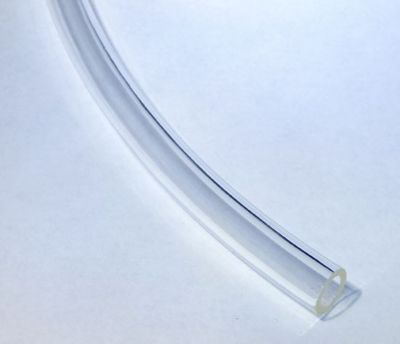
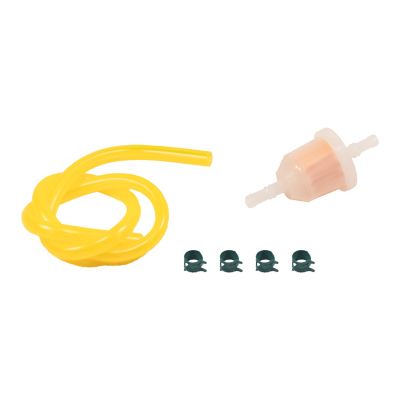
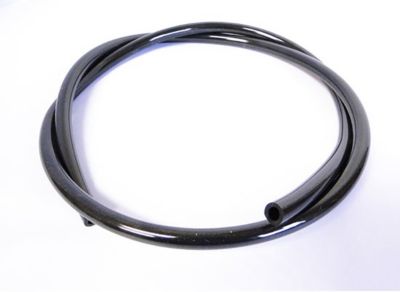
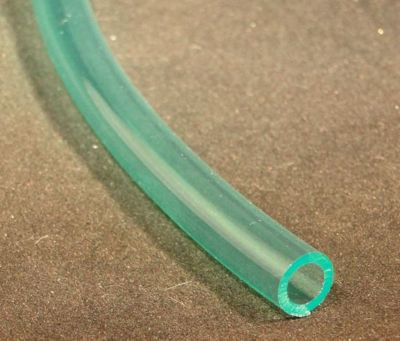
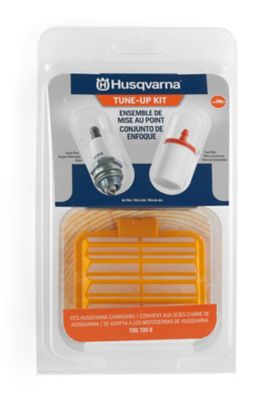
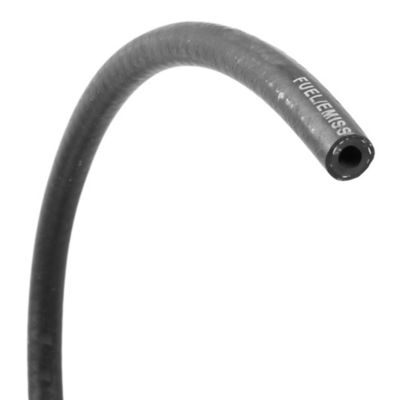
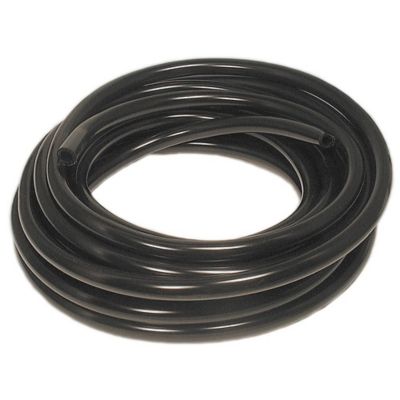
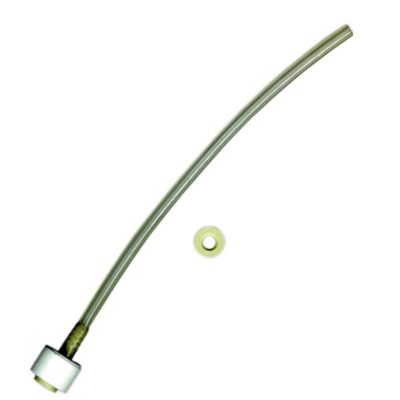
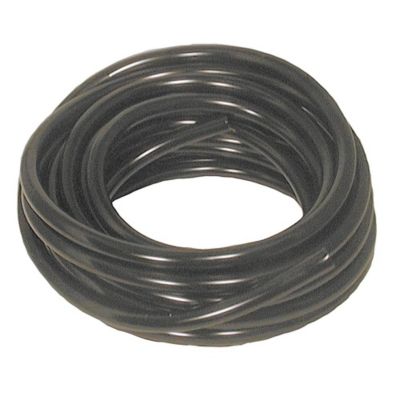
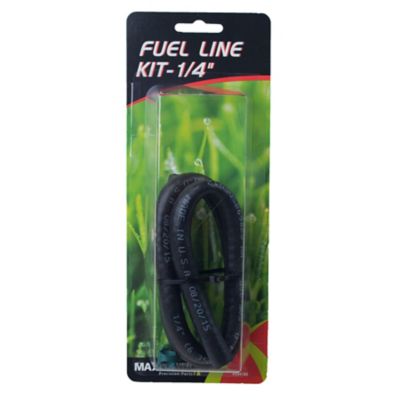
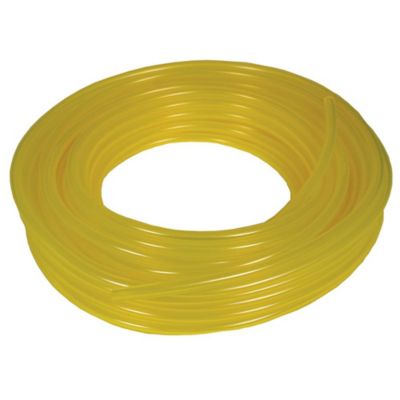
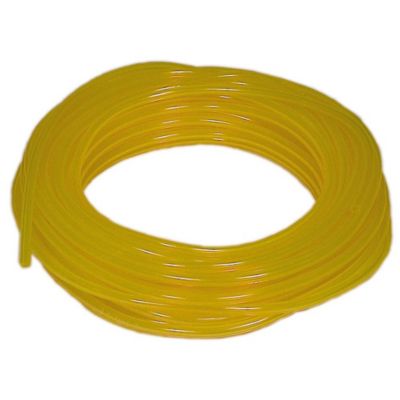
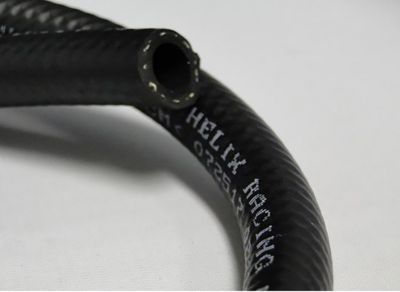
Fuel lines for chainsaws are small parts, but they play a big role in keeping a gas-powered saw running right. The fuel line carries the two-cycle fuel mixture from the tank to the carburetor, where the engine draws in the fuel it needs to start, idle and cut under load. With time, heat, vibration and fuel exposure can take a toll on the tubing. A line that once felt soft and flexible may turn hard and brittle, while another may become gummy, swollen or thin enough to split when it is moved. Ethanol-blended fuel can speed up that wear, especially when fuel sits in a saw through long stretches of storage. A cracked line may leak fuel into the tank area, while a split or loose line can let air into the fuel system and cause sputtering, uneven acceleration or an engine that starts and then dies when the chain meets wood. If the line breaks inside the tank, the fuel filter may no longer stay in the right place, making it difficult for the saw to draw fuel consistently. When shopping for fuel lines for chainsaws, start with the chainsaw’s make, model and service information, then compare the replacement line’s inner diameter, outer diameter, length, material and shape with the original. Common tubing sizes include 3/32-inch inside diameter by 3/16-inch outside diameter and 1/8-inch inside diameter by 1/4-inch outside diameter, but those measurements are not universal. A line that looks close may fit loosely at the carburetor, pinch inside the tank opening or restrict fuel flow if the size is not right. Some saws use straight flexible tubing, while others require a molded line, a special bend or a line that works with an integrated tank grommet. Taking a quick photo of the old routing before removal can save plenty of head-scratching at the workbench, particularly when the line passes through a tight tank opening or around the carburetor. A translucent yellow Tygon-style fuel line is a common choice for many consumer and mid-range saws because it is flexible and makes it easier to see fuel moving through the tube. Professional or specialized equipment may call for molded rubber tubing or a replacement line designed to match the original connection points. Always follow the saw manufacturer’s fuel recommendations; standard replacement tubing may not hold up well to fuel blends above 10% ethanol, and the wrong material can soften, swell or dissolve inside the fuel system.
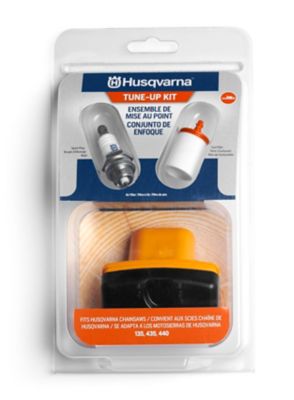
Fuel lines for chainsaws are useful for homeowners cutting storm-damaged limbs, landowners clearing trails, firewood cutters, property managers and anyone who keeps a saw ready for work around the farm. They are also a practical addition to a chainsaw maintenance kit or a thoughtful gift for the neighbor who is always helping clear a fallen tree after a windy night. A spare line takes up very little room in a toolbox, yet having the correct tubing on hand can keep a small repair from turning into a long trip for parts. Before replacing one, let the engine cool completely, drain the fuel into an approved container and work in a well-ventilated area away from sparks, flames and smoking materials. Fuel can remain in the line and tank even when the saw appears empty, so handle the old tubing carefully and dispose of fuel and oily parts according to local requirements. Inspect the fuel filter at the same time. A dirty filter can restrict flow, and a hardened line may have allowed pieces of deteriorated material to travel toward the filter or carburetor. Check the tank grommet, pickup end, primer connections and carburetor fittings for cracks or looseness, too. The replacement line should follow the original path without sharp kinks, rubbing against the flywheel or muffler, or pulling tight when the tank or carburetor moves. Push the line fully onto each fitting, but avoid stretching it so far that the connection becomes thin. A small amount of fuel-resistant lubricant can sometimes help with installation, though the equipment instructions should have the final say. After the repair, add the proper fuel mixture, check carefully for leaks and allow the saw to idle before putting it under load. If the engine still refuses to start, runs lean, surges or dies during a cut, the problem may also involve the fuel filter, tank vent, primer bulb, ignition system or
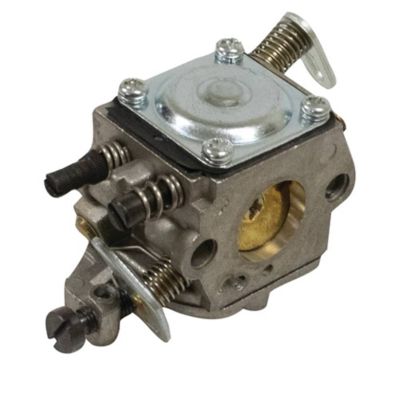
Chainsaw Carburetors. During the warmer part of the year, fuel lines may soften faster when a saw is left in a hot shed or truck bed; during cooler months, old tubing can become stiff enough to crack when bent. Store the saw out of direct sunlight, use fresh fuel prepared according to the engine instructions and avoid leaving an ethanol blend sitting for long periods. A clean fuel system, the right replacement size and a few minutes of inspection can help a dependable saw start easier and stay ready for the next fence line, woodpile or cleanup job.