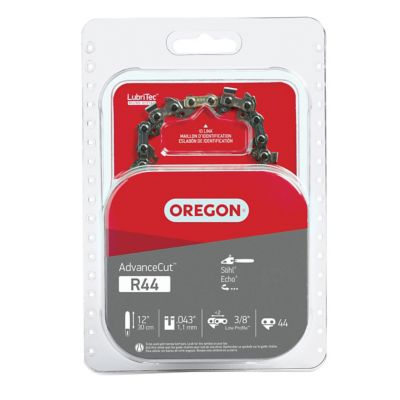
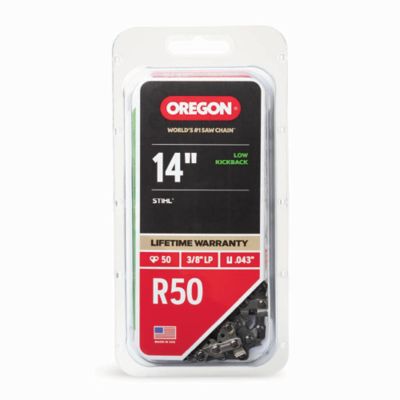
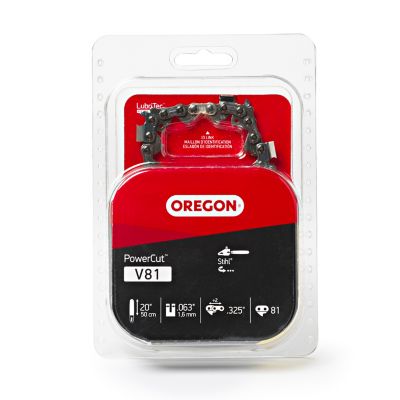
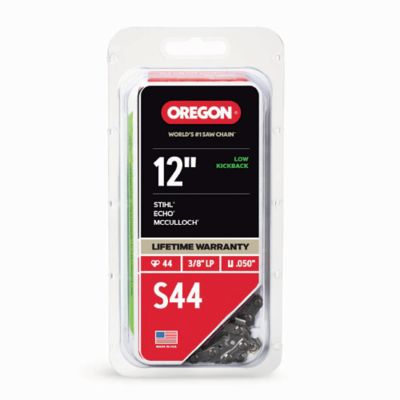
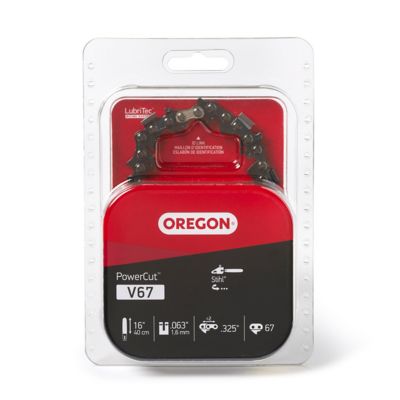
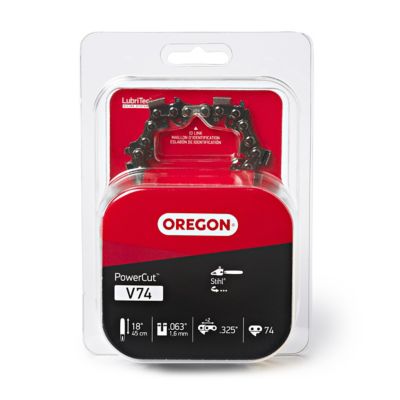
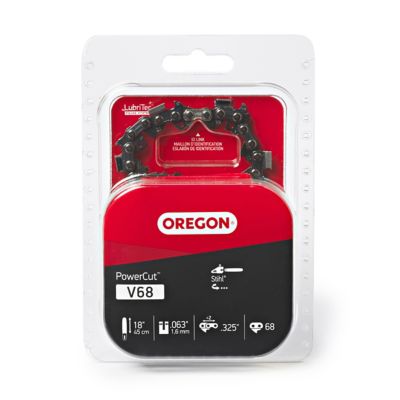
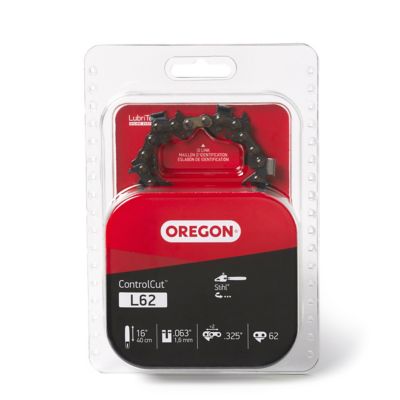
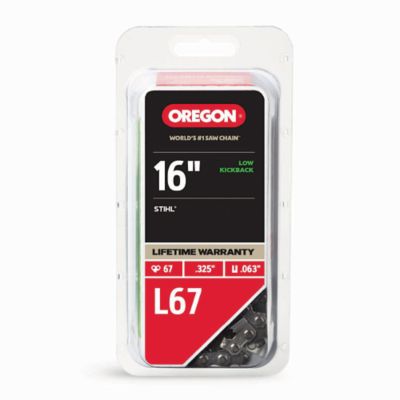
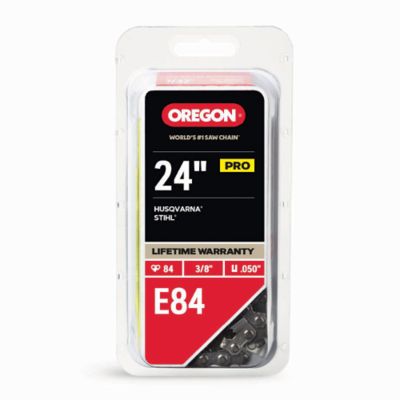
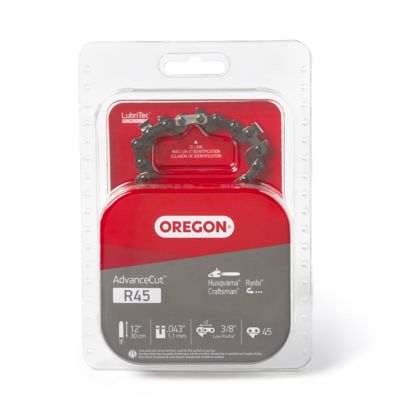
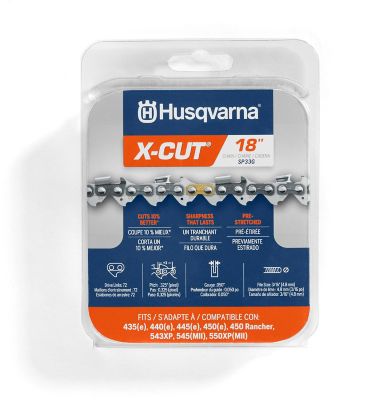
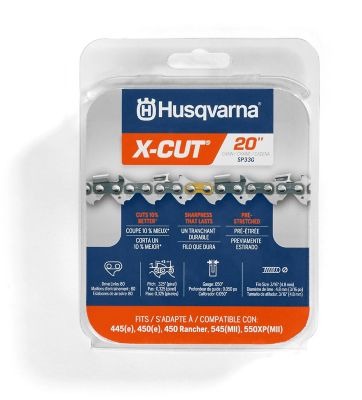
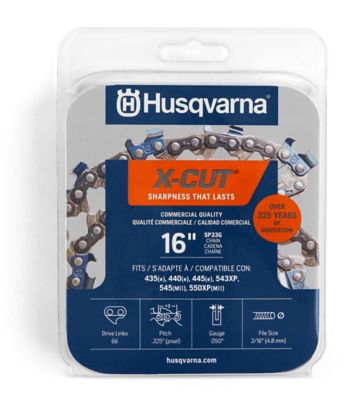
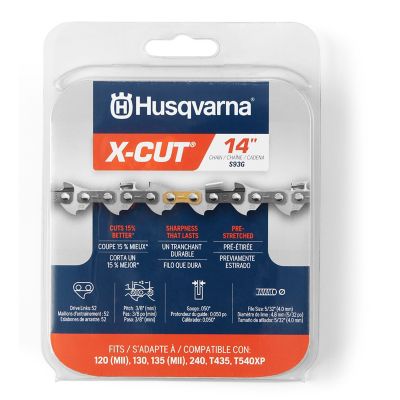
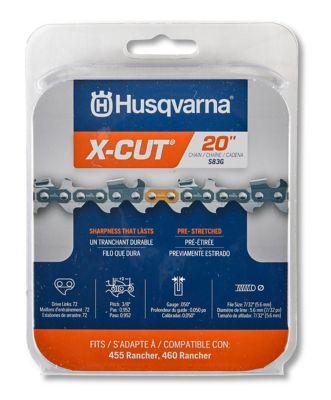
Chainsaw chains are working parts that take the cutting force of a saw and turn it into steady progress through limbs, logs, and firewood. The right chain can make a noticeable difference when clearing storm-fallen branches, trimming trees around a pasture, cutting fence-line growth, or processing firewood during the cooler months. When shopping this selection, start with the information stamped on the guide bar or printed in the saw’s owner’s manual. Three measurements matter most: pitch, gauge, and the number of drive links. Pitch describes the spacing between the rivets, gauge describes the thickness of the drive links that sit in the guide-bar groove, and drive-link count determines the chain’s overall fit and length. A chain can look close to the one on the saw and still be the wrong match, so check all three details before ordering. Common chain pricing often falls in the range of about $18 to $49, with cost shaped by the chain’s size, cutter design, and intended work. A saw for light property maintenance may call for a low-profile, low-kickback semi-chisel chain, while a larger saw for felling and bucking may require a taller-profile chain. Full-chisel chains are built for fast cutting in clean, softwood or hardwood logs, but their sharper cutter shape can lose its edge sooner when it meets dirt, bark grit, or wood that has rested on the ground. Semi-chisel cutters generally hold their edge longer in rough working conditions and can be a practical choice for farm chores, firewood piles, and general outdoor work. Matching the chain to the saw, bar, and job helps the equipment run as intended and gives the operator a smoother day in the woods or along the back fence.
Think about the work ahead before selecting a replacement. Someone maintaining a small acreage may spend a Saturday clearing limbs from a lane, cutting fallen trees into stove-length rounds, and opening up an overgrown corner near the barn. That kind of work often favors a chain that is easy to control and suited to light- or medium-duty cutting. A landowner handling larger trunks, regular firewood production, or tree removal may need a chain designed for a larger engine and a longer bar. People who cut timber for a living, manage woodland, or keep a busy farm may also look for cutting speed and a cutter style suited to long sessions, while occasional operators may place more value on smooth handling and an edge that stands up to contact with ordinary bark and debris. Chainsaw chains can make practical gifts for a landowner, logger, ranch hand, or anyone who keeps a saw ready for storm cleanup, though the recipient’s exact saw details are essential. If those specifications are not known, a gift card or a conversation about the saw model and bar markings may be a better path than guessing. Before fitting a chain, inspect the bar groove, sprocket, oiling holes, and bar rails for wear. A fresh chain will not correct a bent bar or a worn sprocket, and pairing new parts with neglected components can lead to uneven cutting and extra strain. Keep the chain properly tensioned according to the saw maker’s directions; it should sit snugly in the bar groove while still moving freely by hand with the engine off and the chain brake released as directed. Check tension during a cutting session because heat and movement can change the fit. Personal protective equipment matters just as much: wear eye and hearing protection, gloves made for saw work, sturdy boots, and leg protection intended for chainsaw use. Keep both hands on the saw, maintain firm footing, clear the work area, and never cut above shoulder height.
Care and cutting conditions have a big effect on how long a chain performs well. Dirt is especially hard on cutters, so clear soil, stones, wire, and metal from around a log before making a cut. Fence posts, old nails, hidden wire, and storm debris can damage a chain in an instant. If the saw starts producing fine dust instead of chips, pulls to one side, needs extra pressure, or seems to cut slowly, the chain may need sharpening, tension adjustment, or replacement. Filing angles and depth-gauge settings should follow the chain maker’s specifications, and a sharpening guide can help keep each cutter even. If several cutters are badly damaged or the drive links no longer fit the bar correctly, replacing the chain is often the sensible choice. Keep spare chains clean, lightly protected from rust, and stored where they cannot snag clothing or skin. During the cooler months, many rural households prepare firewood, clear branches after windy weather, and tidy shelterbelts before snow or ice arrives. A properly matched chain kept on hand can help with those jobs, whether the saw belongs to a seasoned logger or a property owner who handles occasional cleanup. For shoppers comparing saw equipment for heavier workloads, the
Professional Chainsaw page offers another place to consider saw size and intended use alongside replacement-chain needs. Take the bar markings with you when shopping, compare pitch, gauge, and drive links carefully, and choose the cutter style that fits the wood and working conditions around your place.