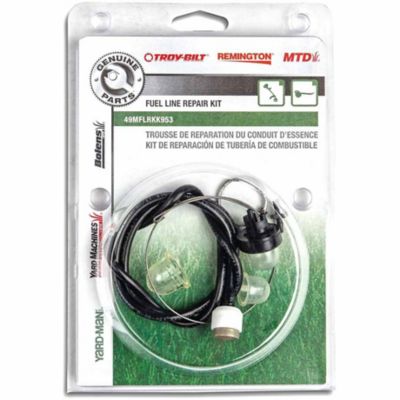
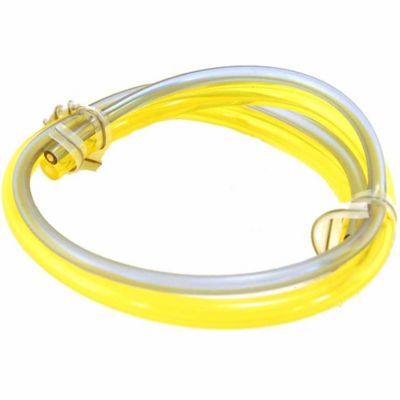
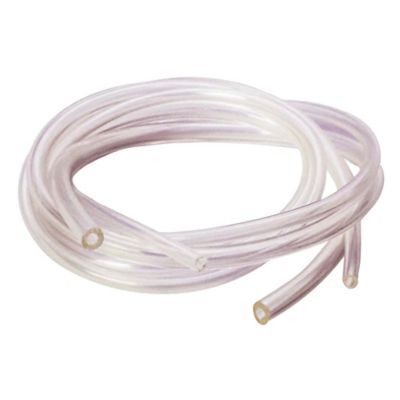
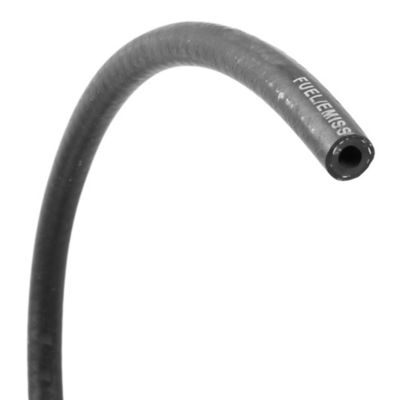
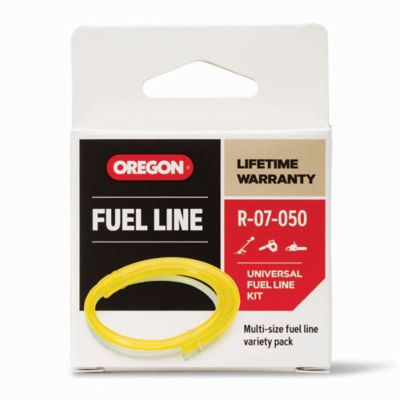
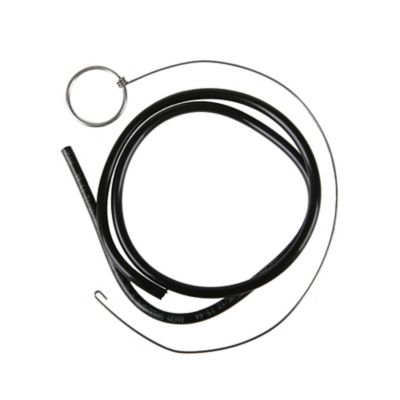
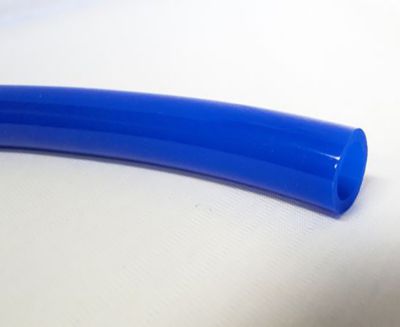
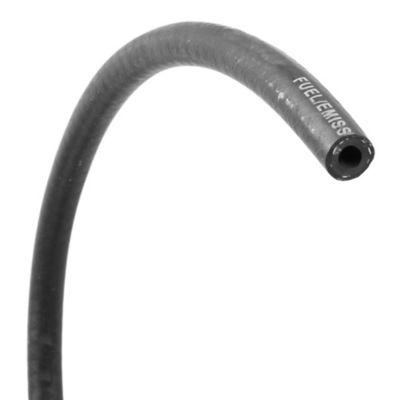
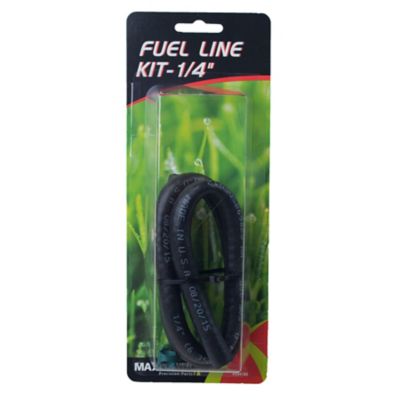
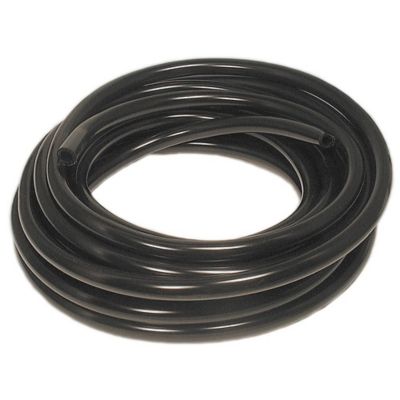
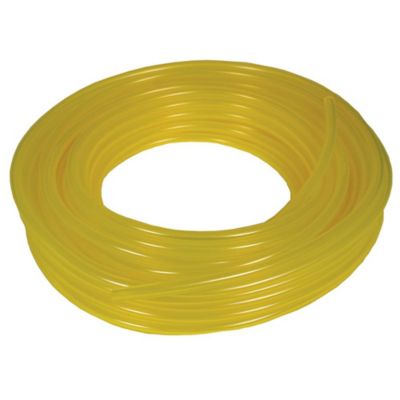
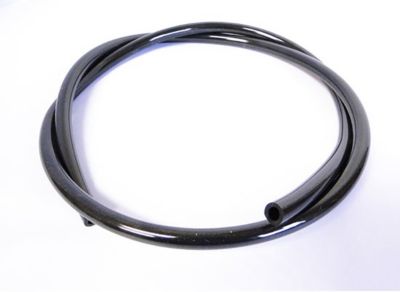
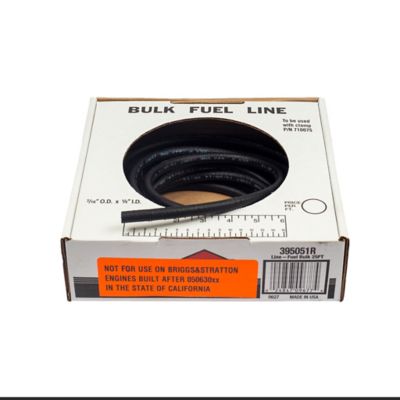
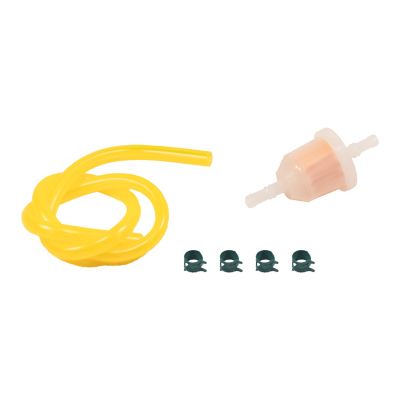
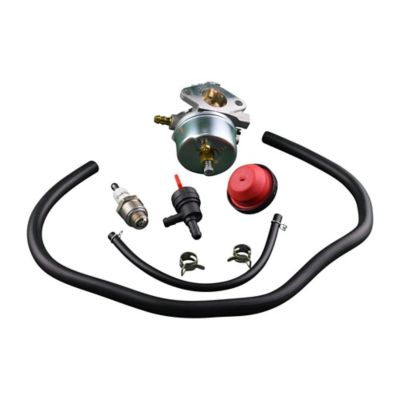
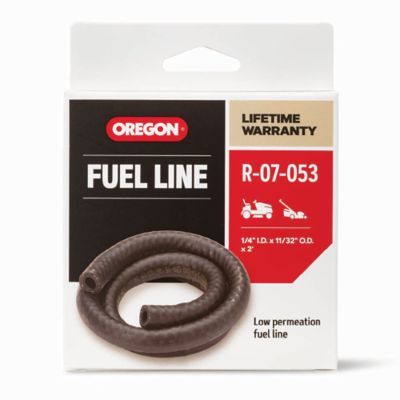
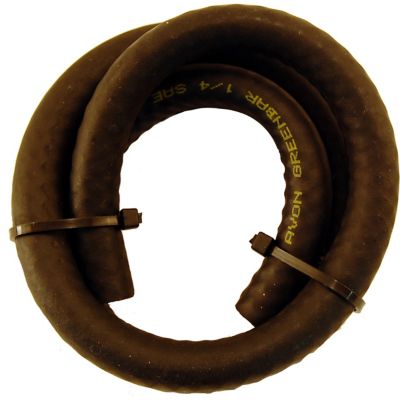
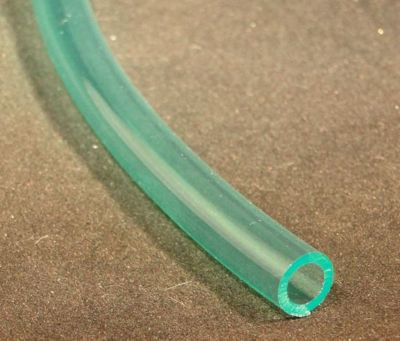
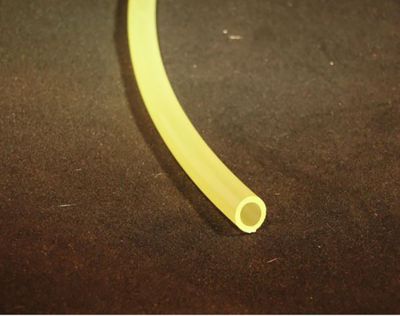
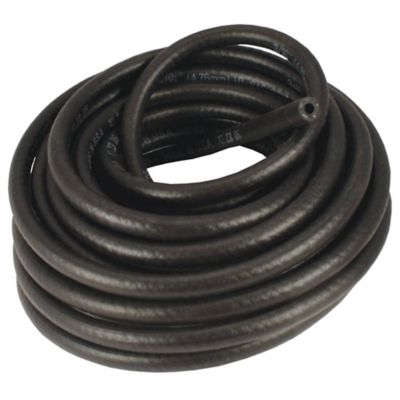
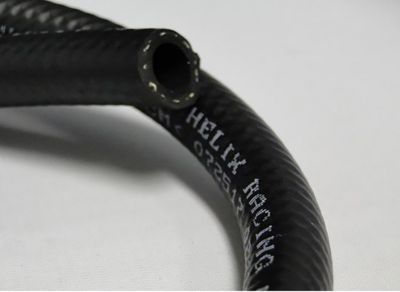
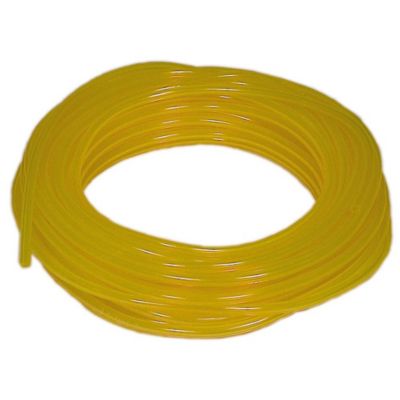
Small engine fuel lines are easy to overlook until an engine starts running rough, refuses to start, or leaves a sharp gasoline smell in the shed. Over time, fuel line material can harden, crack, swell, or become brittle, especially when exposed to modern fuel blends, heat, vibration, and long periods of storage. A worn line may leak near the tank, carburetor, primer bulb, or fuel filter, and even a small split can let air into the system and interrupt fuel flow. Replacement lines are commonly used on handheld trimmers, blowers, chainsaws, edgers, tillers, lawn mowers, snow blowers, generators, pressure washers, and other gas-powered equipment around the farm or home. They can also be handy to keep in a workshop or tool cabinet before the busy work season gets underway. When choosing a replacement, start by checking the equipment manual and comparing the original line with the replacement size. Common inside diameters include 3/32 inch, 1/8 inch, 3/16 inch, and 1/4 inch, although exact sizing varies by engine and fuel system. A line that is too small may restrict fuel delivery, while one that is too large may not seal properly at the tank opening, fitting, or carburetor. Outside diameter matters, too, when the line passes through a tank grommet or a tight opening. If a chainsaw is the main reason for the repair, the selection of
Fuel Lines For Chainsaws can help narrow the search to lines commonly used with those compact, high-revving engines.
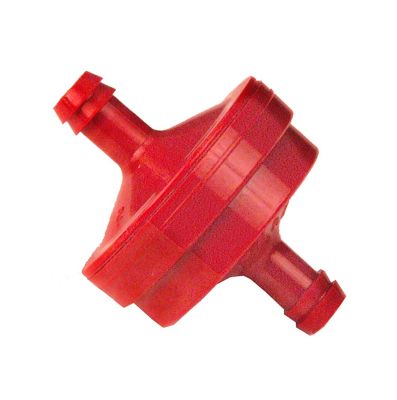
Material is just as important as measurement. Choose line made for gasoline and small-engine fuel systems, with a rating that matches the fuel used in your equipment. Fuel-rated synthetic rubber and purpose-made fuel tubing are designed to handle contact with gasoline, while ordinary clear vinyl, water hose, vacuum hose, and other general-purpose tubing can soften, swell, harden, or break down when exposed to fuel. Check the package information for ethanol compatibility, since fuel containing ethanol can be especially hard on older hose material. Many lines are rated for fuel containing up to 10% ethanol, but equipment and fuel conditions differ, so the correct rating should be confirmed before purchase. It also helps to think about the job the line must do. A flexible line may be needed where the hose moves inside a tank or routes around a compact engine, while a sturdier line may be better for a fixed run on a mower or larger four-cycle machine. Look for a smooth, clean interior that allows fuel to move freely, and inspect the outside diameter when fittings, clips, grommets, or filters are involved. Before removing the old line, take a quick photo of the routing or mark each end so the replacement follows the same path. Keep the line away from mufflers, sharp edges, belts, pulleys, and hot engine surfaces. If the equipment uses a fuel filter, verify that the replacement line fits securely over the filter nipples and that the filter’s flow direction remains correct. These small details help prevent kinks, air leaks, and premature wear after the repair is finished.
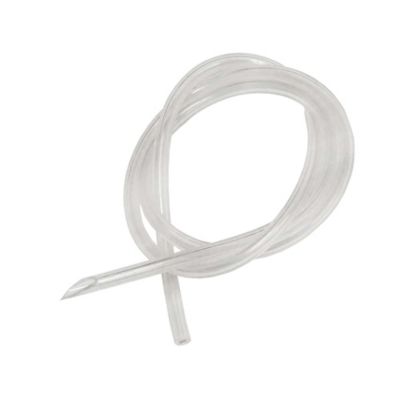
Replacing a small engine fuel line is often a manageable maintenance task, but gasoline deserves careful handling. Work outdoors or in a well-ventilated area with the engine cool, disconnect the spark plug wire when appropriate, and keep cigarettes, flames, heaters, and other ignition sources away from the work area. Drain or clamp the fuel supply according to the equipment manufacturer’s instructions, and use a suitable container for any fuel that must be removed. A fresh cut on the end of the line can make installation easier through a tight tank grommet. Cutting the leading end at a sharp angle may help it pass through the opening; once it is in place, trim the end square before connecting it to the carburetor, filter, primer bulb, or tank fitting. Avoid stretching the line excessively, and do not force a hose over a fitting that is clearly the wrong size. After installation, check every connection for a snug fit and inspect for seepage before starting the engine. Let the equipment run briefly in a safe, open area, then shut it down and look over the routing again. During the warmer part of the year, dependable fuel lines keep everyday yard work moving, while during cooler months they can help prepare equipment for snow removal, firewood work, property upkeep, and seasonal storage. Before putting a machine away, follow its storage instructions, use fresh fuel practices, and inspect the line for stiffness or surface cracks so a small repair does not turn into a larger shop job later. A properly sized, fuel-rated replacement line is a simple part, but it plays an important role in steady fuel delivery, safer operation, and reliable starts when the equipment is needed.