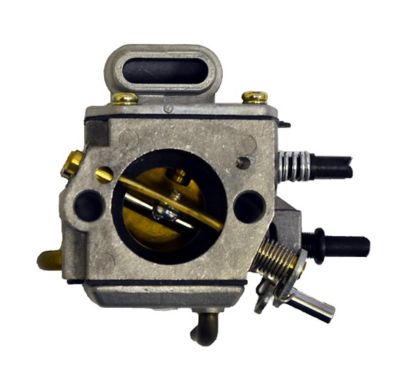
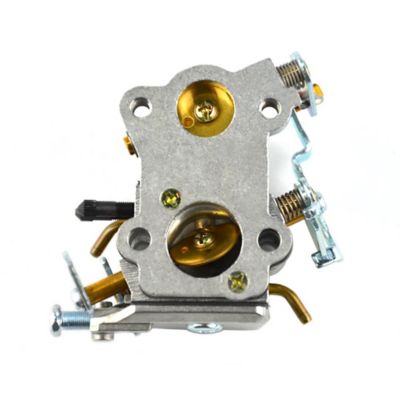
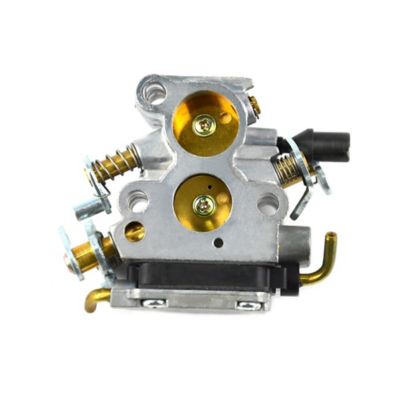
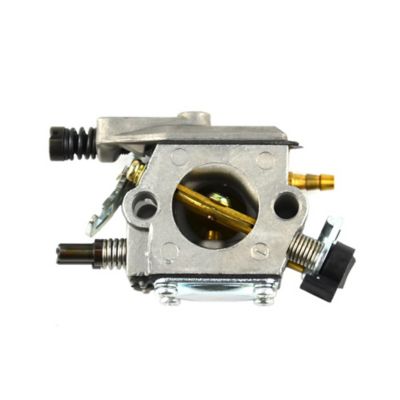
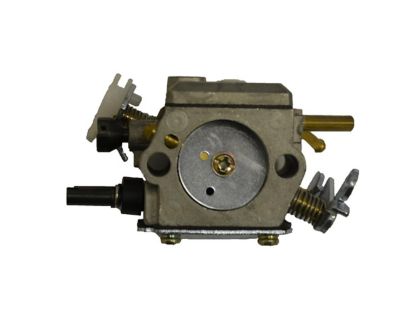
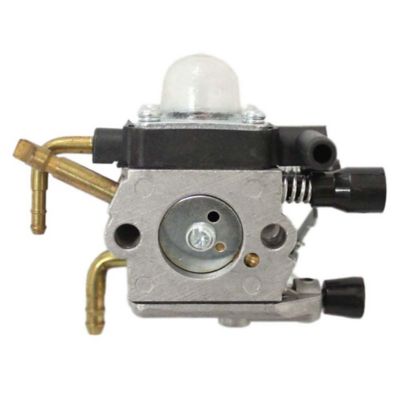
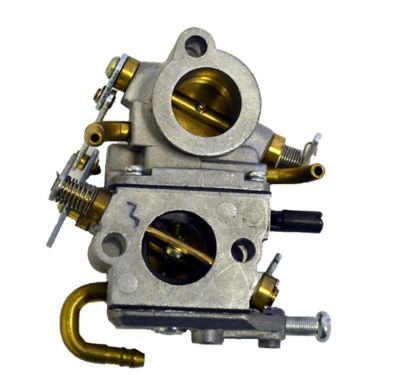
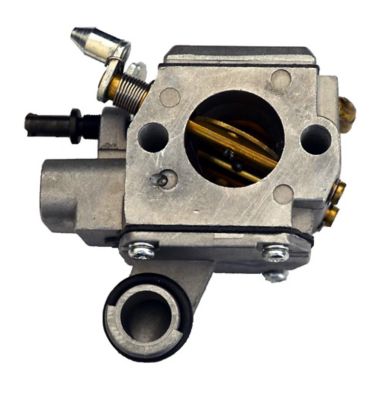
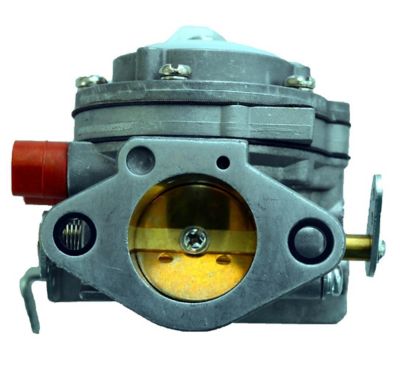
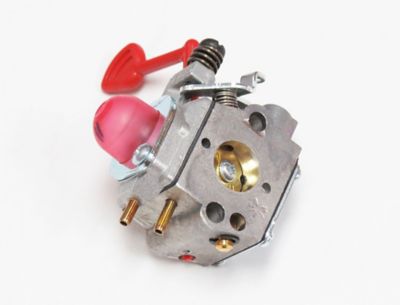
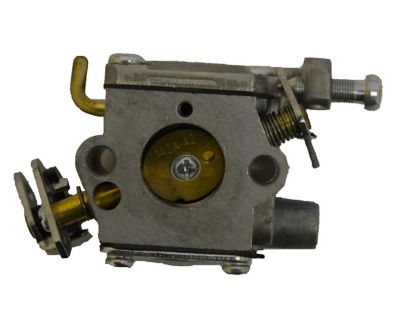
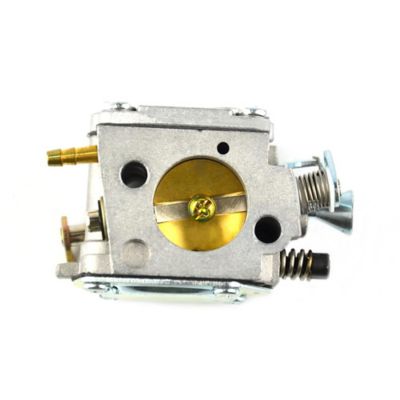
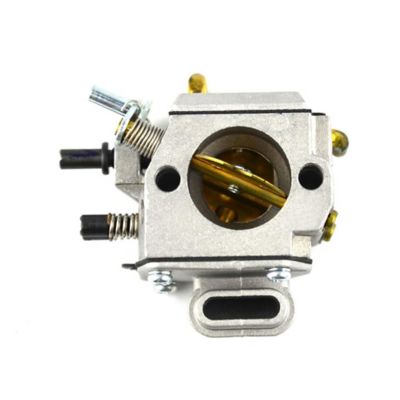
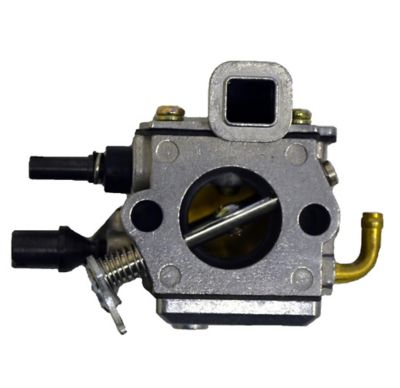
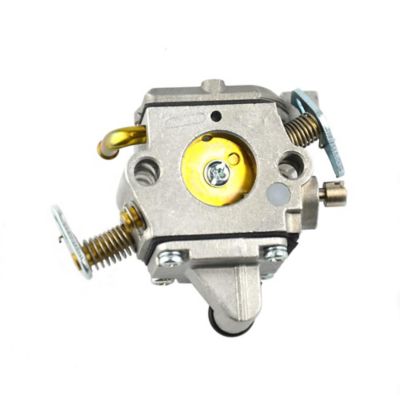
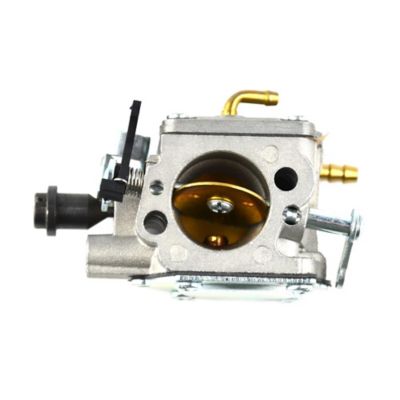
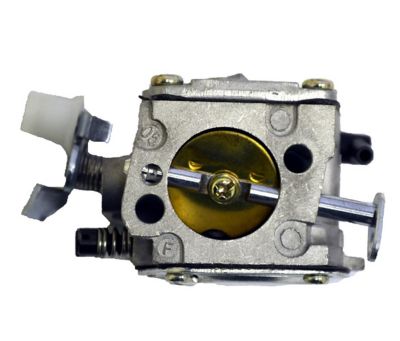
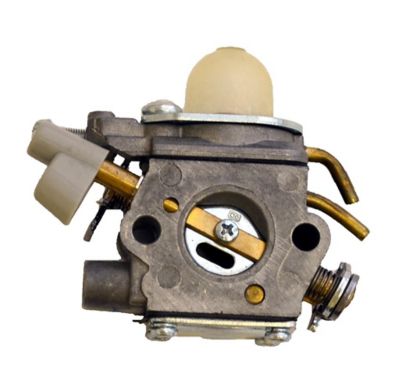
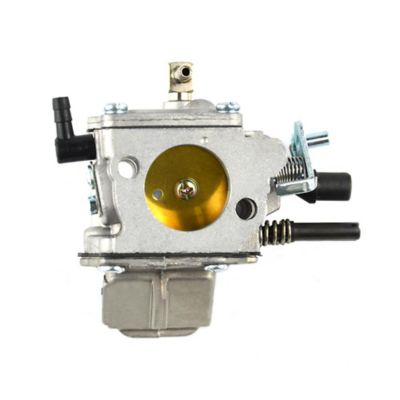
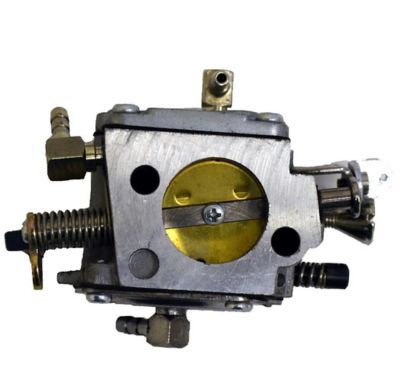
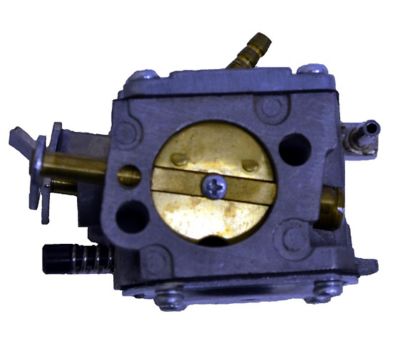
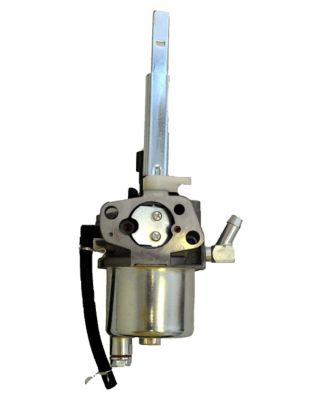
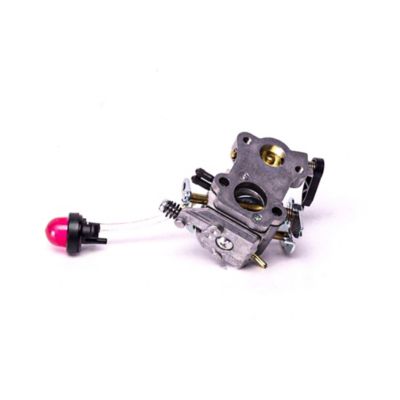
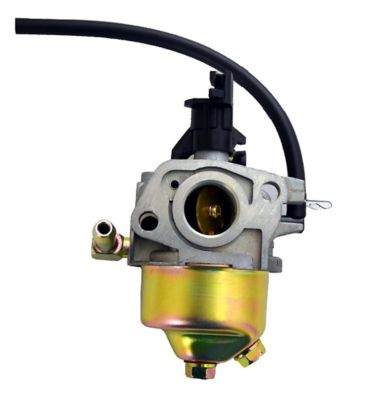
A chainsaw carburetor is the part that blends fuel and air in the right proportion for the engine to run. When that mixture is off, even a well-kept saw can become hard to start, stall at idle, bog down when the chain meets wood, or run unevenly through a cut. Inside the carburetor, a fuel pump uses pulses from the engine to draw fuel from the tank, while a metering diaphragm helps regulate how much fuel enters the system as engine demand changes. Air passes through the venturi, where it mixes with the metered fuel before moving into the cylinder. That small assembly has a big job, especially when a saw is used for trimming storm-damaged limbs, cutting firewood, clearing brush, or maintaining a few wooded acres. The carburetors listed on this page can help support repairs when an original part is worn, damaged, clogged, or no longer responding to adjustment. Common signs of trouble include a rough idle, hesitation when the throttle is opened, surging, fuel leaking around the carburetor, or an engine that starts only with repeated priming. These symptoms can also come from a dirty air filter, old fuel, a restricted fuel filter, cracked fuel lines, a blocked spark arrestor, or ignition trouble, so it pays to inspect the whole fuel and air system before ordering a replacement. Still, when the diaphragm has hardened, the needle valve sticks, or internal passages remain gummed up after cleaning, replacing the carburetor may be a practical way to bring an older saw back into dependable service.
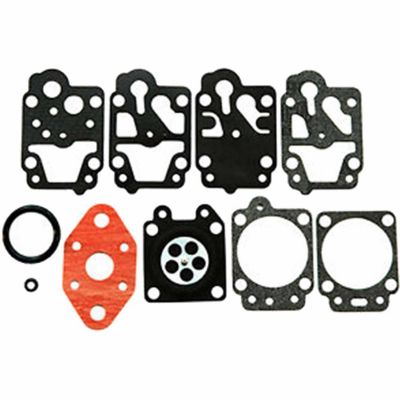
Fit is the most important consideration when choosing chainsaw carburetors. Start with the saw’s make, model, engine size, and serial or type number, then compare those details with the listing information rather than relying on appearance alone. Two carburetors may look nearly identical while using different mounting-hole spacing, fuel-line connections, choke arrangements, throttle linkages, or adjustment screw locations. Check whether the replacement is intended for the exact engine family and whether the package includes related pieces such as gaskets, a metering diaphragm, fuel pump diaphragm, primer bulb, needle, or mounting hardware. A complete assembly can save time when several small parts are worn, while a repair kit may make sense when the main body is sound and the owner is comfortable with a careful rebuild. Look closely at the fuel inlet and return connections, air-filter side, intake boot fit, and linkage layout before beginning the job. It is also wise to replace a brittle gasket or cracked fuel line during the repair, since an air leak can create lean running and make a freshly installed carburetor seem faulty. Keep the saw’s owner’s manual nearby, use the correct tools, and mark linkage positions before removing the old assembly. Carburetor adjustment should follow the manufacturer’s procedure; running too lean can cause overheating and engine damage, while an overly rich mixture may create smoke, poor acceleration, and carbon buildup. After installation, inspect for fuel leaks, confirm that the throttle returns freely, and test the saw in a clear outdoor area with the chain brake and other safety equipment working properly. Anyone handling a chainsaw should wear appropriate protective gear, including eye and hearing protection, gloves, sturdy footwear, and leg protection designed for chainsaw work.
Chainsaw carburetors can be a useful purchase for homeowners with wooded property, farmers, ranchers, landscapers, firewood cutters, and repair-minded do-it-yourselfers who prefer to keep dependable equipment working instead of replacing it at the first sign of trouble. They can also make a thoughtful practical gift for someone who spends cooler months preparing firewood, clearing fence lines, or maintaining trails, especially when paired with other routine maintenance supplies. Good fuel care helps the replacement last: use fresh fuel mixed according to the engine manufacturer’s directions, keep the fuel container clean and sealed, and follow the manual’s storage instructions when the saw will sit unused. Fuel that has been left in a carburetor for too long can evaporate and leave sticky deposits that restrict the small passages and stiffen diaphragms. A clean air filter and unobstructed fuel filter matter just as much, because the carburetor can only meter fuel properly when it receives steady fuel flow and the right amount of air. Before storing equipment during the cooler months, inspect the tank, lines, primer bulb, and carburetor area for cracks or seepage, and use stabilizer when recommended for the fuel being stored. For related equipment maintenance needs, shoppers may also find useful information and replacement options in
Cub Cadet Carburetors. Whether the goal is to get a trusted saw ready for storm cleanup, keep a firewood pile growing, or finish property work without unnecessary downtime, choosing the correct carburetor and installing it carefully can help restore smooth starting, steady idling, and responsive cutting performance.