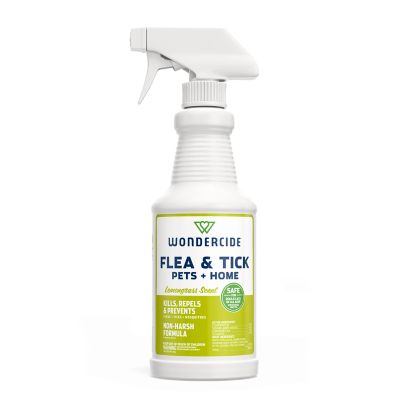
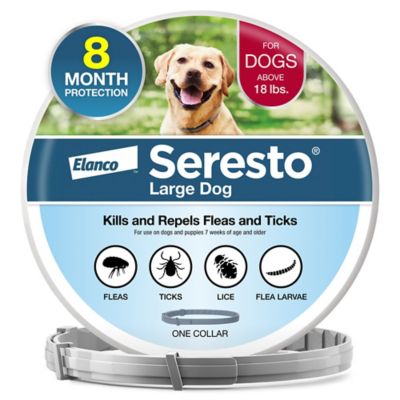
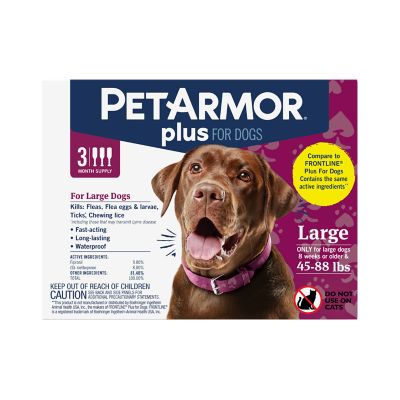
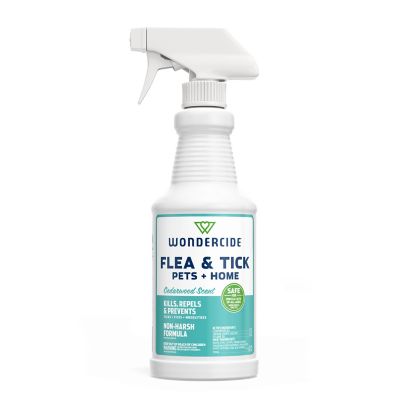
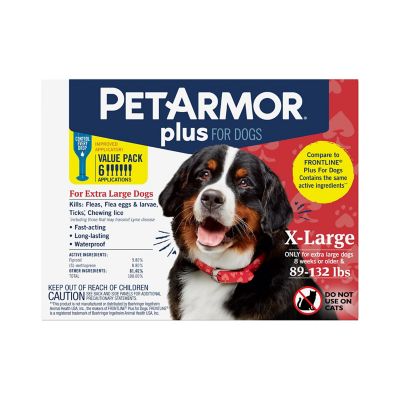
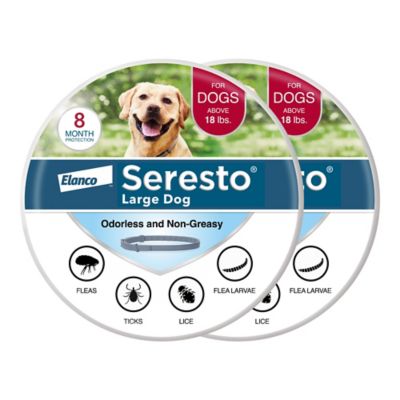
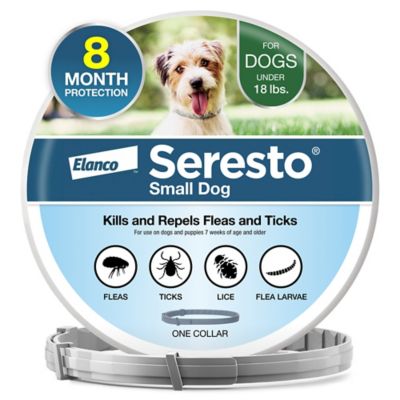
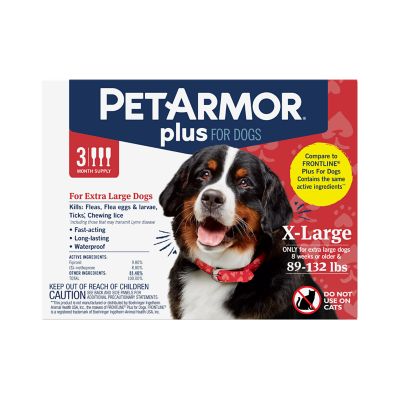
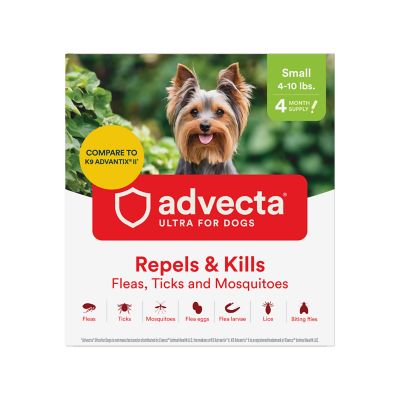
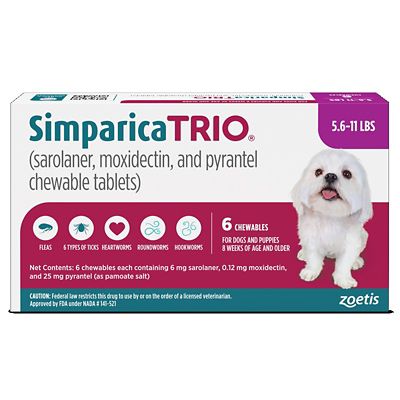
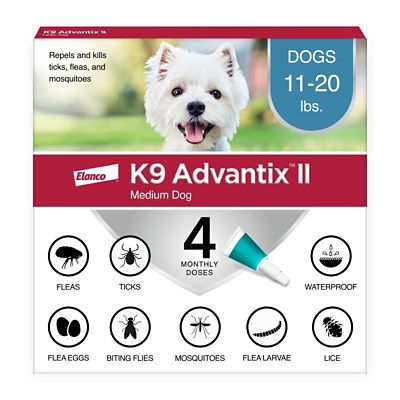
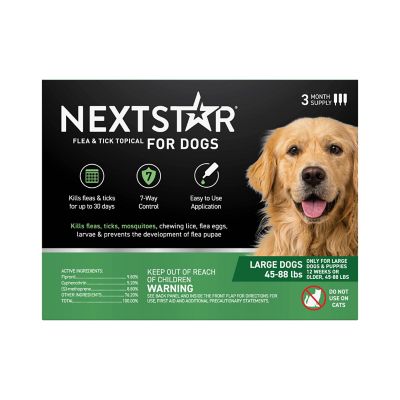
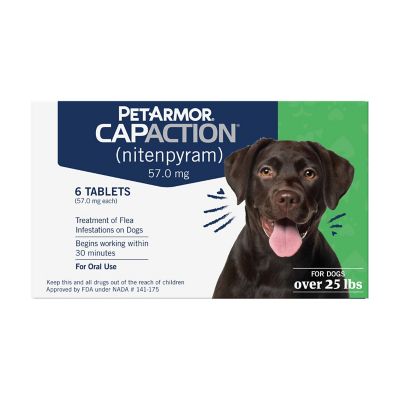
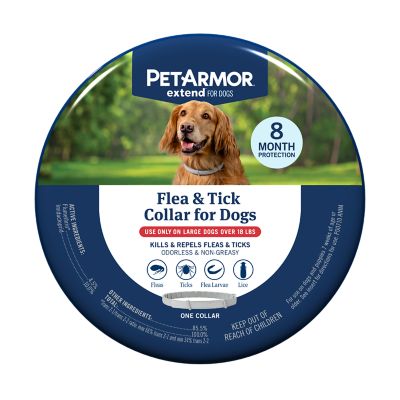
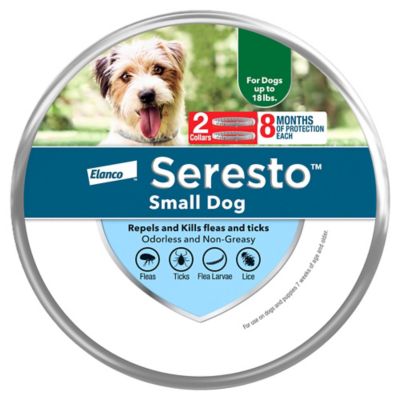
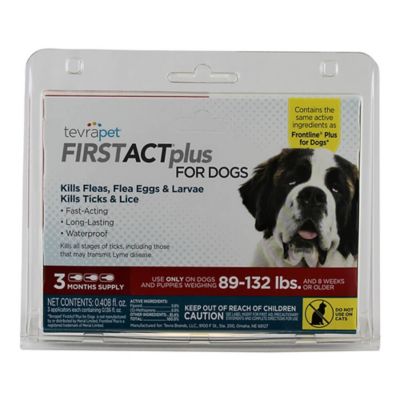
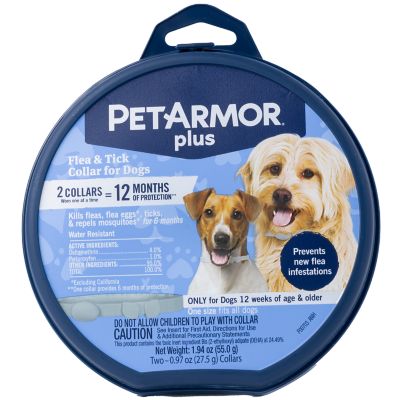
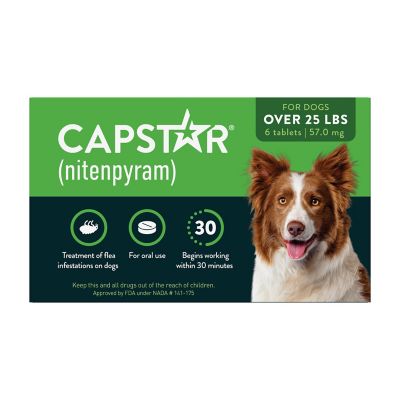
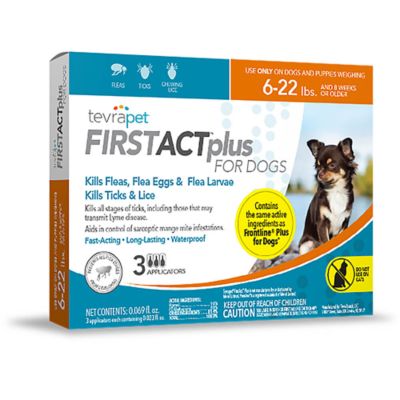
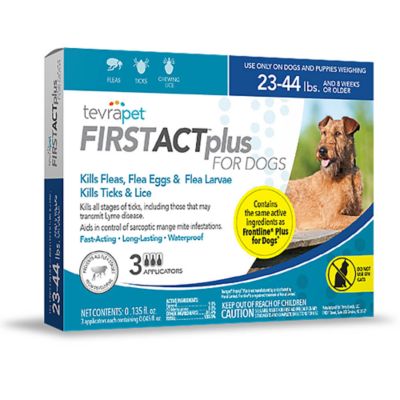
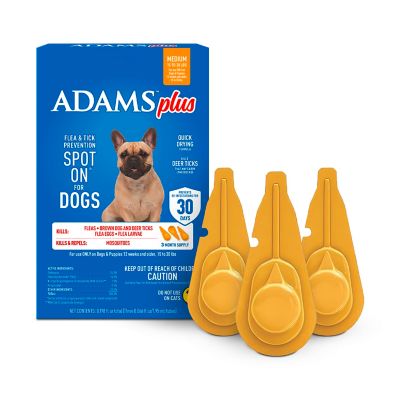
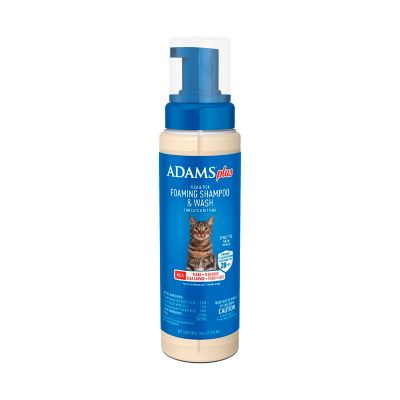
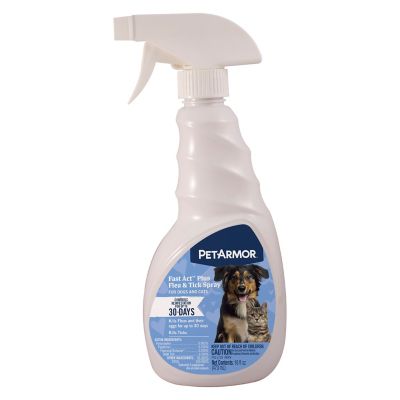
Flea and tick prevention products for dogs include oral chews, topical spot-on treatments and flea and tick collars, with protection that varies by active ingredient, application method and labeled duration. These products help control parasites that can cause itching, skin irritation and other health concerns, including exposure to certain tick-borne diseases. A dog that trots along fence lines, noses through brush or rides along for chores can encounter ticks, while fleas can hitch a ride home and spread into bedding, rugs and favorite resting spots. Even dogs that spend most of their time indoors can encounter fleas and ticks through other animals or trips outside. The best match depends on the dog and the parasites listed on the package, not simply whether a treatment comes as a chew, liquid or collar. Some formulas kill adult fleas, some also interrupt flea development, and tick coverage can differ by species. Repelling parasites and killing them are different actions, so a treatment should not be assumed to keep every flea or tick from biting. Oral options deliver medication after the dog swallows the dose; depending on the ingredient, parasites may need to feed before they are killed. Topical treatments go directly onto the skin at the locations specified on the label, rather than sitting on top of the coat. Collars contain active ingredients in a flexible material that releases them over the labeled treatment period. Certain treatments follow a monthly schedule, while others provide protection for a different length of time. That distinction matters for a busy household where feeding, kennel cleanup and trips to the pasture already fill the day. A longer treatment interval may fit one routine, while a monthly dose may be easier for another household to track. No format is automatically the right choice for every dog. The useful comparison is how each option fits the dog’s health, daily activities and handling habits while providing the flea and tick coverage listed on its label.
Age and body weight are central to choosing flea and tick treatments for dogs. Packages specify minimum ages and weight ranges, and those limits matter for a growing puppy just as much as for a full-grown farm companion. A recent weight check is more helpful than guessing from the dog’s build, especially with a thick-coated dog or one that has gained or lost weight. Doses intended for a larger dog should not be divided among smaller dogs unless a veterinarian specifically directs it. Health history matters, too. Dogs with a history of seizures or other neurologic concerns, dogs taking medication, and pregnant, nursing or breeding dogs need a veterinarian’s input on an appropriate option. Some oral flea and tick medications carry neurologic warnings, making the package information an important part of the comparison. For collars, fit involves both the labeled size range and the adjustment directions. The collar needs proper contact without being too tight, and any trimming should follow the package instructions. A flea and tick collar is not a substitute for a walking collar or harness and should not serve as a leash attachment point. With topical treatments, a dog’s coat length and willingness to stand still can affect how easily the liquid reaches the skin. Bathing, shampooing and swimming may also affect application timing or protection, depending on the formula. Water resistance does not mean every product has the same care requirements. Chews have their own practical considerations, including whether they must be given with food and whether the dog eats the entire dose. In a home with several pets, separate treatment time can help prevent one animal from swallowing another’s medication. Dog flea and tick treatments must never be assumed safe for cats; some dog-only ingredients can seriously harm them. Label directions may also require keeping animals apart after a topical application. Combining collars, topicals, chews or other parasite treatments calls for veterinary guidance rather than doubling up in hopes of stronger protection.
A steady prevention routine works best alongside attention to the places where a dog sleeps, rides and spends the day. Fleas have life stages beyond the adult insects visible on a coat, and eggs and developing fleas in the surroundings can keep an infestation going. That is why seeing fleas shortly after beginning treatment does not always mean the treatment has failed. Washing pet bedding according to its care label, vacuuming resting areas and addressing other pets with species-appropriate treatment can support a broader control plan. A cushion in the truck, a blanket by the back door and the rug beneath a favorite chair all deserve attention when fleas turn up. Household or yard treatments have separate directions and should never be applied directly to a dog unless the label expressly permits it. Tick checks remain worthwhile even when a dog receives preventive medication, particularly after time in brush or tall grass. Around the ears, beneath the collar, between the toes and under the legs are easy places to overlook. An attached tick needs prompt removal with an appropriate tick-removal tool or fine-tipped tweezers; flea and tick prevention does not replace checking the coat. For ongoing protection, options within
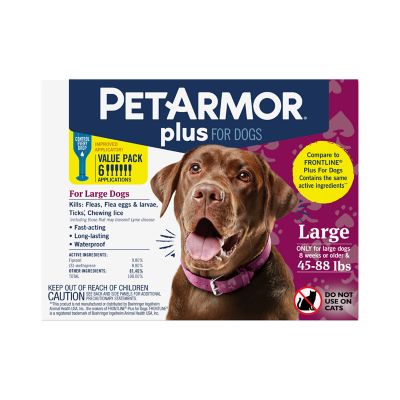
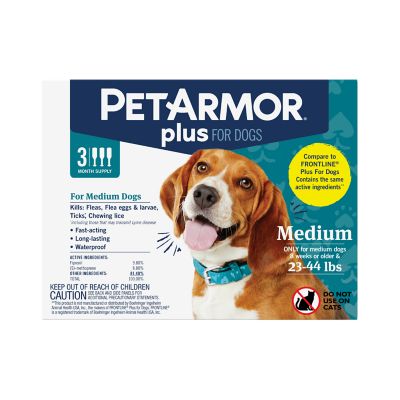
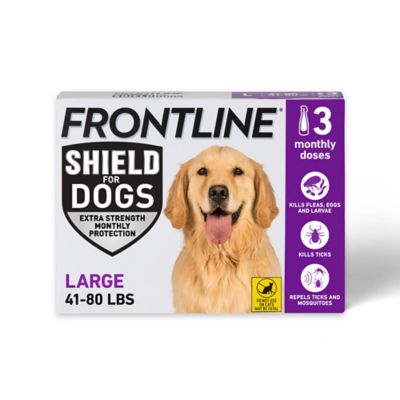
Monthly Flea And Tick Treatments For Dogs can be compared by weight range, treatment method and labeled parasite coverage. A calendar reminder or a note beside feeding supplies can help keep doses on schedule without relying on memory. Treatments belong in their original packaging, with directions and expiration information intact, stored away from feed, food, children and animals. If a dose is missed, a chew is spit out or a topical application does not go as planned, the label or a veterinarian can clarify the next step without guesswork. Matching the treatment to the dog and keeping up with its directions helps make parasite prevention a manageable part of everyday animal care.