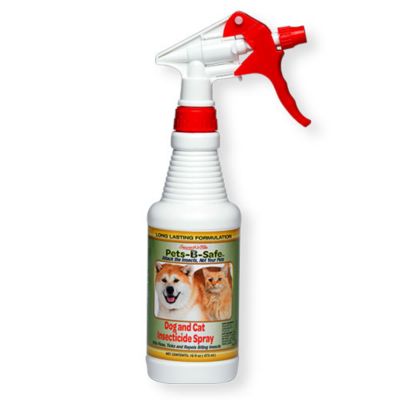
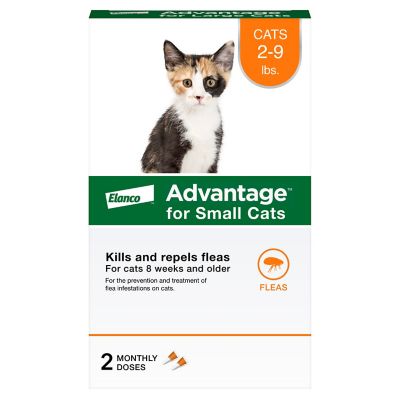
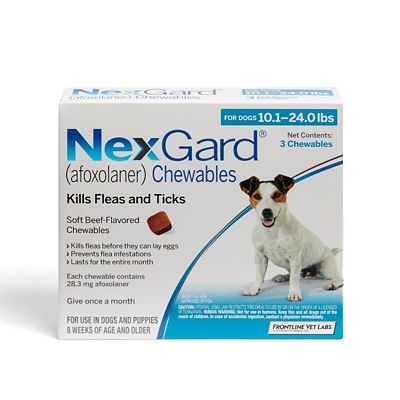
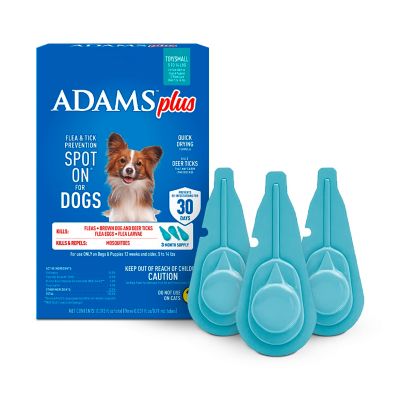
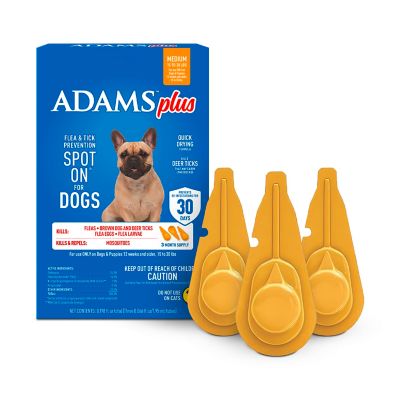
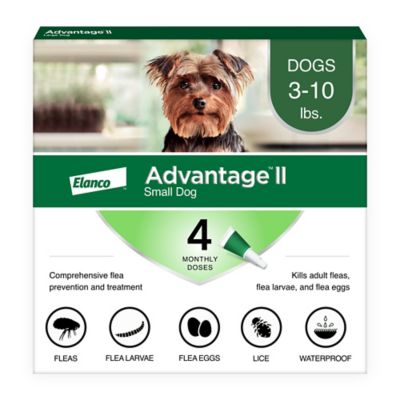
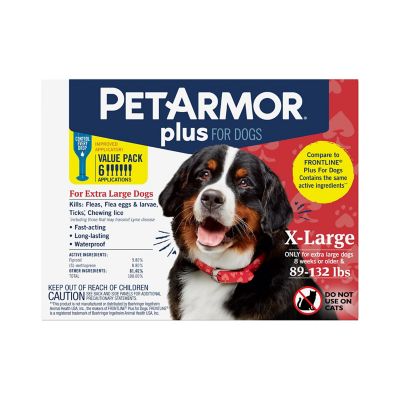
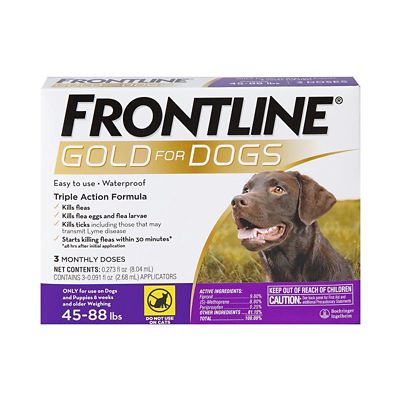
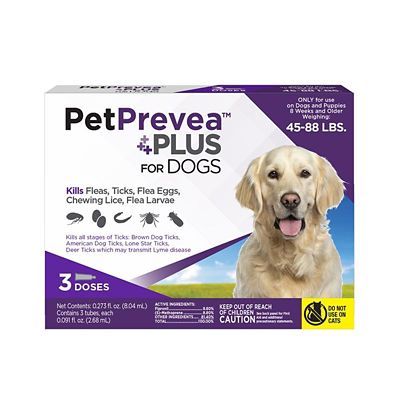
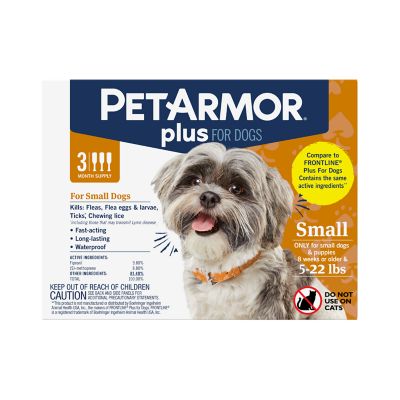
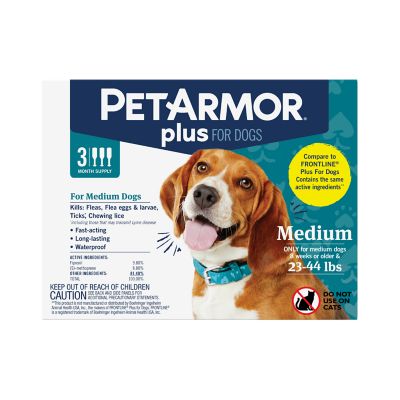
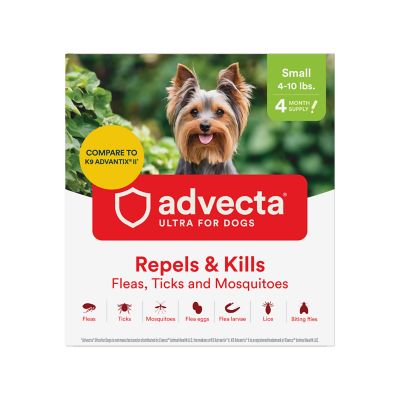
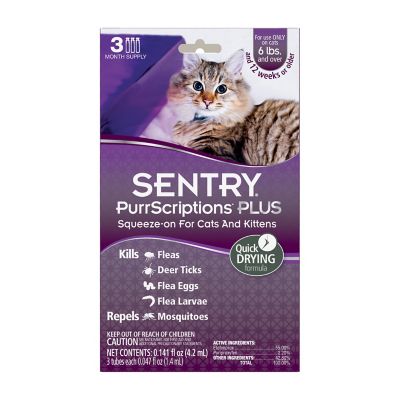
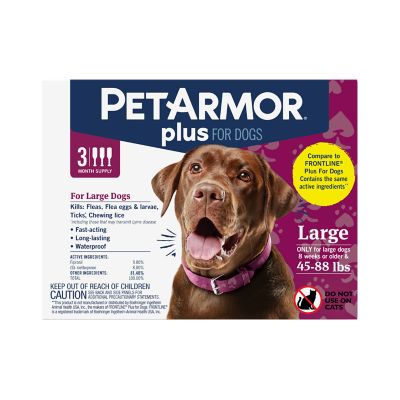
Flea prevention for pets combines species-appropriate flea control with regular cleaning of the places pets sleep and spend time. A consistent prevention routine helps protect dogs and cats from biting fleas, while attention to bedding, rugs and resting spots helps address the flea life cycle beyond the animal’s coat. Even pets that spend most of their time indoors can encounter fleas brought inside by another animal, so protection matters for the porch-loving cat as well as the dog that rides along to the feed store. Flea bites can cause itching and skin irritation, and some pets develop an allergic reaction to flea saliva. Swallowing an infected flea during grooming can also transmit certain tapeworms. Flea prevention products differ in how they work, how they reach the pet and how long protection lasts. Depending on the species and label, options may include topical treatments, oral medications and flea-control collars. Some formulas kill adult fleas, while others also target eggs or larvae. Not every treatment repels fleas, and a product that kills fleas on contact does not necessarily provide ongoing prevention. Those distinctions matter when comparing options for a pet’s regular routine rather than seeking only short-term relief. The best match depends on the animal’s species, age, weight and health history, along with the directions for that particular formula. Weight ranges and minimum ages are dosing requirements, not rough suggestions, and a treatment meant for a larger animal should never be divided or adjusted by guesswork. A veterinarian can help narrow the choices for young pets, pregnant or nursing animals, pets taking other medications and animals with a history of reactions or seizures. For a dog that already takes a daily medication or a cat that resists handling, the way a treatment fits into everyday care can matter just as much as the application schedule. Clear labeling and a manageable routine make it easier to keep protection consistent without adding unnecessary fuss to the day.
Dogs and cats need different considerations when it comes to flea protection, especially in a household where they share the couch, a favorite rug or a spot beside the back door. Dog flea treatments should never be applied to cats; some contain permethrin, which is highly toxic to cats. Contact with a recently treated dog can also pose a risk when the formula carries a separation warning, making those label directions important in a mixed-pet home. For feline-specific shopping considerations,
Flea and Tick Protection for Cats offers a closer look at protection intended for cats. Across treatment types, practical details help distinguish one approach from another. Topical formulas require application to the location specified on the label, often directly to the skin rather than onto the surface of the fur. Drying time, bathing restrictions and contact precautions can affect how well an application fits around grooming and household routines. Oral treatments have their own directions, including whether administration with food is necessary and what to do if a pet spits out a dose or vomits afterward. An extra dose should not be given without veterinary advice. Flea-control collars bring fit and material considerations into the decision: a collar needs the label-specified space around the neck, and its fastener and safety features should suit the animal. Some cat collars include a breakaway feature, but that should be confirmed rather than assumed. Water exposure, bathing and wear can affect performance differently across formulas, so claims about one collar or topical treatment should not be carried over to another. A washable pet bed and a coat that gets regular grooming support the broader care routine, but neither replaces an appropriate preventive. Households with children also need to consider handling precautions and treatment placement. For rabbits, ferrets and other small animals, a veterinarian should direct flea control rather than adapting a dog or cat treatment. The goal is protection that fits the pet without overlooking the details that keep everyone around that pet safe.
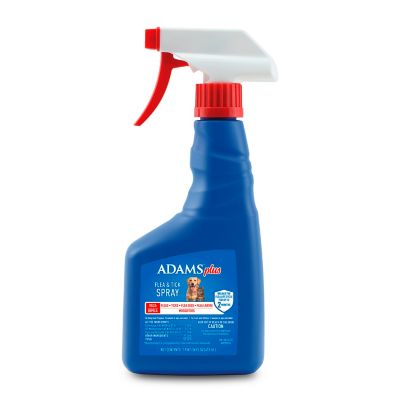
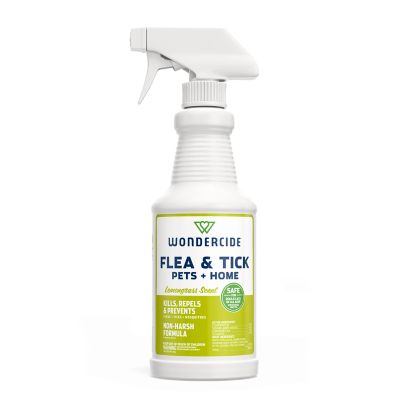
Flea prevention also reaches into the everyday spaces where animals settle down after a walk, a ride in the truck or a stretch in the yard. Eggs can fall from a pet into bedding, carpet and gaps around resting areas, while developing fleas may remain out of sight. That is why a flea problem can continue even after the adult fleas on an animal begin to disappear. Pet treatments and household flea-control products serve different purposes, and their labels are not interchangeable. A spray intended for carpet is not a treatment for a pet’s coat, and a formula labeled for outdoor areas does not belong on an indoor sleeping mat unless the directions specifically allow it. For household applications, suitable surfaces, ventilation requirements and the time before people and pets can return all deserve attention. Products containing an insect growth regulator may help interrupt development of certain immature flea stages, but no single application should be assumed to eliminate every stage immediately. Flea pupae can be difficult to reach, and an established infestation may take repeated cleaning and a veterinarian-directed treatment plan to resolve. Regular vacuuming around baseboards, under furniture and along the edges of pet sleeping areas helps remove flea material from places an animal treatment cannot reach. Washing bedding according to its care label helps keep those resting spots easier to maintain, whether that means a blanket on the sofa or a pad in a crate. In homes with several pets, each animal needs an appropriate plan; treating just one can leave another carrying fleas back into shared spaces. Combining treatments without veterinary guidance can expose pets to too much medication or incompatible ingredients, so more products do not automatically mean better protection. Persistent scratching, sores, hair loss or pale gums call for veterinary attention rather than another application by guesswork. For everyday shopping, the most useful comparison is how a flea preventive’s labeled protection, dosing interval and care requirements fit the animal and the household. Keeping those details straight supports steady protection for pets and a more comfortable place for them to put their paws up.