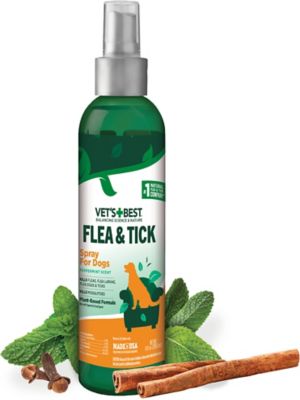
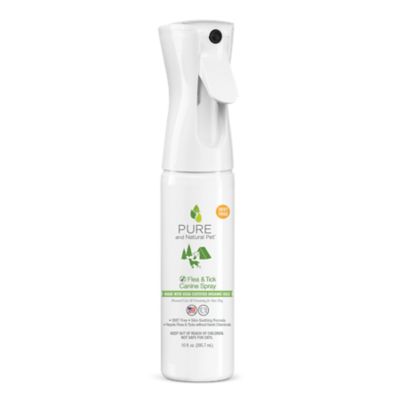
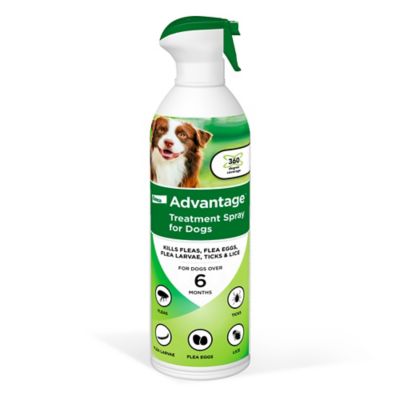
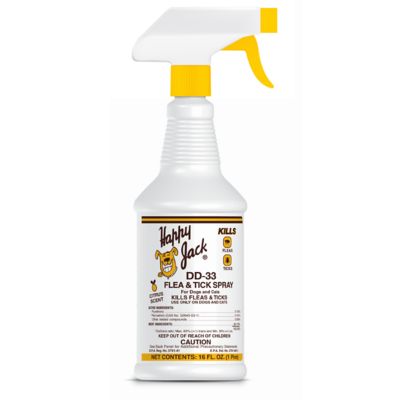
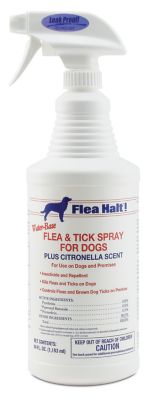
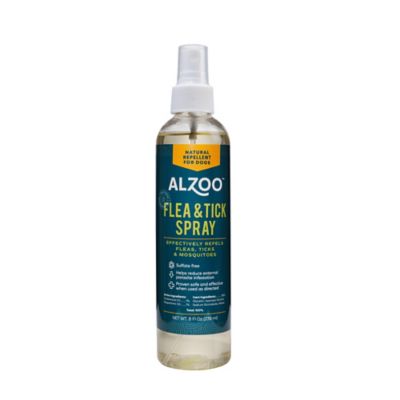
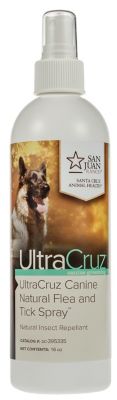
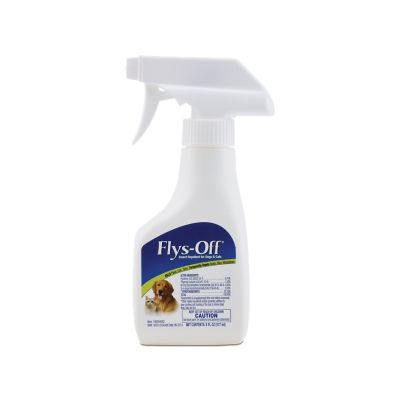
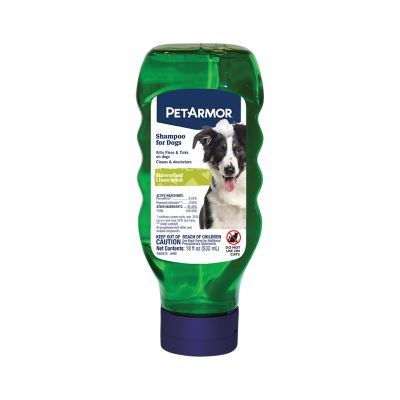
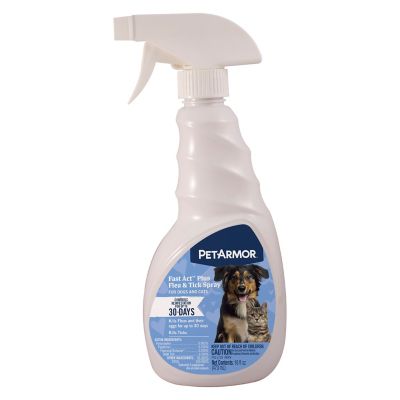
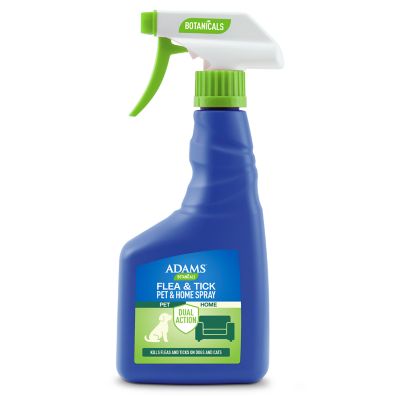
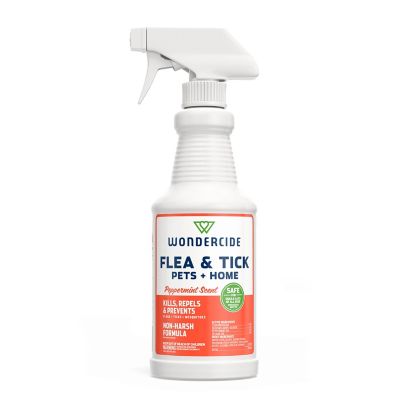
Flea repellent sprays for dogs can have a place in the everyday care of a farm companion, a trail buddy, or the family pet that claims the couch after chores. Dogs move between plenty of places where fleas may turn up, from shared resting spots to yards visited by other animals. A spray offers a way to apply a labeled treatment to a dog’s coat, with options that differ in ingredients, application style, and intended purpose. Those differences matter more than the wording on the front of the bottle alone. Some formulas repel fleas, some kill fleas on contact, and some carry claims for both. Certain formulas also target ticks or other insects, but protection against one pest does not automatically mean protection against another. The label spells out which pests a formula addresses and how long its effects are expected to last. For a dog that rides along to the feed shed and stretches out on a porch mat afterward, the right match depends on the animal as much as the routine. Age, weight, skin condition, and any flea medication already in the picture all help narrow the choice. Puppy age limits vary, and a spray labeled for adult dogs may not suit a younger animal. Dogs that are pregnant, nursing, taking medication, or dealing with a health condition need a veterinarian’s input before a new flea treatment joins their care routine. Flea repellent sprays also differ from sprays meant strictly for bedding, carpets, kennels, or yards. A bottle intended for those surfaces does not belong on a dog unless its label specifically permits that application. That distinction is especially important around a busy household, where pet supplies and cleanup supplies can end up on the same shelf. For a look at the broader category,
Dog Insect Repellent brings related options into view, while each formula’s directions remain the deciding factor for its intended use.
The feel of a flea repellent spray in the coat matters when a dog is part of daily life indoors and out. Water-based and oil-based formulas can differ in how they spread, how quickly they dry, and whether they leave a noticeable scent or residue. Neither base alone tells the whole story about performance or suitability; the full formula and its labeled claims matter. A strong fragrance can be unwelcome in a truck cab or beside a favorite armchair, while an oily finish may be more noticeable on a smooth-coated dog than on a thick-coated companion. Plant-derived ingredients are another point of comparison, but that description does not make a formula harmless or suitable for every pet. Essential oils and other active ingredients still call for careful attention to species restrictions, age limits, and application directions. In a home with cats, extra care matters because some ingredients tolerated by dogs can be dangerous to cats, including through contact with a recently treated dog. Packaging can make a practical difference, too. Pump bottles, trigger sprayers, and other dispensers vary in grip, spray pattern, and the amount released with each press. A bottle that sits comfortably in the hand can make a labeled application less awkward when the other hand is keeping a wiggly dog steady. Even so, a fine mist and a wet spray are not interchangeable measures, and more liquid does not mean better protection. Coat length and density affect the application process: a short, close coat presents a different task than a shaggy coat with a dense underlayer. Directions may call for distributing the formula through the hair or applying it in a particular way around sensitive areas. Eyes, the nose, the mouth, and irritated skin require special attention to the label’s precautions. For dogs uneasy about spraying sounds, handling and dispenser style deserve a look before a bottle becomes part of the routine.
A good fit also means choosing a spray that works with the rest of the dog’s care rather than complicating it. Bathing, swimming, brushing, and grooming may affect a treatment’s performance or the timing of another application, depending on the formula. Labeled reapplication intervals help set realistic expectations; a spray intended for short-term repellency should not be treated as though it offers extended protection. Likewise, a contact-killing formula does not necessarily keep repelling fleas after the application dries. For a dog already wearing a flea collar or receiving an oral or topical flea medication, adding another treatment calls for a check with a veterinarian rather than assuming the combination is suitable. That is particularly important when different treatments contain overlapping active ingredients. Fleas can also leave eggs and developing stages in a dog’s surroundings, so treating the coat alone may not resolve an established household problem. Washable bedding, regular vacuuming, and attention to the places where pets settle help support a broader flea-control plan without turning a body spray into a substitute for household care. A kennel mat by the back door, a cushion in the truck, and the rug beneath a sleeping dog can all be part of that picture. Storage and cleanup deserve consideration as well. Clear directions, readable ingredient information, a secure closure, and a dispenser that can be kept clean are useful details for supplies that spend time in a utility room or pet-care cabinet. The original container keeps application instructions and warnings close at hand, and storage should follow the label, out of reach of children and animals and away from feed and food. Any instructions about drying time, licking, handling, or contact with other pets belong in the daily routine, too. The most suitable flea repellent spray is one with claims that match the job, directions that fit the household, and a formula appropriate for the dog—not simply the strongest scent or the broadest promise on a bottle.