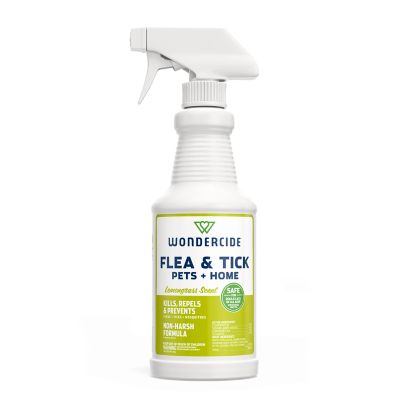
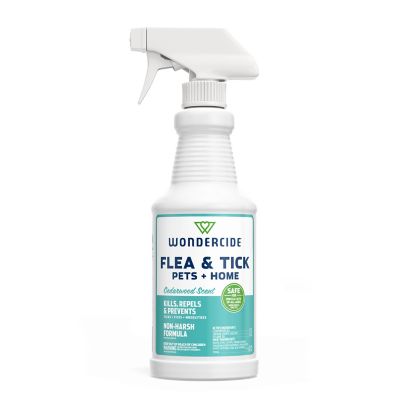
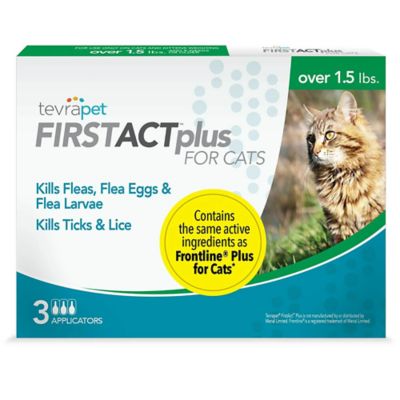
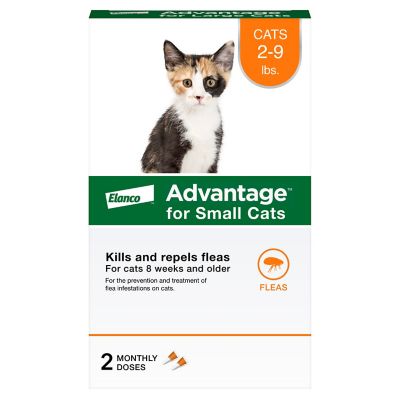
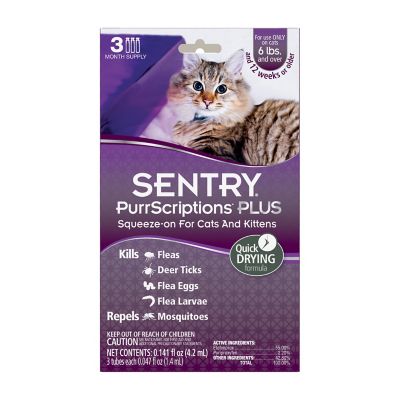
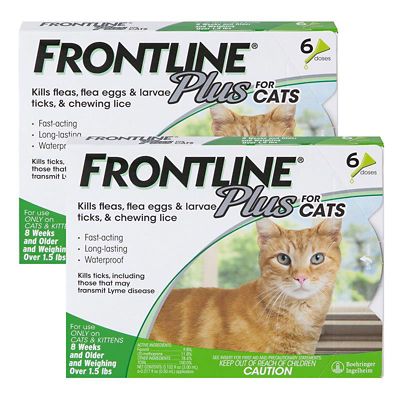
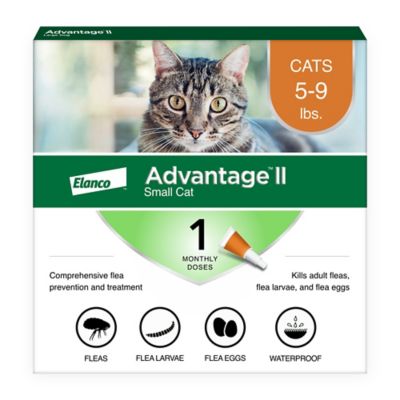
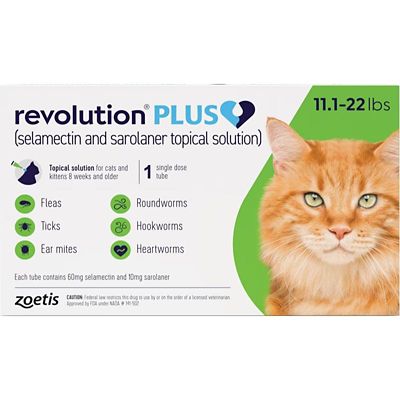
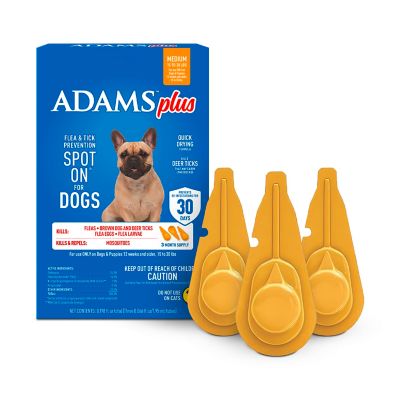
Flea and tick protection for cats helps keep pests from turning a favorite nap spot, a lap or a patch of porch into an itchy problem. This category includes treatments that target fleas, ticks or both, with options that suit different cats and different household routines. A cat that patrols the barn has different exposure than one that watches the feed truck from a window, but staying indoors does not rule out fleas. Other pets, clothing and belongings can bring them inside. Fleas can cause itching, skin irritation and allergic reactions, and a heavy infestation can be especially hard on kittens. Cats can also get tapeworms by swallowing infected fleas while grooming. Ticks attach to the skin to feed and can transmit disease, making protection worth considering alongside regular coat checks. When comparing cat flea and tick treatments, start with the pests named on the label rather than assuming every treatment covers the same ground. A flea treatment may not protect against ticks, and coverage can differ among tick species. The cat’s age, weight and health matter just as much as the treatment format. Kitten treatments have minimum age and weight requirements, while cats that are pregnant, nursing, taking medication or managing a health condition need a veterinarian’s input before a selection is made. A recent weight measurement helps match the cat to the correct labeled range; guessing by appearance can lead to the wrong choice, especially beneath a thick coat. Never apply a flea or tick treatment labeled only for dogs to a cat. Some dog treatments contain permethrin, which can be fatal to cats. Cat-labeled protection, the right weight range and a schedule that follows the label provide a sound starting point for everyone from the first-time kitten owner to the family caring for several barn cats. A veterinarian can help narrow the choices when a cat’s medical history or past reaction makes that decision less straightforward.
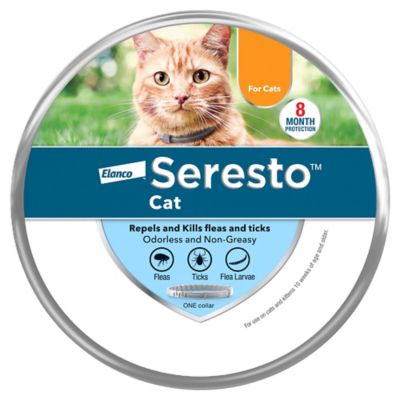
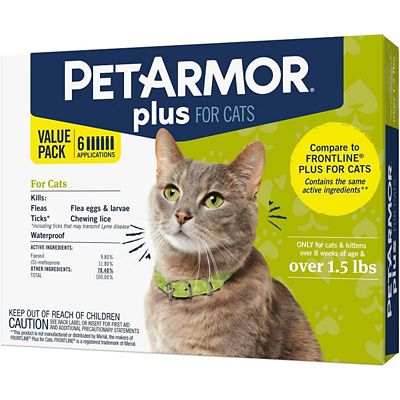
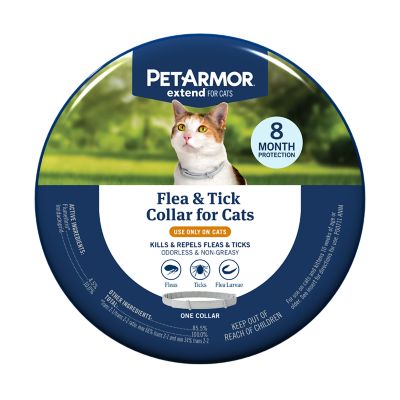
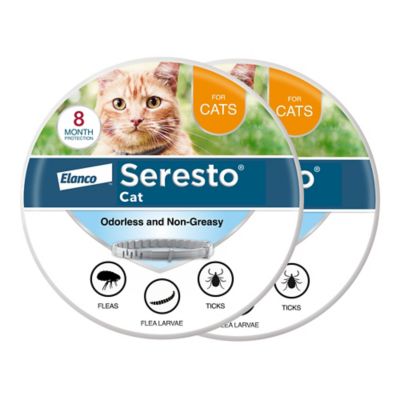
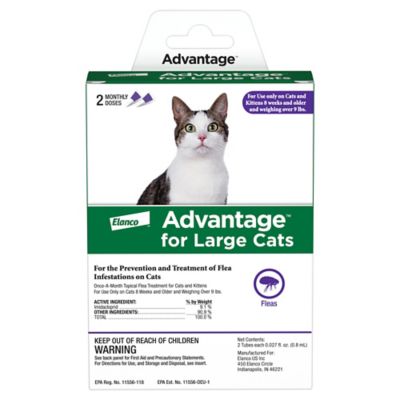
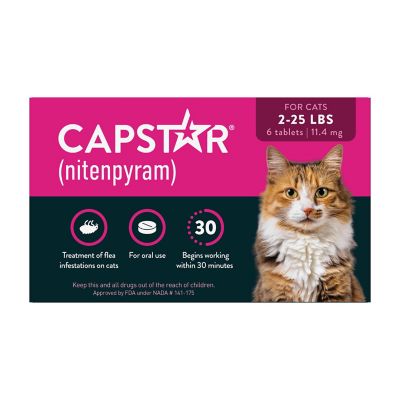
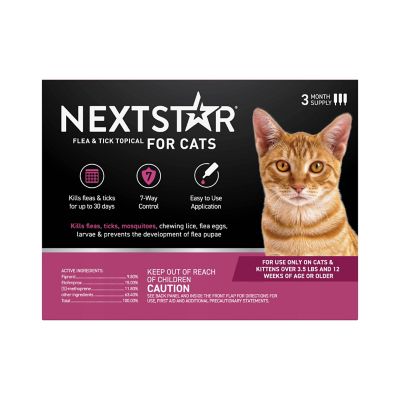
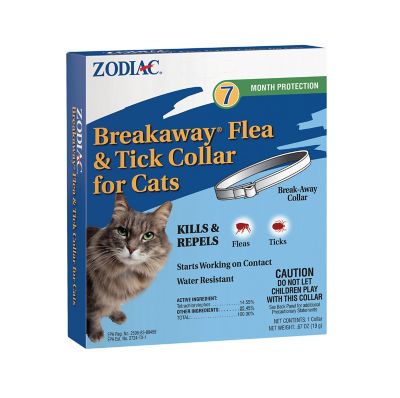
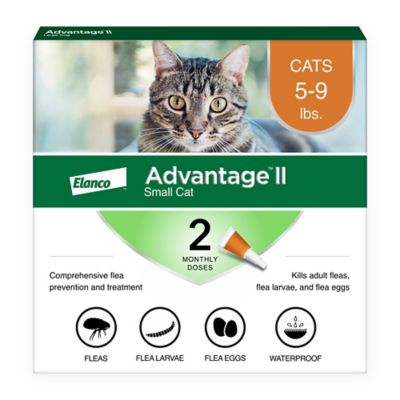
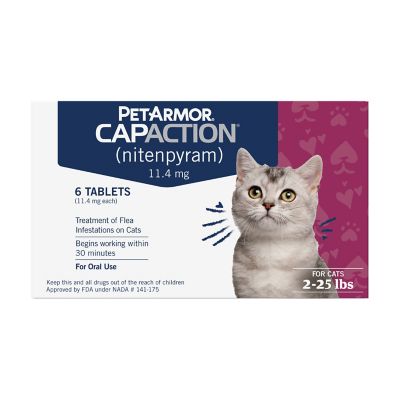
Topical flea and tick treatments, oral medications and flea collars offer different ways to work protection into everyday care. Spot-on treatments place a measured amount of liquid directly on the skin at the location specified by the label, often near the back of the neck. Getting through the fur to the skin matters, whether the cat has a short, slick coat or a thick ruff that takes some parting. Application frequency, drying time and bathing restrictions vary, so those details deserve a close look before choosing a topical. In a home with cats that groom each other, the label’s instructions about separation after application are especially important. Oral flea and tick medications avoid liquid on the coat, but their pest coverage, dosing intervals and prescription requirements differ. They also depend on the cat receiving the full labeled dose, which makes ease of administration a practical consideration for a cat that spots medicine tucked into food. Collars can offer extended protection without repeated liquid applications, though the protection period depends on the label. For collar options, look at the material, flexibility, adjustment range and safety-release features, along with the directions for fit. A collar should fit as directed without pinching, rubbing or leaving enough slack to catch on objects, and growing kittens need fit checks as they gain size. Grooming habits, skin sensitivity and tolerance for handling can all influence which format fits best. A cat that calmly sits for a brief application may suit a different routine than one that disappears under the bed at the sight of a treatment packet. No single format is the best fit for every cat. Comparing the labeled duration, target pests and care requirements helps keep the choice grounded in the cat’s needs rather than the package alone. Do not split doses, shorten treatment intervals or layer a collar with another medication unless a veterinarian confirms that the combination is appropriate. More treatment does not automatically mean more protection.
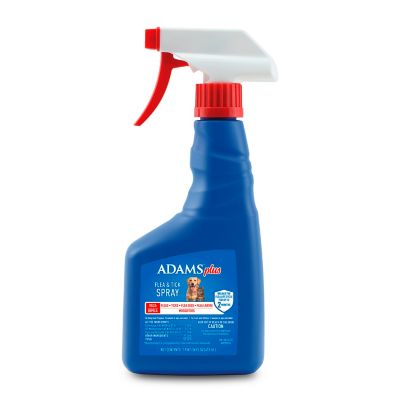
Flea control also reaches beyond the cat’s coat, especially when several animals share bedding, rugs and favorite resting places. Flea eggs can fall into the surroundings, and developing fleas may remain tucked into carpet, furniture and cracks around resting areas. That is why an established flea problem may take time to resolve even after treatment begins. Fine-toothed flea combs can help reveal fleas or flea dirt and support coat checks, but combing alone does not replace an appropriate preventive. Washable bedding, routine vacuuming and care of the places where pets sleep can support a broader control plan. Any household or yard treatment needs to be labeled for its intended location, with directions followed for keeping cats, other animals and people away during application and until reentry is permitted. A treatment meant for carpeting or outdoor areas does not belong on a cat. Broader household considerations are covered in
Flea Prevention For Pets, while each animal still needs protection matched to its species, age and weight. In mixed-pet homes, a veterinarian can also explain precautions around close contact with a recently treated dog, particularly when the dog’s medication contains ingredients hazardous to cats. Plant-based wording is not a promise of safety, either; certain essential oils can poison cats, so improvised sprays and concentrated oils are not substitutes for cat-labeled treatments. Keep packaging and label directions handy so treatment dates, ingredients and precautions are easy to check. Regular coat checks remain helpful even with ongoing protection, since not every treatment repels pests or prevents attachment. An attached tick, persistent scratching, hair loss or irritated skin deserves attention rather than an extra dose given ahead of schedule. Pale gums, marked weakness, tremors or other signs of illness call for prompt veterinary care. For a porch lounger, a house cat or a hardworking mouser, the most useful flea and tick protection is a cat-appropriate option whose coverage and care requirements fit a routine the household can maintain.