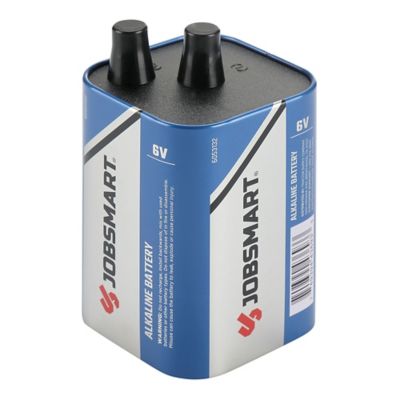
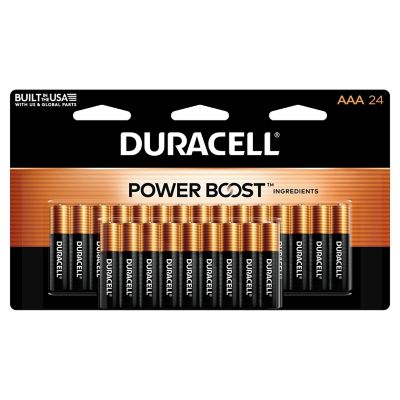
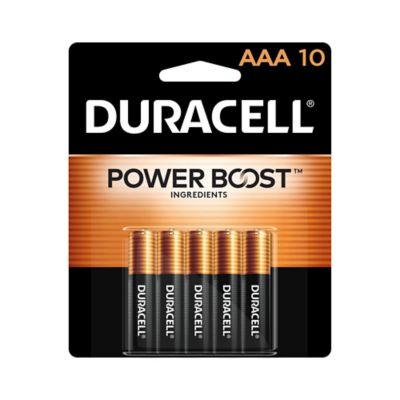
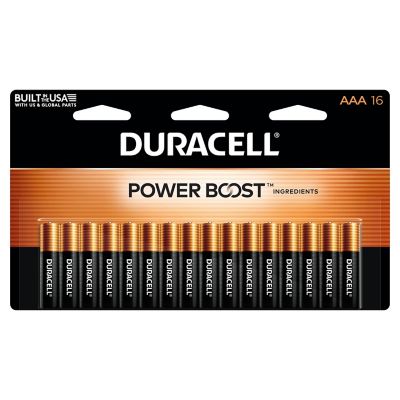
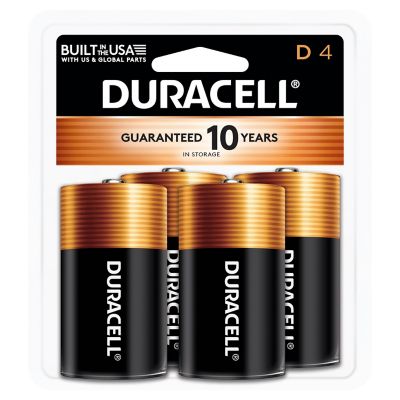
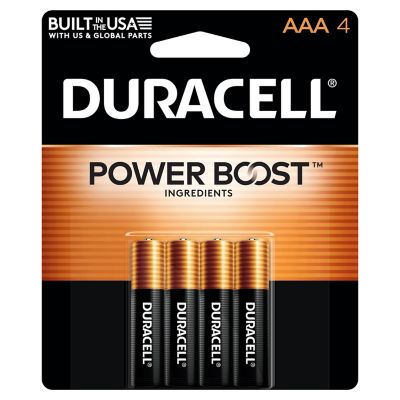
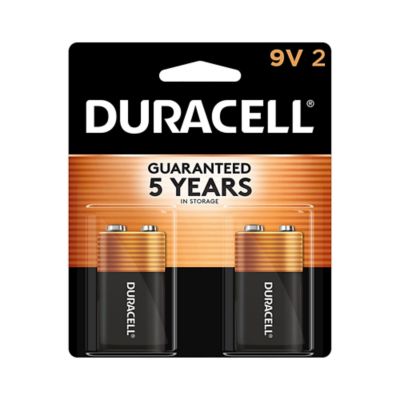
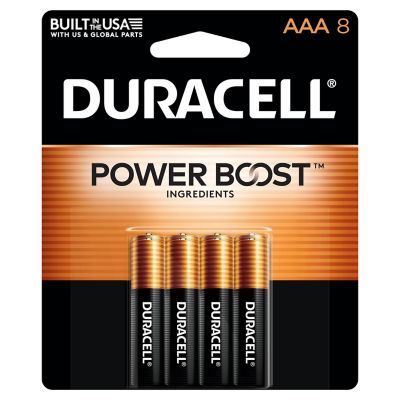
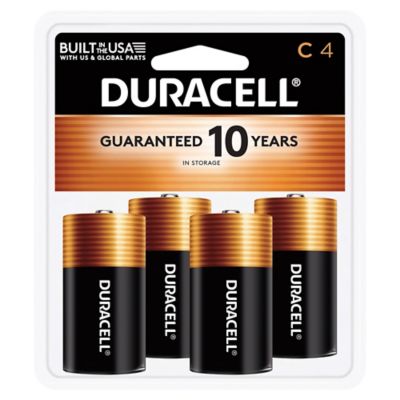
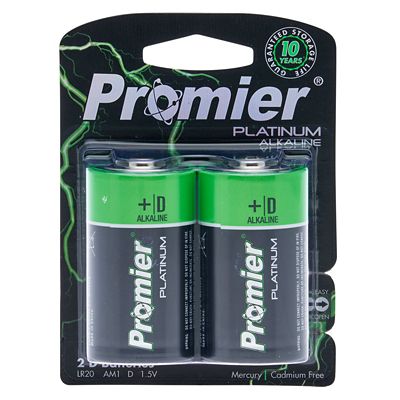
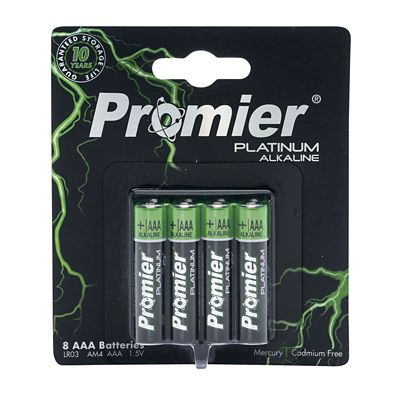
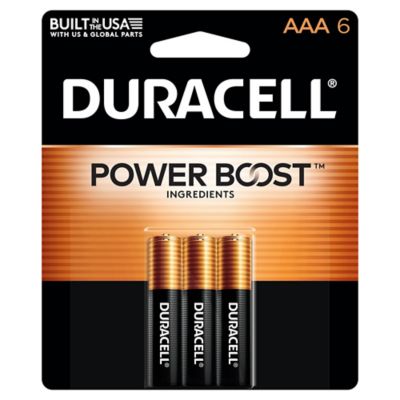
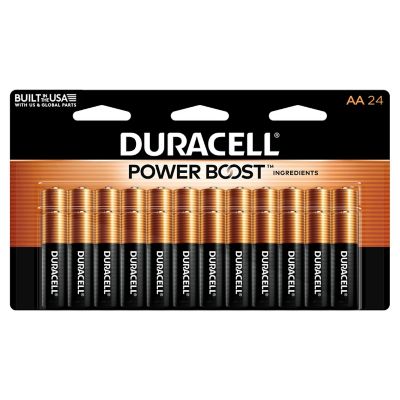
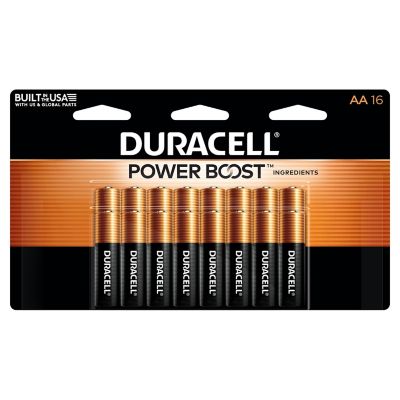
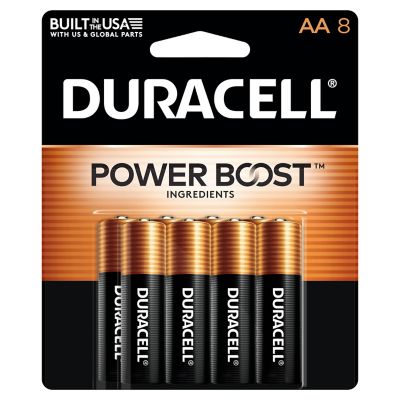
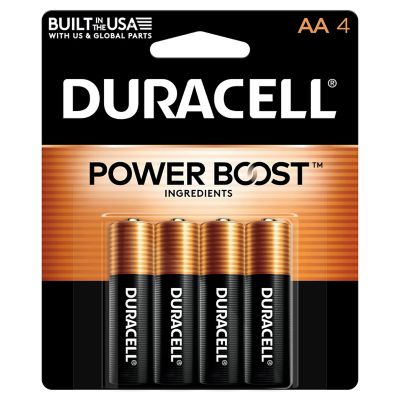
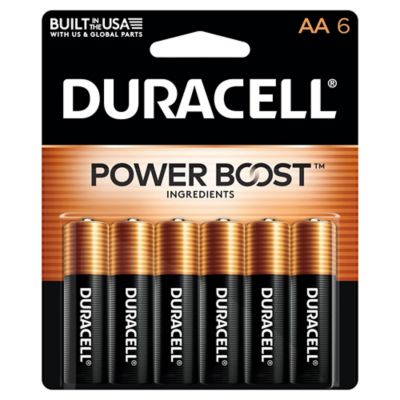
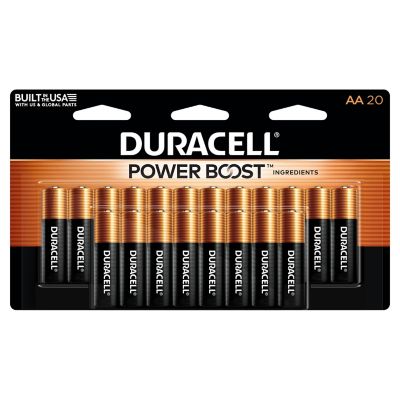
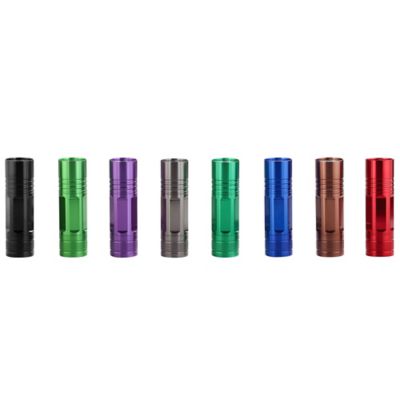
Flashlight batteries help keep a light ready for the chores, repairs and unexpected moments that come with country living. A flashlight may ride in a truck glove box, sit on a workbench, hang by the back door or stay tucked in an emergency kit, and each location can call for a different battery choice. Standard alkaline sizes such as AA, AAA, C and D fit many household flashlights, lanterns and work lights. AA and AAA batteries are common in compact lights that slip into a coat pocket or tool bag, while C and D batteries are often found in larger lanterns and lights made for extended operation. Before placing batteries in your cart, check the marking inside the light, on the battery compartment or in the owner's instructions. Matching the size and voltage matters, and a battery that looks close may not fit or power the light properly. It also helps to replace batteries as a full set rather than mixing new and partially drained cells. Mixing battery types, brands or charge levels can reduce run time and may lead to leakage. For a quick reference to common battery choices for the home, farm, vehicle and campsite, visit
Battery Selection. Keeping a few spare packs in the right sizes means a dead flashlight does not leave you searching through drawers when the power goes out, a gate latch needs attention after sunset or a tool slips behind the workbench.
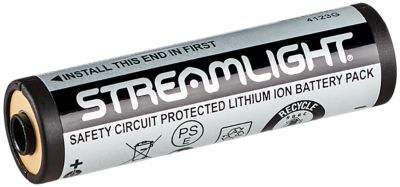
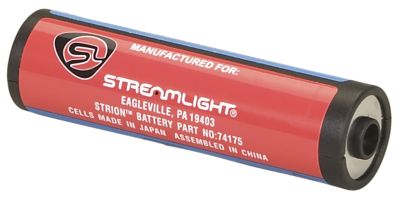
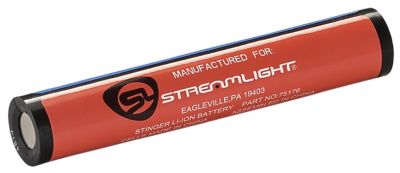
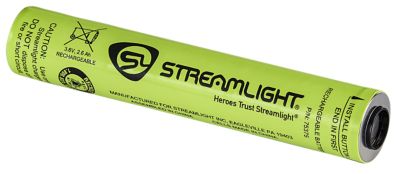
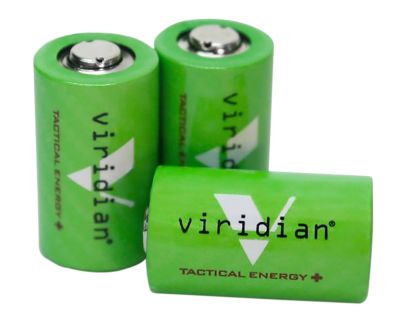
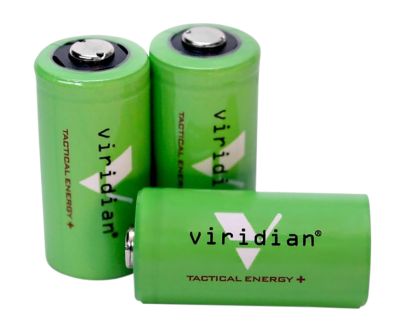
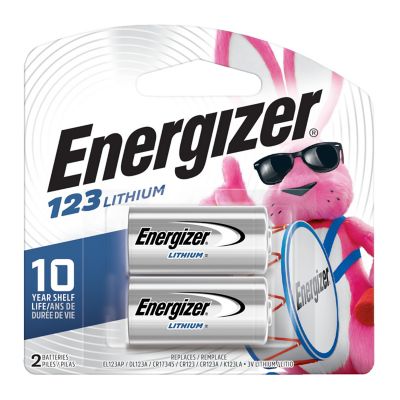
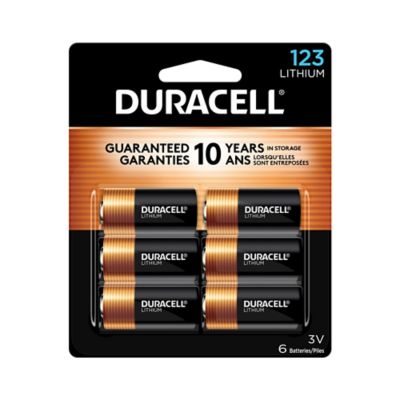
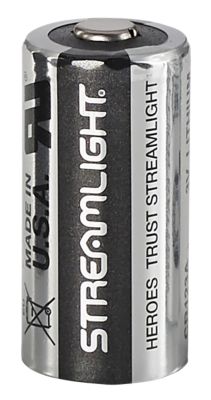
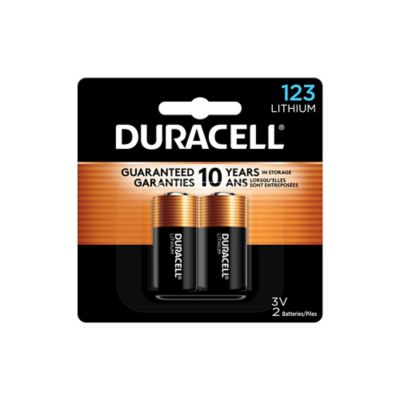
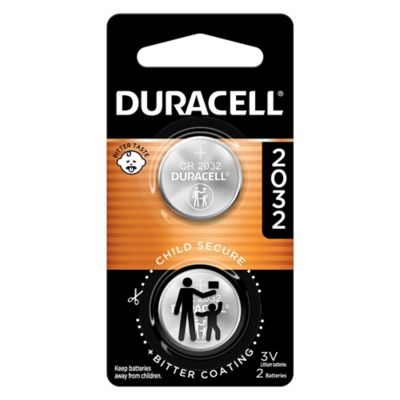
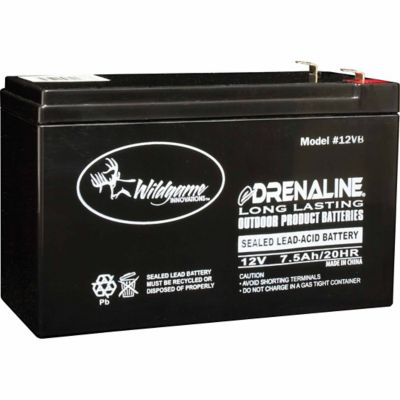
Battery chemistry is another important part of the decision. Alkaline batteries are a practical choice for everyday lights and simple lanterns, especially when you want a ready-to-install option with no charger nearby. Lithium disposable batteries are often selected for tactical-style lights, emergency equipment and situations where low temperatures or extended storage may be part of the plan. They can be a good fit for a flashlight kept in a roadside kit, hunting pack or storm supply tote, but the flashlight must be designed for that battery type. Rechargeable lithium-ion cells, including sizes such as 18650, 16340 and 21700, are commonly found in modern high-output LED flashlights. The numbers describe the cell's dimensions, so they are not interchangeable simply because they are all lithium-ion. Some rechargeable cells include a built-in USB charging port, while others require a compatible charger made for the cell. Follow the light and charger instructions, and never place a swollen, cracked, wet or hot battery into service. Specialty duty lights and older lanterns may also need a replacement pack made for that particular light, so checking the model number is especially important in those cases. Run time depends on the light's brightness setting, beam mode and power draw, so a brighter setting will generally drain a battery faster. A small pocket light may run well on one pair of cells, while a wide-beam work light or large lantern may need a larger size or several cells. Choosing based on the light's stated requirements helps prevent poor fit, short run time and unexpected shutdowns when you are working away from the house.
Flashlight batteries have a place in nearly every household, and they make a useful addition to a gift for someone who spends time outdoors, maintains a farm, drives long distances or handles repairs after dark. A new homeowner may appreciate a selection of AA and AAA cells for drawers and small lights, while a camper, hunter or rural property owner may prefer lithium options or rechargeable cells for a dedicated outdoor light. During the cooler months, keep spare batteries in a dry spot where they will not be exposed to freezing temperatures, moisture or direct heat. A garage shelf, mudroom cabinet or emergency tote can work well, provided the batteries remain in their original packaging or a protective case and are kept away from loose metal objects such as keys, nails and coins. Do not store loose cells where their ends can touch each other, and remove batteries from a flashlight that will sit unused for a long stretch. Inspect stored batteries from time to time for swelling, rust or leakage, and recycle or dispose of them according to local rules rather than placing damaged cells back in a drawer. It is also smart to check the flashlight before heading out: turn it on, look for flickering, clean the contacts and keep a spare set nearby. Whether the light is carried for checking livestock, walking from the barn, handling a roadside repair or finding the breaker during an outage, the right batteries can help it perform when the sun is down and both hands are busy.