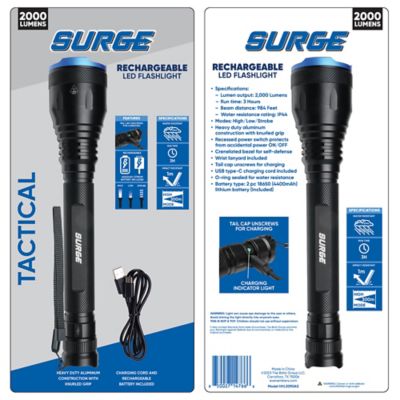
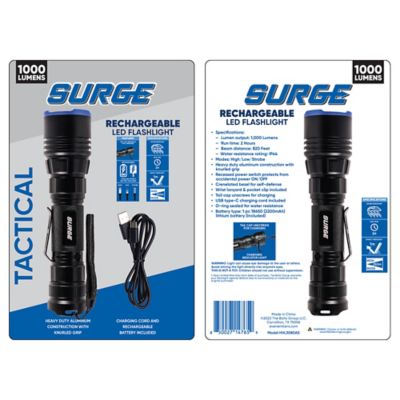
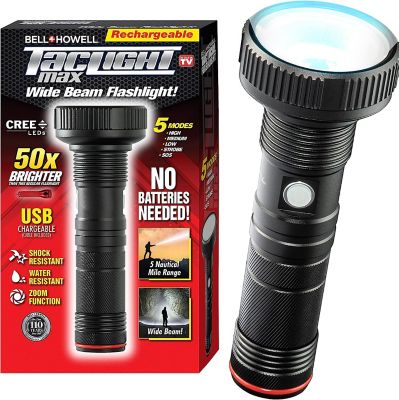
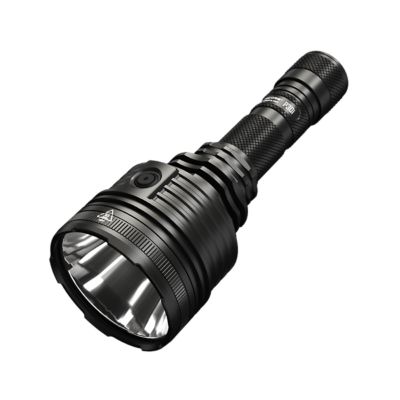
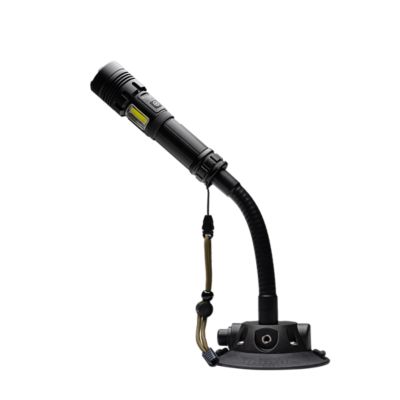
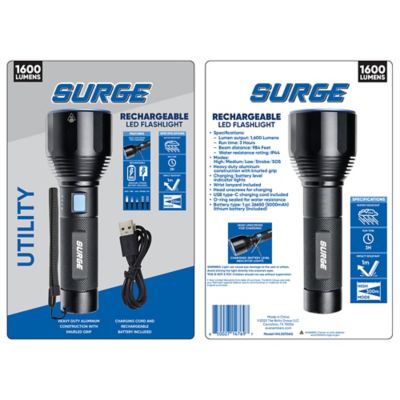
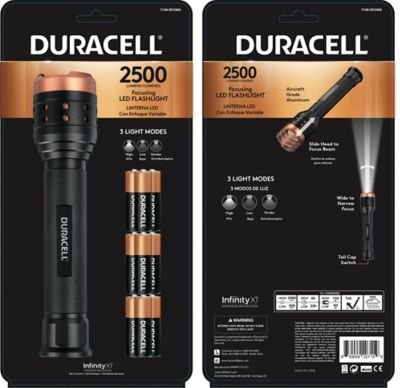
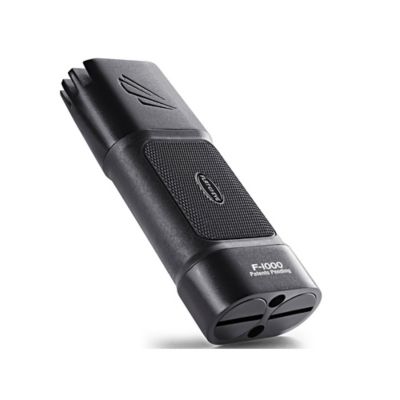
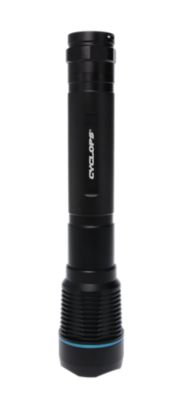
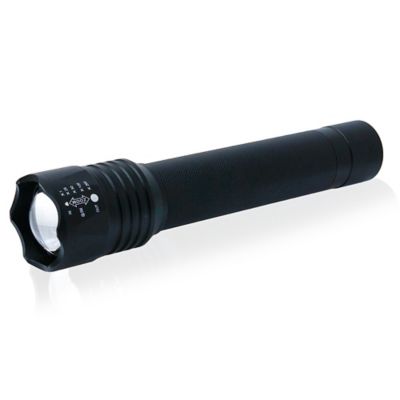
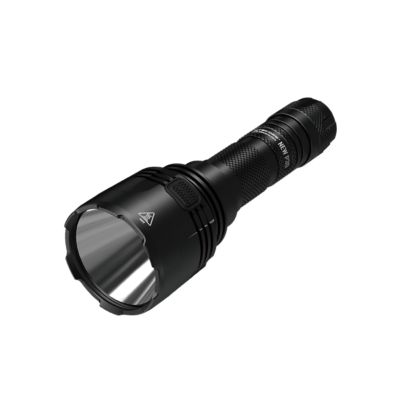
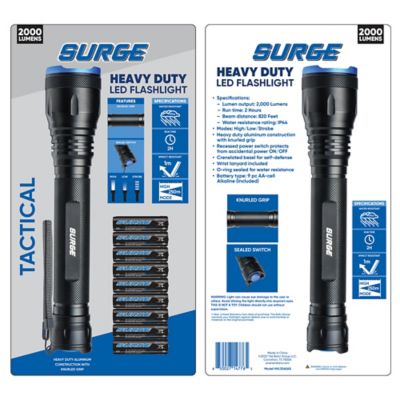
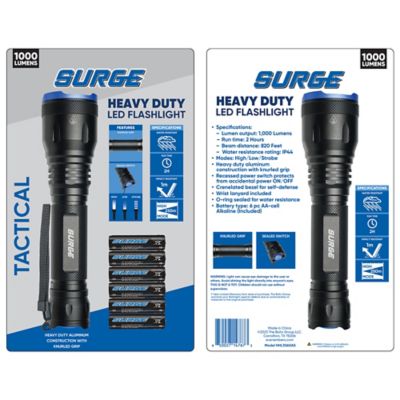
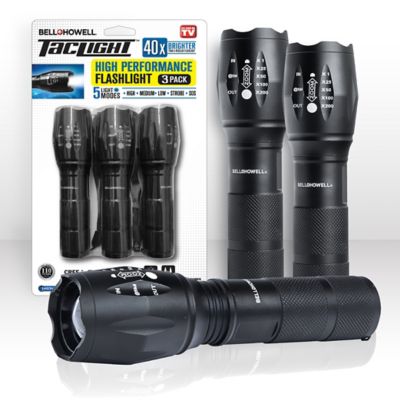
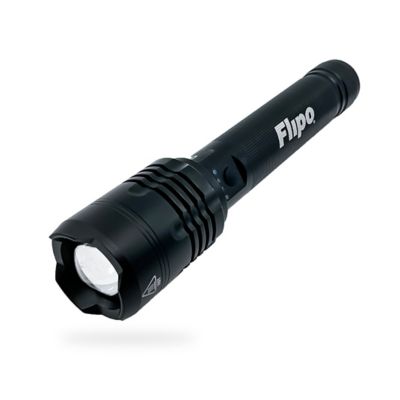
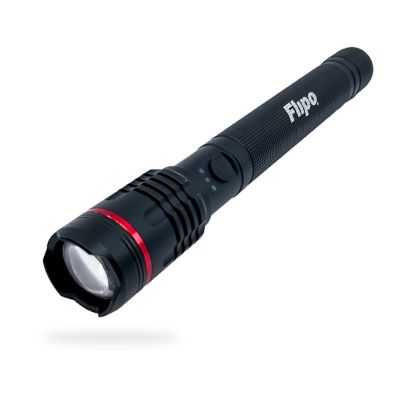
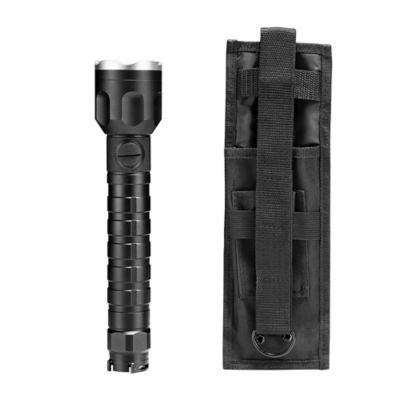
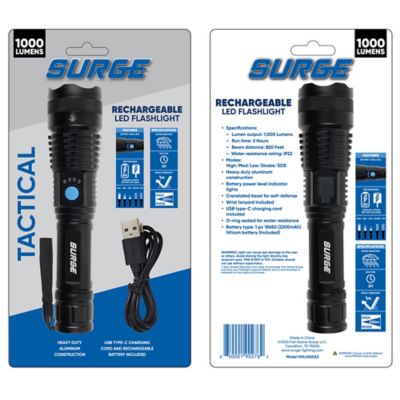
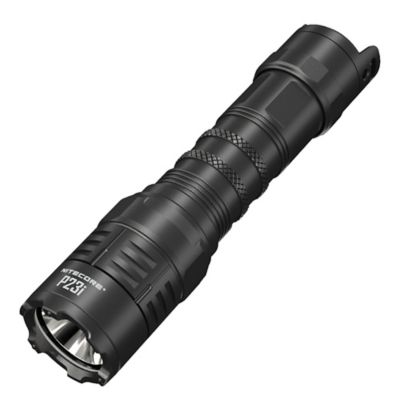
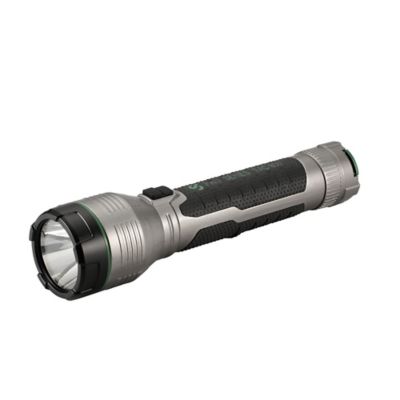
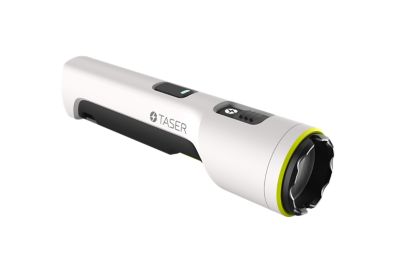
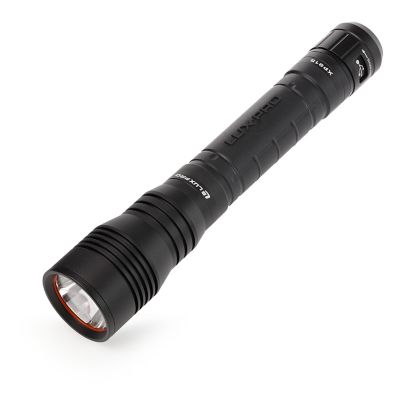
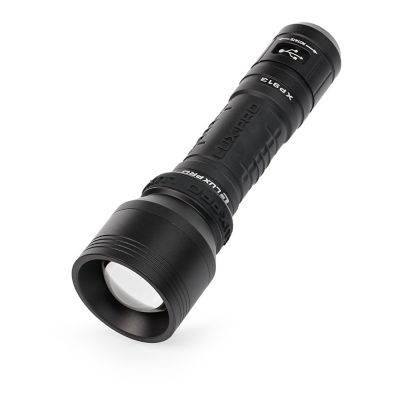
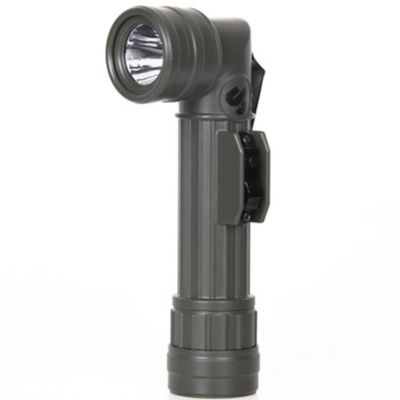
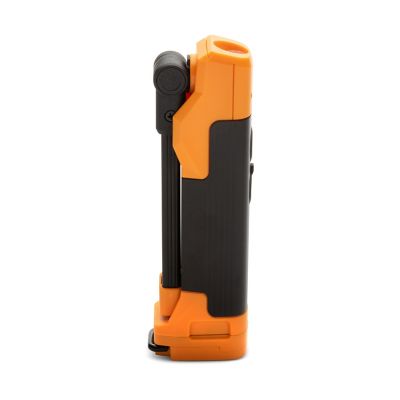
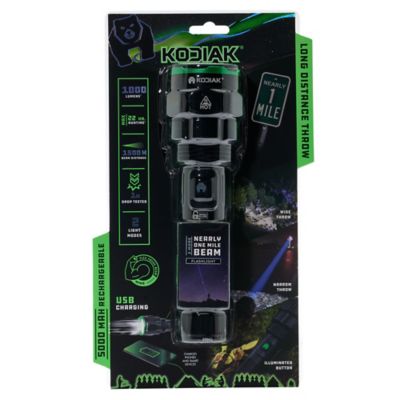
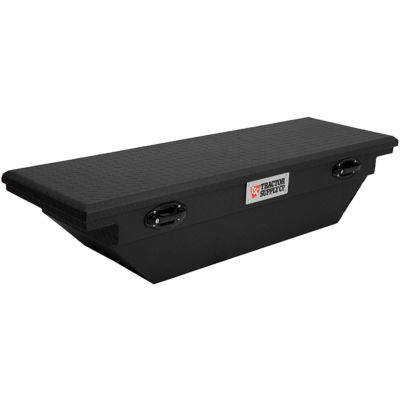
Heavy duty flashlights are built for the jobs where a small pocket light may not hold up. They’re a dependable choice for checking a fence line after dark, looking under a truck, walking between the barn and the house, or handling a roadside repair when daylight has already faded. A sturdy flashlight can also be handy during a power outage, storm cleanup, hunting and camping trips, security work, construction projects, and routine chores around a farm or acreage. Look for a tough body made from aluminum or another impact-resistant material, along with a grip that feels secure when your hands are wet, cold, dusty, or covered in work gloves. A hard-anodized finish can help protect against scratches, drops, and everyday wear, while a balanced design keeps a long flashlight from feeling awkward when you’re carrying tools at the same time. Weather resistance matters, too. An IP rating gives a better idea of how well a light handles dust and water; higher ratings, such as IP67 or IP68, are designed for more demanding exposure than a basic splash-resistant light. That doesn’t mean every model should be treated like diving equipment, but it can make a real difference when a light gets left in the rain, carried through wet grass, or splashed while washing down equipment. For storage and organization, a rugged light pairs well with other dependable gear, including
Heavy Duty Toolboxes, where batteries, chargers, gloves, and repair supplies can stay close at hand. A heavy duty flashlight is often the tool someone reaches for without thinking, so details such as a tail switch, side button, lanyard, belt clip, or textured handle are worth considering before choosing one. A broad beam can light up a work area, while a focused beam helps you see farther down a lane, across a pasture, or along a dark driveway. Some lights offer both, along with multiple brightness settings that let you save battery power for close-up tasks or produce a stronger beam when you need to scan a wider area.
Brightness is usually measured in lumens, but the highest number is not automatically the best fit for every job. A light producing around 1,000 lumens may be plenty for general farm chores, vehicle work, or walking around a property, while higher-output models can help with search work, long-range viewing, and large outdoor spaces. Beam distance, beam pattern, and runtime all matter alongside lumen output. A powerful beam that runs for only a short time may be less useful than a well-balanced light with several hours of dependable operation. Check whether the listed runtime applies to the brightest setting or a lower mode, since runtime can vary widely between settings. Rechargeable models are convenient for regular use and can cut down on disposable battery waste, especially when they charge through a common USB connection. Lights that use replaceable batteries can be a practical choice for emergency kits, work vehicles, or remote locations where charging may not be easy. It’s smart to keep spare batteries stored safely and to check them from time to time, particularly before the cooler months when outages, early sunsets, and rough weather can make a flashlight more important. Some heavy duty flashlights include battery indicators, lockout modes to prevent accidental activation, emergency strobes, or a power-bank function for charging a phone in a pinch. Consider the size and weight, too: a large searchlight may throw light across a field, while a compact heavy duty model may be easier to carry in a coat pocket, glove box, tool bag, or saddlebag. These flashlights make useful gifts for homeowners, farmers, hunters, campers, mechanics, outdoor workers, first responders, and anyone who spends time maintaining a property after dark. They’re the kind of practical gift that finds a place in the truck, shop, mudroom, or emergency cabinet and earns its keep the first time the lights go out or a late-night repair calls for a clear view.