Batteries keep a lot of everyday work moving, from turning over a tractor before chores to running the lights in a camper after sundown. The right battery fits the equipment, delivers the kind of power it needs, and suits the conditions where it will work. Engine-starting batteries supply a short burst of high current, while deep-cycle batteries deliver power over longer stretches and tolerate repeated discharge and recharge within their rated limits. Those jobs call for different internal designs, so matching the application matters more than choosing the biggest case or the highest number on a label. For trucks, tractors, riding mowers, and other engine-powered equipment, important fit details include voltage, battery group size, terminal style, terminal position, and the mounting arrangement. A battery needs to sit securely in its tray with the proper hold-down, without stretching cables or placing terminals where they could contact metal. Cold-cranking amps, often listed as CCA, describe starting performance under a standardized test at 0°F. That rating becomes especially relevant during the cooler months, when an engine can take more effort to crank and a battery has less power on tap. The equipment maker’s specified CCA rating provides a useful baseline; extra cranking capacity does not make an otherwise incompatible battery a suitable fit. Reserve capacity describes how long a fully charged battery can supply a specified load under test conditions, offering another way to compare batteries intended for similar jobs. For someone heading out to feed livestock before daylight or hauling fencing supplies across the property, these details have practical value. A battery matched to the engine and electrical system helps support starts and the electrical demands the equipment was built to handle. Case construction, secure terminals, and resistance to vibration also matter on machines that spend their days bouncing over gravel lanes, pasture tracks, and uneven ground. Long service life depends on that physical fit as well as proper charging, operating conditions, and care.
Power needs look different when the engine is off and the battery is carrying the load. Camper lighting, compatible marine equipment, and off-grid electrical systems may need a deep-cycle design rather than a starting battery. Amp-hour capacity helps describe how much charge a battery can deliver under stated conditions, but actual runtime depends on the electrical load, temperature, discharge rate, and the battery’s permitted depth of discharge. Comparing watt-hours can be more useful when battery voltages differ, since watt-hours account for both voltage and amp-hours. Neither rating, by itself, promises a certain number of evenings at camp or hours on the water. Battery chemistry brings another set of trade-offs. Flooded lead-acid batteries contain liquid electrolyte, and serviceable designs require electrolyte checks according to the manufacturer’s directions. Their weight and handling requirements matter when the battery compartment is tucked under a seat or behind a panel. Absorbed glass mat, or AGM, batteries hold electrolyte in fiberglass mats and generally do not require watering. Their construction can suit applications with vibration or limited maintenance access, provided the battery’s ratings and installation requirements match the equipment. AGM batteries can still release gas under certain conditions, so they need the ventilation specified by the manufacturer. Lithium iron phosphate batteries can offer less weight and more usable capacity than similarly rated lead-acid batteries in suitable deep-cycle applications. Many incorporate a battery management system that monitors operating conditions, though its protections and current limits vary by design. A lithium deep-cycle battery intended for house power is not automatically suitable for engine starting, and changing chemistries may require changes to the charger or charging system. Cold-weather charging limits also deserve attention, particularly in an unheated shed or camper. Some lithium batteries restrict charging below freezing unless an approved heating system or other protection allows it. For folks powering equipment away from an outlet, a well-matched setup brings together the battery, charger, wiring, protective devices, and expected workload rather than treating capacity as the only consideration.
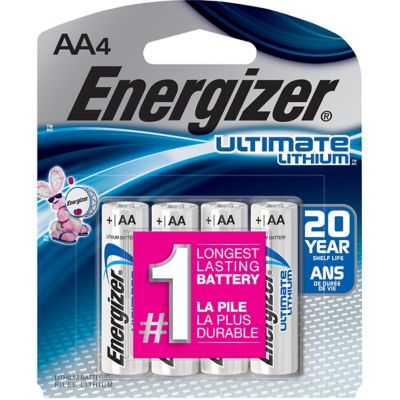
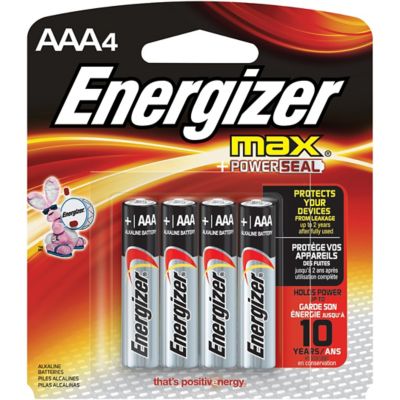
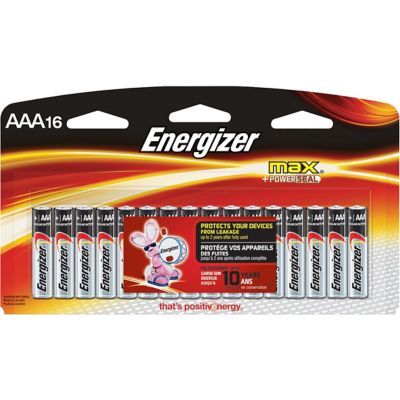
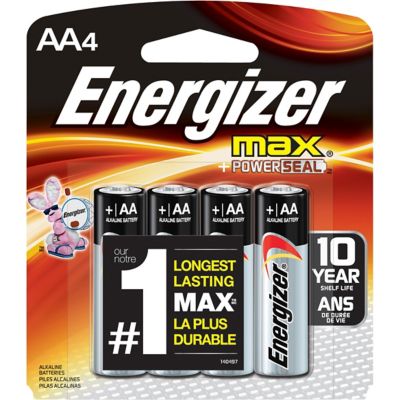
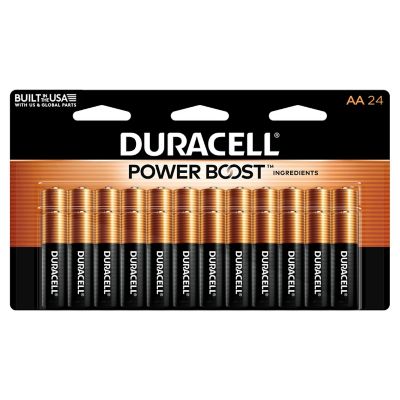
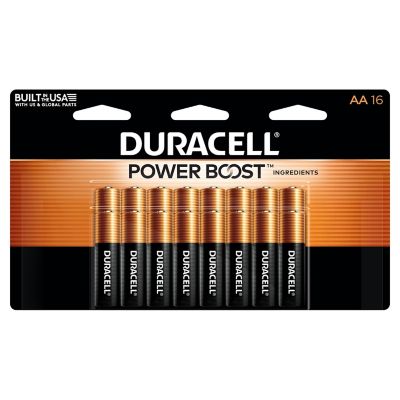
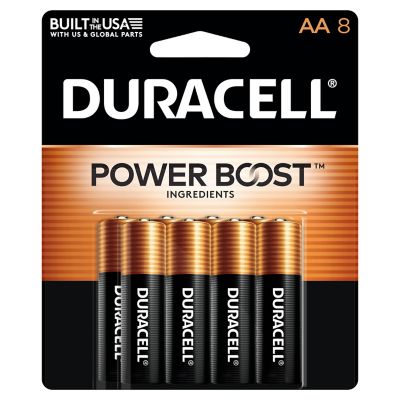
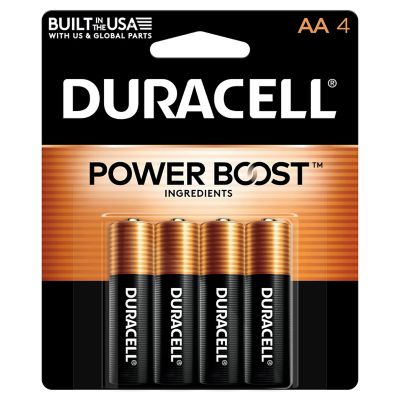
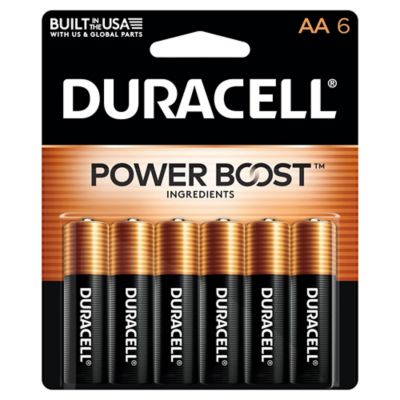
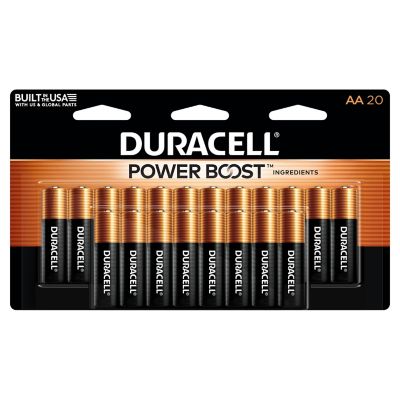
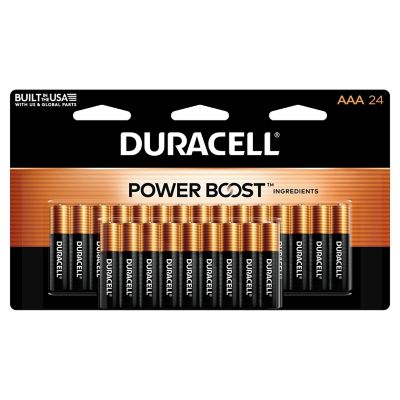
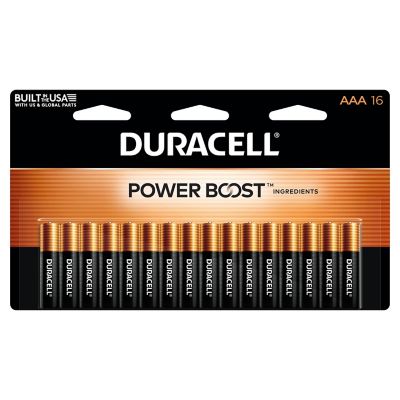
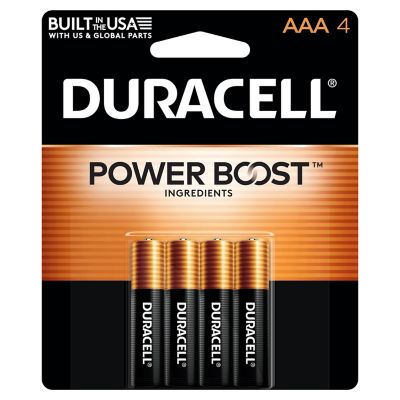
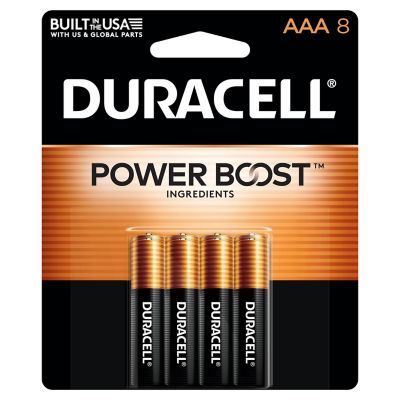
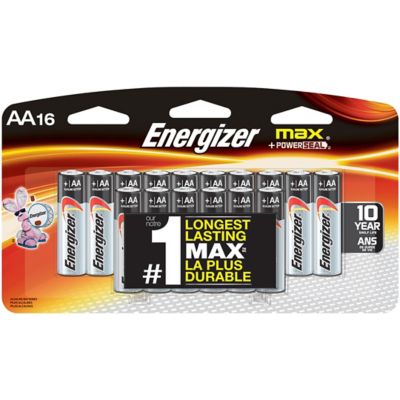
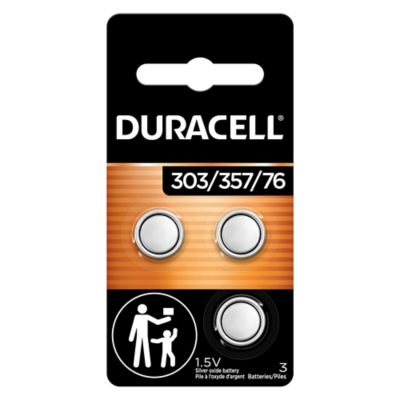
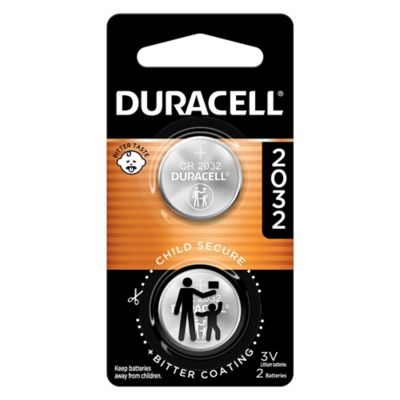
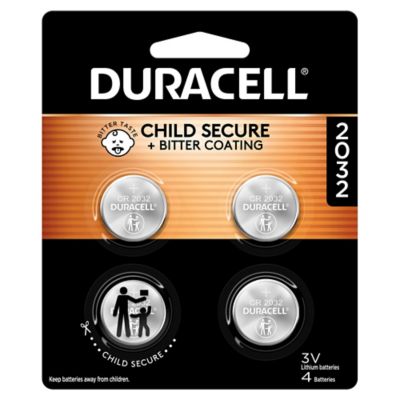
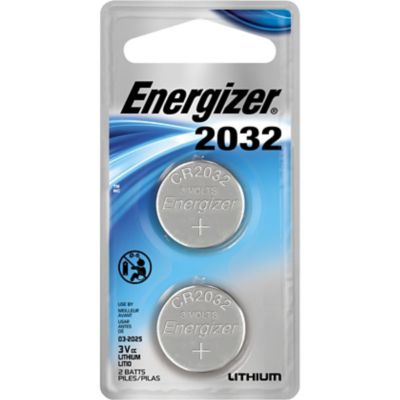
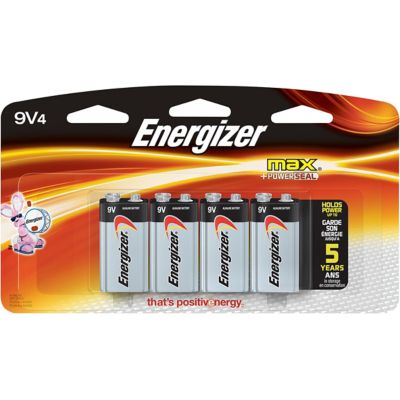
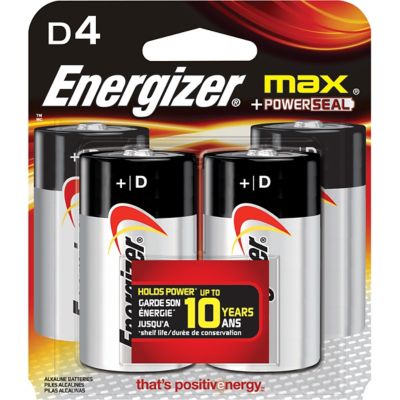
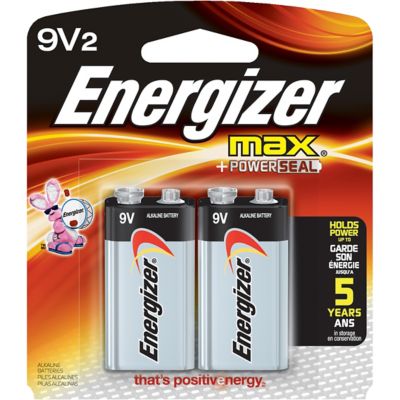
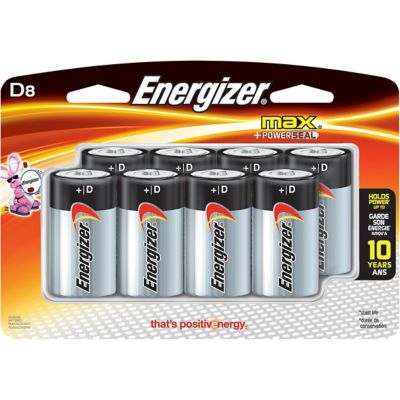
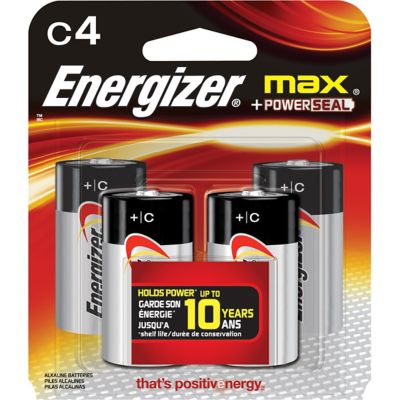
Smaller batteries handle plenty of jobs around the house, barn, shop, and campsite, too. Flashlights, handheld electronics, and battery-powered controls depend on the correct size, chemistry, and voltage, even when two batteries look much alike. Alkaline batteries suit many everyday devices, while compatible rechargeable batteries can make sense for equipment that sees frequent use. Certain lithium primary batteries offer long shelf life and cold-weather performance, but they are not rechargeable and should never go into a charger. Coin and button cells demand especially careful matching because similar dimensions do not guarantee the same voltage or chemistry. For compatible handheld controls,
Remote Batteries belong in the same fit-first approach: the device’s battery designation and instructions are the starting point. Across battery types, good care is less about fuss and more about avoiding conditions that shorten service life. Clean, dry cases, sound cable connections, and secure mounting help larger batteries stand up to everyday work. Corrosion around a terminal, a cracked case, swelling, leakage, or unusual heat calls for attention rather than another attempt to put the equipment to work. Charging equipment must match both battery voltage and chemistry, and a maintenance charger is appropriate only when its instructions cover that battery type. Equipment parked between jobs may still draw a small amount of power, making storage and charge checks important during quieter stretches. Batteries generally fare better in storage away from excessive heat, with charge levels maintained as directed for their chemistry. Loose small batteries need protection from contact with keys, tools, and other metal objects that could bridge their terminals. Coin cells belong out of reach of children and animals, and battery work calls for the protective gear and handling steps listed by the manufacturer. Spent batteries also need the disposal or recycling route appropriate to their chemistry and local requirements. Whether the job is starting a farm truck, powering a weekend campsite, or keeping a flashlight ready by the back door, the best fit comes down to the right electrical specifications, sound construction, and care that suits the battery’s design.