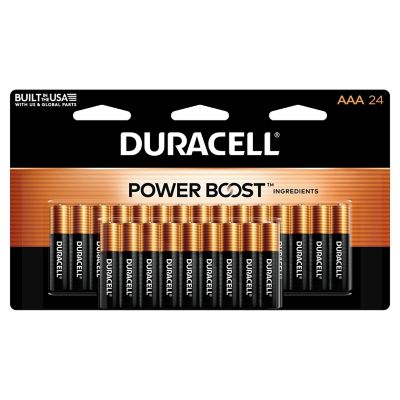
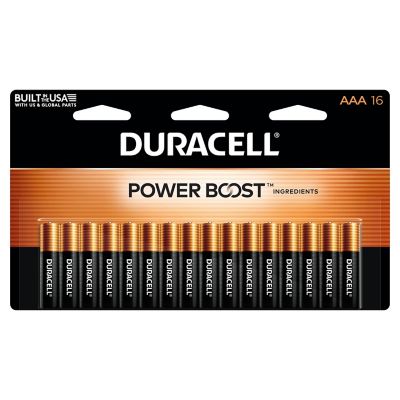
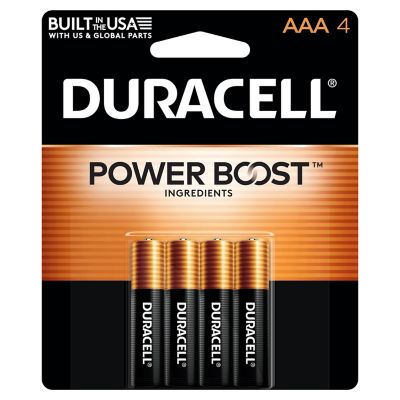
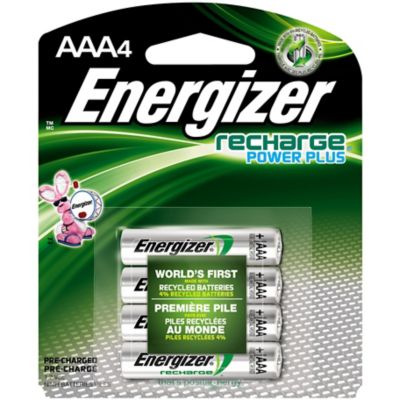
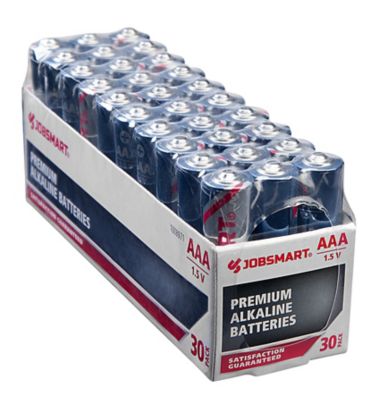
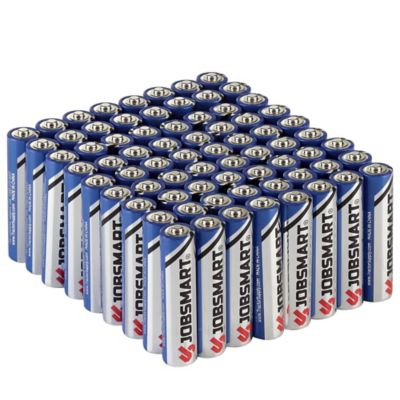
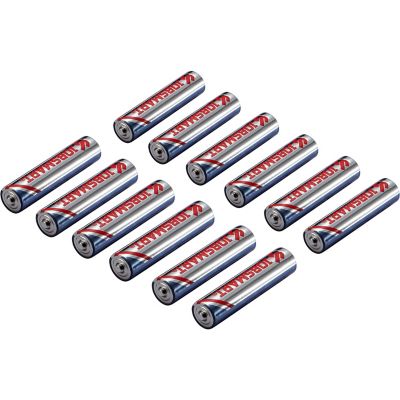
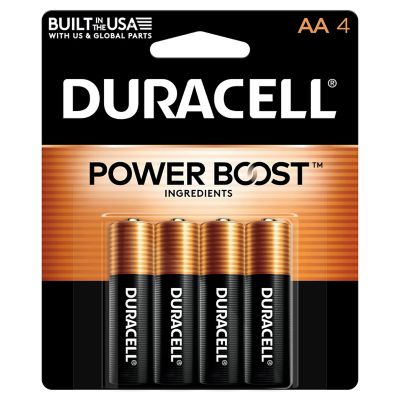
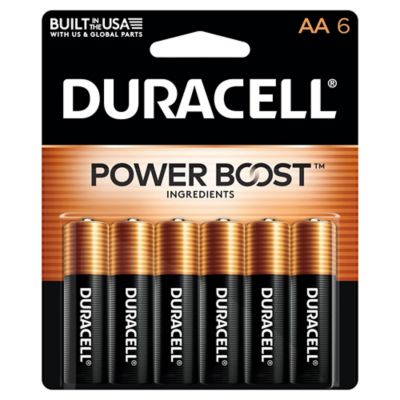
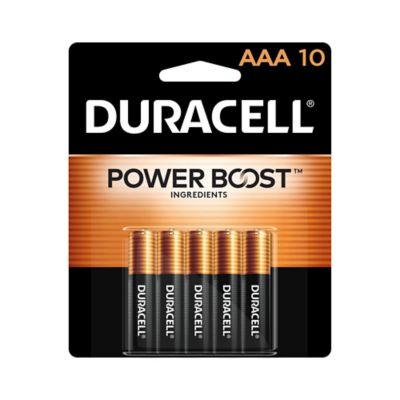
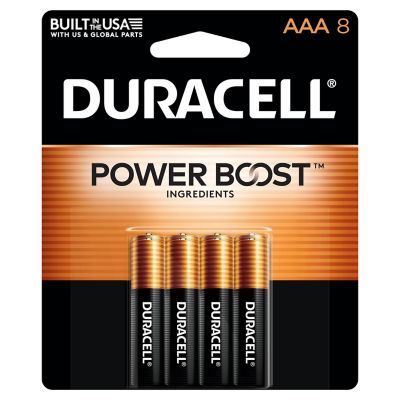
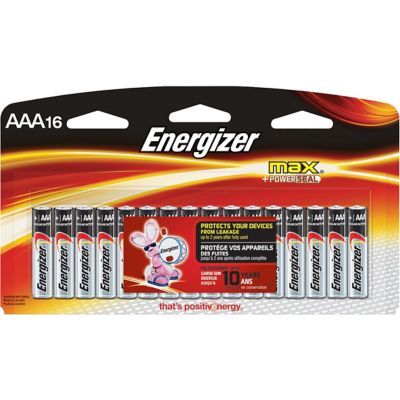
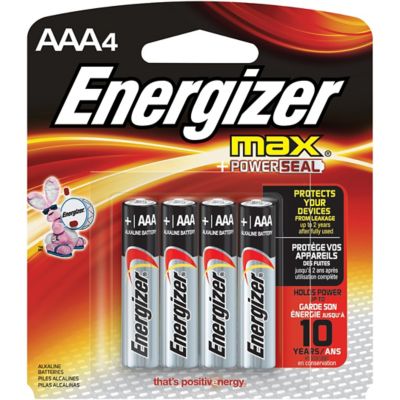
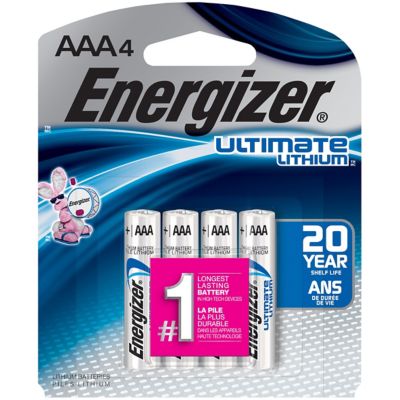
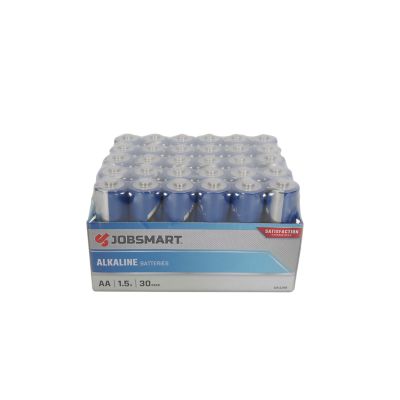
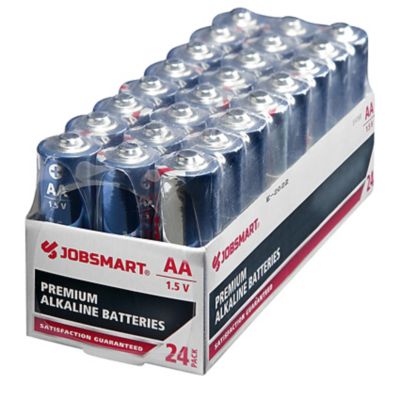
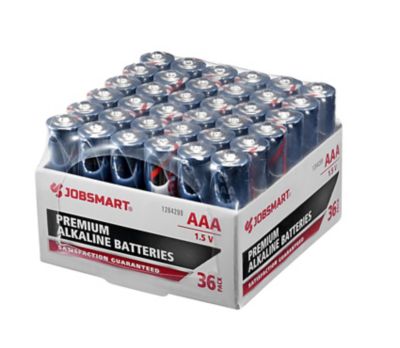
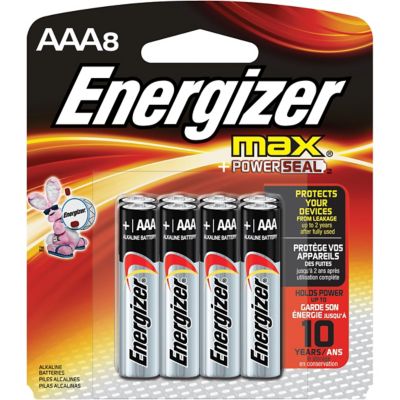
AAA batteries are the little workhorses behind plenty of everyday gear around the house, shop, barn and truck. These compact dry-cell batteries measure about 10.5 millimeters across and 44.5 millimeters long, making them a common fit for slim remotes, wall clocks, flashlights, wireless mice, small radios, thermometers, digital scales, toys and other portable electronics. A dependable supply can save a lot of head-scratching when a clock goes blank, a flashlight fades while you are checking a gate after dark or the remote quits just as the weather turns cold and everyone settles in indoors. When choosing AAA batteries, start with the device’s instructions and look for the chemistry it calls for. Alkaline AAA batteries are the familiar everyday choice, providing 1.5 volts per cell and working well in many low- to moderate-drain household devices. They are disposable, easy to keep on hand and generally offer a shelf life of roughly 10 to 12 years when stored properly, so a larger pack can be a practical addition to a pantry shelf, junk drawer or emergency kit. Rechargeable nickel-metal hydride, or NiMH, AAA batteries can be a smart fit for equipment used often, such as frequently handled game controllers, camera accessories, headlamps or busy household remotes. They typically provide 1.2 volts, can be recharged many times and may save money and reduce waste over the long run, though some devices are designed to work best with the full 1.5 volts supplied by disposable alkaline cells. Lithium AAA batteries are lightweight and well suited to certain high-drain devices or use in especially hot or cold conditions, but they can cost more and should be selected only when the device allows that type of battery. Checking the voltage, battery chemistry and any manufacturer recommendations before opening the package helps prevent poor performance and protects sensitive electronics.
AAA batteries find a home with just about every kind of household, from a busy farmhouse with several wall clocks to a workshop where flashlights and inspection tools need to stay ready. They are handy for parents stocking up on toys, game controllers and small electronic gadgets, and they make a useful practical gift for a college student, new homeowner, camper, teacher, caregiver or anyone putting together a roadside or storm-preparedness kit. During the cooler months, batteries often get used more frequently as evenings grow longer and indoor time increases, while outdoor chores may call for a dependable flashlight, headlamp or weather sensor. Keep spare cells in their original packaging or in a battery case, away from loose metal objects such as nails, coins and tools that could cause a short circuit. A dry cabinet, drawer or closet is usually a better storage spot than a hot shed, damp barn corner or place exposed to direct sun. It is also wise to avoid mixing old and new batteries, different chemistries or partially charged and fully charged cells in the same device. If a device will sit unused for a long stretch, remove the batteries to help prevent leakage and damage. Rechargeable cells should be charged with a compatible charger, and they should not be used if the casing is cracked, swollen or damaged. When batteries are spent, follow local recycling or household hazardous-waste guidance rather than tossing rechargeable or specialty cells into a burn barrel or open fire. For larger equipment that needs more substantial power than a small household battery can provide, see
4ah Batteries. Keeping a few AAA sizes and the right battery types organized in a labeled drawer means less time hunting through cabinets and more time getting on with the job, whether that job is checking a fence line, settling in for a movie or making sure the household stays running smoothly.