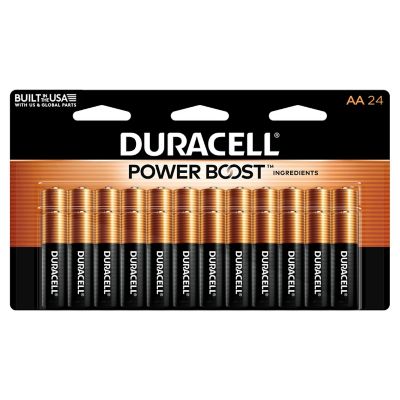
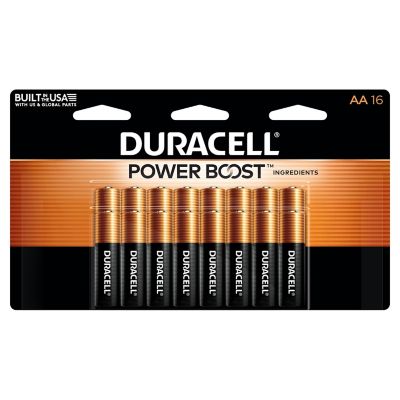
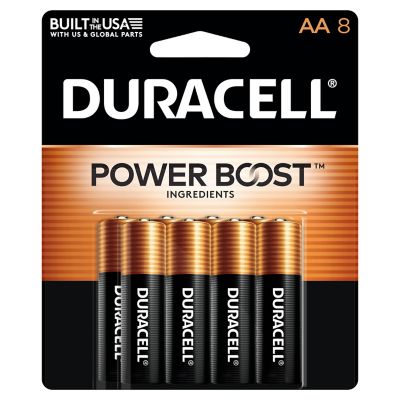
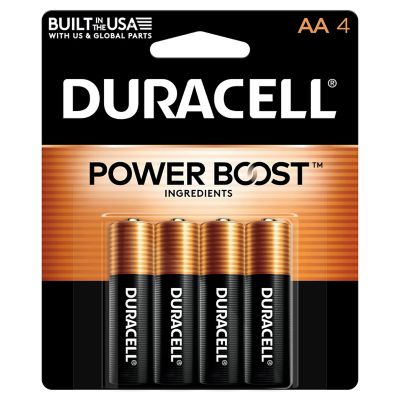
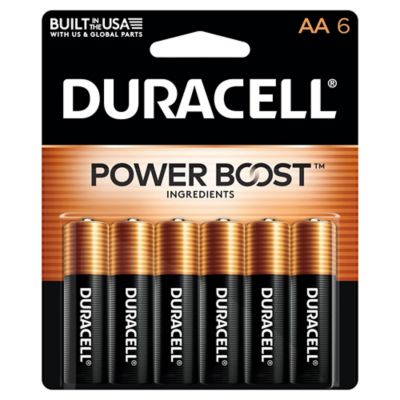
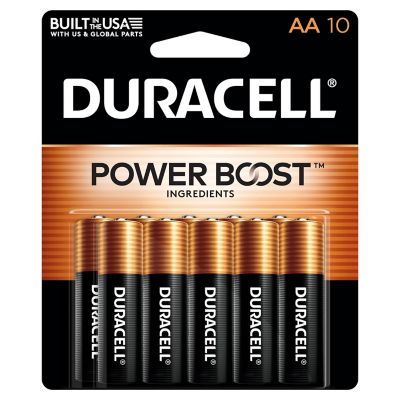
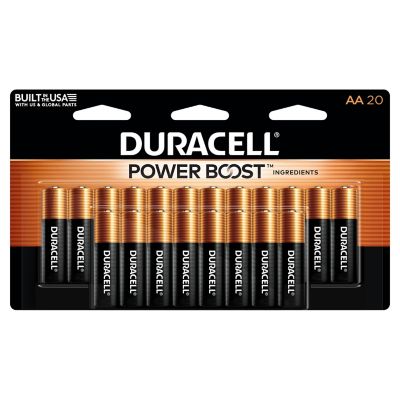
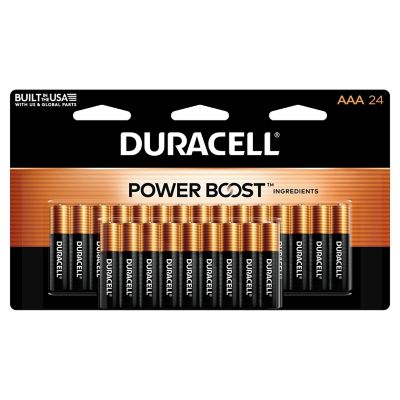
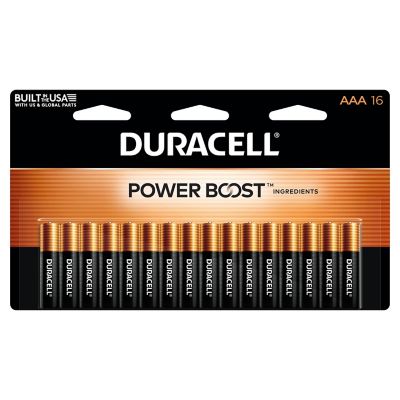
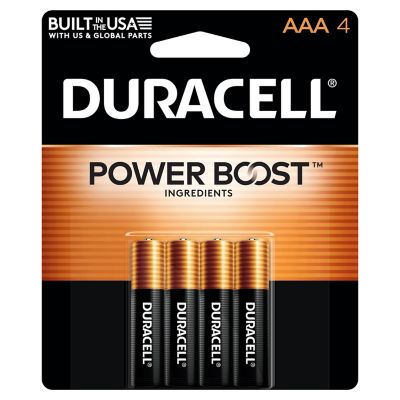
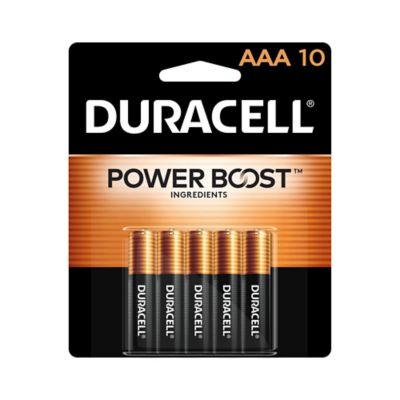
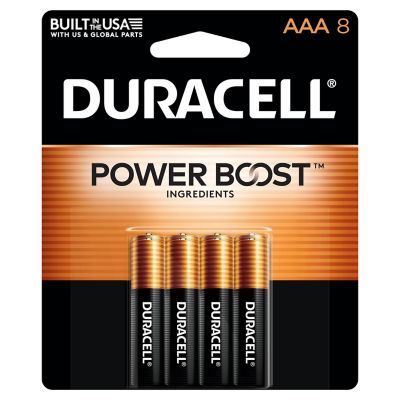
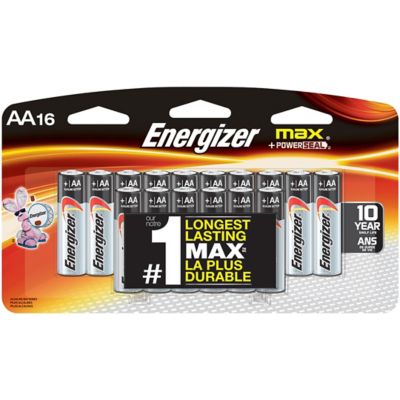
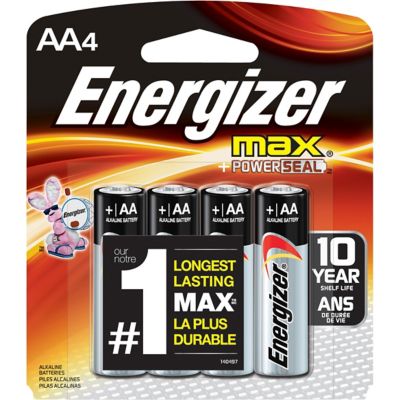
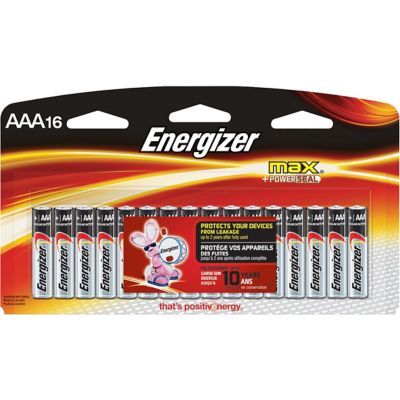
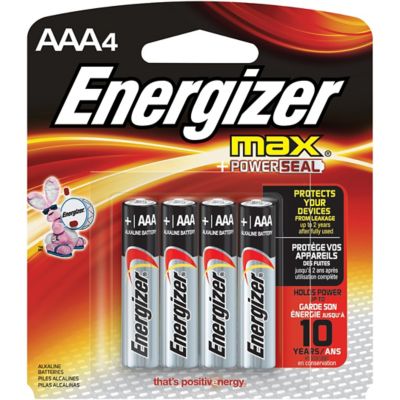
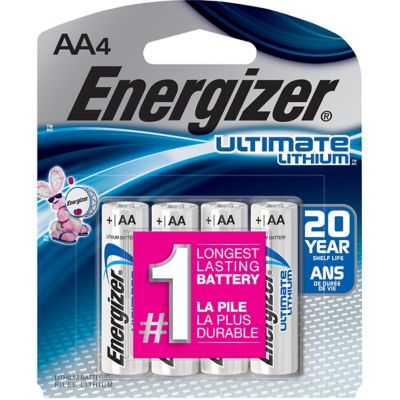
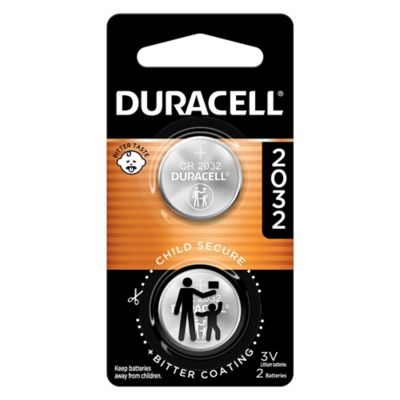
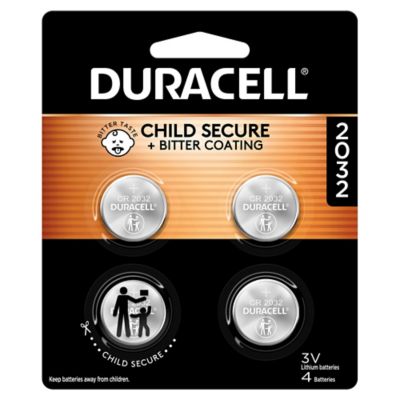
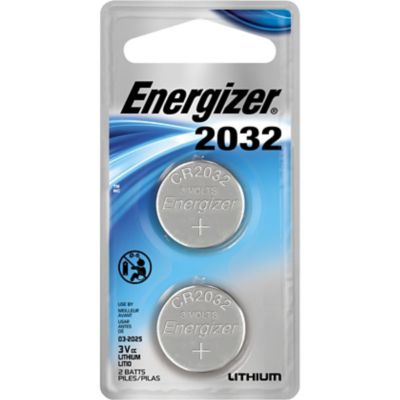
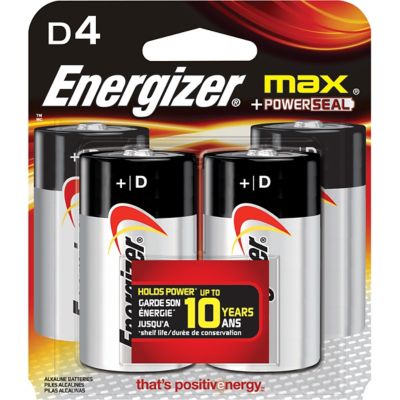
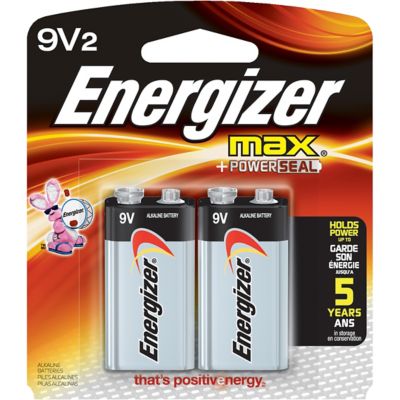
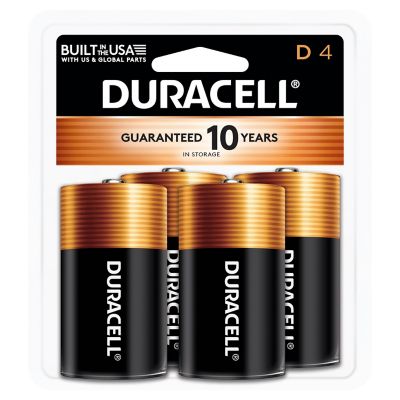
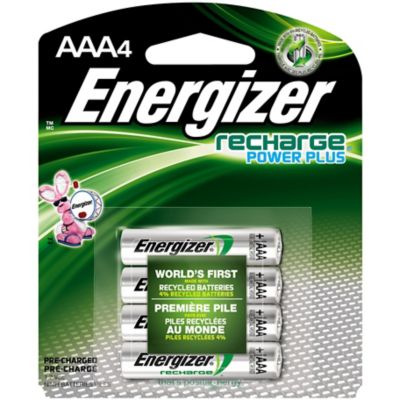
Remote batteries may be small, but they keep a surprising number of everyday things working. Television remotes, streaming controls, stereo remotes, garage door openers, gate controls, car key fobs and other wireless devices can all depend on the right battery to send a signal when you need it. A weak battery often gives a little warning before it quits altogether. The remote may work only when you stand close, respond after several presses or feel sluggish when you use it. A key fob may stop locking or unlocking the vehicle from the usual distance, while a garage door remote may work from the driveway one day and only from a few feet away the next. Keeping a small assortment of fresh remote batteries on hand can save a trip into town, especially when the remote is needed early in the morning, after dark or when the weather turns rough. Standard alkaline batteries in AA and AAA sizes are common in household remotes, while smaller lithium coin cells are frequently used in key fobs, compact clickers and other low-profile controls. Some older or specialized automotive, gate and security remotes use a small 12-volt battery, so checking the size before you buy is an important first step. The number printed on the old battery, the markings inside the battery compartment and the device owner’s manual can help you match the replacement. Similar-looking batteries are not always interchangeable, and choosing the correct size and voltage helps protect the remote while giving it the dependable signal it was designed to provide.
Before replacing a remote battery, gather the old battery, the new matching battery and a clean, well-lit spot to work. Many household remotes have a sliding cover that comes off with a thumb, while a key fob or compact control may have a small seam or notch that requires a coin or a small flat tool. Open the case gently rather than twisting it hard; plastic tabs and tiny clips can break if they are forced. Take a quick look at the battery’s position before removing it, paying close attention to the plus and minus markings. The positive side is often marked with a plus sign and may face up, but the correct direction depends on the device. Remove the old battery, place the fresh one in the same orientation and press it into position without bending the contacts. Close the case until it sits snugly, then test the buttons from a normal working distance. If the remote still does not respond, check the polarity, make sure the case is fully closed and look for dirt or corrosion around the contacts. Avoid mixing a new battery with an old one, mixing different battery types or carrying loose coin cells in a pocket or drawer where they can touch metal objects. Coin cells can be especially dangerous if swallowed, so keep them and used batteries away from children and pets, and store spares in their original packaging or a small container. Used batteries should be handled according to local disposal or recycling rules rather than tossed wherever they may be exposed to heat, moisture or animals. During warmer weather, avoid leaving spare batteries in a hot vehicle, shed or direct sunlight. During the cooler months, bring remotes and key fobs in from unheated spaces when practical, since extreme temperatures can affect battery performance. If you also need dependable power for trail cameras, flashlights, fence accessories or other equipment around the property, take a look at
Outdoor Batteries for batteries suited to outdoor tasks.
A fresh supply of remote batteries is a practical addition to a kitchen drawer, workshop cabinet, glove box or bedside table. Families often keep extras near the television, while a farm or rural household may want replacements in the shop so a gate opener or equipment key fob does not leave someone walking back across the yard. They also make a handy add-on gift for someone moving into a new home, setting up a home entertainment area, buying a vehicle or spending more time working around a property. A new remote control may come with a battery already installed, but having the correct spare nearby makes it easier to replace it when the first one fades. For a thoughtful care package, pair remote batteries with other useful household supplies and a note showing where the battery size is listed on the device. It is worth checking the remotes and key fobs used most often before placing an order, since one home may rely on AA or AAA batteries while another uses several different coin-cell sizes. Look for clear package information, a dependable shelf life and packaging that protects the batteries until they are needed. Buying the right quantity can also help prevent last-minute purchases, but avoid stocking far more than you can use within a reasonable period, especially if the batteries will sit in a hot garage or damp outbuilding. A few minutes spent matching the battery number, voltage and shape can keep a television ready for a quiet evening, a truck ready to unlock at the gate and a garage door remote working when the rain starts coming down.