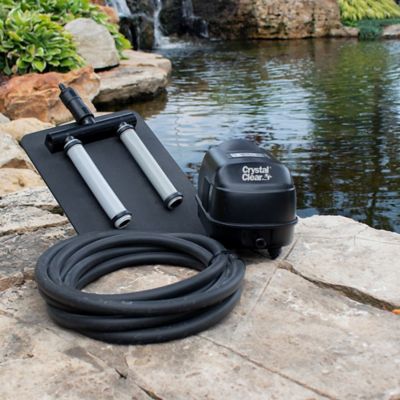
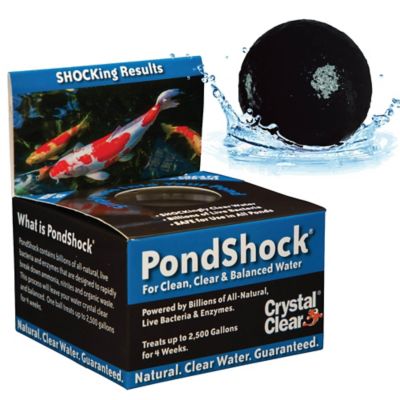
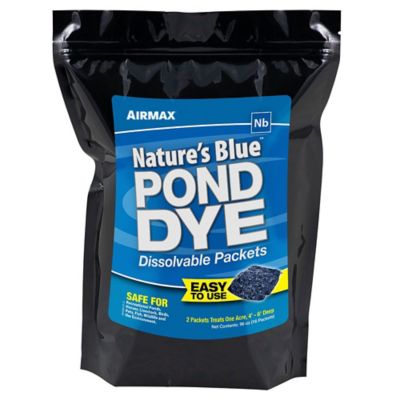
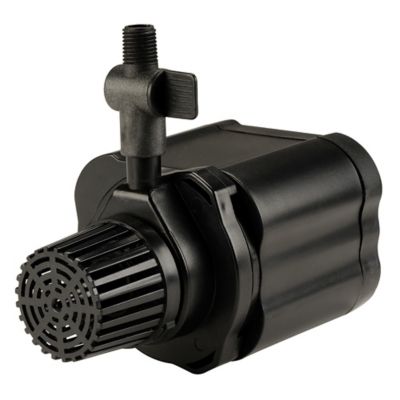
A healthy backyard pond starts with the right supplies for the size of the water feature, the fish that live in it, and the conditions around it. Whether you care for a small garden pond beside the porch, a larger stock-tank-style water feature, or a farm pond where wildlife comes and goes, dependable pond supplies help keep the water clear, oxygenated, and comfortable through changing weather. Pond owners commonly look for equipment that supports circulation, filtration, aeration, water testing, feeding, and everyday cleanup. Liners, fittings, tubing, nets, brushes, and other maintenance essentials can help with setup and routine care, while fish-safe water treatments may be useful when new water is added or water conditions shift. When choosing supplies, pay close attention to pond volume, water depth, the number and size of fish, and the amount of direct sunlight the pond receives. A shallow pond in full sun may warm up and grow algae faster than a shaded, deeper pond, while a pond surrounded by trees may need more frequent removal of leaves and twigs. Matching equipment to the job saves time and helps avoid running a small system too hard or buying more capacity than the pond needs. For dependable circulation in a compact water feature, explore
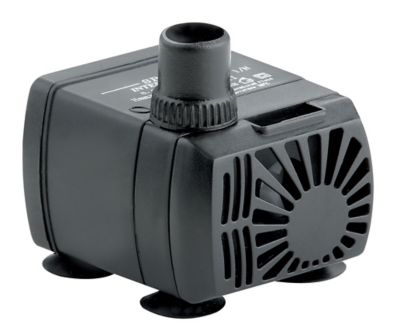
Small Pond Pumps sized for the water volume and lift height involved. A pump that moves water up to a waterfall or raised filter has different demands than one used for gentle circulation at the surface, so check the specifications before bringing it home.
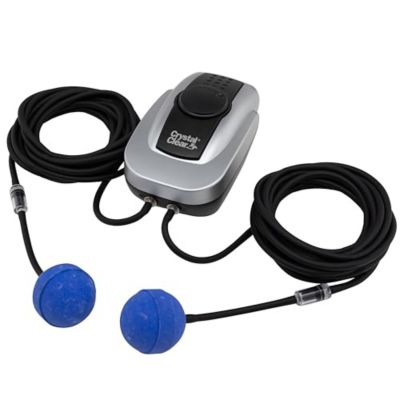
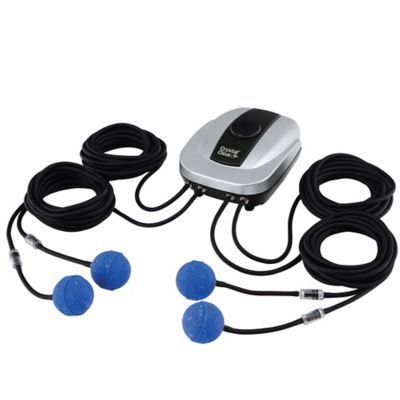
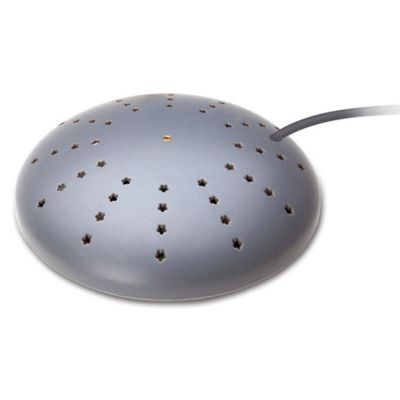
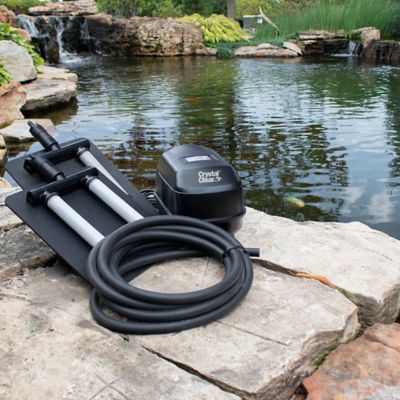
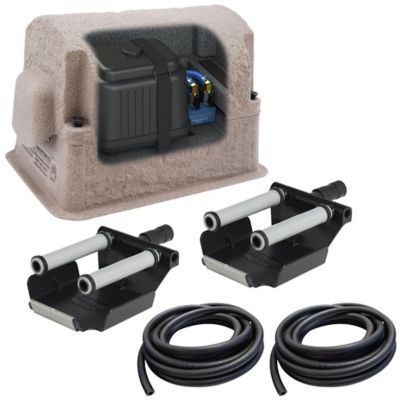
Fish pond supplies are useful for more than new pond construction. They can help a longtime pond keeper handle regular chores, refresh an aging setup, or prepare a water feature for fish after a period of neglect. Simple tools for removing leaves and debris are especially handy during the cooler months, when wind can carry a steady layer of fallen foliage into the water. Letting too much organic material settle on the bottom can affect water quality as it breaks down, so a little regular attention often makes the bigger cleanups easier. Water testing supplies give you a clearer picture of conditions that are hard to judge by appearance alone, including acidity, hardness, and waste buildup. This can be helpful when fish seem less active, plants begin to struggle, or the water turns cloudy after heavy rain. Aeration and circulation supplies also play an important role by helping move oxygen through the pond, especially when the surface is still or the pond is heavily stocked. During cooler weather, fish may move less and feed less often, but they still benefit from stable, clean water. Follow the care directions for any treatment or feed, and avoid adding more than the fish can finish. Uneaten feed can sink and contribute to poor water conditions. A pond net or protective cover can also help keep fish safe from leaves, curious pets, and visiting wildlife while making seasonal maintenance more manageable.
The best pond setup is one that fits the way you use the space. A family pond near a walkway may call for quieter circulation and tidy tubing, while a larger rural pond may need heavier-duty equipment, longer runs, and supplies that can stand up to outdoor use. If the pond is home to ornamental fish, look for fish-safe materials and follow installation directions carefully. If it is mainly a decorative water feature, focus on clean circulation, attractive movement, and easy access for routine care. Gardeners may appreciate supplies that support water plants and keep the area around the pond looking neat, while homesteaders and landowners may be shopping for practical maintenance items that help manage a larger water feature with less fuss. Pond supplies can also make a thoughtful gift for someone who has just built a backyard pond or enjoys improving an established one. A useful net, testing kit, replacement fitting, or maintenance accessory may be more welcome than a decorative item that does not match the pond’s size or style. Before purchasing, measure the pond when possible, note the distance to an electrical source, and consider how much water must be moved or filtered. Keep cords, connections, and equipment protected from standing water in accordance with the manufacturer’s directions, and inspect supplies for wear as the seasons change. As the weather warms, fish activity and plant growth typically pick up, making it a good time to check circulation and clean away winter debris. During the cooler months, a little preparation—such as clearing leaves, checking fittings, and keeping water moving—can help the pond head into the next season in good shape.