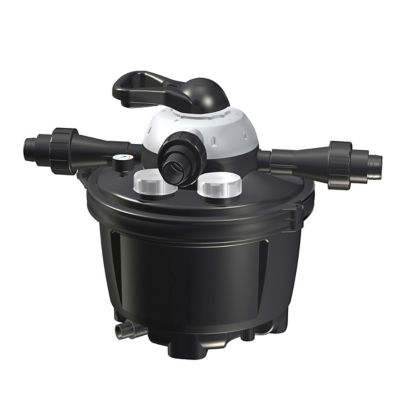
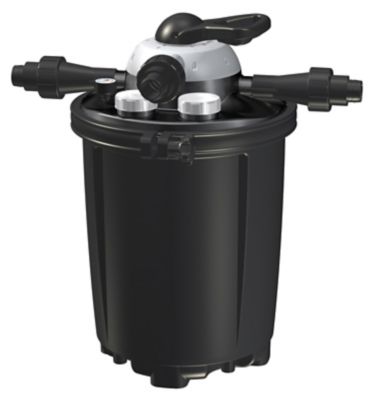
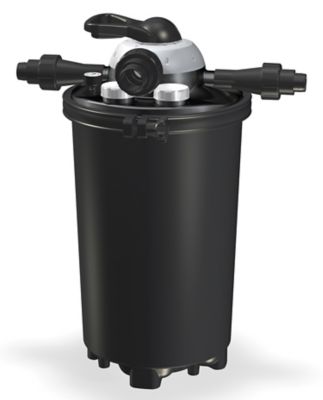
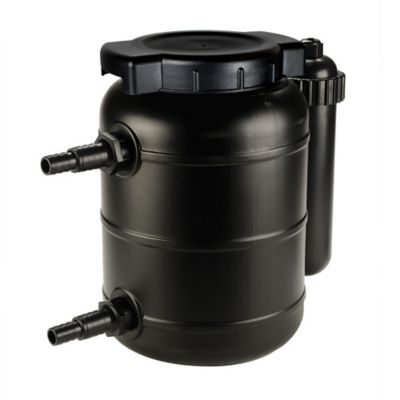
Fish pond filters help remove floating debris and support the biological processes that keep a pond suitable for fish. In a backyard goldfish pond, a koi pond beside the patio, or a water feature near the barn, filtration handles more than the bits of leaves visible on the surface. Fish waste, uneaten feed, and decaying plant matter all add to the workload. Mechanical filtration catches particles in pads, sponges, brushes, or similar media, while biological filtration provides surfaces where beneficial bacteria can grow. Those bacteria convert ammonia into nitrite and then into less harmful nitrate, which still needs management through plant uptake and appropriate water changes. Many pond filtration systems combine both functions, giving solid waste somewhere to collect while supporting the bacterial colony that processes dissolved waste. The right filter size depends on pond volume, the number and size of fish, feeding habits, and the amount of debris entering the water. A lightly stocked goldfish pond and a heavily stocked koi pond can hold the same number of gallons without having the same filtration needs. Koi grow large and produce substantial waste, so a gallon rating alone does not tell the whole story. Manufacturer capacity ratings often reflect particular stocking levels or operating conditions; the stated assumptions matter as much as the number on the label. Pump flow is another part of the fit. Water needs enough movement to reach the filter regularly, but flow through the housing must stay within its operating range. A pump’s listed maximum output may be higher than the flow it delivers after water travels uphill and through hoses, fittings, and filter media. For a pond with growing fish or a generous feeding routine, filtration capacity deserves as much attention as the pond’s footprint. That balance helps narrow the choices to equipment suited to the actual pond, rather than a system that matches its gallons on paper but struggles with the daily waste load.
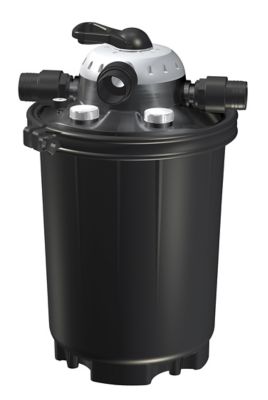
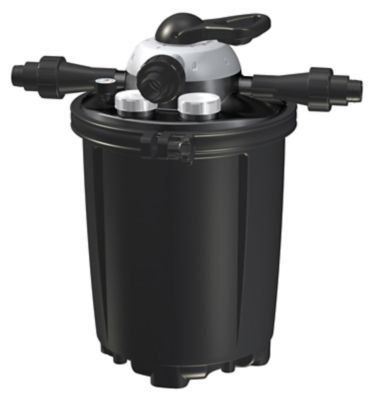
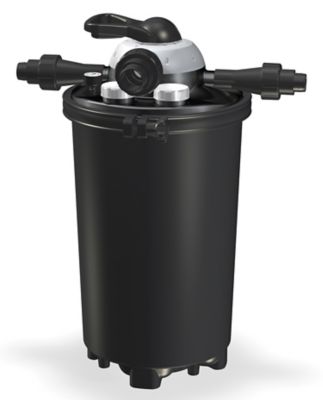
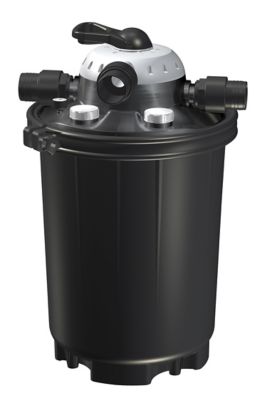
Pressurized pond filters, gravity-fed filters, and waterfall filters suit different layouts, even when they perform similar cleaning jobs. A pressurized filter has a sealed housing that operates under pressure from a compatible pump. Depending on the system’s limits, that arrangement can send filtered water to an elevated return or waterfall, giving pond owners some flexibility in where the filter sits. The pump supplies the lift; the filter itself does not push water uphill. Gravity-return filters let water flow out without a pressurized outlet, so their placement needs to allow a downhill path back to the pond. Waterfall filter boxes often combine filter media with a spillway, making them a practical match for ponds where moving water is part of the setting. Neither style is automatically the better choice for every pond. Available space, return height, hose routing, and access for cleaning all affect how well the arrangement works. Housing materials matter, too. Rigid plastic and molded polymer bodies resist corrosion, while sturdy lids, secure latches, and well-fitting seals help keep water where it belongs. A filter tucked behind a rock border still needs room for the lid to lift and the media to come out. Hose connections should match the plumbing diameter and the manufacturer’s fitting requirements, with attention to maximum pressure and allowable flow. Some fish pond filters also include an ultraviolet clarifier. UV treatment helps control suspended, single-celled algae responsible for green water, but it does not replace mechanical or biological filtration and does not remove every kind of algae. Its effectiveness depends on factors such as lamp output, water clarity, and flow through the chamber. Clear-looking water also is not proof that ammonia or nitrite levels are safe. For a pond that needs both debris collection and green-water control, a combined system may simplify the layout, provided each part matches the pond and pump. Electrical components also need an installation that follows the manufacturer’s directions and applicable safety requirements, including GFCI protection.
Routine care is part of owning any fish pond filter, so service access can be just as important as capacity. A filter beside a narrow fence line may fit neatly, but pulling out wet pads becomes a chore if there is nowhere to stand or set a bucket. Accessible drain ports, removable baskets, lift-out media trays, and straightforward lid closures can make regular cleaning less of a wrestle. Mechanical media collects solids and eventually restricts flow, which means cleaning frequency depends on the pond’s debris load rather than a single schedule that fits every setup. Biological media has a different job and benefits from gentler handling. When rinsing is necessary, pond water or properly dechlorinated water helps protect the bacterial colony; aggressive scrubbing or untreated chlorinated water can disrupt it. New biological filtration also needs time to establish, so adding a filter does not instantly make a heavily stocked pond safe. Water testing remains important while the system settles in and whenever fish behavior or pond conditions change. Replacement media needs to match the housing and its intended function, since a pad that leaves gaps around the edges can let debris slip past. Seals, hose clamps, and fittings deserve attention when there are drips, reduced flow, or signs of wear. UV lamps and sleeves have their own care requirements, and a lamp can lose treatment effectiveness even while it still gives off visible light. Beyond the filter, balanced feeding, suitable fish stocking, debris removal, and adequate aeration all contribute to a pond that is easier to manage. Filters support that whole setup rather than taking the place of it. Related
Fish Pond Supplies can help round out the system with compatible plumbing, water testing, and other pond-care essentials. Whether the pond holds a few goldfish near the porch or a larger group of koi, the most practical filtration setup is one that matches the fish load, fits the space, and stays manageable when it is time to clean.