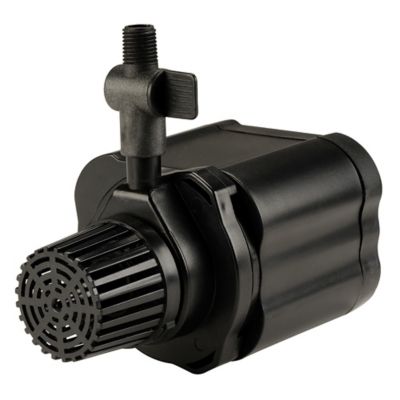
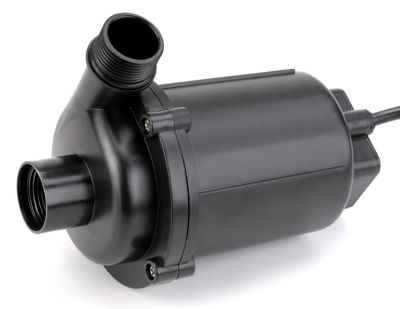
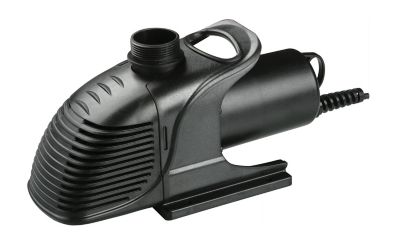
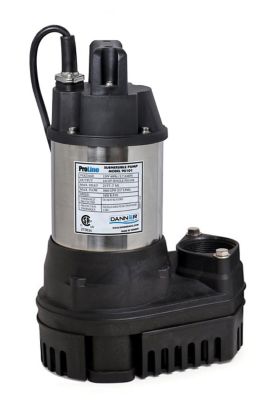
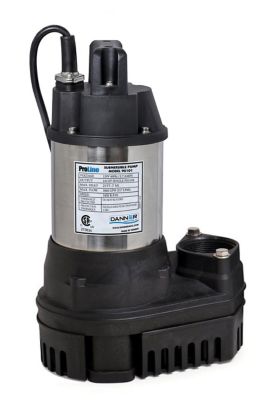
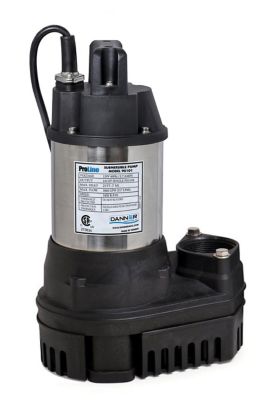
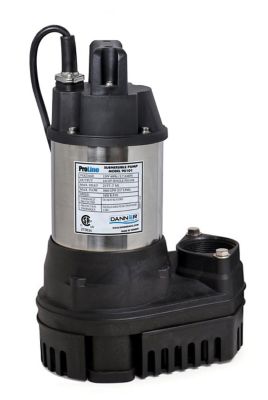
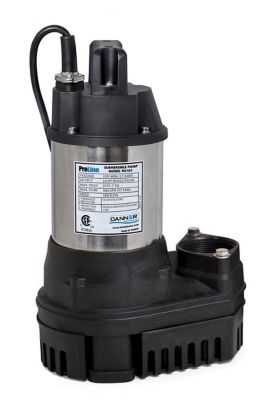
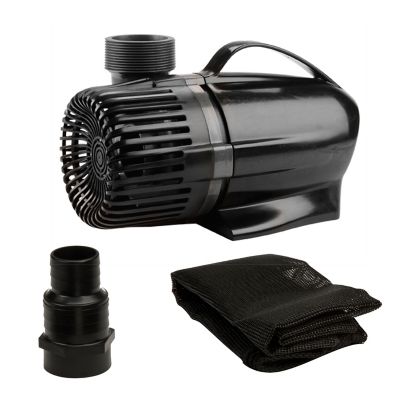
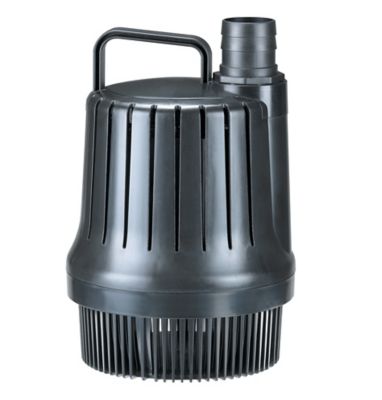
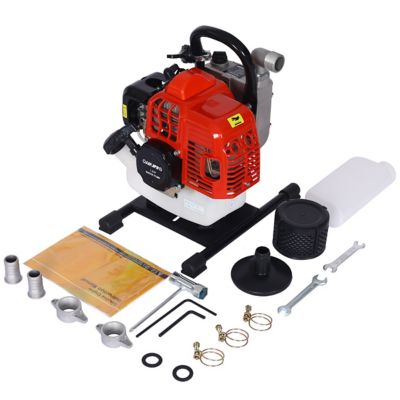
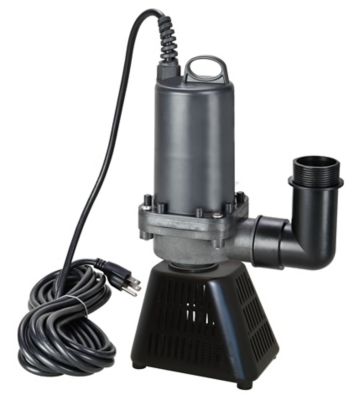
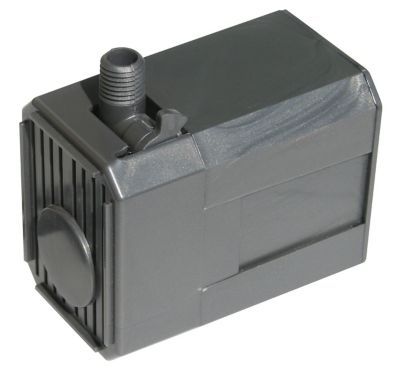
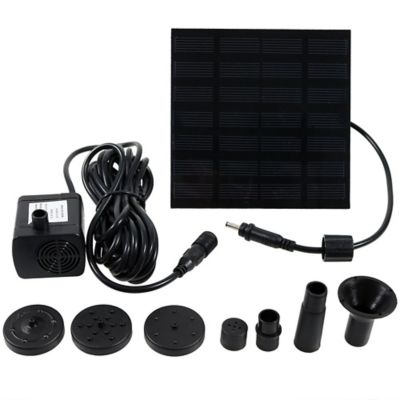
Fish pond pumps help keep pond water moving, fresh and better suited for fish, plants and other aquatic life. A still pond can collect debris, develop stagnant pockets and lose dissolved oxygen, especially when the water is warm, crowded with fish or covered with leaves. A properly sized pump circulates water through the pond and may also send it through a filter, waterfall, stream or other water feature. This movement helps distribute oxygen throughout the water instead of leaving the surface and deeper areas separated. It can also keep water from sitting in one place for too long. Pond pumps are useful for backyard water gardens, small homestead ponds, koi and goldfish ponds, stock-tank-style features and larger landscaped ponds. They may be used by someone building a pond from scratch, refreshing an older water feature or replacing a pump that has become noisy, clogged or unreliable. They can even make a practical gift for a pond owner who enjoys spending quiet mornings near the water, watching fish gather beneath the ripples and listening to a steady waterfall. When shopping, start with the pond’s approximate volume and the job the pump needs to do. A common rule of thumb is to choose a pump capable of circulating the pond’s full volume at least once every one to two hours, though fish load, water temperature, shade, filtration and the type of water feature can affect the right flow rate. Pump capacity is generally listed in gallons per hour, or GPH. A larger pond usually needs more flow, while a tall waterfall or long stream needs additional power to push water uphill and through bends, tubing and filter media.
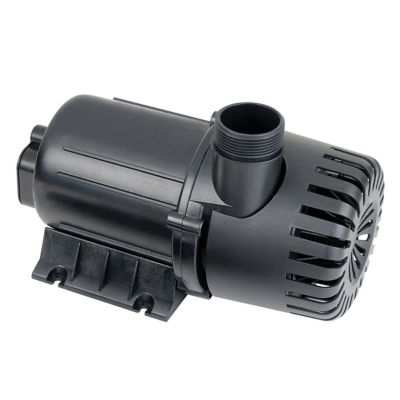
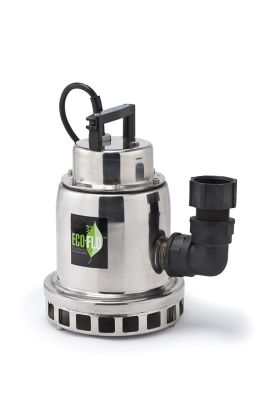
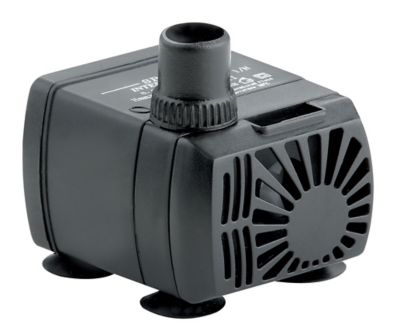
Flow rate alone does not tell the whole story. Look at the pump’s maximum lift, often called head height, along with the expected flow at the height and distance where the water will be discharged. A pump that moves plenty of water at the outlet may deliver much less once it is lifting water several feet or pushing it through narrow tubing and a filter. Measure the vertical distance from the pump to the top of the waterfall, then account for the length and size of the hose or pipe. Wider tubing can help reduce resistance, while undersized tubing may restrict flow and make the pump work harder. Submersible pond pumps are a familiar choice for many residential ponds because they sit in the water and can be convenient for circulating water through filtration or a modest water feature. External or direct-drive styles may be a better fit for higher-flow applications, longer runs or larger waterfalls, depending on the layout and installation requirements. Durable, corrosion-resistant materials are worth considering, particularly when a pump will run for long periods or be exposed to mineral-rich water, fertilizer runoff or changing outdoor conditions. Energy use matters, too. A more efficient pump can help manage operating costs when it runs day and night. Check cord length and outlet placement before setting up, and use an outdoor-rated connection with ground-fault protection. Keep electrical connections away from standing water, protect cords from foot traffic and follow the installation instructions for the pump and pond equipment. Many pond owners place a submersible pump on a stand, crate or other stable support rather than directly on the bottom. Raising it a little can keep it above settled sludge and leaves, helping reduce clogging and making routine cleaning easier. It should still be fully submerged whenever the instructions call for underwater operation.
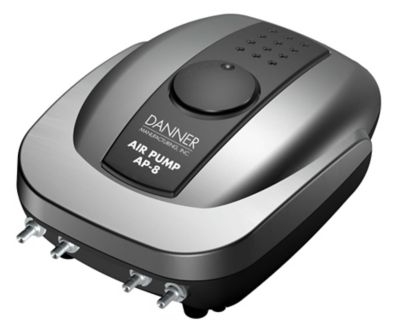
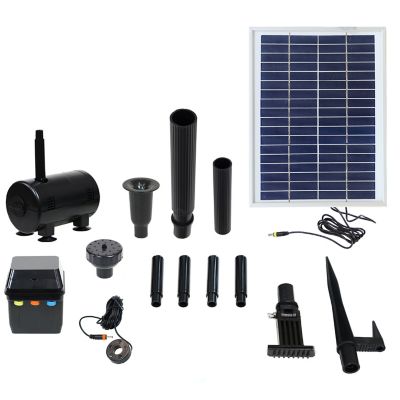
Regular circulation is especially important in ponds with fish because fish rely on dissolved oxygen in the water. Running the pump continuously is often helpful for maintaining steady movement and supporting filtration, but the correct schedule depends on the pump, pond design, weather and the needs of the fish. Watch for signs of reduced flow, unusual vibration, rattling or water that looks cloudy or develops an odor. A pump strainer, intake screen and filter should be checked and cleaned as needed, since leaves, string algae and fine sediment can restrict water movement. During the cooler months, falling leaves can quickly collect around an intake, while freezing conditions can create special concerns. In areas where water features may ice over, make sure the pump and plumbing are protected according to the equipment instructions, and avoid allowing an outlet to become sealed by ice. Fish ponds should not be completely sealed beneath ice, since gas exchange at the surface remains important; a properly planned aeration or circulation setup can help, but every pond is different. If a pump is removed for seasonal storage, rinse away debris, inspect the cord and housing, and store it where it will not freeze or be damaged. For a fountain-style display that adds sound and surface movement, browse
Pond Fountain Pumps. Whether the goal is a gentle ripple in a small garden pond or strong circulation for a larger fish habitat, matching the pump to pond volume, lift height, filtration needs and available power makes daily maintenance easier and supports a healthier outdoor water feature.