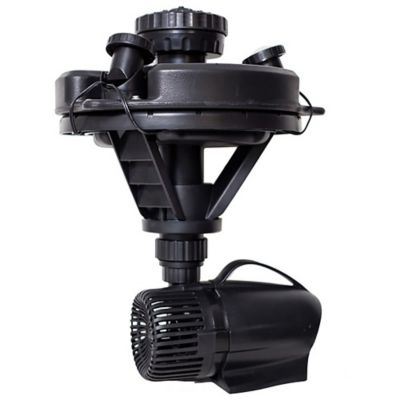
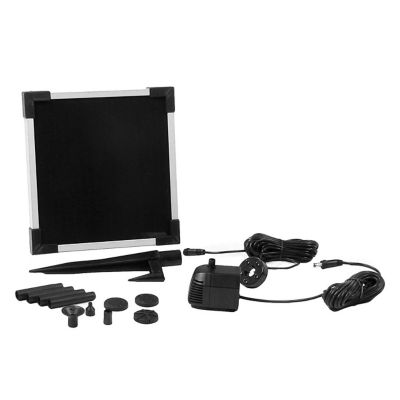
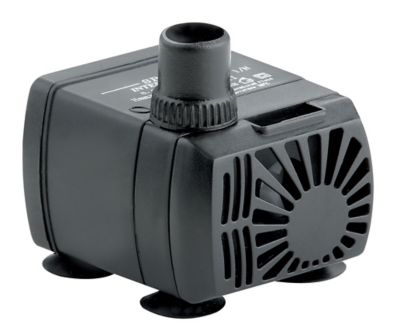
Koi pond accessories help keep water moving, manage fish waste and make everyday pond care less of a chore. Filtration systems, aeration equipment, UV clarifiers, skimmers and maintenance tools each handle a different part of the job, whether the pond sits beside a farmhouse porch or along a backyard fence. Mechanical filtration catches suspended particles, while biological filtration gives beneficial bacteria a place to convert ammonia into nitrite and then into less harmful nitrate. Both matter in a koi pond, where growing fish and regular feeding can put a considerable load on the water. Filter sizing depends on more than pond volume alone; fish numbers, feeding levels, sunlight and the amount of nearby leaf litter also affect the workload. A pond beneath a broad shade tree has different cleanup demands than one out in the open. Pump selection brings another set of practical considerations, including the flow a filter requires and the lift needed to reach a waterfall or elevated return. The flow rating on the box may decrease once water travels uphill through tubing, elbows and fittings, so performance at the actual operating height matters. Tubing diameter, connection style and whether a pump runs underwater or outside the pond all affect fit. Housings designed for outdoor exposure, corrosion-resistant hardware and hoses that resist kinking help equipment stand up to daily service. Easy access to filter pads, baskets and pump intakes can make a big difference when chores are waiting and daylight is running short. For pond owners comparing equipment across a larger setup,
Backyard Pond Supplies brings the broader pond theme into view alongside koi-focused needs. Accessories that match the pond’s dimensions and existing connections help keep the whole system working together, rather than adding another piece that needs an awkward workaround. That matters just as much for an established pond receiving a few updates as it does for a new pond being prepared for fish.
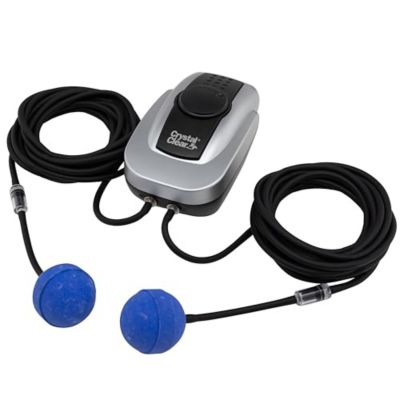
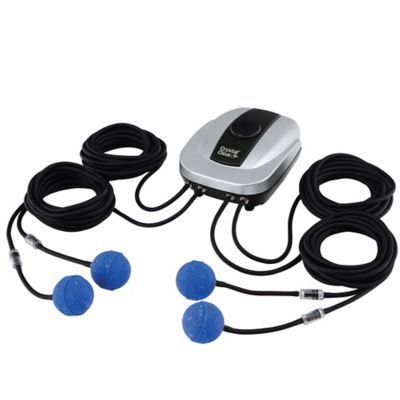
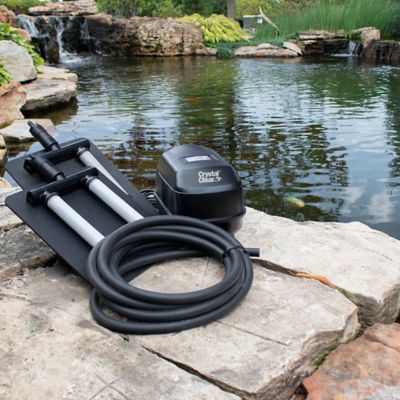
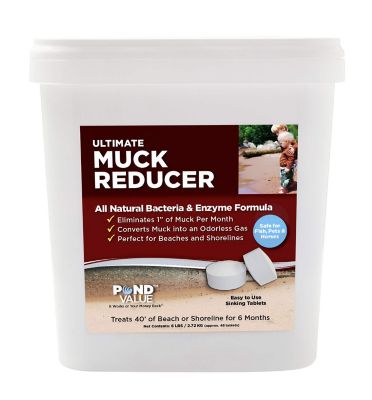
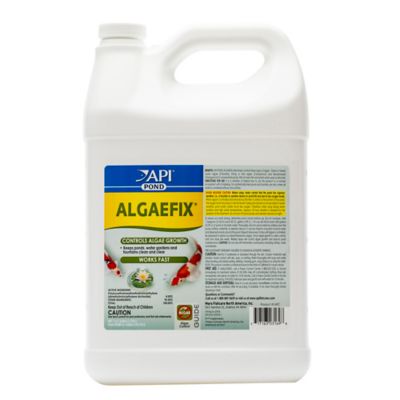
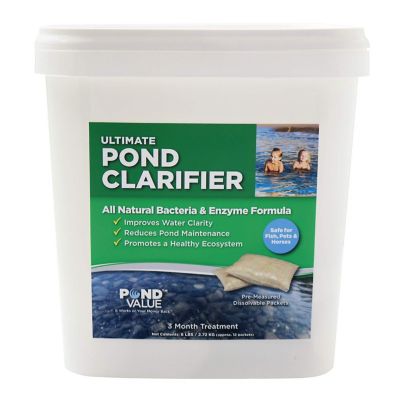
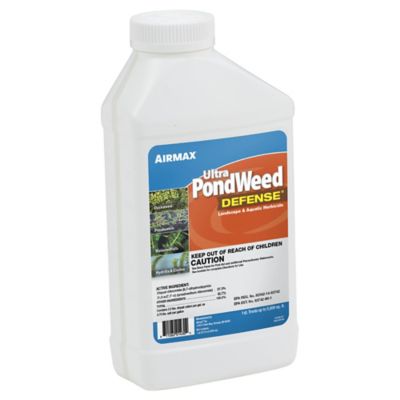
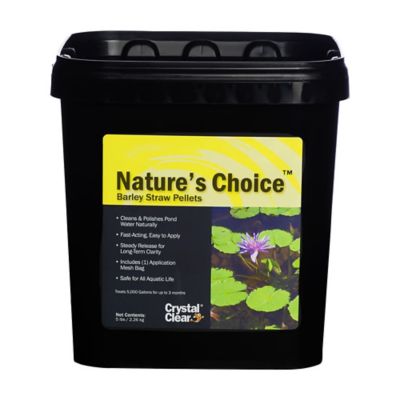
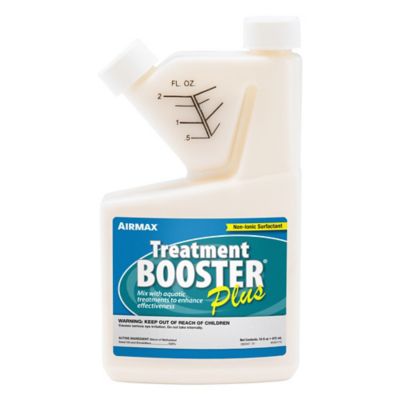
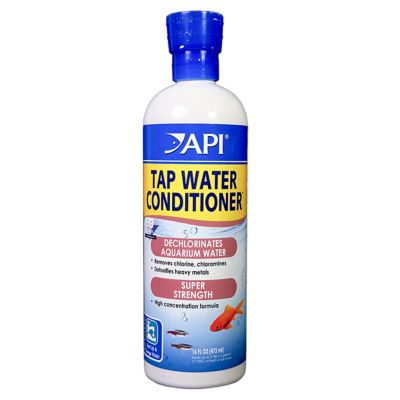
Clear-looking water is only part of a healthy koi habitat. Aeration kits support oxygen exchange by moving air through tubing to submerged diffusers, helping fish and the bacteria in biological filters get the oxygen they need. Pond depth, air pump output and diffuser placement influence how well a system performs, while an accessible location helps keep the air pump protected according to its outdoor-use requirements. A bubbling surface can be reassuring, but water testing provides information that appearance alone cannot. Test supplies for ammonia, nitrite, nitrate and pH help pond owners spot changes after heavier feeding, filter maintenance or the addition of fish. Temperature readings also provide useful context as conditions cool and koi activity slows. UV clarifiers serve a separate purpose: they target suspended algae that can turn pond water green. They do not remove every type of algae or take the place of filtration, debris removal and sensible feeding. Matching a clarifier to pond volume and the manufacturer’s flow requirements helps water receive the intended exposure, and accessible lamp housings and quartz sleeves make scheduled care more manageable. Water treatments also have distinct jobs. Dechlorinators address chlorine or chloramine in replacement tap water when labeled for those disinfectants, while beneficial bacteria products support biological processes under suitable conditions. Labels should clearly cover koi ponds, treatment volume and compatibility with fish, plants and other pond equipment. Pond gallon estimates matter here, since a long, irregular shoreline and shelves of different depths can make volume easy to misjudge. Automatic feeders can help keep portions consistent for pond owners whose chores carry them away from the house, but feeding still needs to follow water temperature, fish activity and the food label. Weather-resistant feed compartments, secure mounting and straightforward portion adjustments are practical features to compare. Together, these accessories support a steadier pond environment without treating clear water as proof that everything below the surface is in balance.
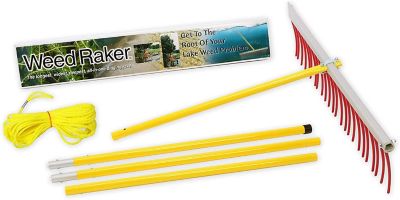
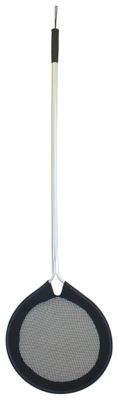
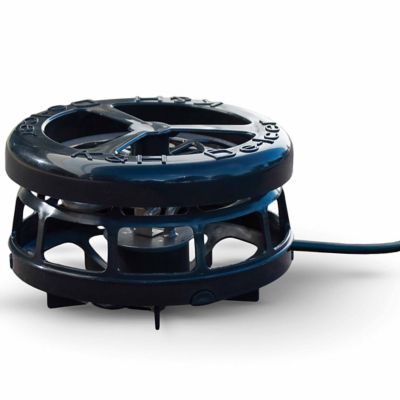
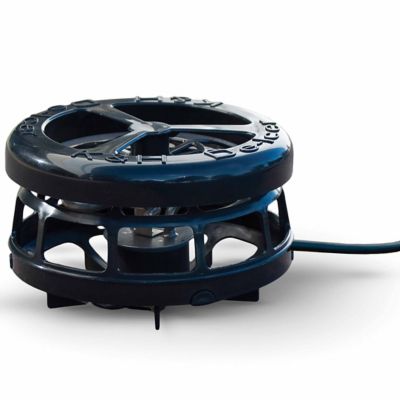
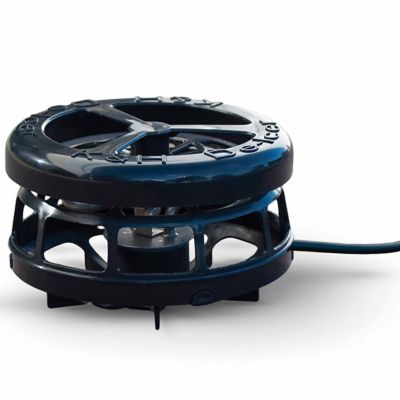
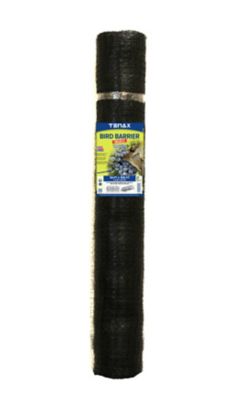
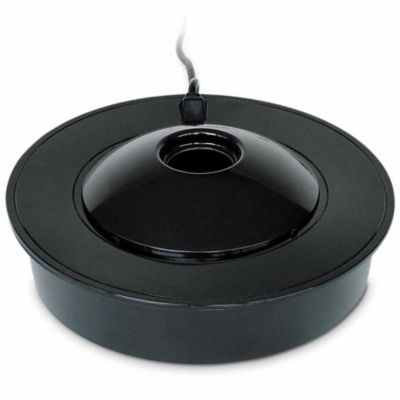
Hands-on maintenance accessories earn their keep when leaves gather along the pond edge or a windy afternoon sends twigs into the water. Surface skimmers collect floating debris before it settles, while leaf nets and long-handled tools reach places that are awkward to access from shore. Handle length, head size and tool weight all affect comfort, especially around a wide pond or a bank with uneven footing. A broad net can gather leaves quickly, but fish handling calls for equipment designed to protect koi fins, scales and their protective slime coat. Smooth mesh and appropriate net depth matter more than simply choosing the largest opening. Pond vacuums offer another approach to settled debris, with hose reach, suction capacity and discharge arrangements determining how well they suit the layout. Removable parts that rinse clean and replacement components that match the original fittings can simplify ongoing care. Keeping biological filter media separate from harsh cleaning agents helps protect the bacteria that support the pond, and many systems call for gently rinsing that media in pond water rather than chlorinated tap water. During the cooler months, pond netting can intercept falling leaves, provided it is secured, kept clear of the water and checked for trapped wildlife. Predator deterrents and protective covers may reduce access for visiting birds or other animals, though their effectiveness depends on placement and the pond setting. Where freezing weather is a concern, pond deicers are intended to maintain an opening for gas exchange rather than warm the entire pond. Winter aeration placement also matters, since deep circulation can disturb warmer water near the bottom; equipment instructions and local climate should shape the setup. Outdoor electrical accessories need pond-appropriate ratings, GFCI protection and connections kept clear of standing water. For a pond keeper who enjoys watching koi glide beneath the surface after a day’s work, practical maintenance tools can make a thoughtful gift when the pond size and existing equipment are known. The best fit is equipment that serves a clear purpose, feels manageable at the water’s edge and supports consistent care through changing weather.