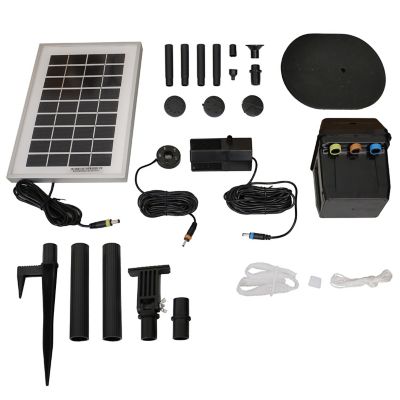
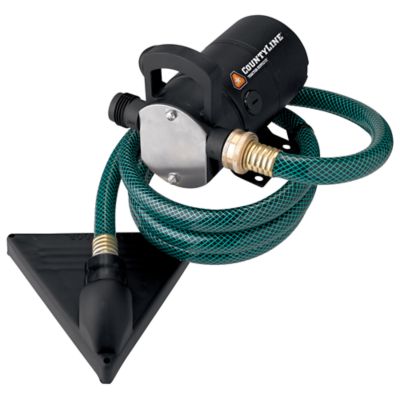
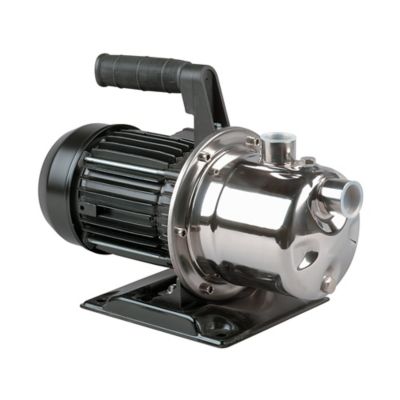
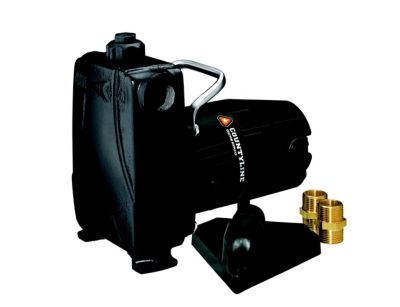
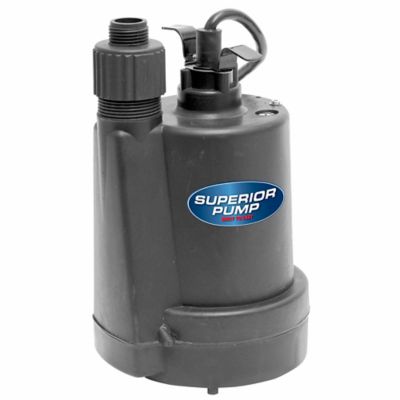
Small pond pumps help keep water moving, fresh-looking and useful throughout a backyard pond, stock-tank water garden, patio basin or small decorative water feature. Moving water can support circulation, send water through a filter, feed a skimmer, or create the steady sound of a fountain or short waterfall. It can also help keep the surface from becoming stagnant, especially during warm weather when still water may collect leaves, dust and other debris. When comparing small pond pumps, start with the size of the pond and the job you want the pump to handle. Pump capacity is usually listed in gallons per hour, or GPH, which tells you how much water the pump can move under ideal conditions. A practical starting point is choosing enough capacity to circulate the pond’s full volume at least once each hour. For example, a pond holding about 500 gallons may call for a pump rated around 500 GPH or higher. That estimate is only a starting point because the pump’s actual output can drop when water must travel through tubing, fittings, a filter or a rise in elevation. A pump rated at 800 GPH at the outlet may move considerably less water when it has to push water several feet uphill to a waterfall. Check the pump curve or lift information before buying, and leave some room above the bare minimum when your setup includes a long run of hose or a feature that needs a stronger stream. For a waterfall, a common planning guideline is roughly 100 GPH for each inch of waterfall width, though the desired look makes a difference. A narrow, gentle trickle needs less water than a broad, lively sheet flowing over a rock ledge. Measuring the pond and sketching the layout before shopping can save a trip back to the store. Estimate the pond’s gallons, measure the vertical distance from the pump to the highest outlet, and note the size and length of the tubing you plan to use. Those details make it easier to match a pump to the real setup instead of relying on the number printed on the box alone.
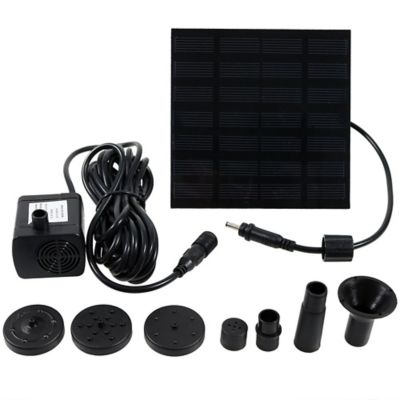
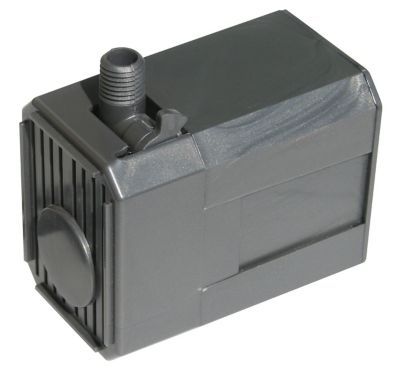
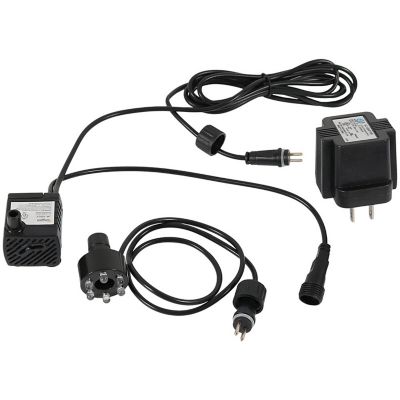
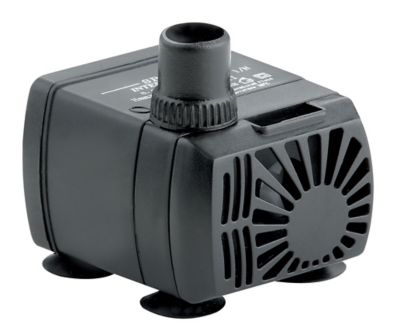
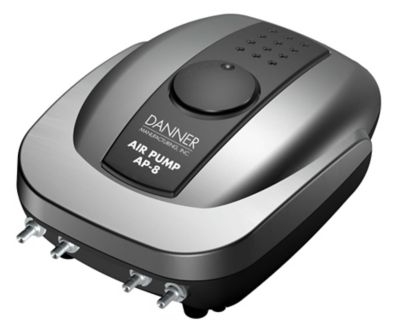
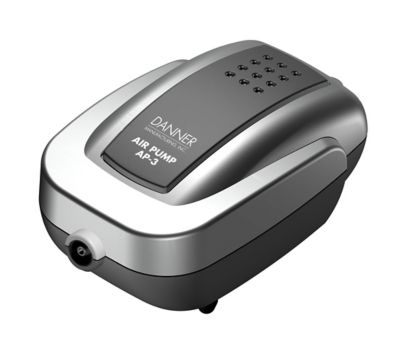
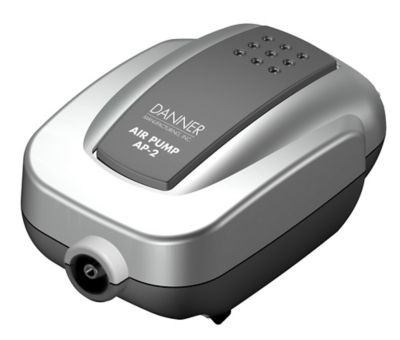
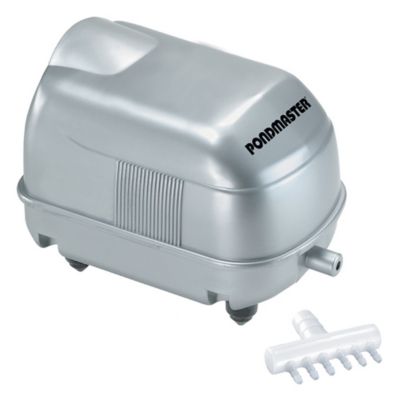
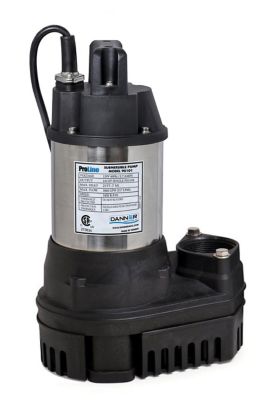
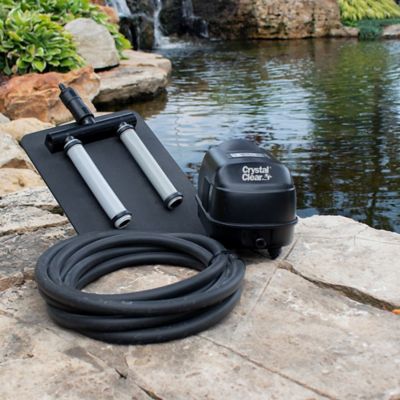
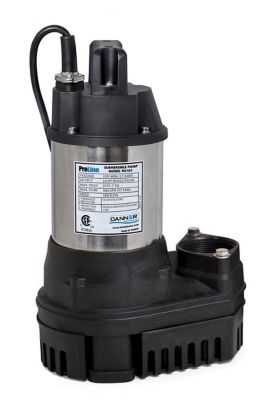
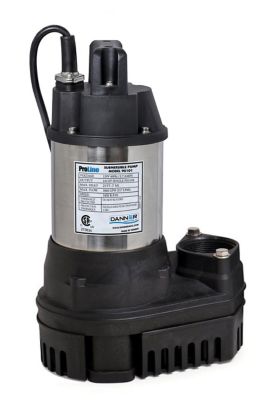
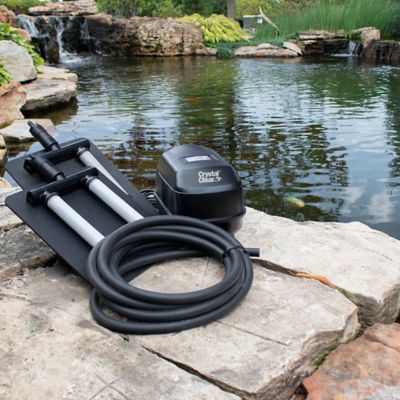
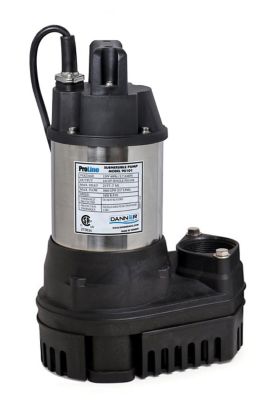
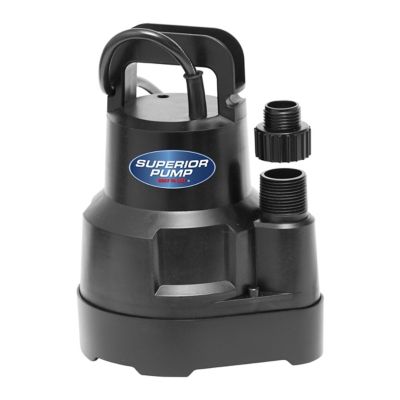
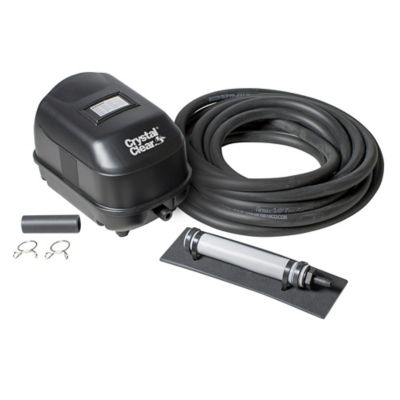
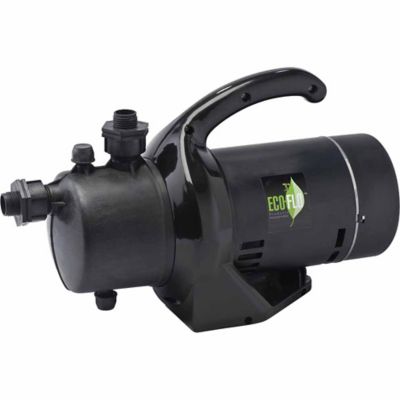
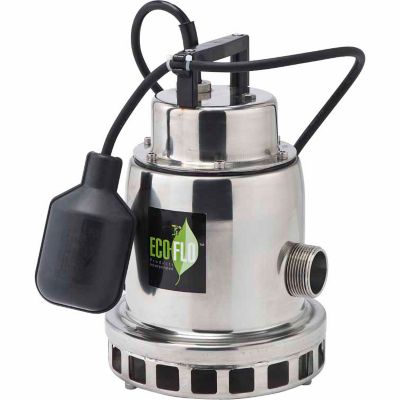
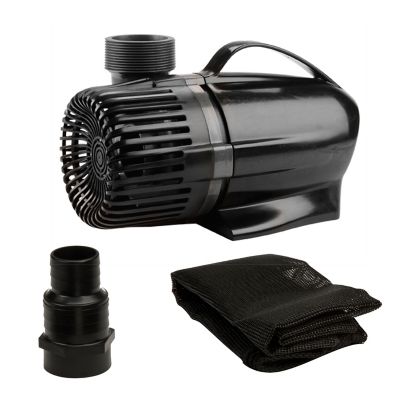
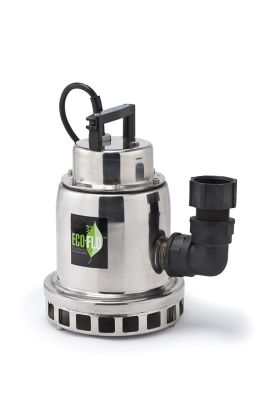
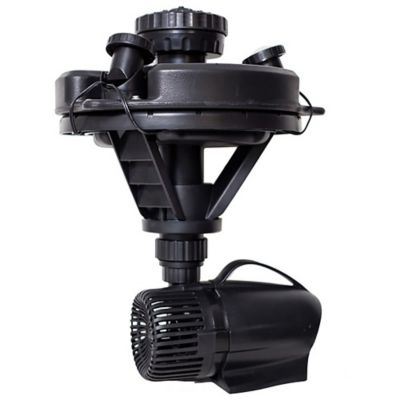
For many compact ponds, a submersible pump is a simple, convenient choice. These pumps sit directly in the water, take up little space and can often be tucked behind a rock, inside a pump vault or beneath a protective screen. They are handy for small water gardens and seasonal features because installation usually involves placing the pump, connecting tubing and plugging it into a properly protected outdoor outlet. Some models include adjustable flow controls or interchangeable fittings, which can make it easier to fine-tune a fountain spray or reduce the force of water moving through a small filter. External pumps sit outside the pond and may be a better fit when the pump needs to remain easy to reach, when the water feature requires more plumbing or when the setup has limited room inside the basin. They can also be useful where regular cleaning and adjustments are part of the routine. Whichever style fits your pond, look for a pump designed for continuous water use and check that the outlet, cord and connections are rated for outdoor conditions. Use a ground-fault circuit interrupter, keep electrical connections away from standing water, and follow the installation instructions for safe placement. Never let a pump run dry; water helps cool and protect many pump motors. A raised intake or pump cage can help keep leaves, gravel and stringy debris from clogging the inlet, while a pre-filter sponge can catch smaller bits before they reach the impeller. Keep in mind that a small pond pump is not always a complete water-care system. If your goal is clearer water, the pump may need to work with a biological or mechanical filter. A skimmer can help collect leaves from the surface, and an air pump with a diffuser can add oxygen without requiring a strong fountain stream. In very small ponds, gentle circulation and aeration may be more appropriate than a powerful jet that stirs up the bottom. Pumps can also be used to move water through a planted bog filter, run a compact stream or feed a spillway into a wildlife-friendly basin, provided the flow is suitable for the plants and animals in the area.
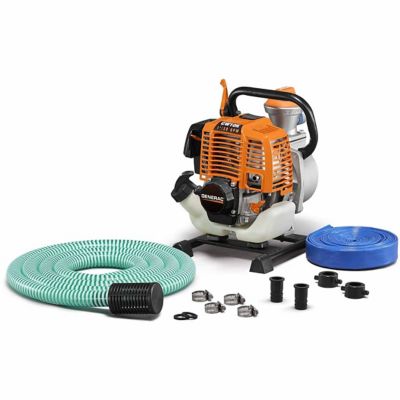
Choosing a small pond pump often comes down to matching the equipment to the way you enjoy the space. A homeowner building a first water garden may want a quiet, low-maintenance pump that fits in a shallow basin and creates a soft ripple near a porch or garden path. Someone caring for a small fish pond may place more emphasis on steady circulation, dependable operation and compatibility with filtration. A gardener adding a short waterfall may need extra lift capacity and flexible tubing, while a person refreshing a patio fountain may care most about compact size, adjustable flow and easy cleaning. These pumps can also make a thoughtful gift for a friend who enjoys gardening, backyard projects, bird-friendly landscaping or weekend pond maintenance. A pump paired with tubing, a filter insert or a few water-feature accessories can give a new pond keeper a useful starting point without committing to a large installation. During the warmer parts of the year, check the intake and remove leaves or algae before they restrict flow. During cooler months, inspect the pump more often if falling leaves are collecting on the water, and follow the manufacturer’s guidance about freezing temperatures. In areas where the pond may freeze, the pump may need to be removed, stored properly or positioned to avoid damage from ice. Cleaning the intake, impeller and housing with pond water or clean water as directed can help maintain performance; harsh cleaners may leave residues that are harmful to fish, plants or beneficial microorganisms. Keep an eye on changes in sound, water movement and spray pattern, since a rattling noise or weak flow can signal debris, a kinked hose, a clogged filter or a pump working against too much lift. For broader household, livestock and utility applications, shoppers may also want to compare the selection of
Small Water Pumps. With the right GPH rating, lift capacity, placement and maintenance routine, a small pond pump can keep a modest water feature moving naturally and make the whole area feel more alive, from the first gentle ripple in the morning to the quiet sound of water settling after sunset.