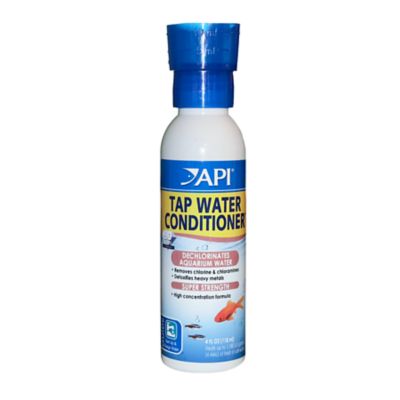
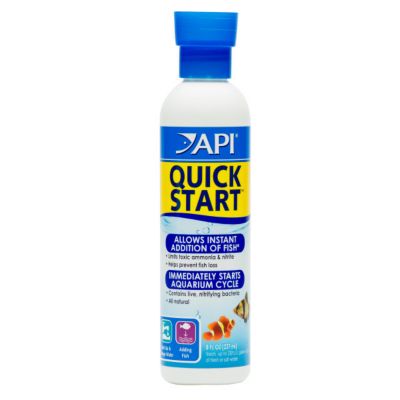
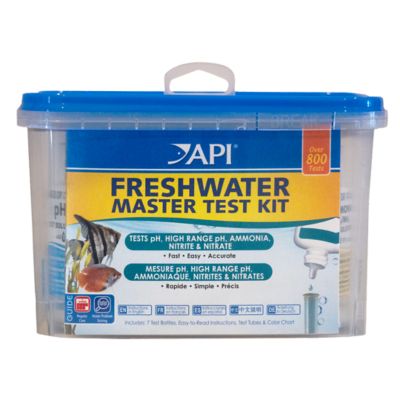
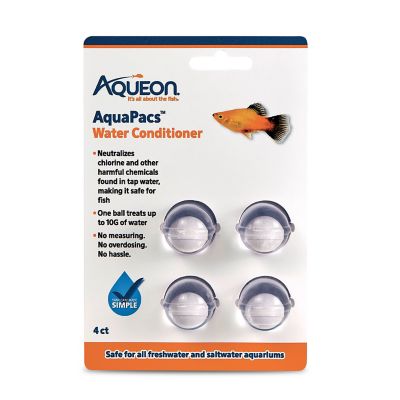
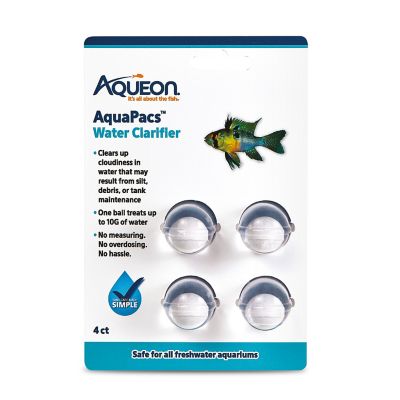
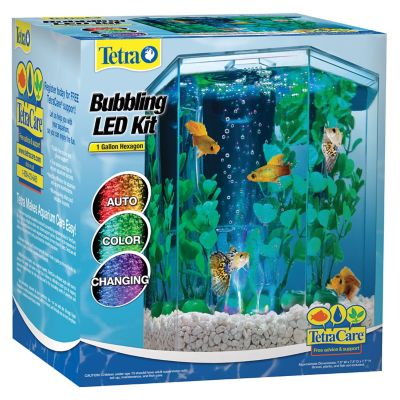
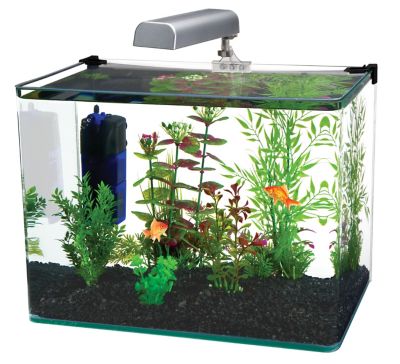
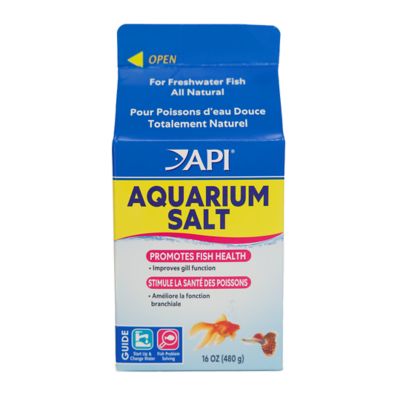
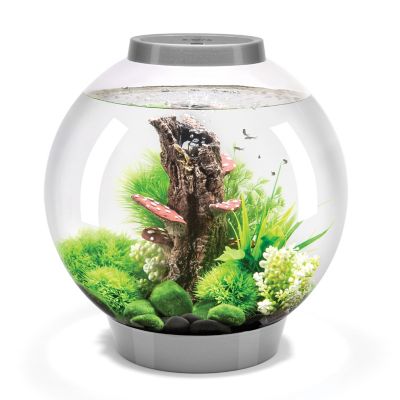
Essential fish tank supplies include an aquarium, a secure lid, a filter, water conditioner, water test kits, fish food, and cleaning tools, with heating and lighting matched to the fish and plants. Together, these supplies support the everyday needs of an aquatic habitat, whether it holds a few freshwater fish or a more involved saltwater setup. Aquarium starter kits bring several components together, while separate equipment allows for a setup matched to particular species, tank dimensions, and household space. The right combination depends on more than how many gallons a tank holds. A fish’s adult size, swimming habits, waste output, and preference for open water or sheltered spots all affect the supplies that make sense. A small aquarium can experience changes in water conditions faster than a larger one, so compact setups still need dependable attention and properly sized equipment. Water conditioner addresses chlorine and, when labeled for it, chloramine in tap water. Testing supplies help track conditions such as ammonia, nitrite, nitrate, and pH, giving fishkeepers a clearer picture than water appearance alone. Clear water can still contain substances that harm fish, and test results help explain changes that are otherwise easy to miss. Beneficial bacteria support biological filtration by processing fish waste, making filter media and other suitable surfaces important parts of the habitat. Bacterial supplements may support a new setup, but they do not take the place of checking water conditions as the aquarium becomes established. Freshwater and saltwater systems also have different requirements; marine setups need an appropriate salt mix and equipment for checking salinity, along with other supplies suited to their inhabitants. For a first aquarium in a family home or an established tank tended by a longtime fishkeeper, the goal stays much the same: equipment that fits the habitat and makes regular care manageable. Species-specific needs matter more than matching every tank to the same shopping list, especially when fish, live plants, shrimp, or snails share the space.
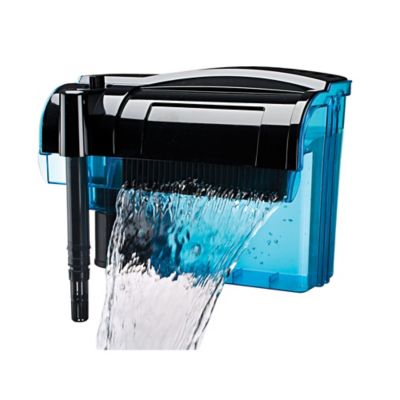
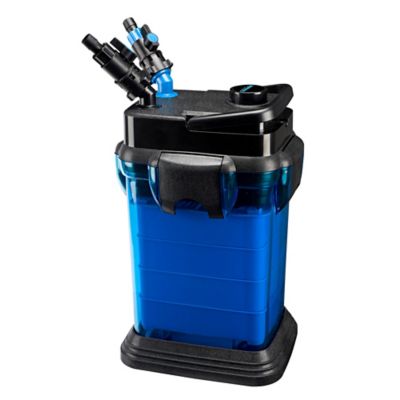
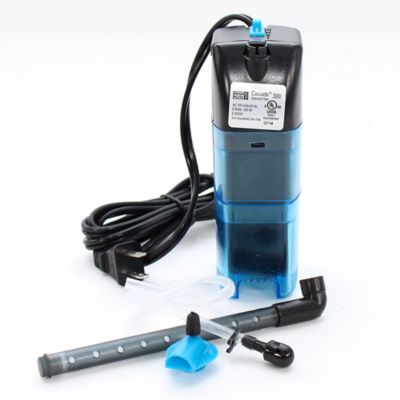
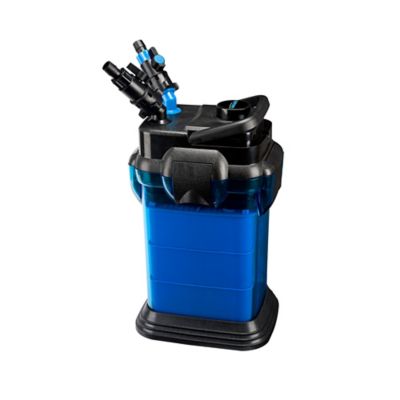
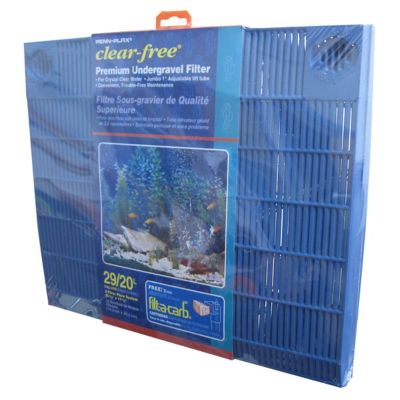
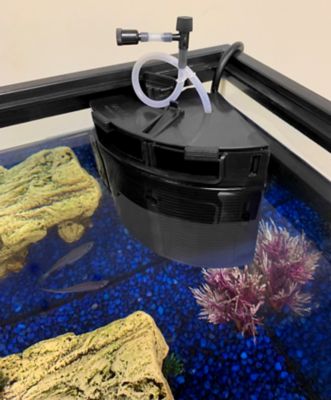
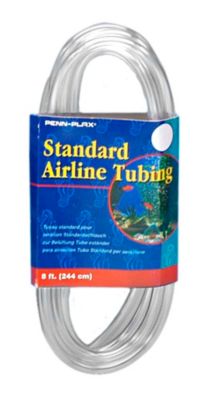
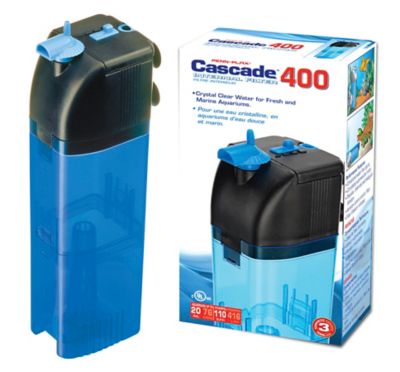
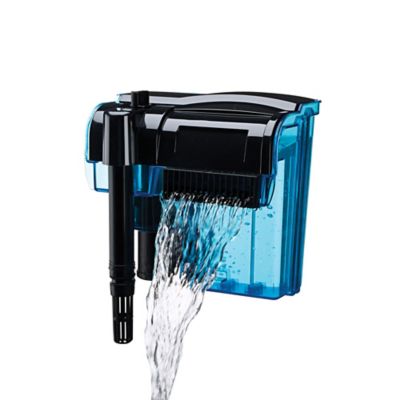
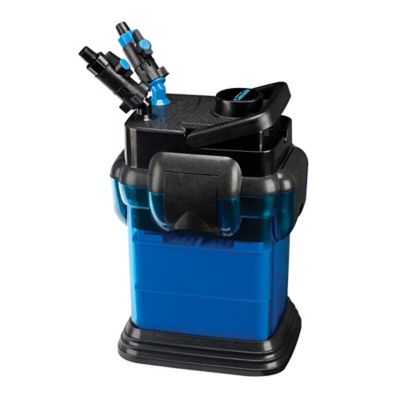
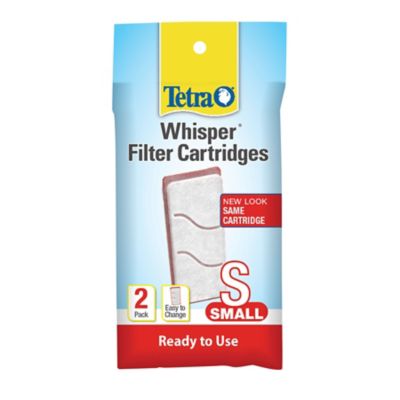
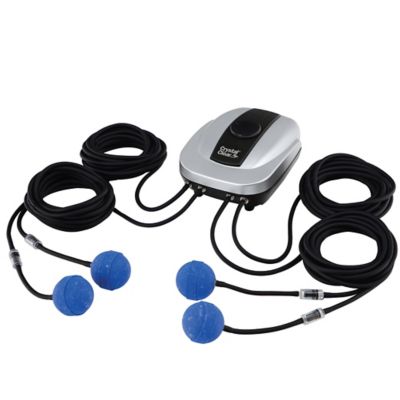
Tank construction, equipment fit, and access for cleaning make a real difference once an aquarium becomes part of the room. Glass offers a clear viewing surface that generally resists scratches better than acrylic, while acrylic weighs less and calls for cleaning tools that will not mark its surface. Either material needs level support designed for the filled aquarium’s weight, including water, substrate, and furnishings. A lid helps limit splashing and jumping, but its openings also need to accommodate filter connections, cords, feeding access, and the needs of the tank’s inhabitants. Filtration does much of the behind-the-scenes work. Mechanical media catches suspended debris, biological media provides surfaces for beneficial bacteria, and chemical media serves particular purposes depending on its composition. Filter capacity and water flow should suit both the aquarium volume and its residents; a strong current that works for active swimmers may overwhelm fish that favor calmer water. Easy-to-reach media compartments and compatible replacement parts make upkeep less of a chore. Heaters are another consideration for species that need stable, warmer water, with size, placement, and tank volume affecting performance. A separate aquarium thermometer provides a way to monitor conditions rather than depending on a heater setting alone. Lighting serves both viewing and habitat needs, and planted aquariums call for attention to the light requirements of the plants themselves. A timer can keep the lighting schedule consistent without leaving the tank lit around the clock. Air pumps, tubing, check valves, and air stones may also play a role where added surface movement or air-driven filtration fits the setup. Throughout the equipment choices, materials intended for aquarium use, secure fittings, intact seals, and housings suited to their operating conditions are worth attention. A filter that fits behind the tank but cannot be opened beneath a shelf can turn a simple cleaning job into an awkward one.
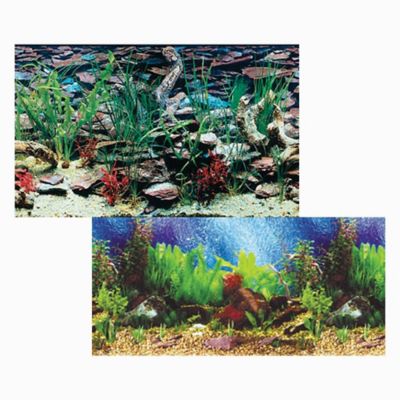
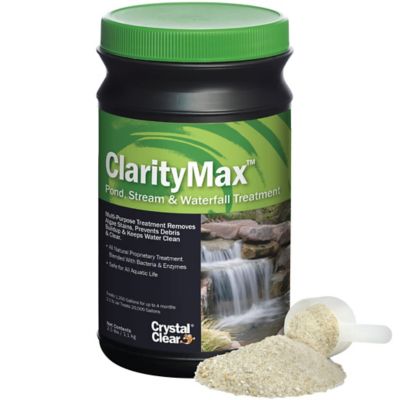
Substrate, shelter, food, and maintenance supplies round out a fish tank in ways that are practical as well as pleasing to look at. Sand, gravel, and plant-focused substrates create different bottom conditions, and the best fit depends on the fish and plants rather than color alone. Bottom-dwelling species may need smooth material that will not scrape sensitive barbels, while rooted plants need a substrate suited to their growth. Aquarium-safe rocks, wood, and ornaments can provide cover and break up sightlines, giving fish places to retreat instead of leaving every corner exposed. Smooth edges, openings large enough for the intended fish, and stable placement matter, particularly as young fish grow. Live plants and artificial plants each have their place; live plants bring additional lighting and nutrient considerations, while artificial options still need fish-safe surfaces and regular cleaning. Food choices also depend on the inhabitants. Floating, slow-sinking, and sinking foods reach different feeding zones, and portions suited to fish size help limit leftovers settling into the substrate. Containers that close securely help protect food between feedings, while smaller nets and feeding tools can make everyday tasks easier around dense planting or narrow openings. For cleanup, gravel vacuums and siphons remove settled debris during water changes, and aquarium-safe scrapers address buildup on viewing panels. Dedicated buckets and tools help keep household cleaning chemicals away from the water. A long-handled tool can be handy when the back glass sits beyond an easy reach, while a compact siphon may be a better fit for a smaller aquarium. Replacement tubing, suction cups, seals, and filter media deserve the same attention to compatibility as the main equipment. For someone who already keeps fish, maintenance supplies matched to their setup can make a thoughtful gift without adding another animal to care for. Separate outdoor habitats have their own equipment needs, and
Fish Pond Supplies covers that different setting. For an indoor aquarium, well-matched supplies help keep the focus on the fish rather than a struggle with equipment that does not fit.