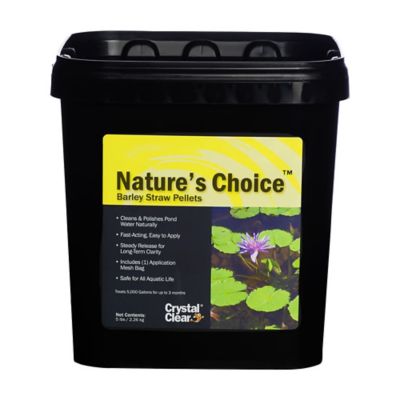
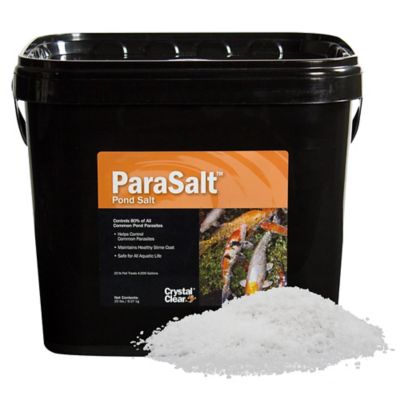
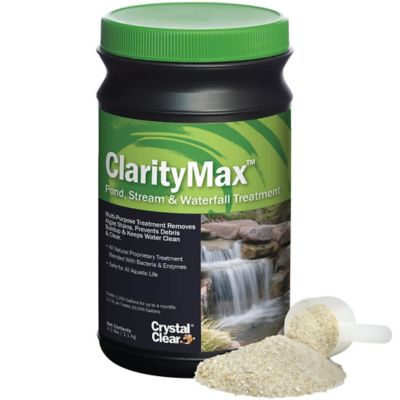
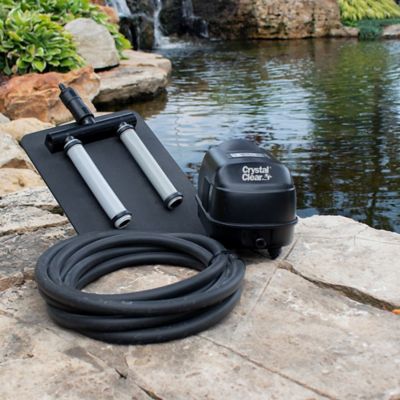
Backyard pond supplies can help turn a plain corner of the yard into a lively little water garden, whether you are starting from bare ground or caring for a pond that has been part of the landscape for years. A small decorative pond beside the porch calls for different supplies than a larger water feature with fish, plants and a steady stream of visitors from the local wildlife. Before choosing anything, take a few measurements and think about the pond’s approximate length, width and depth, since water volume affects filtration, treatment amounts and equipment capacity. A simple garden pond may need only basic circulation and water care, while a deeper or larger setup may benefit from more robust filtration, aeration and circulation. Consider how much sunlight reaches the water, whether leaves and grass clippings tend to blow in, and if the pond sits near trees, livestock areas or a vegetable garden. Those details can shape the kind of maintenance supplies that make sense. Families often use backyard pond supplies when building a peaceful gathering spot, adding texture around a patio or creating a habitat for frogs, birds and beneficial insects. They can also make a thoughtful gift for a new homeowner, an avid gardener or the neighbor who is always improving the yard one project at a time. For related planting and water-garden needs, browse
Aquatic Garden Supplies to help bring the edges of a pond to life.
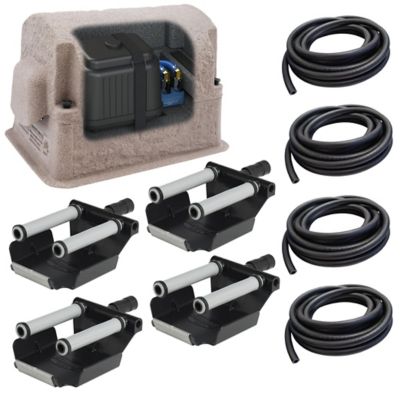
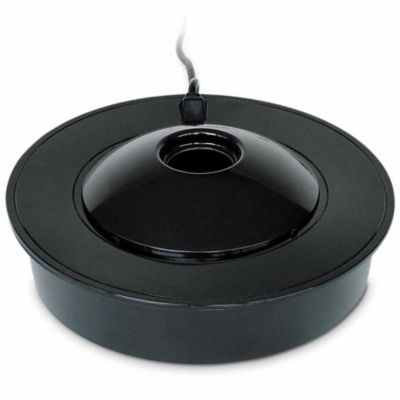
For a new pond, start by matching supplies to the planned design rather than buying based on appearance alone. A pond liner or basin needs to fit the footprint and depth of the excavation, with enough room for a stable edge and natural-looking border. Circulation equipment should be sized for the water volume and the height or distance the water must travel, especially when a stream, waterfall or fountain is part of the plan. Filtration helps capture debris and support clearer water, while aeration adds oxygen that supports fish and other pond life. Protective edging, netting and sturdy fittings can help keep the setup secure and make routine care easier. If fish are part of the plan, account for their space, shelter and waste load before filling the pond, and follow directions for any water conditioner or treatment used during setup. A small pond tucked into a sunny flower bed may warm and collect debris more quickly than a shaded pond beneath mature trees, so placement matters just as much as equipment. Keep electrical connections and cords suited for outdoor use, place them where standing water cannot reach them, and follow all safety instructions. Building in stages can be easier on the budget and the back: establish the basin and circulation first, then add plants, decorative stone and other finishing touches once the water is moving. That approach also gives you a chance to watch how sunlight, runoff and falling leaves affect the pond before committing to a final layout.
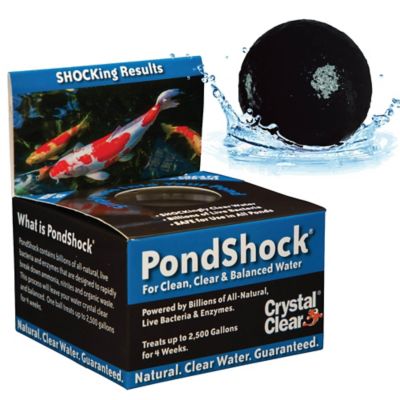
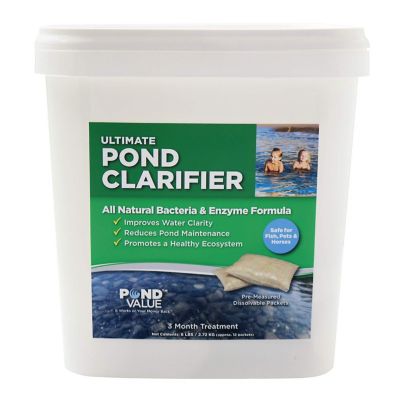
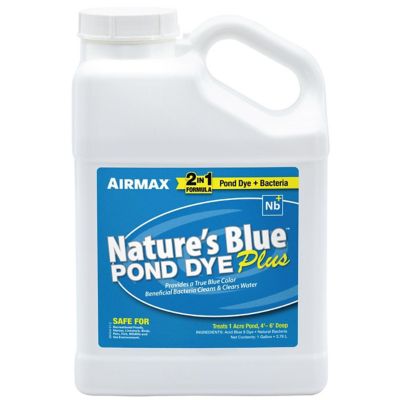
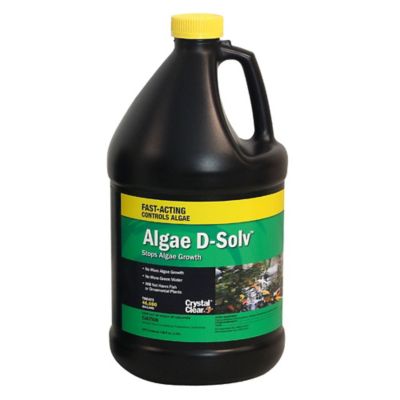
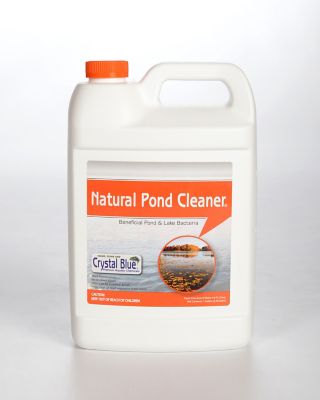
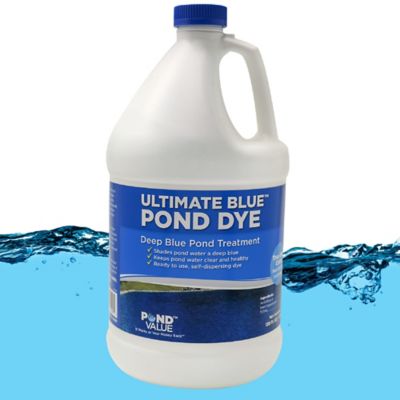
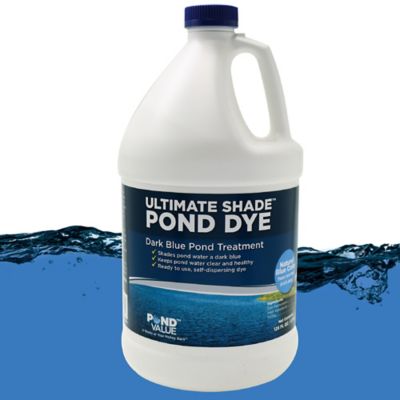
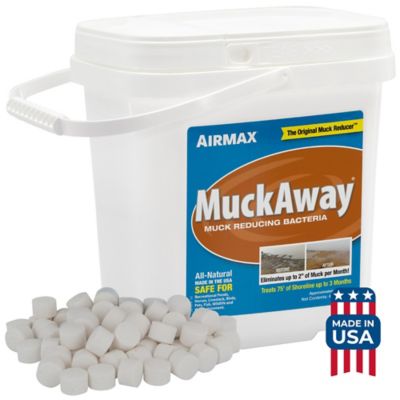
An established pond still needs steady attention as the seasons shift from warm afternoons into cooler weather. Skimming leaves and twigs before they sink can reduce the organic material that breaks down in the water, and checking pumps, tubing, filters and aeration equipment helps catch small problems before they become a muddy, stagnant mess. Water treatments should always be selected and measured according to the pond’s gallon capacity, the label directions and whether fish, plants, pets or wildlife use the water. Avoid adding anything simply because the water looks a little different; cloudy water, algae and odor can have several causes, including excess nutrients, poor circulation, runoff and decomposing debris. During cooler months, fish generally become less active and may need different feeding practices, while plants can slow down or go dormant. Remove damaged plant material, keep heavy leaf buildup from collecting on the surface and protect equipment according to the manufacturer’s instructions and local weather conditions. In areas that experience freezing temperatures, pond owners may need to plan for ice, maintain an opening for gas exchange and decide whether certain equipment should remain in operation or be stored. A shallow decorative feature may require a different cold-weather routine than a deep pond with fish, so the pond’s size, depth and inhabitants should guide the plan. With the right backyard pond supplies close at hand, routine care becomes less of a chore and more like tending a favorite part of the homestead—the quiet splash of moving water, the flicker of a fish beneath the surface and the first bird stopping by for a drink.