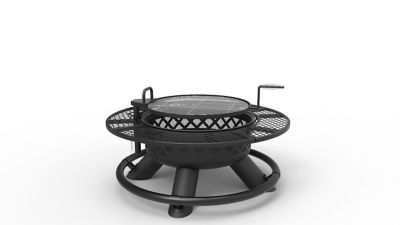
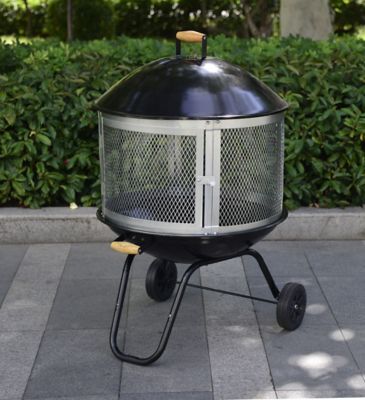
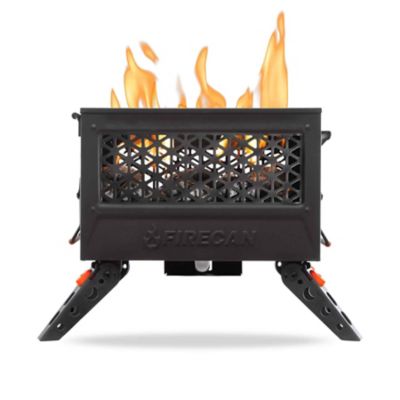
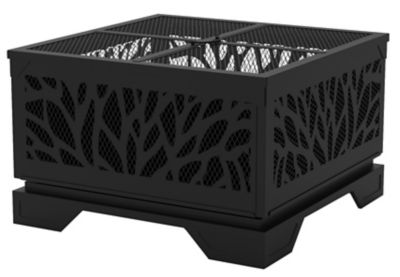
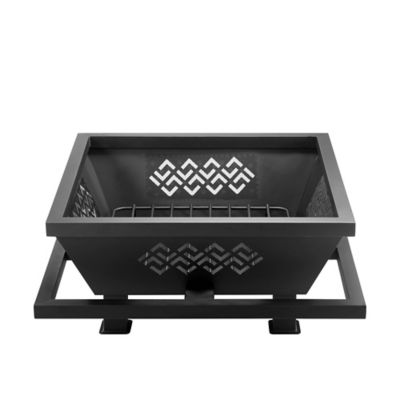
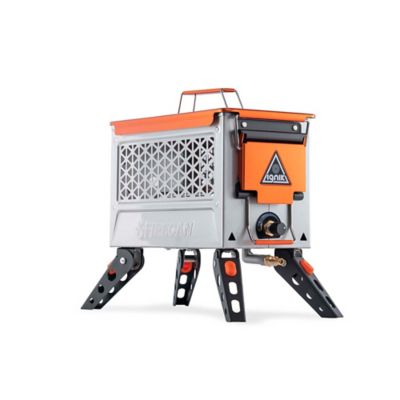
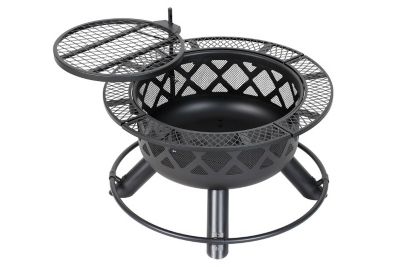
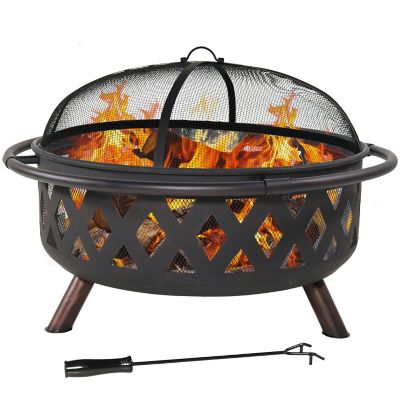
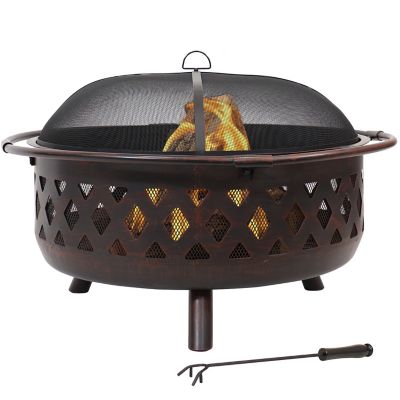
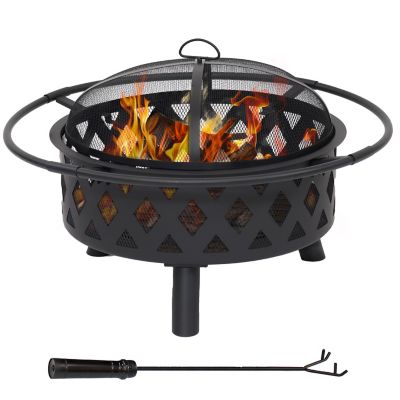
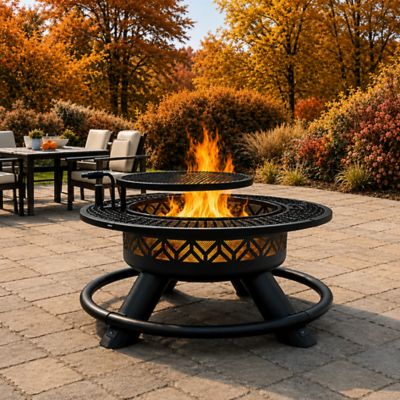
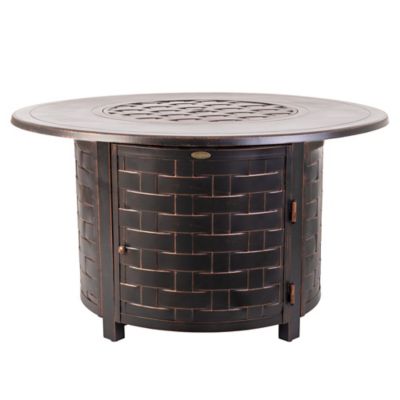
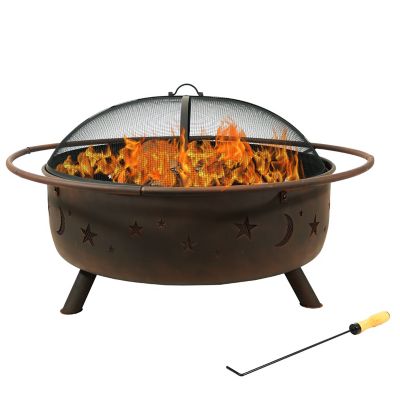
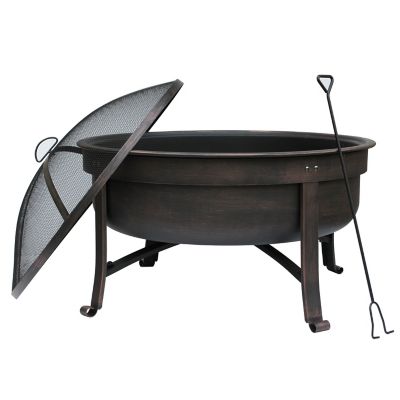
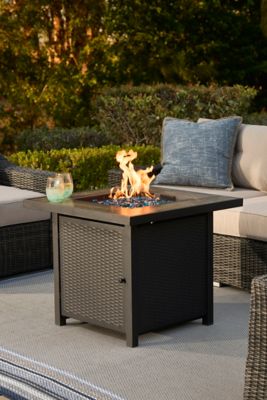
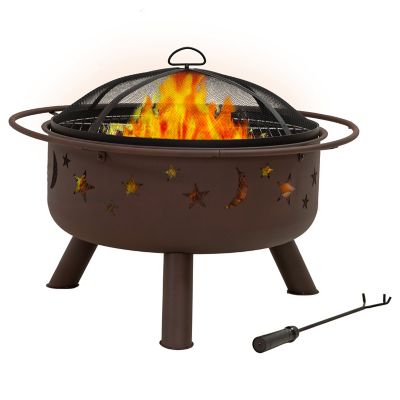
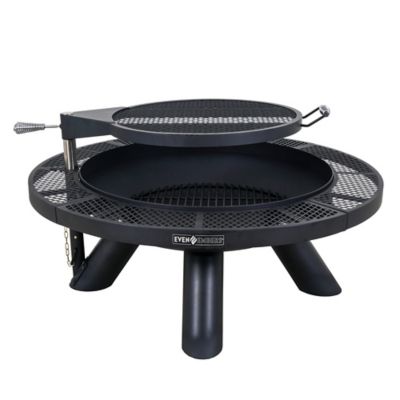
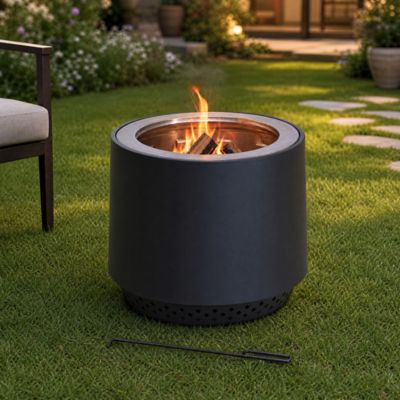
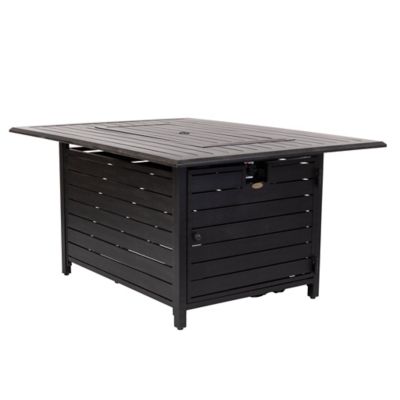
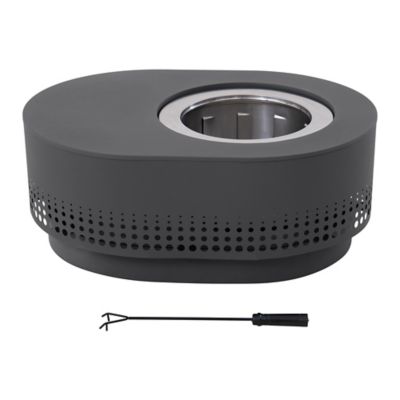
Fire pits are outdoor fire features that burn wood, propane or natural gas, creating a place for heat, light and conversation in a backyard or gathering area. Styles range from open fire bowls and freestanding designs to fire tables with space around the burner for setting down a drink. The best fit depends on the fuel you prefer, the space around your seating and how much tending you enjoy once everyone settles in. For folks who like stacking split logs and listening to a fire crackle,
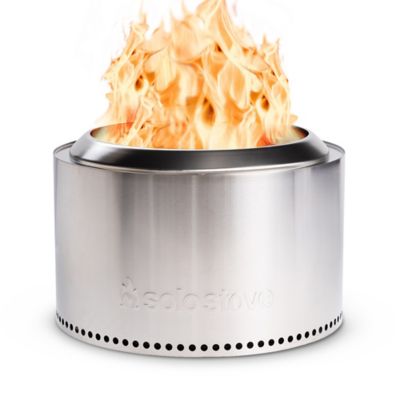
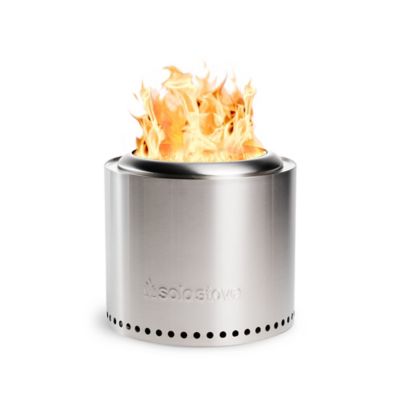
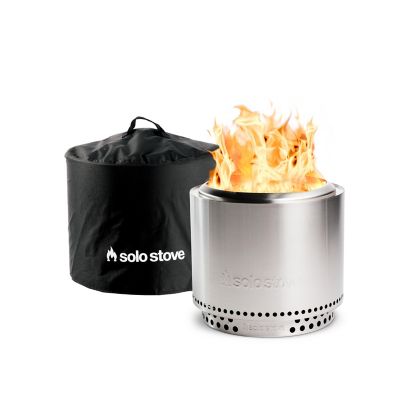
Wood Burning Fire Pits offer a traditional campfire feel close to home. They need space for firewood storage, room for smoke to disperse and attention to feeding the fire and handling ashes afterward. Propane fire pits offer adjustable flames without logs or ash, making them a practical match for a patio where a quick start and straightforward shutdown matter. Depending on the design, the propane cylinder may sit inside the base or connect from a separate position nearby. Natural gas fire pits connect to a dedicated supply line and suit a permanent gathering spot, with installation handled by a qualified professional according to local requirements. Fuel types are not interchangeable unless the fire pit is specifically designed and approved for conversion. Smokeless fire pits are another option within the wood-burning category. Many have double-wall construction that directs heated air back toward the fire to burn more of the smoke, though startup, damp wood and an overloaded fire can still produce smoke. Across these styles, the experience can be quite different: a deep bowl puts the focus on a bed of glowing logs, while a gas fire table keeps the flame contained within a burner area. A couple of chairs beside a small patio calls for a different footprint than a broad seating circle where family and neighbors gather after the chores are done. Considering both the fire itself and the way people gather around it helps narrow the choice.
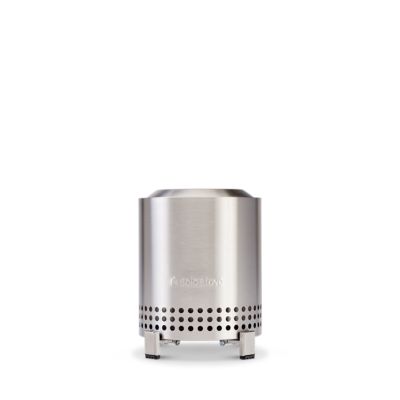
Materials and construction affect a fire pit’s weight, upkeep and ability to stand up to repeated heating and cooling. Steel is common because it allows for a wide range of shapes, from simple round bowls to tall-sided designs with cutout patterns. Painted or powder-coated surfaces need care according to the manufacturer’s directions, particularly around scratches and areas exposed to direct heat. Stainless steel offers resistance to corrosion, but it still needs cleaning and can develop heat discoloration. Cast iron has substantial weight and holds heat after the flames settle, making it better suited to a spot where frequent moving is not part of the plan. It also needs protection against rust. Stone, concrete and masonry-style surrounds create a more substantial appearance, though their weight and installation requirements deserve a close look before placement. Overall dimensions tell only part of the story. Bowl depth, firebox size, base width and the space required around the flames all affect how a fire pit fits into a yard. A broad rim may provide separation from the fire, but it does not mean that surface stays cool. For gas designs, the BTU rating describes heat input rather than guaranteeing how warm every seat will feel; burner layout, seating distance and the surrounding space also matter. A well-planned setup leaves room to pull chairs back, walk past seated guests and reach the controls without leaning over the fire. Placement belongs on a level, stable, noncombustible surface that meets the manufacturer’s requirements, with the specified clearance from buildings, fences, overhead branches and other combustible materials. Outdoor fire pits do not belong inside a garage or other enclosed space. Local burn rules, property restrictions and fuel-storage requirements can also affect the choice. Handles, folding legs and lighter construction can make a portable design easier to carry once it is completely cool, while a heavier base makes more sense for a gathering spot intended to stay put.
Regular care helps keep a fire pit ready for the next evening of swapping stories or roasting marshmallows. With wood-burning designs, dry, seasoned firewood burns more readily than damp logs and generally produces less smoke. Trash, treated lumber and painted wood do not belong in the fire. Clear air openings and a fire kept within the stated fuel capacity support proper burning, especially in designs that depend on airflow through the walls. Ash removal waits until the fire and embers are completely extinguished and cold; ash can conceal hot spots long after the visible flames disappear. A metal ash container with a tight-fitting lid provides a place for removed ashes, kept away from buildings and combustible materials. Gas fire pits call for care around the burner, ignition components, connections and fuel lines, with inspection and cleaning performed as directed by the manufacturer. Burner media must also be approved for the design rather than gathered from the yard, since unsuitable stones can crack or burst under heat. A fitted cover helps keep debris out between gatherings, but it belongs on a fire pit only after the unit is fully cool and dry. Accessories should match the fire pit’s dimensions and intended use. A spark screen can help contain flying embers from a wood fire, but it does not replace supervision or proper clearance. Cooking grates and roasting attachments belong only on fire pits approved for cooking, and any cooking surface needs its own cleaning routine. Long-handled tools allow more reach when tending logs, while a designated spot for them keeps the seating area clear. Children and pets need space away from hot surfaces, and an adult should stay with a burning fire. For a housewarming gift or a present for someone who enjoys hosting outdoors, a fire pit makes the most sense when the recipient’s space, preferred fuel and willingness to handle upkeep are already known. The right match gives people a comfortable place to pull up a chair without adding a setup or care routine that does not suit their home.