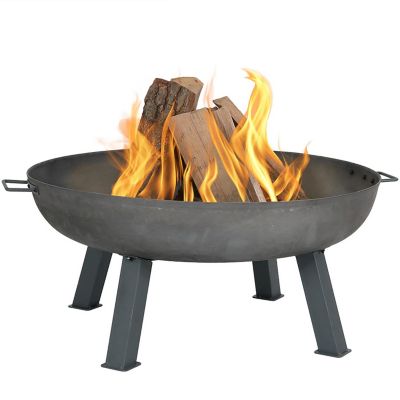
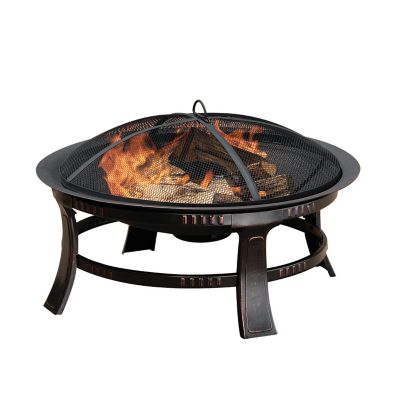
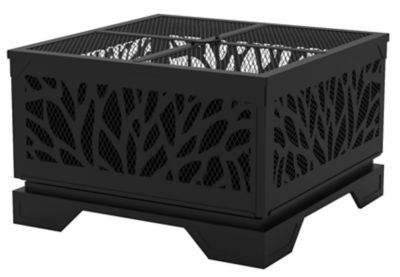
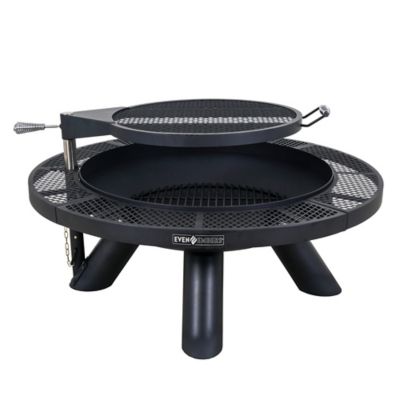
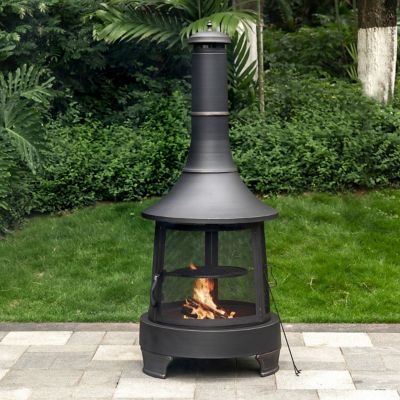
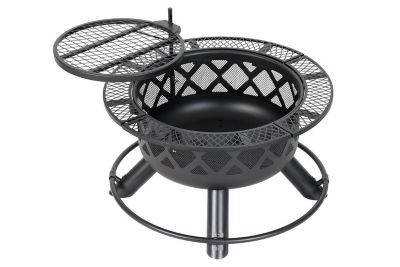
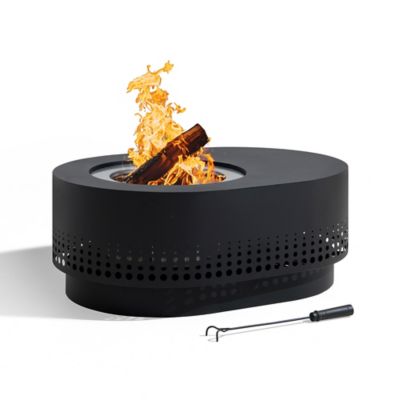
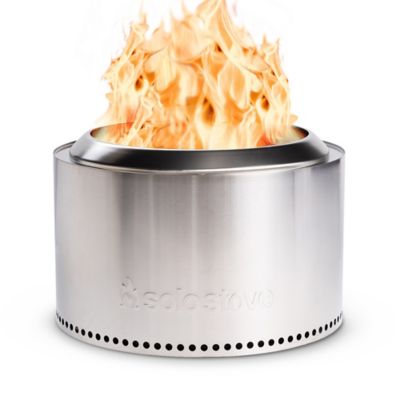
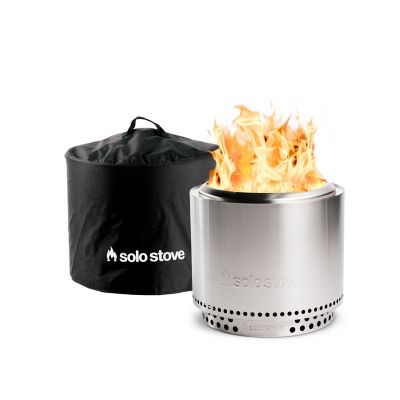
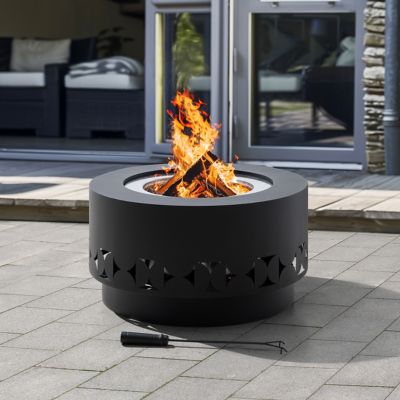
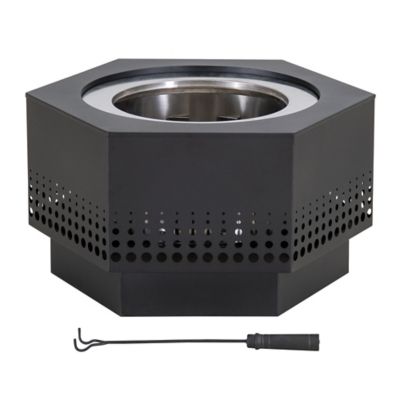
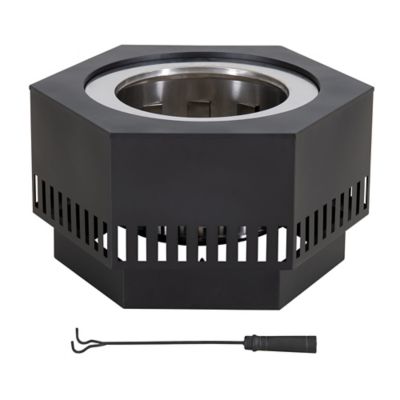
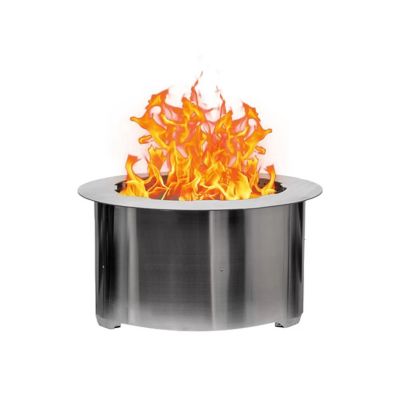
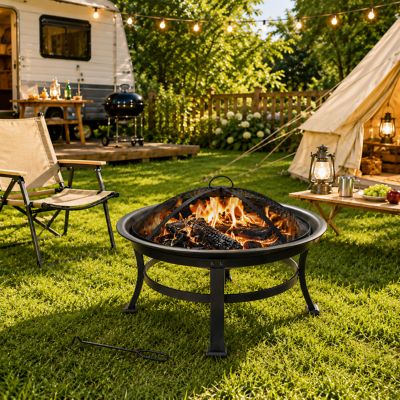
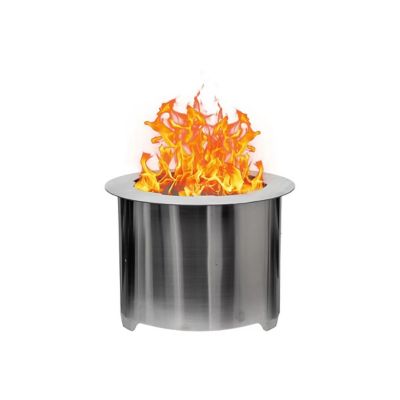
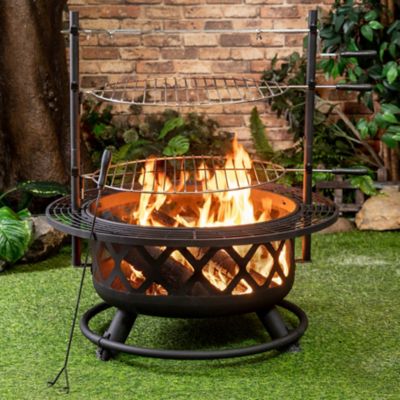
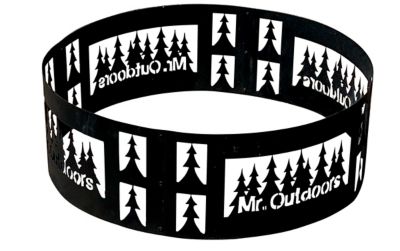
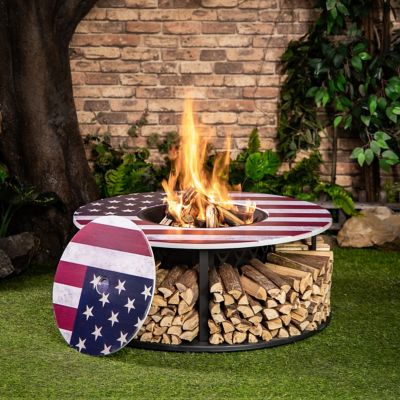
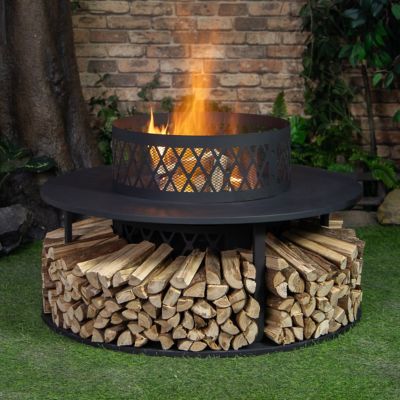
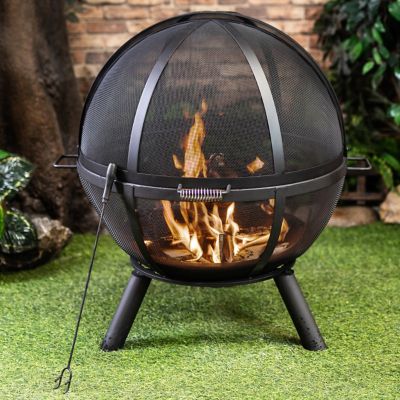
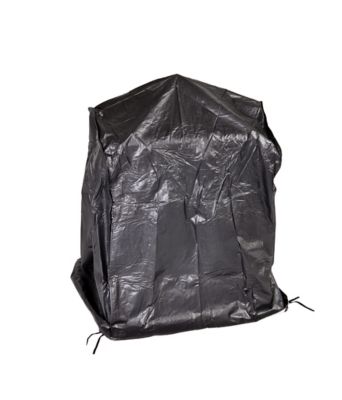
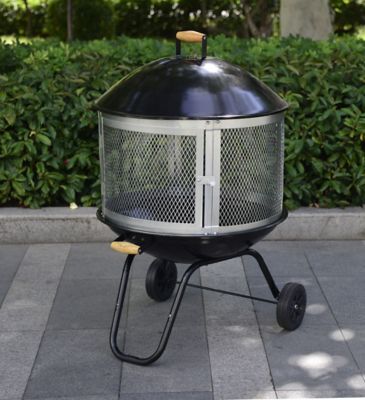
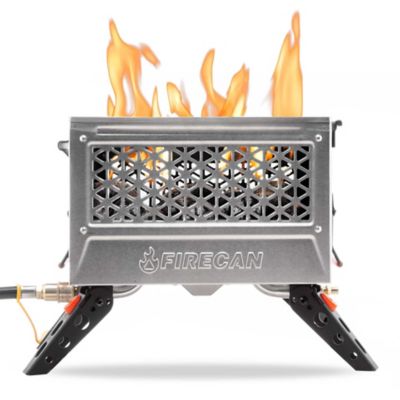
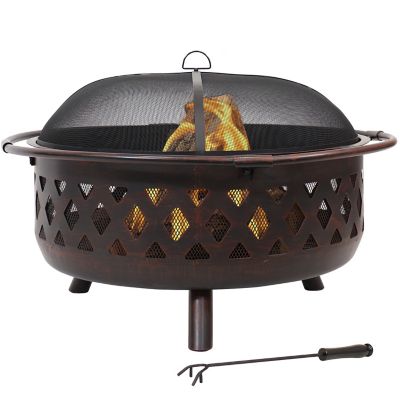
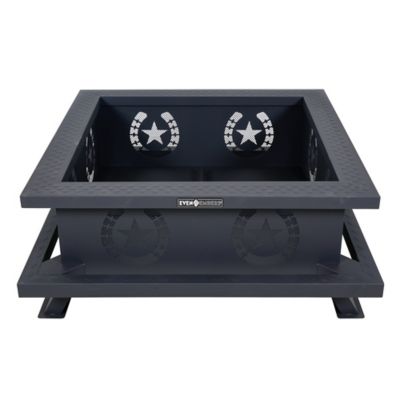
Wood burning fire pits bring a simple, back-porch kind of comfort to outdoor spaces. They give family and friends a place to gather when the air turns crisp, whether you’re warming up after feeding animals, settling in after a day of yardwork, or sharing a quiet evening on the patio. The snap of a burning log, the smell of woodsmoke, and the soft glow across the yard can make an ordinary night feel a little more special. A fire pit can be a practical addition for rural homes, cabins, campsites, and suburban backyards alike, offering warmth and a natural focal point without needing a complicated setup. When choosing one, start by thinking about where it will be used and how many people you usually host. A compact design may suit a smaller patio or a couple of Adirondack chairs, while a wider fire pit gives more room for a circle of seating and a bigger gathering. Look for sturdy construction made to handle outdoor conditions, along with a stable base that rests securely on a suitable, noncombustible surface. The overall shape matters, too. A broad, open bowl can make it easier to enjoy the flames from several directions, while a more contained design may help keep the fire neatly gathered. Consider the height, weight, and ease of moving the fire pit before bringing it home, especially if you plan to store it during wet weather or shift it around the yard. A cover can help protect it between fires, and a spark screen may provide an extra layer of protection by helping contain stray embers. Always check local fire rules, burn restrictions, and neighborhood requirements before lighting up, and leave plenty of clearance from buildings, fencing, low branches, dry grass, furniture, and other things that can catch fire.
The right fuel makes a difference in how a wood burning fire pit performs. Dry, seasoned firewood generally lights more easily and burns with less smoke than damp or freshly cut wood, which can smolder, pop, and leave more residue behind. Keep firewood stacked off the ground in a dry, well-ventilated spot, and avoid burning treated lumber, painted boards, plywood, trash, or anything that may release harmful fumes. For a convenient option made for outdoor fires, browse
Fire Logs For Fire Pits when planning your fuel supply. A long-handled lighter, fire starters, heat-resistant gloves, and a sturdy tool for tending the fire can make the whole experience more manageable, especially when the evening gets dark and chilly. Start with a small amount of kindling and gradually add larger pieces rather than packing the pit too full. A smaller, controlled fire is often more comfortable for conversation and easier to manage than a roaring blaze. Keep a bucket of water, a hose, or another approved extinguishing method close by, and never leave a fire unattended. When the gathering winds down, spread the coals carefully, soak them thoroughly, and stir until everything is cool to the touch. Ashes can hold heat longer than expected, so give them plenty of time before cleaning or disposing of them. It’s also smart to check the fire pit for buildup, rust, loose parts, or weather damage before each use. These small habits help protect your property, your guests, and the life of the fire pit while keeping outdoor gatherings pleasant and low-stress.
Wood burning fire pits can fit into all kinds of routines and make thoughtful gifts for people who enjoy time outdoors. They’re a natural choice for new homeowners, campers, hunters, gardeners, and anyone who likes turning a patch of yard into a comfortable place to unwind. A fire pit can mark the beginning of a new patio project, add warmth to a cabin retreat, or give a family an easy reason to step outside after dinner. During the cooler months, it can be the spot where kids toast marshmallows with an adult nearby, neighbors catch up over mugs of cider, or friends swap stories under a clear night sky. It also pairs well with practical outdoor gifts such as camp chairs, blankets, roasting tools, weatherproof storage, and firewood supplies. Before setting one up, choose a level location with good airflow and arrange seating far enough away to avoid heat discomfort and sparks. Take local conditions seriously; dry grass, strong wind, and changing fire restrictions can make an outdoor fire unsafe even when the forecast feels pleasant. Keep loose clothing, paper goods, and decorations away from the flames, and supervise children and pets around the fire pit at all times. With a sensible setup and regular care, a wood burning fire pit becomes more than a source of heat. It creates a dependable gathering place for slow evenings, weekend cookouts, tailgate-style celebrations, and those unplanned conversations that tend to last until the last ember fades.