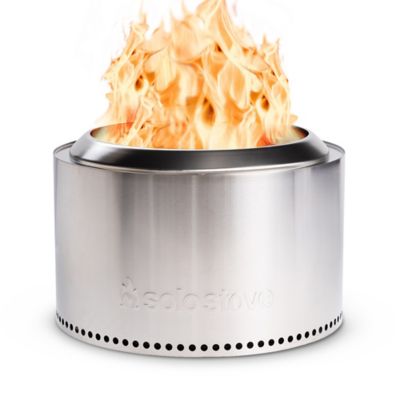
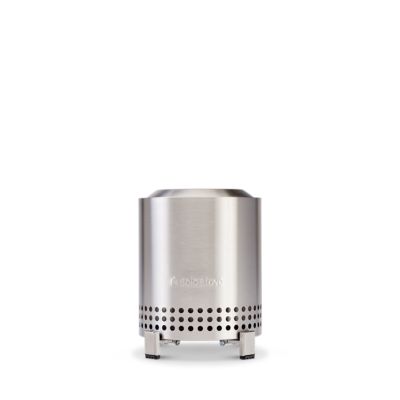
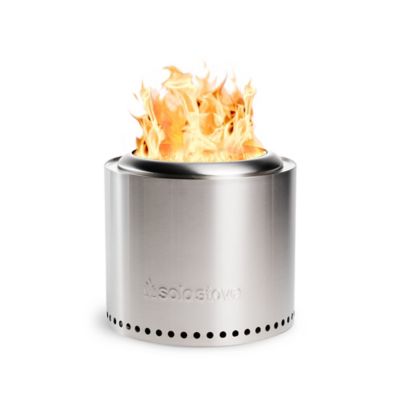
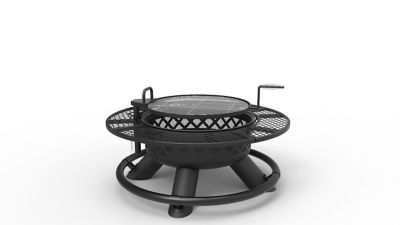
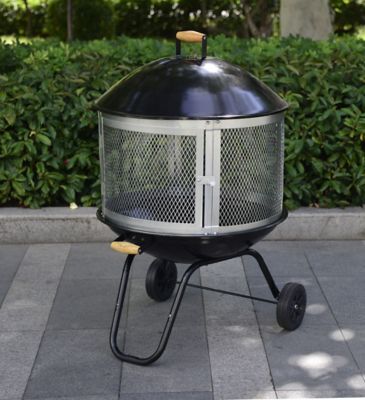
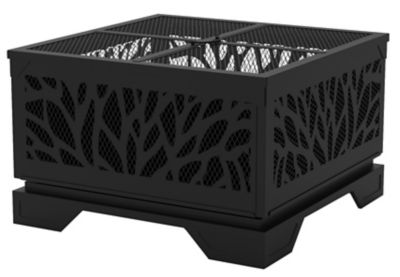
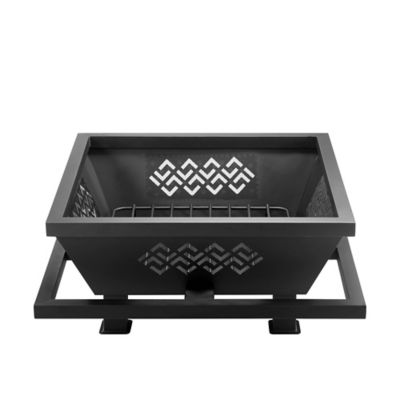
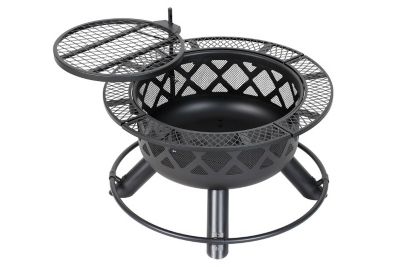
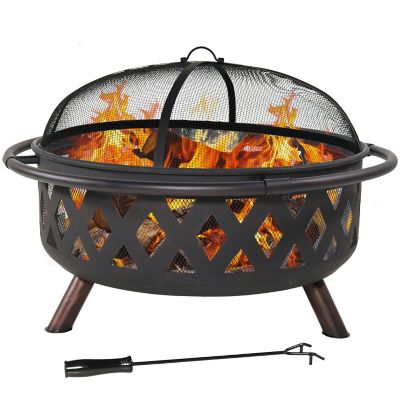
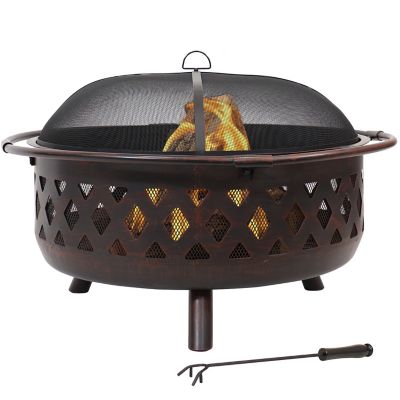
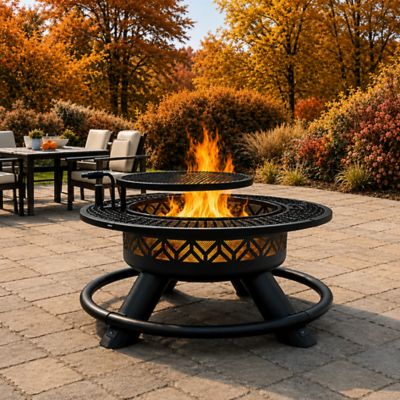
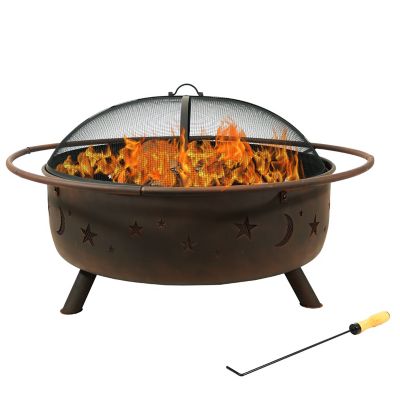
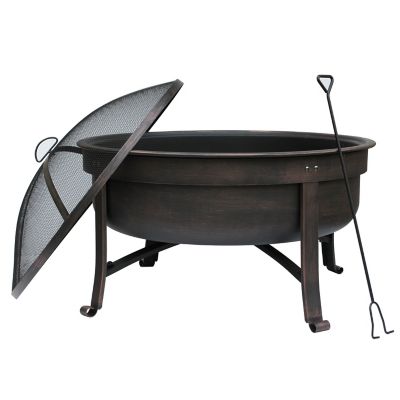
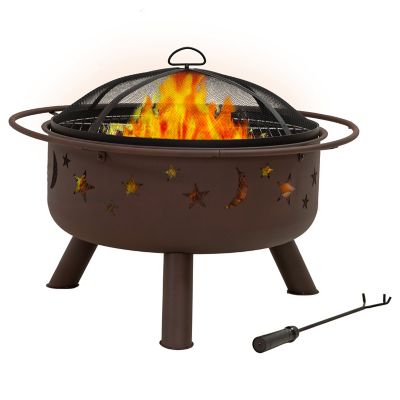
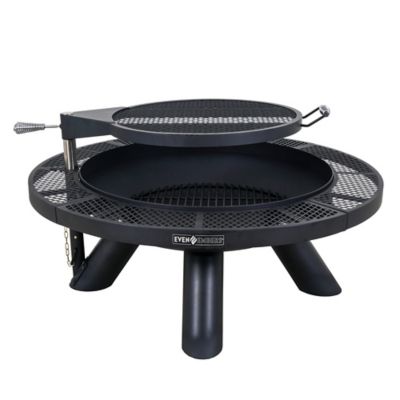
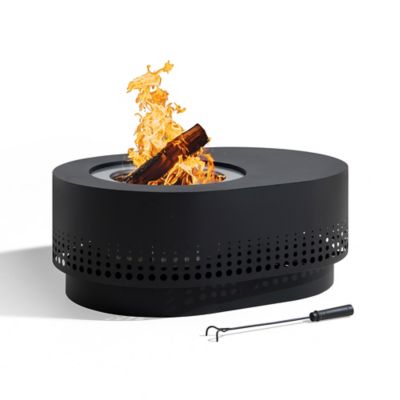
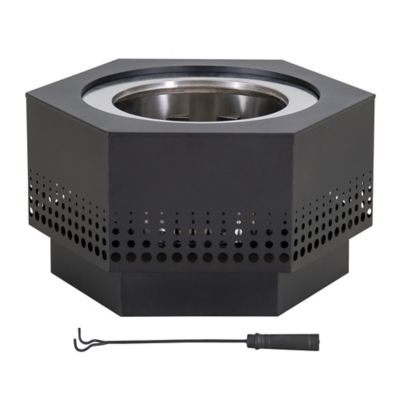
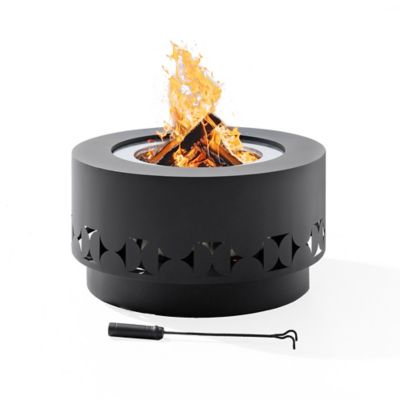
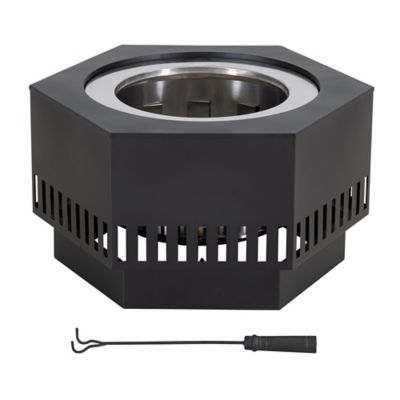
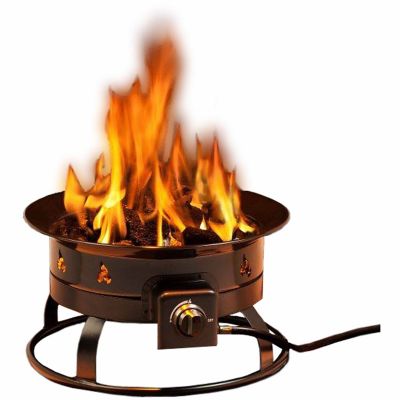
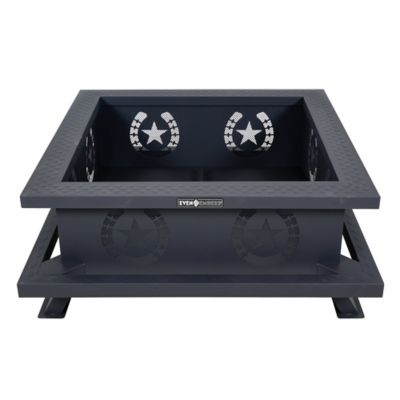
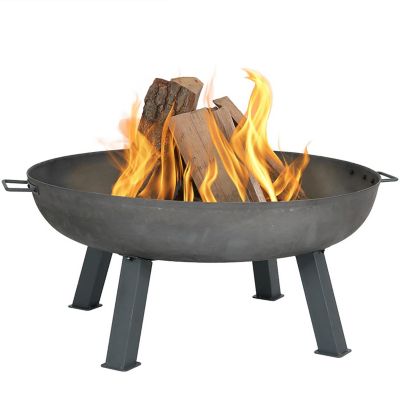
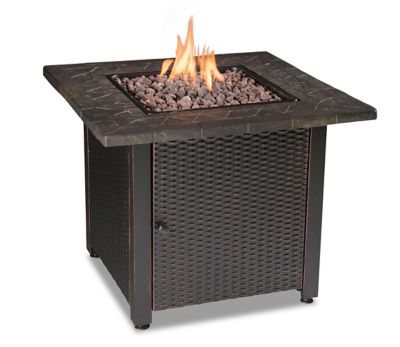
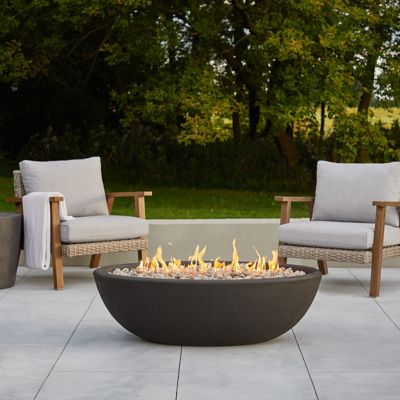
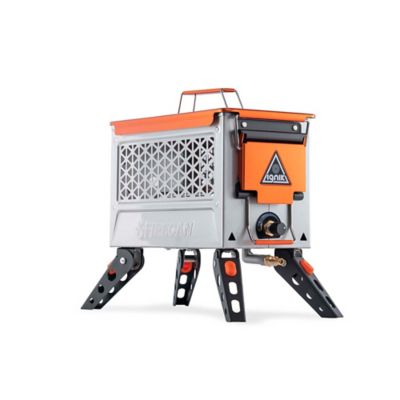
Outdoor fire pits are backyard, patio, and campsite fire features that provide warmth, light, and a gathering spot for family and friends. They give folks a place to pull up a chair after chores, swap stories over a crackling fire, or settle in after supper without heading indoors. The main types are wood-burning, propane, and natural gas fire pits, with different fuel needs and setups. Wood-burning fire pits deliver the familiar sound, scent, and dancing flames of a campfire. They also produce smoke, sparks, and ash, so fuel choice and cleanup are part of owning one. Dry, seasoned hardwood, such as oak or hickory, generally burns more steadily and produces less smoke than damp wood. Treated lumber, household trash, and other materials not approved by the manufacturer do not belong in the fire bowl. Smokeless fire pits commonly have double walls and air passages that support a secondary burn, helping burn off gases and particles before they leave the chamber. That design reduces smoke rather than eliminating it, especially while the fire gets going or when the fuel is damp. Propane fire pits offer adjustable flames without burning logs or producing wood ash, and many include an ignition system for a straightforward start. A fire table adds a surrounding ledge that can provide room for drinks when its design and surface temperature allow. Natural gas fire pits connect to a home’s gas supply through a properly installed line, removing the need to exchange propane cylinders but usually tying the fire feature to one location. Fuel compatibility matters: switching between propane and natural gas requires a model that permits conversion and the proper components and installation. Portable fire pits suit trips and flexible backyard layouts, while larger freestanding units and fire tables make sense for a dedicated seating area. Campground rules, local fire codes, and burn restrictions still determine where and when a fire is allowed, regardless of fuel type.
Materials, construction, and dimensions help determine how an outdoor fire pit fits into everyday life. Steel is common in wood-burning bowls and fire rings because it handles high heat and allows a range of shapes and sizes. Metal thickness, welds, leg construction, and protective finishes all influence how a unit holds up to repeated fires and handling. Stainless steel offers resistance to corrosion, although heat discoloration and surface staining can still develop. Cast iron brings substantial weight and holds heat after the flames die down, which makes a steady base and careful handling especially important. Gas fire tables may combine metal frames with stone, concrete, or other heat-rated surrounds; the weight and care requirements depend on the full construction, not just the appearance of the tabletop. Overall width is only part of the fit. A broad rim takes up space without necessarily providing a larger burning area, while a deep bowl changes the way logs sit and how easily ash can be reached. A compact fire pit can work for a couple of chairs, but a larger gathering needs enough room for seating, walking paths, and the clearances specified by the manufacturer. Folks should be able to move around the seating area without stepping close to the flame or reaching across it. Handles and folding legs can help with transport, though a portable fire pit must be completely cool before moving. Placement calls for a stable, level, noncombustible surface with the required distance from siding, fences, branches, overhangs, and other combustible materials. A shield or mat does not automatically make a wood deck suitable; the fire pit’s instructions must specifically permit that setup. Outdoor fire pits are not for garages, barns, enclosed porches, or other enclosed spaces, even with a door open. Spark screens help contain some escaping embers on compatible wood-burning models, but they do not replace supervision or proper clearance. Children and pets need room away from the entire unit, since bowls, rims, screens, and surrounding surfaces can stay hot long after the fire looks finished.
Regular care keeps a fire pit ready for the next gathering and helps catch wear before it becomes a problem. Wood-burning models need ash removal once every ember has cooled completely. Ash can conceal heat, so disposal belongs in a metal container with a lid, kept on a noncombustible surface away from buildings and anything that can burn. Leaving ash and moisture sitting in a metal bowl can encourage corrosion. Drainage openings, when part of the design, need to remain clear, and cleaning methods should match the metal and finish rather than rely on harsh chemicals or abrasive scrubbing. Propane and natural gas models need attention to burners, ignition components, and approved fire media. Burner openings should stay free of debris, while hoses, fittings, and connections need inspection and leak checks according to the manufacturer’s directions. Lava rock and fire glass must be rated for the particular appliance; ordinary landscape stones are not a safe substitute. Covers belong on fully cooled units, and propane cylinders require upright storage in an approved, ventilated outdoor location. Loose fasteners, unstable legs, cracks, or damaged fuel components deserve attention before another fire. Intended use matters just as much as maintenance. A fire pit made for gathering is not automatically a cooking appliance, and cooking grates or other attachments need the manufacturer’s approval. For a family that enjoys campfire snacks, a cooking-rated wood-burning setup may be the better match; for folks who want conversation without tending logs, an adjustable gas flame may fit more naturally. Fire pits can also make thoughtful gifts for homeowners, campers, or someone setting up a backyard gathering space, provided the fuel choice, storage needs, lifting weight, and property rules suit the recipient. For a more defined hearth-style setting,
Outdoor Fireplaces offer another way to bring a fire feature into an outdoor living area. Whether the setting is a simple circle of chairs or a roomy patio beside the house, the right fire pit fits the space, the people gathering around it, and the amount of tending they enjoy.