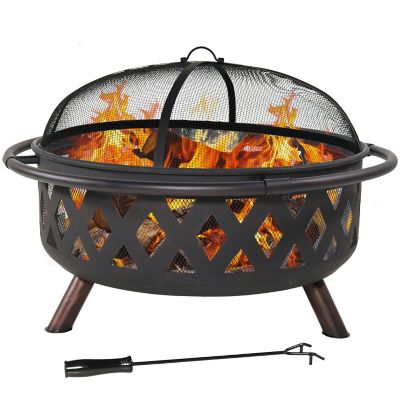
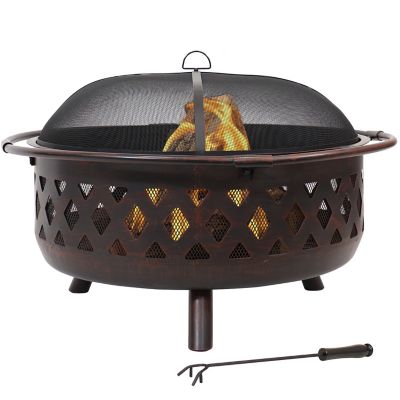
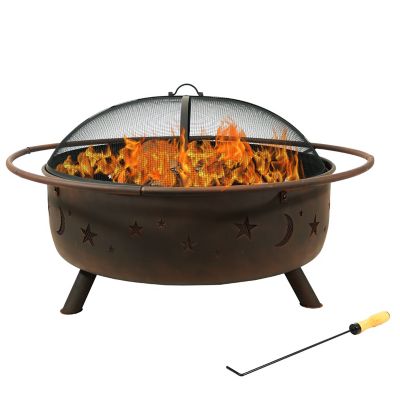
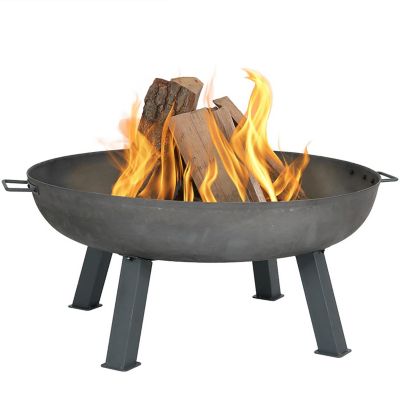
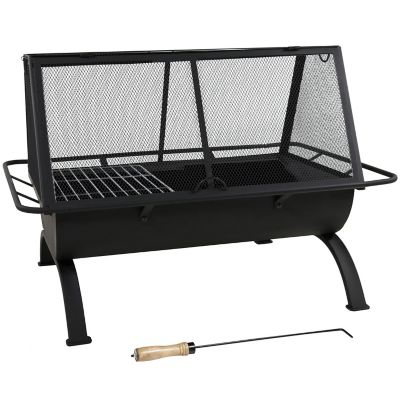
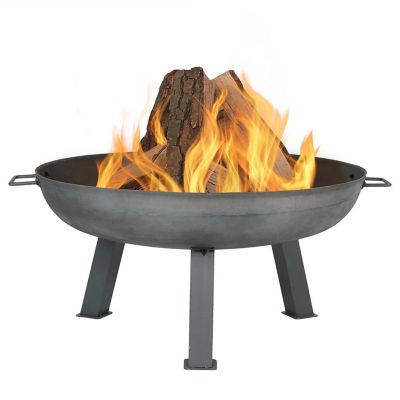
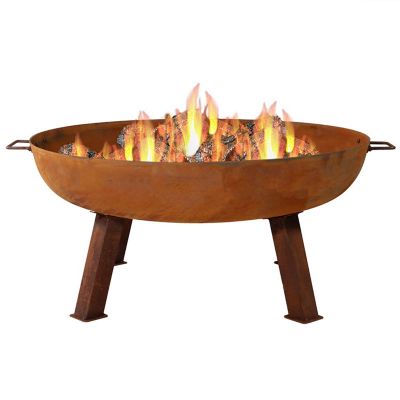
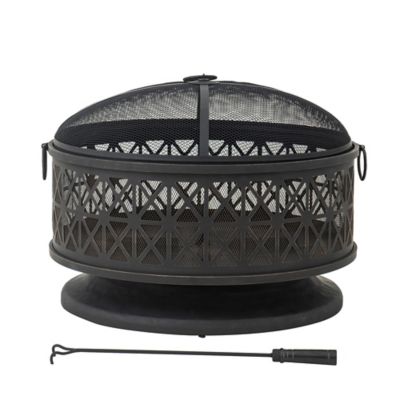
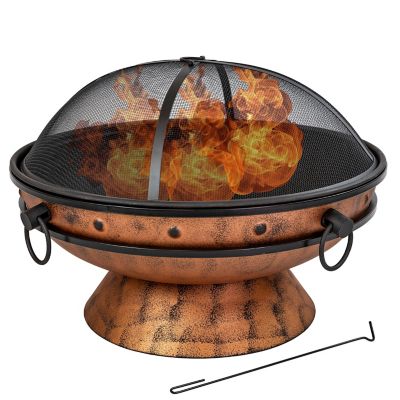
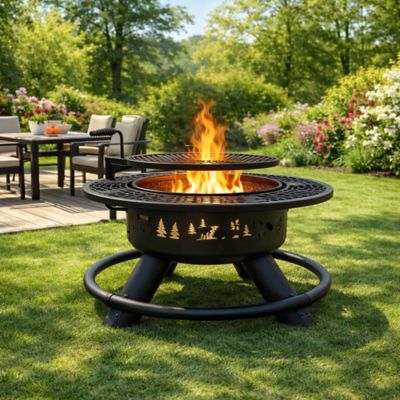
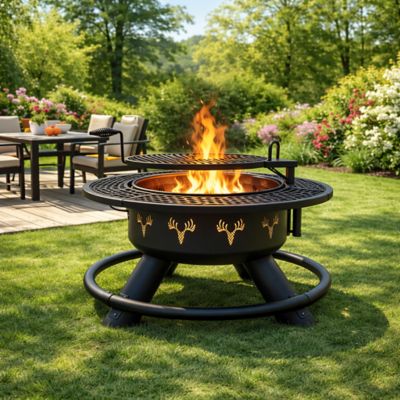
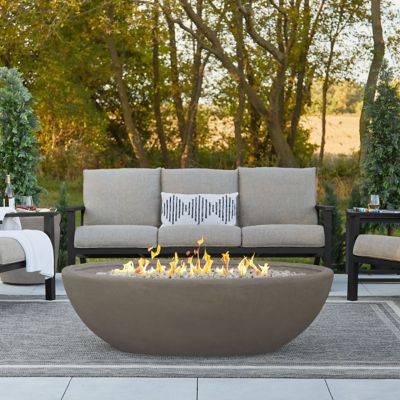
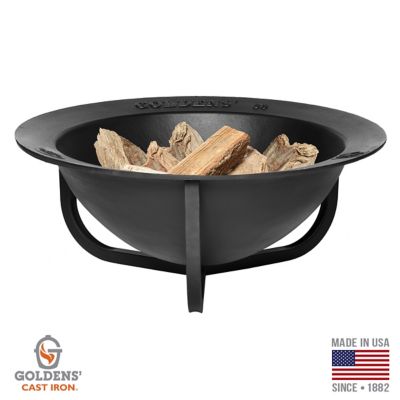
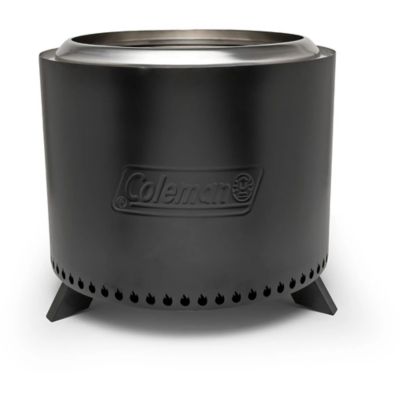
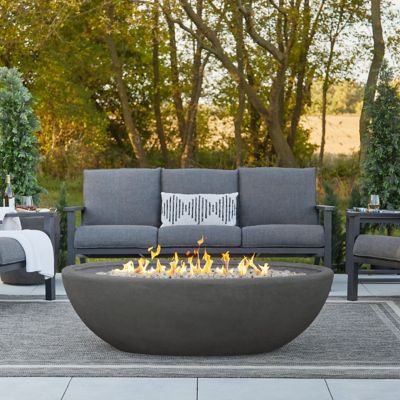
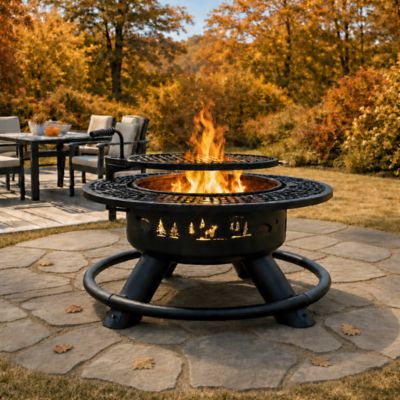
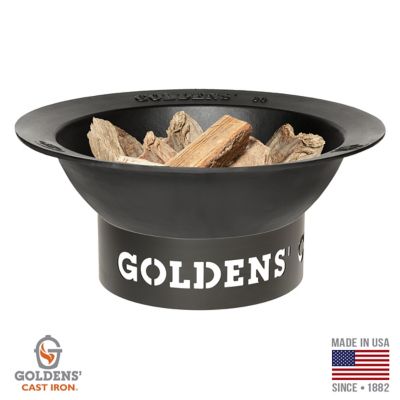
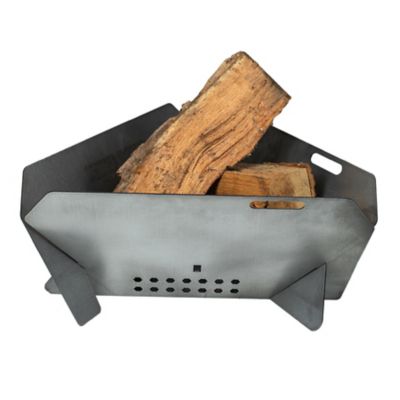
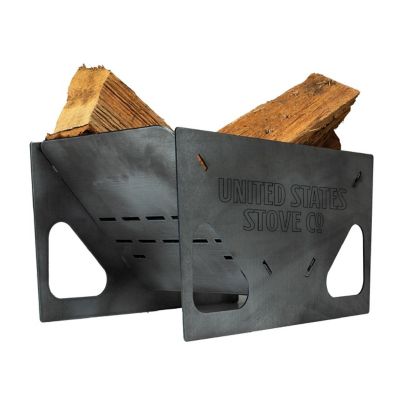
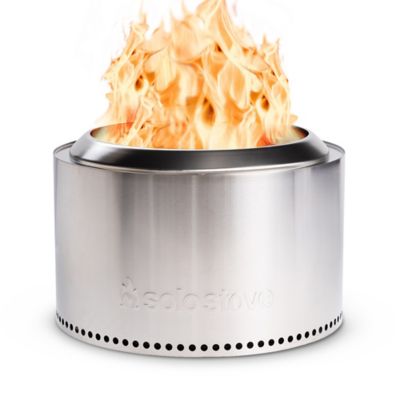
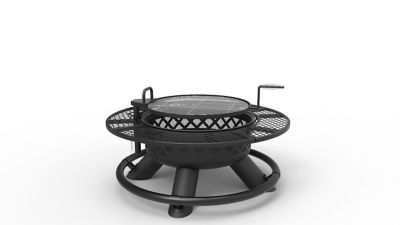
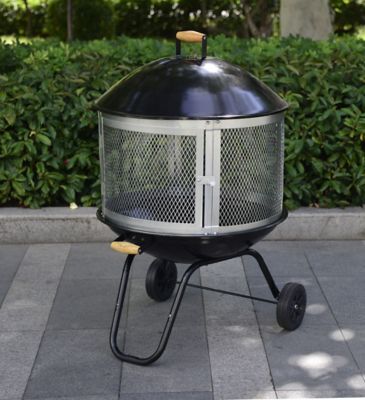
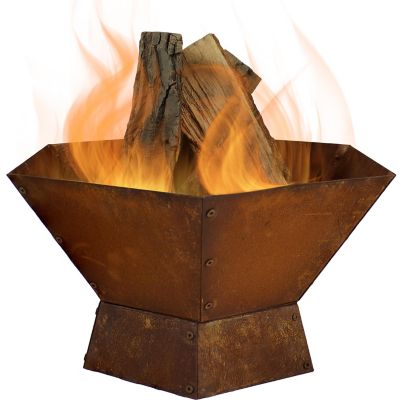
Large fire pits give a backyard gathering a place to settle in, with room for folks to pull up a chair, swap stories and stay awhile after the chores are done. A broad fire bowl can anchor a gravel seating area near the house, while a larger enclosed design can help define a gathering spot farther out on the property. The right fit depends on more than how much open ground is available. Overall width, bowl depth, rim height and the space needed around the fire all affect how comfortably the setup works. A wide rim takes up ground without necessarily adding the same amount of burning space, so both the outside dimensions and the inner bowl measurements matter. Seating needs room beyond the clearances specified by the manufacturer, with open paths that let people get up without stepping close to the fire. A generous yard does not automatically make every location suitable; overhead branches, nearby buildings, fences and other combustible materials still need proper separation. Large fire pits also vary considerably in weight. A substantial bowl may suit a permanent gathering area, while a lighter design with handles may be easier to relocate once the fire is out and every part has cooled completely. Fuel choice shapes the experience, too. Wood-burning fire pits bring the crackle, shifting flames and hands-on tending that many people enjoy. Gas fire pits offer a different setup, with controls and fuel connections that need to match the intended installation. Neither style is a substitute for an indoor fireplace, and outdoor fire pits belong in open-air locations that meet the manufacturer's requirements. For a household that regularly hosts neighbors, extended family or friends from down the road, the best fit is a fire pit that leaves enough room for the people, the chairs and the ordinary traffic around them—not simply the biggest bowl that will fit through the gate.
Materials and construction make a real difference in how a large fire pit handles repeated fires and routine upkeep. Steel allows for a wide range of bowl shapes and frame designs, and its thickness, finish and supporting structure all deserve attention. A coating can help protect exposed metal, but its care requirements matter, especially where tools, firewood or shifting grates can scrape the surface. Stainless steel can resist corrosion, though it still needs cleaning and can develop discoloration from heat. Cast iron has a substantial feel and holds heat well, but its weight makes location planning especially important, and exposed surfaces may need attention to limit rust. Stone or concrete surrounds can give a fire area a more settled appearance, though the surround alone does not establish what fuels or fire sizes the complete assembly can safely handle. Those details come from the manufacturer's specifications. Across materials, a stable base, sound joints and well-supported legs matter more than appearance alone. A deep bowl may help contain a wood fire, while a lower profile can make the flames easier to see from nearby chairs; either design still calls for the stated clearances. Air openings and raised fuel grates can support combustion, but they cannot make damp firewood burn cleanly or eliminate smoke altogether. Spark screens can help limit escaping embers without removing the need for supervision. Features such as removable ash pans, accessible burner compartments and lift-off screens can make regular care less awkward on a larger unit. Cooking is another consideration that needs a closer look rather than an assumption. Marshmallows over an appropriate wood fire are one thing; supporting heavy cookware or a full cooking grate calls for a design expressly intended for that purpose. A broad rim, flat cover or screen should never be treated as a cooking surface unless the manufacturer says it is suitable.
Living with a large fire pit is easier when its care and storage needs suit the property. A level, manufacturer-approved, noncombustible surface provides a sound starting point, while local fire rules, burn restrictions and required setbacks help determine whether the planned location and fuel are permitted. Grass, bare ground, a wood deck and a concrete patio are not interchangeable foundations; heat transfer and surface protection depend on the particular design. For wood-burning setups, properly seasoned firewood supports a steadier fire with less smoke than wet wood, and logs need to fit inside the fire area rather than hang over the edge. Painted or treated lumber and household trash do not belong in the bowl. After a fire, ashes can conceal hot embers long after the flames disappear. Following the manufacturer's extinguishing directions and allowing everything to cool completely protects both the equipment and anyone handling it. Ashes belong in a metal container with a fitted metal lid, kept outdoors on a noncombustible surface away from anything that can burn. Once the fire pit is cold, clearing residue and checking for loose fasteners, damaged screens or deteriorating finishes helps keep small problems from becoming bigger ones. Gas models need the inspection and connection checks specified for their fuel system, with repair work handled as directed by the manufacturer. A properly fitted cover can help keep debris and moisture out, but it should go on only after the unit is fully cool and dry. The
Best Fire Pits page is another place to explore the category while weighing these details. For a housewarming or a gift to someone who enjoys hosting, a large fire pit can be a thoughtful choice when the recipient's space, fuel preference and ability to move or maintain it are already known. With the right match, it becomes a familiar gathering place rather than another piece of equipment that gets in the way.