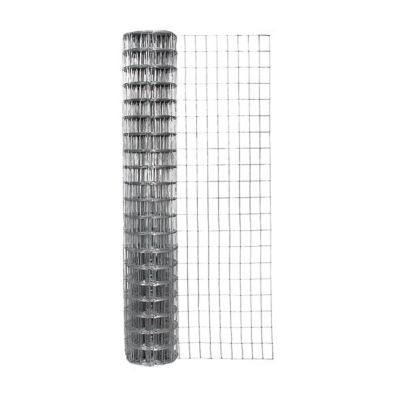
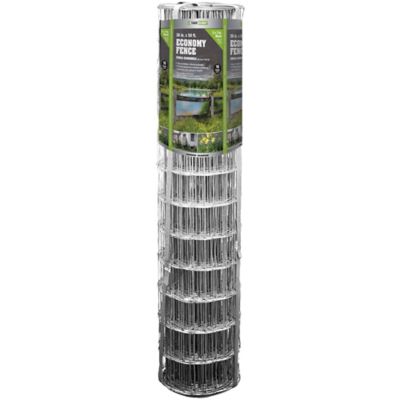
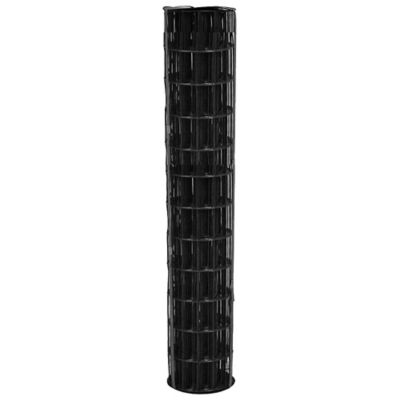
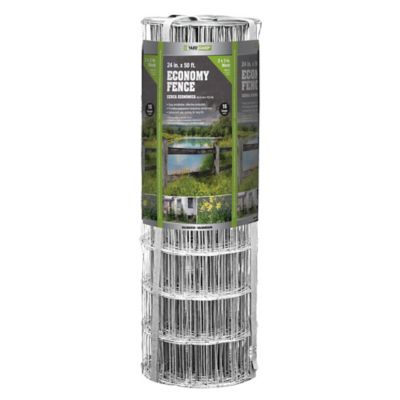
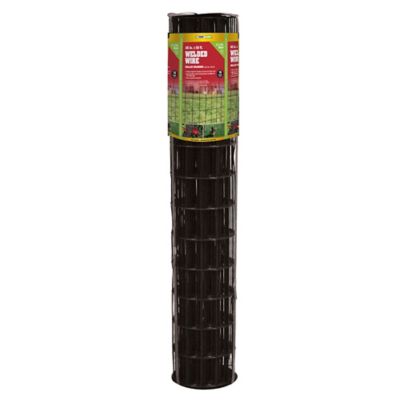
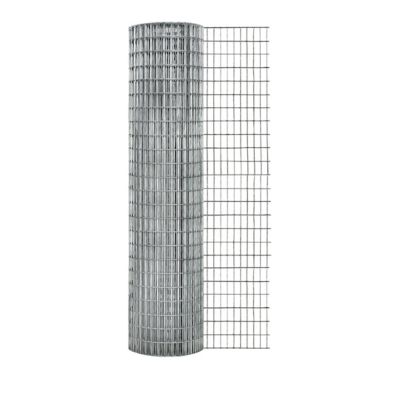
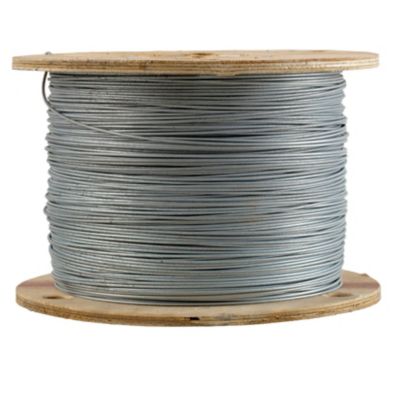
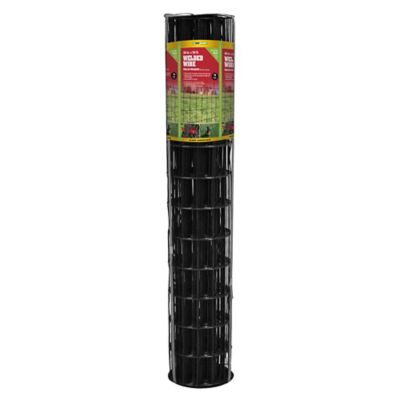
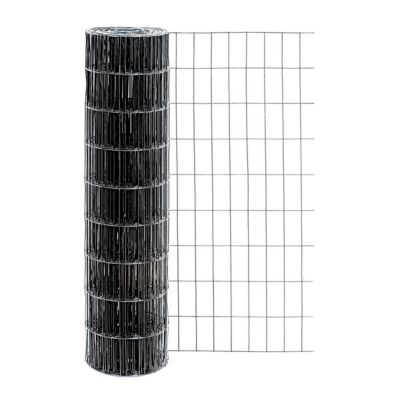
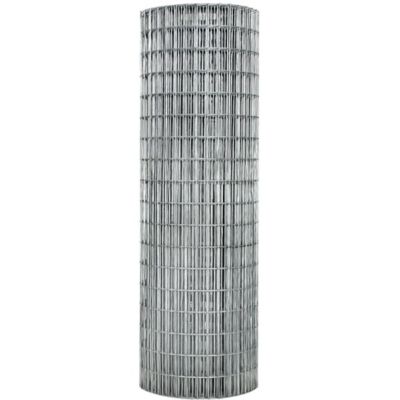
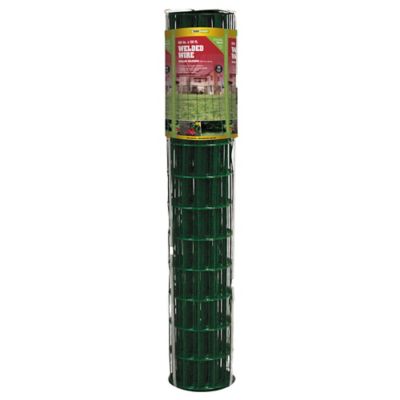
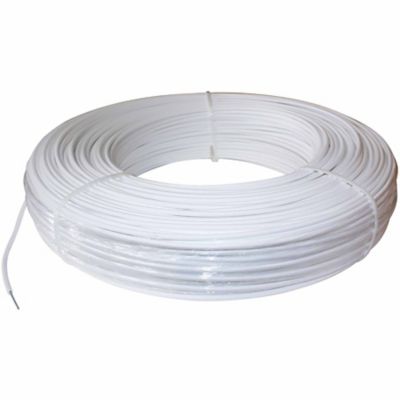
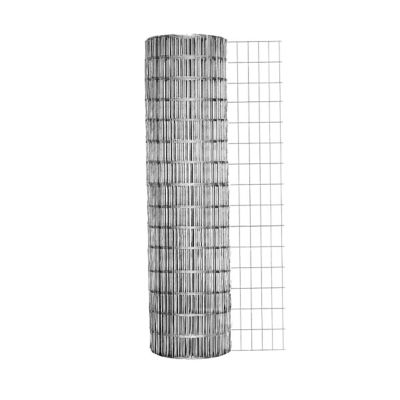
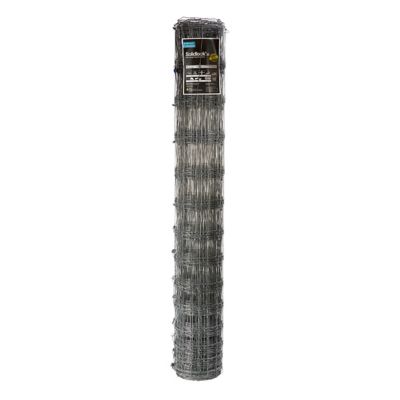
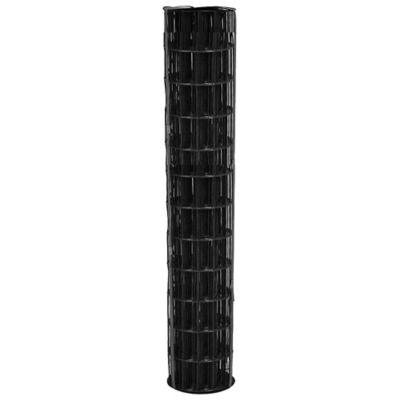
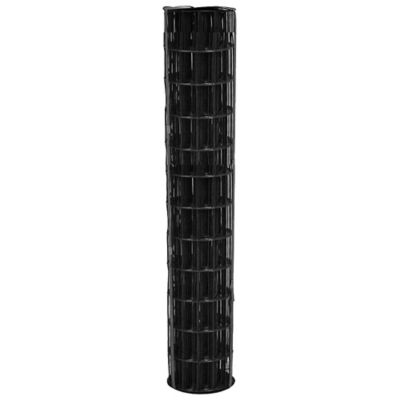
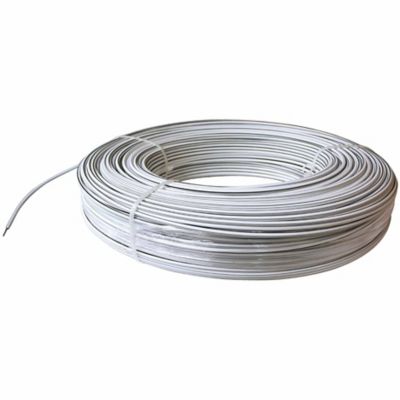
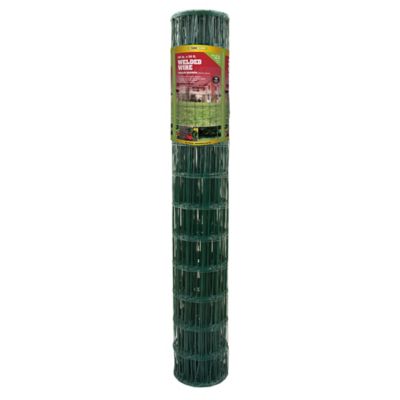
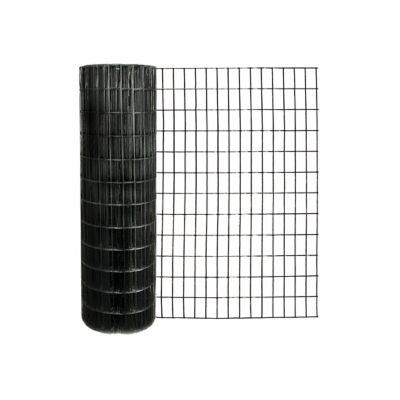
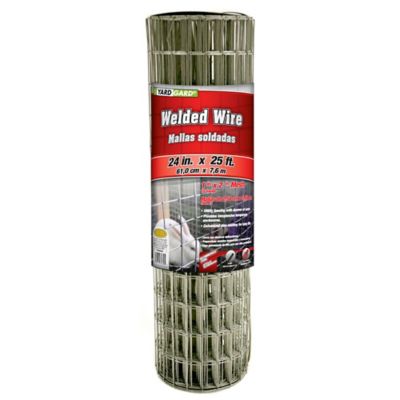
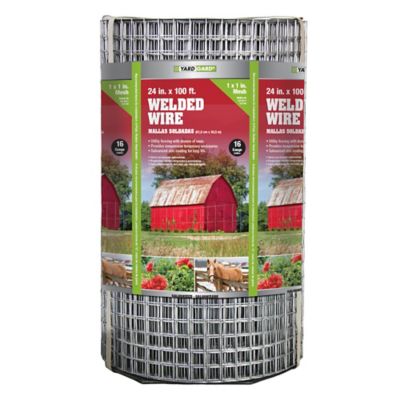
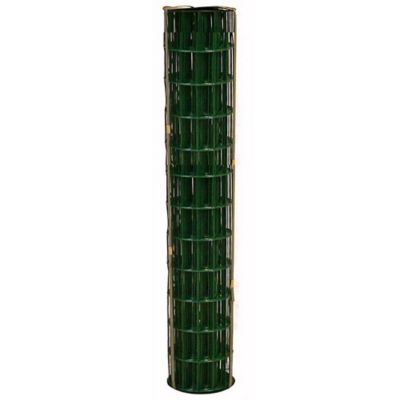
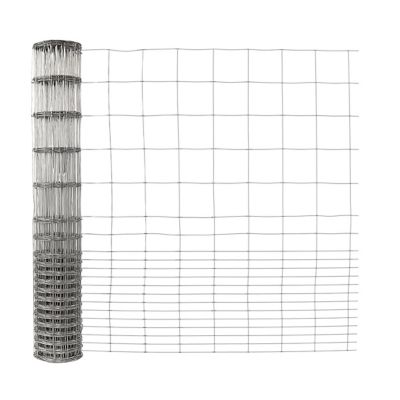
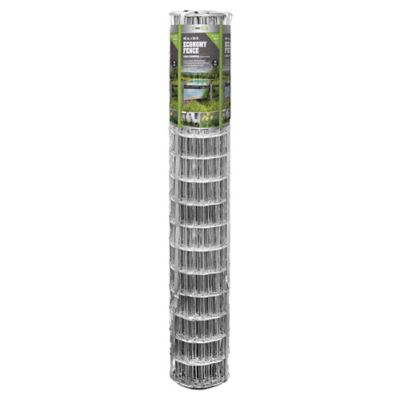
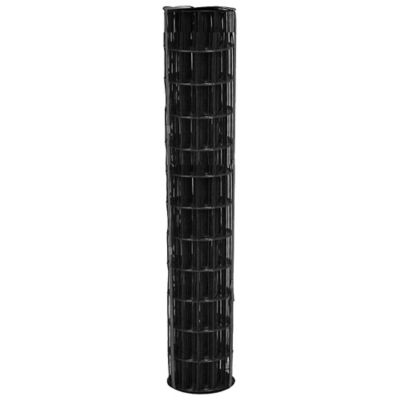
Wire fences create a practical barrier for pastures, gardens, animal enclosures, and property lines while keeping the view open across the land. Their performance comes down to how the wire is joined, the size of the openings, the height of the fence, and the support along the fence line. Welded wire fencing has wires joined at each intersection, creating a firm grid that suits many garden boundaries, yard enclosures, and other applications where a defined shape matters. Woven wire fencing has wires connected with knots or wrapped joints, allowing more movement than a welded grid. That flexibility makes it a common choice for livestock pastures and ground with gradual changes in elevation, though the amount of movement depends on the weave and knot design. Rigid wire panels offer another option for pens, short fence sections, and areas where a freestanding roll would need more shaping and tension. Panels still need suitable posts and secure attachments; their stiffness does not replace a well-supported fence line. Barbed wire serves a different purpose, generally forming a livestock boundary with spaced strands rather than a continuous mesh barrier. It is not a substitute for close-spaced fencing around small animals, and exposed barbs make it a poor match for places where people or horses may come into contact with the fence. For a vegetable patch beside the barn, smaller openings near the ground may matter more than the ability to withstand pressure from large animals. Along a cattle pasture, wire strength, fence height, and sound corner supports carry more weight. A yard enclosure for a dog calls for attention to climbing, digging, and gaps beneath gates, not just the mesh pattern. These differences explain why wire fencing comes in several constructions instead of one all-purpose design. The right type fits the job, whether that means defining an edge, keeping animals in their assigned space, or limiting access to a planted area.
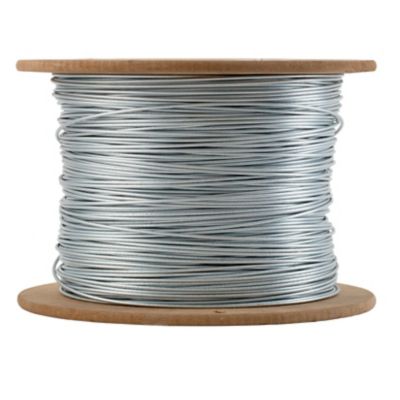
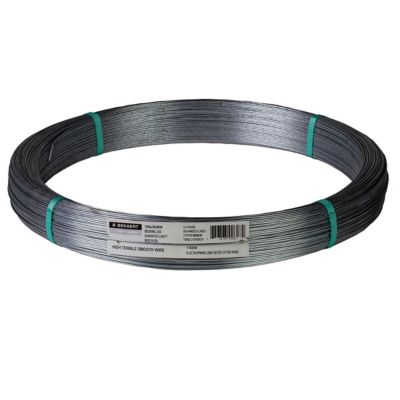
Wire material and finish affect how a fence holds up to everyday contact with soil, vegetation, and animals. Steel provides the strength behind many wire fences, while galvanizing adds a zinc layer that helps protect the steel from corrosion. A vinyl or other polymer coating may add another protective layer and change the appearance of the fence, but the underlying wire and the condition of the coating still matter. Cuts, scrapes, and bent sections can expose metal beneath a finish, so coating type alone does not tell the whole story about service life. Wire gauge describes thickness, with lower gauge numbers generally indicating thicker wire within the same gauge system. Gauge is worth considering alongside tensile strength, joint construction, and the intended application; two fences with similar-looking wire can behave differently under tension or animal pressure. High-tensile wire can carry substantial tension with a smaller diameter, but it needs supports and fittings suited to that construction. Mesh spacing matters just as much. Openings that work for cattle may leave room for a lamb to slip through, and a fence that contains chickens may not keep determined predators out. Small openings near the bottom can help limit access by certain small animals, but digging and climbing remain separate concerns. For horses, smooth wire, suitable visibility, and mesh openings that reduce the chance of a hoof becoming caught deserve special attention. Poultry keepers often need a combination of enclosure height, close spacing, and protection around the base rather than a simple boundary fence. Gardeners may favor an open grid that leaves plants visible and provides access for tending beds, while homesteaders may need separate fencing arrangements for different animals. For another view of metal-grid options,
Steel Mesh Fences offers a related category to consider. Across these applications, a fence works best when its construction matches the animals, activity, and layout on each side.
Fence fit extends beyond the length of a roll or the width of a panel. A straight run beside a driveway presents a different challenge from a pasture edge that crosses a shallow dip, passes a stand of trees, and ends at a livestock gate. Woven fencing can accommodate some contour changes, while stiffer welded grids and panels may leave larger gaps beneath them unless the layout accounts for the ground. Fence height should reflect both the animal’s behavior and the purpose of the enclosure; a taller barrier does little to stop an animal that can squeeze under it. Gates need the same attention to spacing and ground clearance as the rest of the fence, especially where small livestock share space with larger animals. Corner, end, and gate posts carry much of the load in a tensioned fence, and compatible braces help keep those points from leaning inward. Line posts, clips, ties, and staples also need to suit the fence material and post type. Welded mesh generally does not call for the same stretching approach as high-tensile woven fencing, making the construction specifications important when comparing options. Day-to-day care centers on keeping the barrier intact: loose attachments, broken welds, damaged knots, sagging sections, and exposed wire ends can turn a sound enclosure into an escape route or injury risk. Vegetation pressing against the mesh can hide trouble spots, and debris or animal waste collected at the base can make inspection harder while encouraging corrosion. Gate hinges and latches deserve a look as well, since an otherwise solid fence cannot compensate for a gate that fails to close securely. On working properties, wire fencing can divide grazing areas, separate animals from equipment, and mark boundaries without blocking sightlines across a field. Around a home or garden, the same open construction keeps the space feeling connected to its surroundings. A fence matched to its purpose, supported properly, and checked regularly can remain a useful part of the property for years.