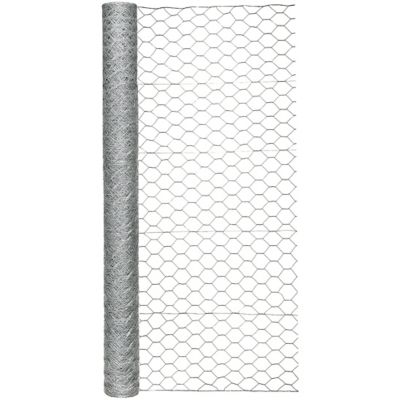
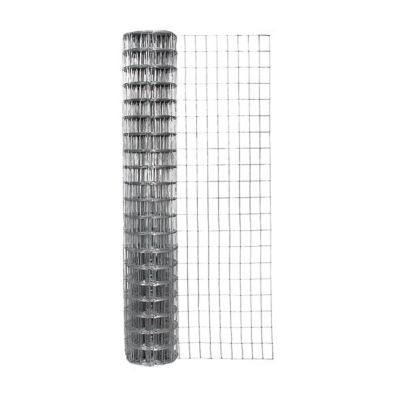
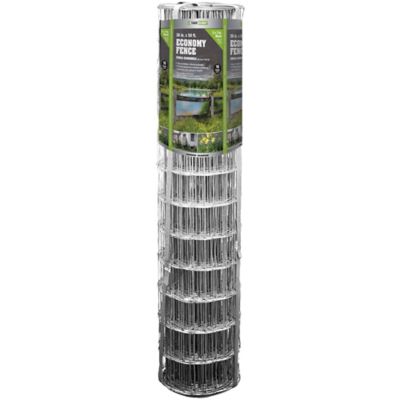
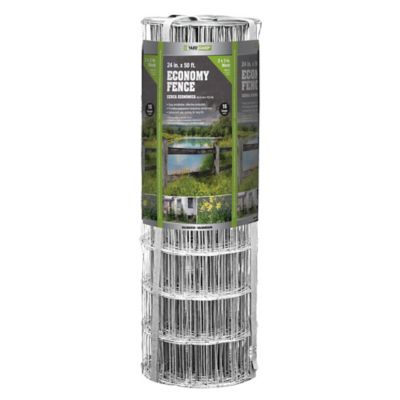
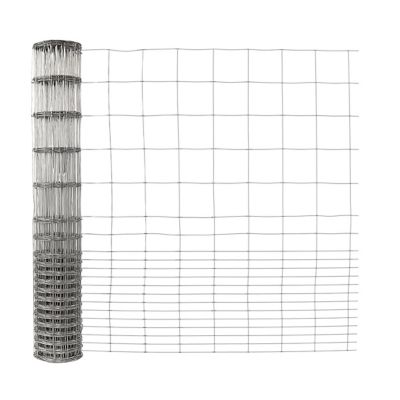
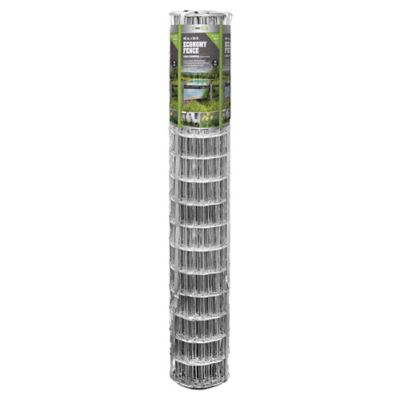
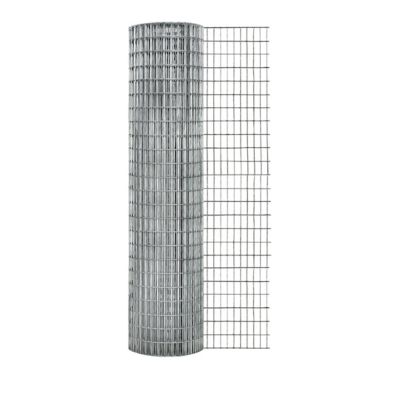
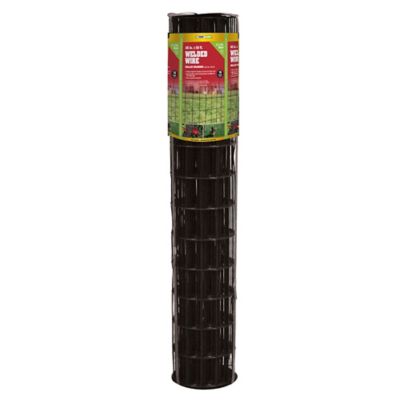
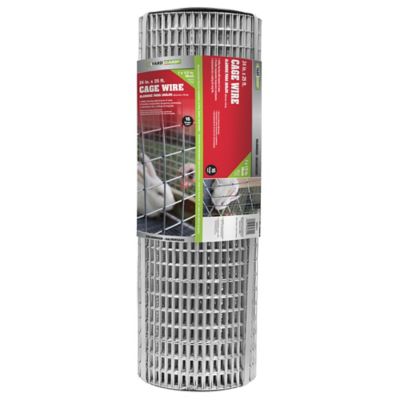
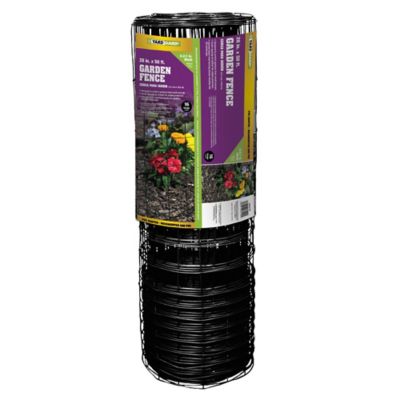
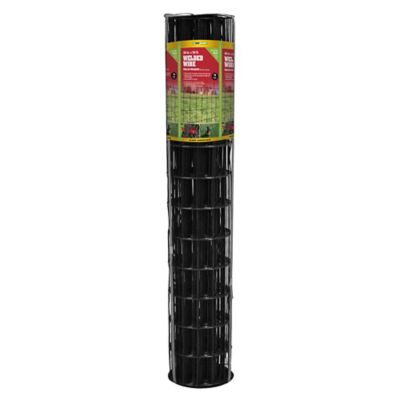
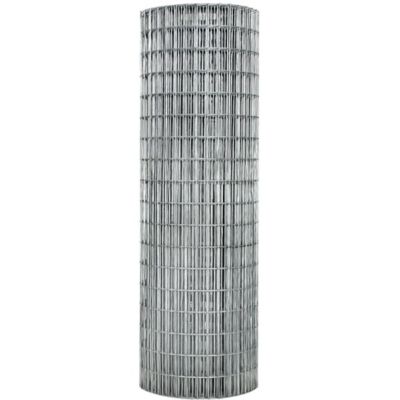
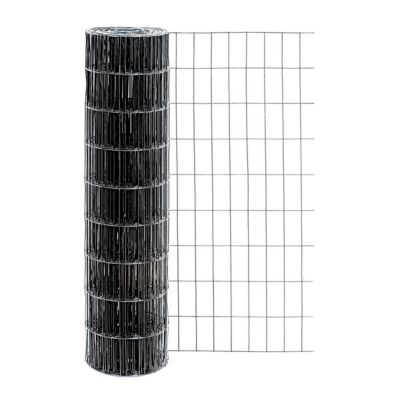
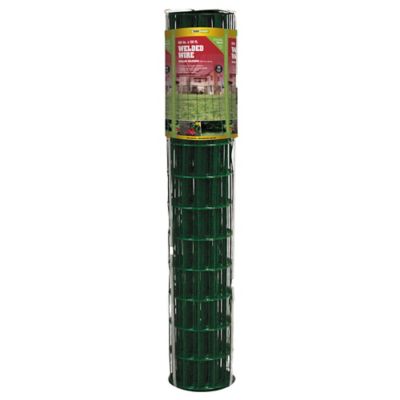
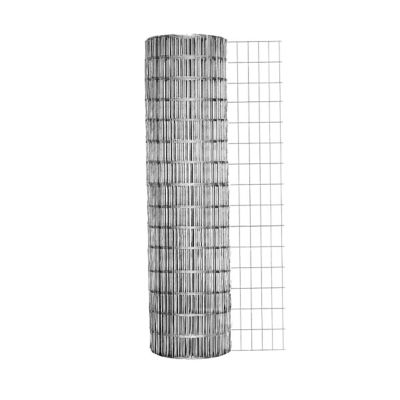
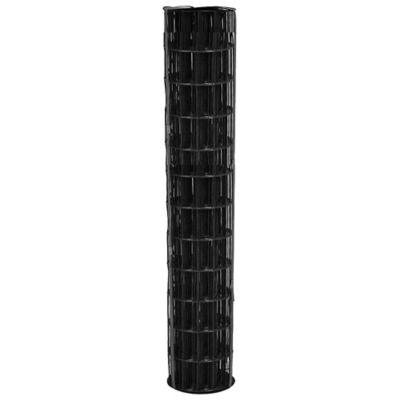
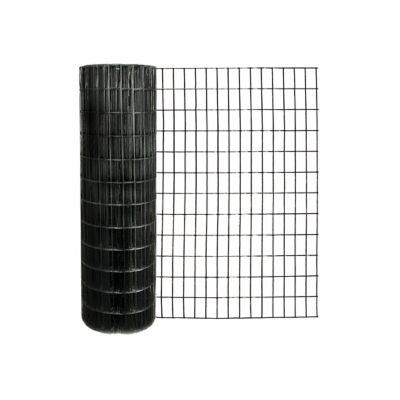
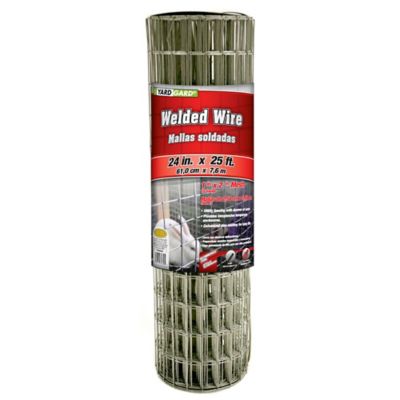
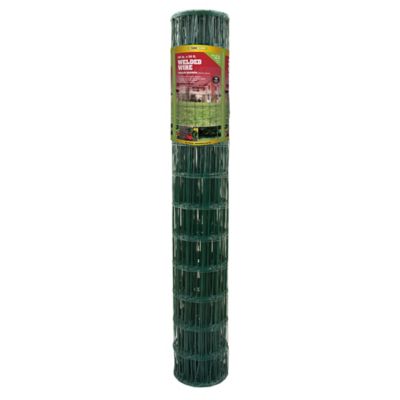
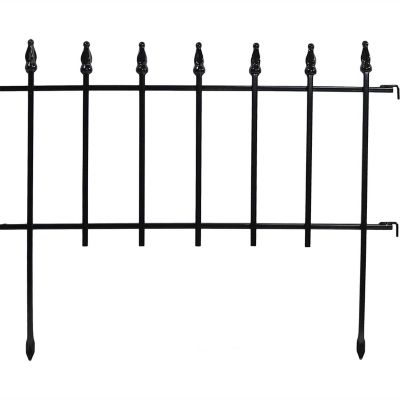
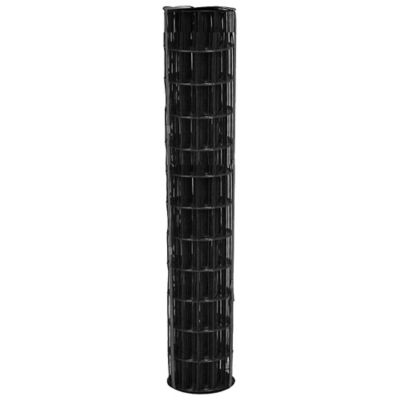
Garden wire fences help protect vegetables, flowers, and young plants from rabbits, wandering poultry, and other animals while keeping garden beds visible and allowing light to reach the leaves. Their open mesh creates a boundary without the solid wall of a privacy fence, making them a practical fit for backyard plots, raised beds, and growing spaces beside a barn or shed. A fenced vegetable patch can keep a few scratching hens away from tender seedlings, while a smaller enclosure can discourage a dog from cutting through a flower bed. The protection depends on the fence’s height, opening size, strength, and fit along the ground. Small openings near the soil help limit access for smaller animals, while larger animals may require a much taller, stronger enclosure. A low garden border can mark the edge of a planting area, but it is not a substitute for deer fencing. Open-top fencing also leaves plants exposed to birds and animals that can climb. That makes the animal causing trouble an important part of any fencing choice. For a bed of lettuce nibbled close to the ground, the lower portion of the fence deserves close attention. For a garden beside a poultry yard, the height and any gaps around the entrance matter, too. Wire fencing works well where the garden should remain part of the view: along a kitchen window, beside a porch, or around a neat row of raised beds. It gives climbing plants something to grow against when the mesh and supports are suited to that purpose, though a fence meant mainly to exclude animals may need separate support for heavy vines. The open design also makes it easier to spot a ripe tomato, check plant growth, or notice an animal testing the boundary without walking all the way around the enclosure. For larger plots, that visibility helps keep the garden connected to the rest of the property rather than tucked behind an opaque barrier.
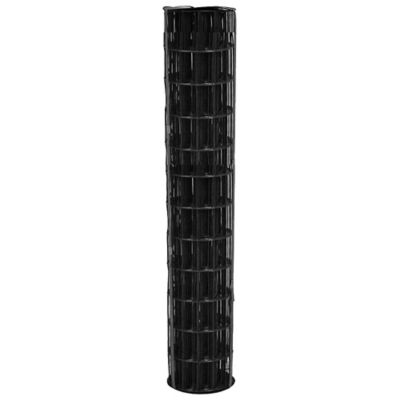
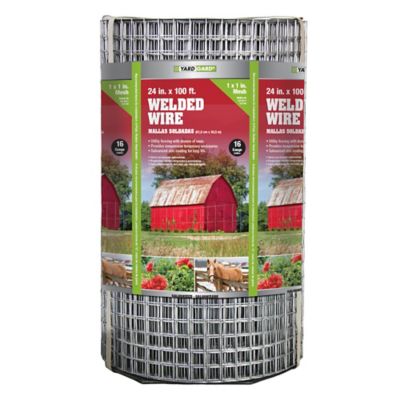
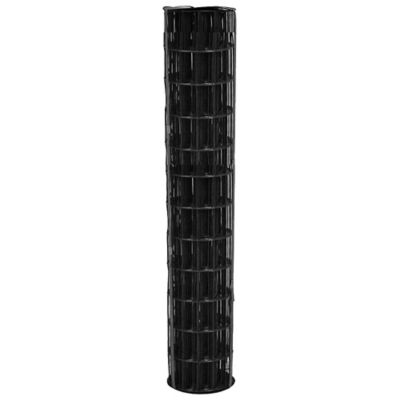
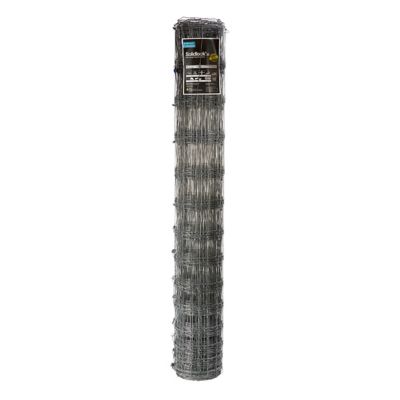
Materials and construction make a noticeable difference in how garden wire fencing handles everyday work. Galvanized steel has a zinc coating that helps resist rust, an important consideration around damp soil and regular watering. Coated wire adds an outer layer over the metal, and darker finishes can blend into the background behind green leaves. Neither finish makes a fence maintenance-free; scratches, cut ends, and areas that stay against wet soil can still need attention. Welded wire has joined intersections that maintain a defined grid, giving the mesh a fairly orderly appearance around straight beds. Woven wire construction allows some movement within the mesh, although its suitability depends on the particular weave and the job it needs to do. Fine wire mesh, including hardware cloth, can help close small openings that broader fencing leaves behind. Opening size and wire thickness serve different purposes: a tight grid limits the size of an animal that can pass through, while heavier wire offers more resistance to bending. A close mesh made from thin wire is not automatically the right choice for an animal that pushes hard against a fence. Likewise, a strong fence with large openings may still let small rabbits reach the plants. Fence height, mesh dimensions, and the strength of the supporting posts work together rather than making up for one another. Posts and fasteners need to suit both the fencing material and the ground where the enclosure stands. A long stretch of wire supported only at its ends can sag, and loose lower edges can leave an inviting route underneath. Where digging animals are a concern, the layout may call for a buried lower section or an outward-facing mesh apron, with underground utilities and irrigation lines accounted for before any digging. Smoothly finished edges and covered or secured wire ends matter around hands, paws, and clothing, especially where someone leans across the fence to pull weeds or pick beans. An animal-exclusion fence should also be chosen to discourage entry without creating loose loops or snagging points.
The best fit for a garden is about more than the length around its outside edge. Corners, changes in ground level, bed spacing, and the entrance all affect how well a wire enclosure works from day to day. Rolls can suit longer stretches and layouts that need flexibility, while panels can make sense around smaller, clearly defined spaces. A rectangular patch is often straightforward to enclose, but a garden wrapping around a tree or following a curved path needs a layout that keeps the bottom edge close to the ground without leaving awkward gaps. Inside the fence, enough room for kneeling, harvesting, and moving between plants can make routine chores much easier. An entrance that admits a person carrying a basket may still be too narrow for a loaded wheelbarrow. Gate width, swing clearance, and a latch that closes securely deserve the same attention as the mesh itself. Raised beds bring another consideration: fencing attached near the bed should not block access to the soil or make it hard to tend plants along the far side. Removable sections can help where frequent access matters, provided their connections close firmly and leave no easy opening for animals. Care is generally centered on keeping the fence properly supported, clearing vegetation that pulls on the wire, and checking for damage near gates, corners, and ground contact points. Soil and plant debris can be brushed away as needed, with cleaning and coating repairs following the manufacturer’s directions. A bent section or loose fastening is easier to address before it becomes a larger opening. When comparing
Fences for Gardens, wire fencing stands out for its open sightlines and range of mesh sizes and enclosure layouts. Matching those features to the plants, the animals nearby, and the way the space gets tended helps create a garden boundary that fits ordinary life, from a quick basket of green beans to an afternoon spent turning compost into the beds.